



Reviewed & Verified by
Dr. Apoorva
At 6 weeks after total knee replacement, many patients start to walk independently, and also return to their daily activities. Although the incision may appear healed externally, the knee is still recovering internally but continues improving strength and mobility. Mild swelling and stiffness are common in this stage.
During this stage:
Simple daily activities like getting in and out of bed, climbing stairs, or standing up from a chair may feel more comfortable now.
Understanding full knee replacement recovery each and every week helps patients set a definite goal.
| Week | Expected Mobility | Pain Level | PT Goals | Daily Activity Progress |
|---|---|---|---|---|
| 1–2 | Walker usually required for short walks | Significant pain and swelling | Ankle pumps, quad sets, straight leg raises and gentle movement | Getting to bathroom and short hallway walks |
| 3–4 | Transitioning from walker to cane | Moderate | Improved knee bending (90 degrees) and climbing stairs | Greater independence at home, short walks at home |
| 5–6 | Cane or independent walking; 1000–3000 steps a day | Mild to moderate | Balance work and strengthen quads and glutes | Light work, doing activities while sitting, short drives |
| 8–10 | Walking for longer distances and may return to work | Mild to mostly manageable | Begin stationary bike, climbing stairs comfortably, and greater walking endurance | Driving on your own and grocery shopping |
| 3 Months | Outdoor walks that do not involve steep surfaces and walking comfortably | Low to minimal | Improving flexibility and normal strength | Getting back to normal activities and light recreational exercise |
| 6 Months | Achieving full mobility for most patients after knee replacement | Minimal to none | Returning to low-impact activities and increasing endurance | Cycling, swimming, golf and travel |
Most patients continue improving for 6–12 months after surgery, though major improvements are often seen within the first 3-6 months. Every knee replacement recovery differs week by week depending on your strength, mobility, and consistency with rehab.
Clinical guidelines from ASOS (American Academy of Orthopedic Surgeons) recommend early mobilization, regular movement and guided knee replacement exercises may help reduce stiffness and improve long-term function after surgery
Is it normal to still have pain 6 weeks after knee replacement?
It is completely normal to have mild pain after knee replacement surgery and soreness at 6 weeks after total knee replacement, especially after exercise or walking.
At 6 weeks after total knee replacement, many patients experience discomforts like:
Pain will slowly reduce week by week. However, you should seek your doctor if you have increasing pain, severe redness, or fever.
How long does swelling last after Knee Replacement?
Swelling after knee replacement can last for 3-6 months, even when mild swelling is still continuing for up to a year, especially after activity.
To manage swelling:
At 6 weeks post knee replacement, mild to moderate swelling after activity is a normal part of the recovery process.
Is stiffness normal after Knee Replacement?
Yes. Stiffness after knee replacement is really common after sitting for a long time or in the morning. Stretching regularly and moving often are important for preventing long-term mobility problems.
Your therapist may specifically focus on:
Exercises like heel slides usually improve knee bending and reduce muscle tightness.
How far should I walk 6 weeks after knee replacement?
At 6 weeks post knee replacement, many patients can walk 1000-3000 steps daily. Walking after knee replacement should increase slowly to avoid excessive swelling or pain.
Typical goals include:
However, too much activity at the early stage of recovery can increase pain and swelling. Many patients assume that walking longer periods speed up recovery but in reality overdoing it causes delay in healing. Slow and steady progress matters more than intensity.
Why is physical therapy after knee replacement important?
Regular physical therapy after knee replacement is one of the most essential stages of recovery. The surgery replaces your damaged joint, but the therapy will help you move your body again.
Benefits of therapy include:
Most patients attend outpatient physical therapy after knee replacement several times a week while also doing exercises daily at home.
The best exercises after knee replacement include quads sets, heel slides, straight leg raises, mini squats, step-ups, and stationary cycling focuses on improving your strength, mobility, and endurance.
Common knee replacement exercises like:
| Exercise | Purpose | Reps |
|---|---|---|
| Quad Sets | Helps with quad strengthening after knee replacement | 10–15 reps, 2–3 sets |
| Heel Slides | Improves knee flexion after surgery and flexibility | 10–15 reps, 2–3 sets |
| Straight Leg Raises | Builds hip flexor and quad strength | 10–15 reps, 2–3 sets |
| Mini Squats | Improves functional strength | 10–15 reps, 2–3 sets |
| Step-Ups | Helps with climbing stairs and walking | 8–12 reps, 2–3 sets |
| Stationary Cycling | Improves endurance and movement | 10–15 minutes |
| Single-Leg Balance | Helps with stability and balance | Hold for 10–30 sec |
| Walking Program | Supports safe walking after knee replacement | 10–20 minutes daily |
Stretching is also included in the physical therapy exercises for knee replacement.
At 6 weeks post knee replacement, your therapist may also recommend home exercises after knee surgery to improve your recovery. In-person therapy provides rehab and hands-on guidance, while home-based programs offer greater flexibility for the people who prefer recovering from home.
Many patients now use online physical therapy after knee replacement as part of their rehabilitation plan. Virtual physical therapy and telehealth rehab can improve consistency from the comfort of your home.
Benefits of online rehab for knee replacement include:
For many people, combining outpatient visits with virtual physical therapy creates a more sustainable long-term recovery routine.
What are the top 5 mistakes after knee replacement?
The top 5 mistakes after knee replacement include skipping exercises, walking too much early, ignoring pain, bad sleeping positions and stopping therapy too soon.
Common mistakes include:
These top 5 mistakes after knee replacement often delay recovery and increase frustration.
While some discomfort is normal during recovery, if your symptoms don’t improve it is important to contact your doctor immediately.
If you experience:
What Sleeping Position is Best After Knee Replacement?
Sleeping on your back with support under the calf or on the non-operated side with pillows between the knees is the most comfortable after knee replacement. It is important to sleep comfortably because it will improve both pain and recovery quality.
Avoiding pillows directly under the knee joint for long periods. Bad sleep posture is common during total knee replacement recovery, but improving positions help.
Driving And Returning To Work
When Can I Drive after Knee Replacement?
You can start driving again at 6-8 weeks after your surgery only if you are not on your medications and with the approval of your therapist.
When Can I Return To Work After Knee Replacement?
You will be cleared to go back to work around 6-8 weeks after surgery while physically demanding jobs may require you to wait for 10-16 weeks or longer. Recovery is different for everyone; consult your surgeon or therapist before proceeding with anything
Household activities:
Many patients may return to simple daily activities like light cooking and short grocery trips around 6 weeks. Laundry and gardening may need a longer time as it needs physical strength which is after 8-10 weeks.
These simple recovery tips after knee surgery can support you for faster healing:
Remember that knee replacement implant healing might take some time. Even when you start feeling better externally, a complete recovery takes months.
Fall prevention after knee surgery is extremely important during recovery.
Helpful tips include:
Improving your balance training during knee replacement rehabilitation reduces fall risk.
At 6 weeks after total knee replacement, you may feel fatigue, frustration and worry about long-term recovery which are common.
Recovery is all about both physically and emotionally healing. Remember progress happens gradually. Set small, weekly goals rather than comparing yourself with others.
Get a free consultation with a licensed physical therapist at Resolve360 — available within 15 minutes of booking, 7 days a week, across all conditions.
Book Free Consultation at Resolve360 →Many patients achieve around 90-100 degrees of knee flexion at 6 weeks after total knee replacement, although recovery differs between individuals.
You can begin climbing stairs with support around 4-6 weeks after total knee replacement as strength and balance improve.
Yes. A well-structured online physical therapy after knee replacement programs can provide guidance, and flexibility from the comfort of your home. It is especially helpful if you cannot travel long distances or have mobility limitations.

Dr. Nidhi Kumari
She has persuaded her bachelor’s from SGT University, Gurugram, she has done her internship at Dr. Ram Manohar Lohia Hospital, and persuade her Master in Physiotherapy from Chaudhary Charan Singh University, Meerut. She has previously worked with Orthocure clinic, Dr.Nasir physiotherapy rehabilitation, Quantum physiotherapy, and wellness center.
If you have more questions.
Dr. Nidhi
She has persuaded her bachelor’s from SGT University, Gurugram, she has done her internship at Dr. Ram Manohar Lohia Hospital, and persuade her Master in Physiotherapy from Chaudhary Charan Singh University, Meerut. She has previously worked with Orthocure clinic, Dr.Nasir physiotherapy rehabilitation, Quantum physiotherapy, and wellness center.
If you have more questions.
If you would like to know more about any of the health conditions, please fill up the form below and talk to Doctors on Resolve360 directly by asking a question.
We are your doctor’s first choice and trusted by 50,000+ patients.
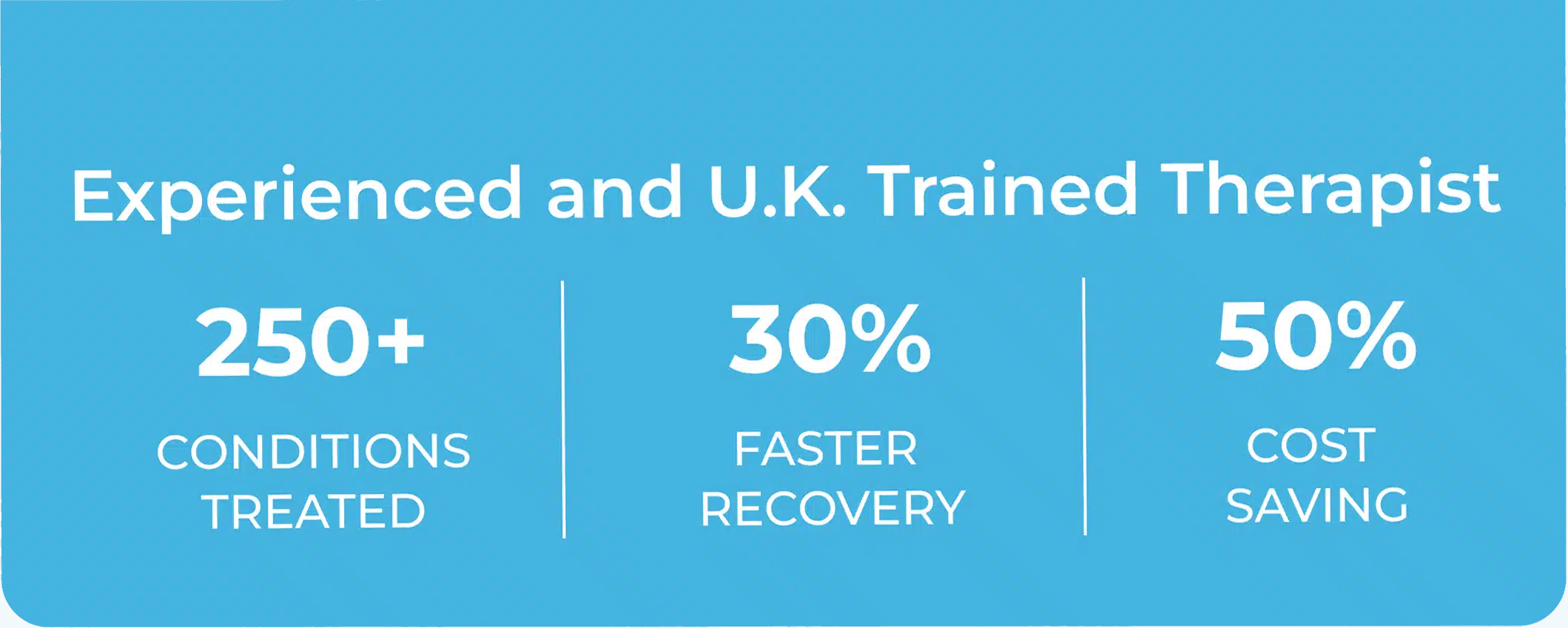

We are your doctor’s first choice and trusted by 50,000+ patients.
We are your doctor’s first choice and trusted by 50,000+ patients.
We are your doctor’s first choice and trusted by 50,000+ patients.


