Physiotherapy for Disc Bulge in the USA
What Is a Bulging Disc?
A bulging disc occurs when a spinal disc extends beyond its normal boundary, but the outer layer remains intact. This is different from a herniated disc, where the disc actually tears. A bulging disc may press on nearby nerves and cause pain or other symptoms.
In the lower back, disc bulges most commonly occur at:
- L3 L4 disc bulge
- L4 L5 disc bulge
- L5 S1 disc bulge
These levels handle the most load whenever you are sitting, bending, and lifting. Thus, they become susceptible.
What Causes a Disc Bulge?
Disc bulges occur over time. Mostly, due to repeated stress or faulty movement mechanisms.
Typical causes are:
- Long periods of sitting or sedentary work
- Poor posture and spinal alignment
- Improper lifting mechanisms
- Weak core and hip muscles
- Age-related disc degeneration
Understanding what caused the disc bulge helps make treatment more effective. When we address the root issue instead of just easing the pain, recovery tends to be more holistic and long-lasting.
Common Symptoms of a Bulging Disc
The symptoms vary depending on the disc level involved, but common symptoms include:
- Lower back pain
- Pain spreading into the hip, thigh, or leg
- Tingling or numbness
- Muscle weakness
- Pain that worsens with sitting or bending
Not all disc bulges lead to severe pain. But beginning physical therapy earlier can help make a better prognosis.
Why Physiotherapy for Disc Bulge Is the Best First-Line Treatment in the USA?
Clinical guidelines in the United States advise physical therapy before considering medical treatment (injections/surgery) in most disc bulge cases.
Physiotherapy helps by:
- Reducing nerve irritation naturally
- Improving spinal mobility and flexibility
- Strengthening core and stabilizing muscles
- Correcting posture and motion habits
- Preventing recurrence and chronic pain
This comprehensive approach makes physiotherapy a very safe, smooth, and sustainable option. All programs at Resolve360 are made by licensed physical therapists experienced in spine rehabilitation.
How Physical Therapy for Disc Bulge Works
Physiotherapy is a very structured process when it comes to treating disc bulge. It is divided into various phases, each having its distinct characteristic. Lumbar disc bulge physiotherapy focuses specifically on restoring strength, mobility, and control in the lower back, where most disc bulges occur.
Initial Assessment
Recovery begins with a detailed evaluation by a licensed physical therapist.
Posture, spinal alignment, range of motion, muscle strength, and pain patterns are evaluated. Nerve symptoms like tingling or radiating pain are recognized. Factors causing stress on the spine are also identified.
Each program is personalized because no two spines or lifestyles are the same.
Pain and Nerve Symptom Management
The first aim is to calm the ache and nerve irritation.
Gentle spinal movements are used to reduce pressure on the disc. Therapists identify positions that reduce symptoms and teach safe movement patterns. This phase improves comfort and makes the client more confident.
Strengthening and Stability Training
As pain reduces, the therapy shifts toward rebuilding support for the spine.
This phase forms the foundation of spinal disc bulge physical therapy, where strengthening the deep core and hip muscles helps reduce long-term stress on the injured disc.
Movement Re-Education
Healing is incomplete without correcting body movements.
Patients learn safe ways to sit, stand, bend, lift, and move. Poor movement habits, which overload the spine, are corrected.
Long Term Management
Patients receive a home program that helps with ongoing strength, posture awareness, and activity modification. The goal is long-term spinal health and confidence in movement.
Thus, non-surgical treatment for a bulging disc is a combination of precise assessment, symptom relief, strength rebuilding, and movement retraining. Successful physiotherapy allows individuals to return to daily life with better control, comfort, and confidence.
Physical therapy for a bulging disc: Real Case
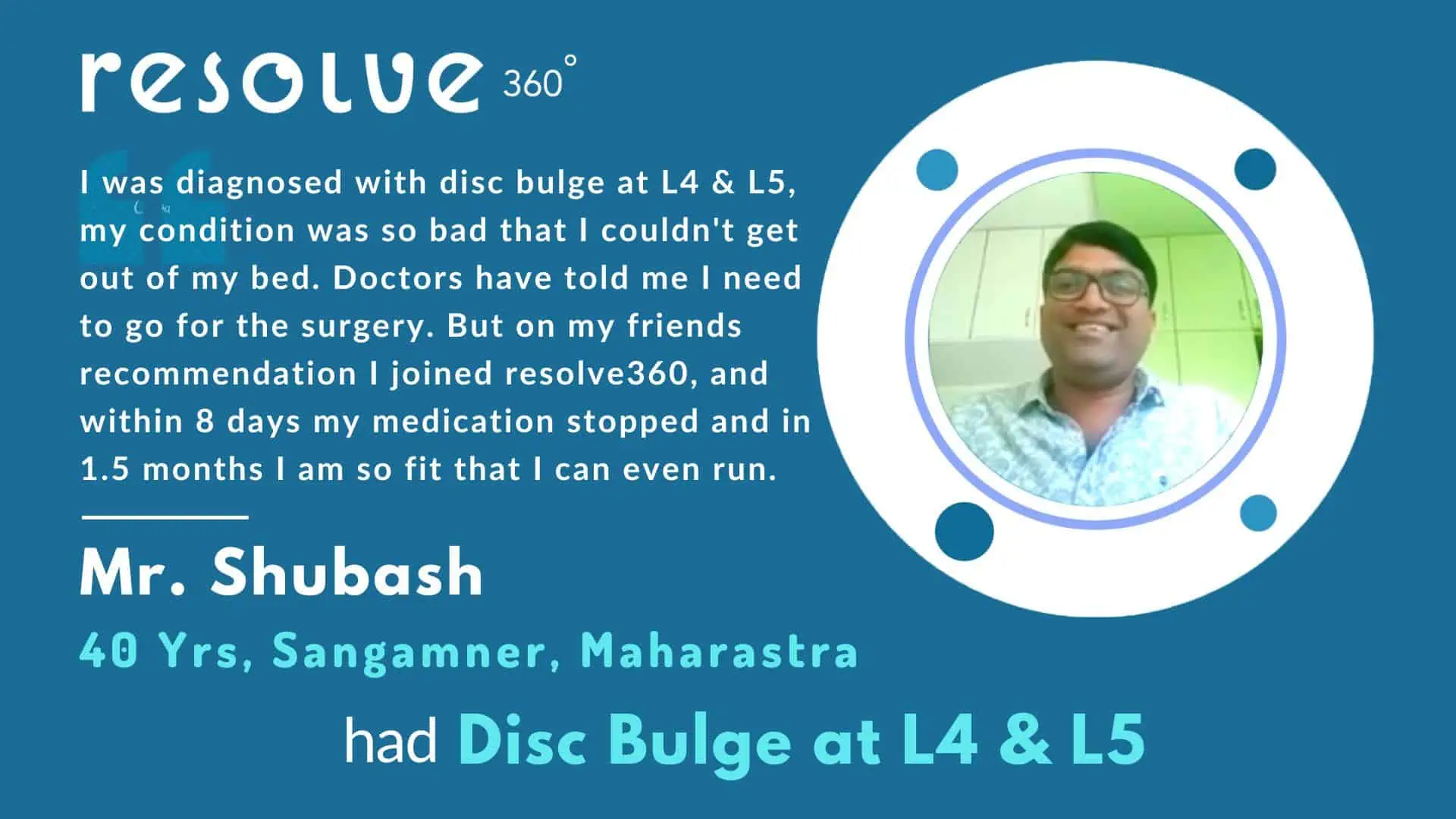
A 42-year-old office worker in Texas developed an L4 L5 disc bulge after years of desk work and long commutes. He had lower back pain with tingling down his right leg and could not sit for more than 20 minutes without discomfort.
He started Resolve360’s online physiotherapy program. A licensed physical therapist focused the treatment on pain relief positions, gentle mobility exercises, and posture correction for sitting.
By week four, his leg symptoms had reduced significantly. Strength training for his core and hips was added. He also learned better lifting and sitting mechanics.
At three months, he was working full days without leg pain and had returned to light gym workouts. By six months, he reported only occasional mild stiffness and continued his home exercise routine to prevent recurrence.
This type of recovery is common when patients follow a structured physiotherapy plan consistently.
Level-Specific Physiotherapy Approaches
Yes, all disc bulges entail the spine; the location of the bulge is critical in symptoms, motion restriction, and rehab planning. Physiotherapy for a disc bulge is best when it is made keeping in mind the specific spinal level involved.
L3 L4 Disc Bulge in the USA
Often causes localized back pain and sometimes front thigh discomfort. Therapy focuses on mid lumbar stability, posture correction, and restoring comfortable bending.
L4 L5 Disc Bulge in the USA
This is the most commonly affected level and often causes leg symptoms. Treatment emphasizes core stability, hip mobility, and nerve-related symptom control.
L5 S1 Disc Bulge in the USA
This level may affect the sciatic nerve and cause pain down the leg or into the foot. Therapy focuses on walking mechanics, pelvic stability, and reducing nerve sensitivity
How Long Does Disc Bulge Physiotherapy Take?
Recovery timelines differ from person to person. But, usually, the progress looks like this:
- Pain reduction within 2 to 4 weeks
- Strength and mobility improvements by 6 to 12 weeks
- Full functional recovery over 3 to 6 months
Regularity in exercises play a key role in recovery.
Resolve360 Online Physiotherapy: Evidence-Based Bulging Disc Treatment
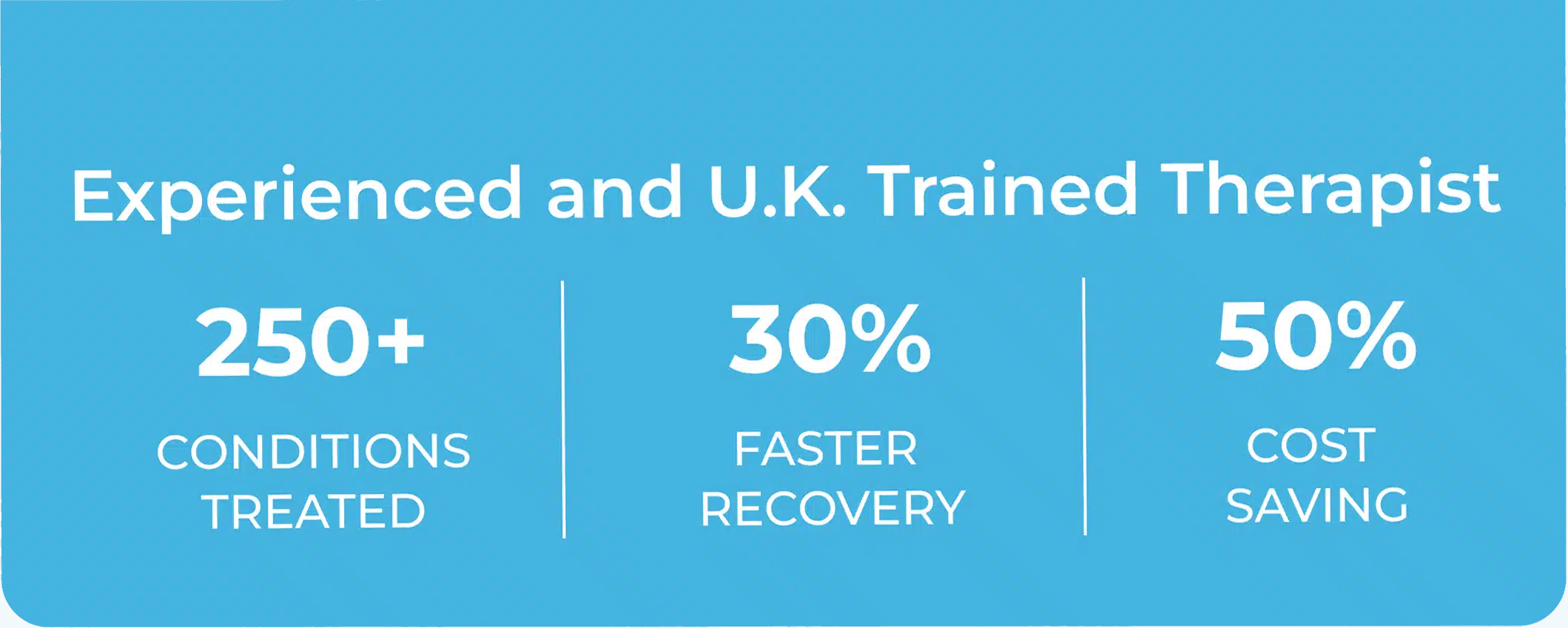
Resolve360 is an evidence-based online physiotherapy provider serving people across the United States. Their programs are designed around non-surgical treatment for bulging disc recovery, combining pain relief, strength rebuilding, and movement retraining into one structured plan.
We offer:
Personalized online physiotherapy programs
Care guided by licensed physical therapists
Structured plans for L3 L4, L4 L5, and L5 S1 disc bulges
Progress tracking, and clinical oversight
This model makes high-quality spine care accessible and convenient without compromising clinical standards.
How to Prevent a Disc Bulge
Who Should Consider Physiotherapy for a Disc Bulge
Clinical guidelines for low back pain in the United States recommend exercise-based therapy and conservative care as the first approach for most lumbar disc conditions. It helps reduce pressure on nerves, improve mobility, and support recovery without surgery.
You may benefit from physical therapy if you have:
- Back pain lasting more than a few weeks
• Pain spreading into the hip or leg
• Tingling or numbness in the leg or foot
• Trouble sitting, bending, or standing for long periods
• A scan showing a lumbar disc bulge
• Repeated episodes of lower back pain
• A desire to avoid injections or surgery
If these symptoms are restricting you in your daily life, physical therapy for a disc bulge can be a safe and effective first step. A licensed physical therapist can guide your recovery.
When Is Physiotherapy Not Enough?
Although a majority of disc bulge cases show improvement through physical therapy, there might be some instances where additional care may be needed. Consult a professional if there is:
- Progressive leg weakness
- Loss of bowel or bladder control
- Severe neurological symptoms
In such cases, physiotherapy still plays a role alongside medical evaluation.
Medical Disclaimer
This content is for educational purposes only and does not replace professional medical advice. Always consult a licensed healthcare provider before starting any physiotherapy program.
Conclusion
Physiotherapy for disc bulge in the USA offers a safe, effective, and evidence-based path to recovery. With personalized care, correct movement training, and tools like Resolve360, most people can return to normal life without surgery!
What Our Patients Say
Share:
Related Articles: