


Reviewed & Verified by
Dr. Apoorva
We are your doctor’s first choice and trusted by 50,000+ patients.
Do you often wake up with a stiff neck or find it hard to turn your head? This could be more than simple muscle tension — it may be Cervical Spondylosis, a common age-related condition that affects the neck joints and discs.
Cervical Spondylosis (also called neck arthritis or degenerative disc disease) happens when the spinal discs and joints in your neck wear down over time. These changes can lead to pain, stiffness, muscle spasms, and even nerve irritation that causes numbness or tingling in the arms.
The good news is — with the right physiotherapy for cervical spondylosis, you can reduce pain, restore movement, and prevent further degeneration.
Cervical Spondylosis is a degenerative condition of the neck spine. It occurs as the bones, discs, and joints slowly lose strength and flexibility due to aging, poor posture, or prolonged screen time.

Over time, the discs between the neck bones may dry out and shrink. Bone spurs (extra bony growths) can form, pressing on nearby nerves and causing neck pain, shoulder stiffness, or headaches. This is where physiotherapy for cervical spondylosis becomes important — helping manage pain and prevent further damage.
Key Facts:
With the right cervical spondylosis physiotherapy, patients can relieve pain, improve flexibility, and protect the neck from future stiffness. Neck pain physiotherapy also focuses on muscle balance and joint mobility — key for long-term recovery and prevention.
Several lifestyle and age-related factors contribute to this condition:
Over time, these changes reduce neck flexibility and may compress nearby nerves, leading to pain radiating into the shoulders, arms, or upper back.
Cervical Spondylosis symptoms can develop slowly but worsen over time if not treated. Watch out for:
If you experience these, don’t wait — early cervical spondylosis physiotherapy can prevent nerve compression and long-term joint damage.
Unlike painkillers or surgery, physiotherapy for cervical spondylosis targets the root cause — weak neck muscles, poor posture, and joint stiffness. A trained physiotherapist helps improve your neck’s mobility, strength, and alignment safely, without invasive procedures.
Key Benefits of Cervical Spondylosis Physiotherapy
Personalized physiotherapy treatment plans often combine:
With online physiotherapy sessions, expert cervical spondylosis physiotherapy is now accessible from home, making it easier to stay consistent and recover faster.
Recent studies and global physiotherapy guidelines have reshaped how this condition is managed.
A 2025 review in the Journal of Orthopaedic & Sports Physiotherapy found that patients who started physiotherapy within 3 months of symptoms had 70% faster recovery compared to those who delayed treatment.
A clinical trial (Physiotherapy Research International, 2025) confirmed that posture correction combined with neck-strengthening exercises reduces recurrence by over 60%.
A global tele-rehabilitation study (2024–2025) showed online physiotherapy for cervical spondylosis offers similar pain relief and function improvement as clinic-based sessions — especially with live guidance.
Soft-tissue release therapy before stretching was found to improve neck range of motion and reduce muscle tightness more effectively.
Regular ergonomic coaching — learning correct laptop and phone use — reduces recurrence and chronic strain, now an essential part of 2025 physiotherapy programs.
Just 10 minutes daily can help you maintain a pain-free neck.
This routine combines flexibility, strength, and relaxation — key pillars of cervical spondylosis physiotherapy.
Benefits: Strengthens deep neck muscles and corrects posture.
Cervical spondylosis physiotherapy can now be done comfortably from home through online sessions, with expert guidance every step of the way. The treatment is usually divided into three stages:

The first session focuses on understanding your neck health and habits:
Once the assessment is complete, the focus shifts to reducing pain and stiffness:
Gentle myofascial release techniques demonstrated online


After pain improves, the goal is to build strength and prevent future problems:
Every session is personalized and monitored online by a physiotherapist, ensuring safe, effective, and consistent care without leaving home.
Patient: Neha Sharma, 36, Bangalore
Condition: Chronic neck pain from long hours of laptop work
Neha had been struggling with persistent neck stiffness and headaches for over six months. She joined an online cervical spondylosis physiotherapy program that focused on posture correction, neck exercises, and ergonomic guidance.
Within 6 weeks, she experienced remarkable improvements:
I was surprised how effective the online sessions were. The therapist watched every movement, corrected my posture, and gave daily motivation — all from home! – Neha Sharma
This story shows how consistent online cervical spondylosis physiotherapy can help relieve pain, improve flexibility, and restore daily function without leaving home.
Also Read: Physiotherapy For Back Pain ; Physiotherapy For Knee Pain
Cervical spondylosis physiotherapy exercises help relieve neck pain, improve flexibility, and strengthen supporting muscles. Practicing them regularly prevents stiffness and supports better posture.
Chin tucks activate deep neck flexors and correct forward head posture, which is common in cervical spondylosis.
How to Perform:
Benefits:
Neck rotation keeps your cervical spine mobile and prevents stiffness from long hours of sitting.
How to Perform:
Benefits:
Scapular retraction strengthens upper back muscles that support the neck and shoulders, improving posture.
How to Perform:
Benefits:
This stretch targets the upper trapezius to reduce neck and shoulder tightness.
How to Perform:
Benefits:
Targets the levator scapulae muscle to ease shoulder and neck discomfort.
How to Perform:
Benefits:
These exercises build neck strength safely without excessive motion.
How to Perform:
Benefits:
Shoulder shrugs relax tight neck and shoulder muscles.
How to Perform:
Benefits:
Thoracic extension improves mobility in the upper back, reducing neck strain.
How to Perform:
Benefits:
This exercise strengthens deep neck muscles and aligns the cervical spine.
How to Perform:
Benefits:
Stress can increase neck tightness; deep breathing helps release it.
How to Perform:
Benefits:
Each exercise is part of the standard cervical spondylosis physiotherapy program at Resolve360, customized based on pain level and mobility.
Also Read: Physiotherapy For Joint Pain ; Physiotherapy For Disc Burge
Leading physiotherapy organizations worldwide now emphasize a multimodal approach to manage cervical spondylosis effectively. This combines exercises, posture correction, education, and guided therapy to reduce pain, improve mobility, and prevent further degeneration.
Key Recommendations:
These recommendations reflect 2025 clinical evidence and highlight that combining exercises, posture management, and ongoing guidance—either in-person or online—offers the best long-term outcomes for cervical spondylosis patients
Choosing the right physiotherapy program is essential for effective and lasting relief from cervical spondylosis. Resolve360 offers a comprehensive, evidence-based online physiotherapy program designed for patients worldwide.
It’s important to pay attention to warning signs that may indicate nerve involvement or a more serious issue. Contact your physiotherapist or doctor immediately if you experience:
Early intervention can prevent further complications and help you recover faster.
Don’t let neck pain hold you back from living your best life. With consistent physiotherapy for cervical spondylosis, you can:
Take the first step towards a pain-free neck. Book your online consultation today to receive a personalized posture plan, guided exercises, and one-on-one video sessions, all from the comfort of your home.
Yes, physiotherapy is one of the most effective and natural treatments for cervical spondylosis. It helps reduce neck pain, stiffness, and discomfort by improving posture, strengthening neck and shoulder muscles, and restoring flexibility. Regular guided physiotherapy sessions prevent nerve compression and long-term degeneration, promoting pain-free neck movement.
The best treatment combines physiotherapy, posture correction, ergonomic adjustments, and neck exercises. Early intervention through professional physiotherapy reduces pain, increases neck mobility, and prevents future degeneration — providing safe, non-surgical, and long-lasting relief.
The most effective exercises for cervical spondylosis include:
These gentle exercises reduce stiffness, relieve pain, and enhance posture when performed under physiotherapist guidance.
In children, treatment focuses on posture correction, light physiotherapy, and mobility exercises. Early physiotherapy ensures healthy neck development, reduces strain from poor posture, and prevents long-term spinal problems — all without relying on heavy medication.
Severe or worsening neck pain, numbness, tingling, weakness in the arms, headaches, dizziness, or loss of grip strength are serious symptoms. These may indicate nerve compression and require immediate evaluation by a physiotherapist or spine specialist.
Yes. Physical therapy improves neck strength, flexibility, and posture. It relieves pain, reduces stiffness, and helps prevent further spinal wear and tear. Regular sessions support long-term management and reduce dependence on painkillers or surgery.
A gentle therapeutic massage can relieve muscle tension and improve blood circulation. However, it’s most effective when combined with neck exercises and physiotherapy for cervical spondylosis. This integrated approach helps maintain flexibility and reduces chronic stiffness.
Most patients experience noticeable relief within 4–8 weeks of consistent physiotherapy. The recovery time depends on the severity of the condition, regularity of sessions, and adherence to home exercises and posture corrections.
Yes. Cervical spondylosis can cause tension headaches due to neck stiffness and nerve irritation. Targeted physiotherapy, stretching, and posture correction can significantly reduce headache frequency and improve overall neck comfort.
Absolutely. Online physiotherapy offers guided neck exercises, posture correction, and real-time feedback from experts. With professional supervision, patients can safely perform home-based exercises, relieve pain, and improve neck mobility effectively.

Dr. Apoorva Shrivastava is the founder & C.E.O. of Resolve360 and a physiotherapist with 17+ years of experience in physiotherapy and rehabilitation. She holds a Bachelor’s in Physiotherapy from Saveetha Medical College and a Master’s in Advancing Physiotherapy from Sheffield Hallam University, UK, specializing in Neuro Physiotherapy. She has supported 50,000+ patients globally and has led clinical teams across India. She is also the named inventor of Resolve360’s patented online physiotherapy clinical process methodology.
Posted on Google
 Indu G
Trustindex verifies that the original source of the review is Google.
I came across a Resolve360 ad and decided to give them a try for my knee pain. I contacted them, and their team got in touch with me and explained everything clearly. I had my online physiotherapy session with Dr. Sandeep, and I had a really good experience. He was patient, friendly, and took the time to understand my pain and daily routine before suggesting exercises. He explained each exercise properly and showed me how to do the movements correctly. I could also ask questions during the session, which made things much easier. I really liked the convenience of doing the sessions from home. I didn’t have to travel to a clinic, and the one-on-one sessions felt personal and comfortable. The follow-up sessions were also helpful and kept me motivated to stay consistent with the exercises. A special thanks to Dr. Sandeep for being so supportive and easy to talk to. He made the whole process feel simple and comfortable. Overall, I’m happy with my experience with Resolve360 and would recommend them to anyone looking for convenient online physiotherapy.Posted on Google Kashika SinghI am currently recovering from ACL reconstruction surgery, and choosing the Resolve360 video rehabilitation platform has been one of the best decisions for my recovery journey. When I joined the platform, I was not only recovering from surgery but was also suffering from severe back pain that significantly limited my mobility. Surprisingly, after just two sessions, I experienced noticeable relief in my back pain, which gave me the confidence to continue my rehabilitation. What I appreciate the most is that every exercise is carefully tailored to my specific condition, recovery stage, and individual needs. The structured rehabilitation plan has kept me consistent and motivated. Without this platform, I don't think I would have had such a well-organized approach to my recovery. A special thanks to Dr. Diksha for her exceptional expertise. She has an incredible ability to understand the root cause of pain and provide effective solutions, even through remote consultations. Beyond her clinical skills, she is incredibly empathetic, patient, and motivating. She genuinely listens, understands what you're going through, and encourages you throughout the recovery process, making even the most challenging phases feel manageable. Her guidance and positive attitude have been invaluable to my recovery. I would also like to appreciate my Care Manager, Ms. Aditi, for her outstanding support. She is extremely proactive and dedicated to ensuring everything runs smoothly. Whether it's reminding me to schedule my diet consultation or reassessment sessions, handling last-minute rescheduling, or assisting with payments, she manages every aspect effortlessly. She is always responsive and just a chat away whenever I need help. I highly recommend Resolve360 to anyone looking for a personalized, structured, and professionally managed rehabilitation program. The combination of expert physiotherapy and exceptional customer support has made my recovery journey much smoother and more reassuring.Posted on Google
 Sanjay AryaI had a constant neck pain and stiffness also nerve compression causing a lot of issue doing day to day work ,now discomfort is significantly improves. Highly recommend resolve 360 for their servicesPosted on Google
 Gaurav SethThe Only Solution That Found My Root Cause and Delivered Real Recovery For years, I was trapped in a frustrating cycle, suffering from debilitating back pain and a persistent knee injury. I had seen countless specialists—various physiotherapists and chiropractors—but none of them could provide lasting relief or truly get to the heart of my problems. I was ready to give up. Thankfully, Dr. Apoorva and Dr. Asish insisted I join Resolve 360 for a fresh start on my recovery journey, and it was the best decision I could have made. The true breakthrough came from Dr. David. His diagnostic skill is exceptional; during our dedicated one-on-one video call sessions, he was able to accurately find and address the root cause of both my back pain and knee instability. For the first time, I felt like I wasn't just treating symptoms, but actually correcting the underlying issues. The progress has been incredible. My initial back and knee pain are vastly improved, and Resolve 360 continues to help me, focusing now on making my muscles strong to ensure long-term stability and health. The one-on-one format is the key—it ensures I receive personalized attention, correct technique, and real-time adjustments tailored only to me. If you have tried multiple avenues without success, I highly recommend Resolve 360. Their expert team, especially Dr. David, Dr. Apoorva, and Dr. Asish, offers a level of insight and dedicated care that truly resolves problems. This service is a game-changer!Posted on Google
 Vishal KortalwarResolve360 to restart your road to recovery and fitness. Services are satisfactory, Doctors & Physiotherapists are very professional, competant, understands the problem and presents a customized recovery plan.Posted on Google
 mrigank guptaGood theray with experience physio. Overall awesome experiencePosted on Google
 Parveen JainI am suffering from heel pain for the last few years and the physiotherapy sessions provided by resolve360 have helped me a lot. The best thing about resolve360 is the flexibility they offer. I had sessions both early in the morning and evening depending upon my schedule. All the doctors on their panel are excellent and are always willing to go extra mile and give more than 100%. They do not prescribe any short cuts and focus on resolving the problem from the root cause instead of promising you any magic pill. I will recommend everyone to give it a try if they are facing any issues related to pain or mobility and is in need of physiotherapy.Posted on Google
 chandra deep SinghI was introduced to Resolve 360 by a close friend who have been your patients for some time now. I too am a Resolve patient for some time now for Back and Knee pain issues. I can confidently say that I am in safe n sure hands and my pain score has come down to 5 on a scale of 10 and that I may not have to go for TKR. I must mention that Dr. Mohit, Dr. Renuka and now Dr. Ankita are super powers for me by way of treatment and encouragement!! Great n effective sessions indeed.Posted on Google
 shailesh PatelI am Dr.Shailesh Patel (obstetrician and gynaecologist) from Maharashtra. I had rotator cuff muscle injury. I was not able to do my Surgeries and had severe pain during sleep also. I consulted many Ortho and Joint surgeons. I also tried physiotherapy treatment for 2 months in my local place. But no results. I stopped my regular surgeries and was very depressed, worried about my illness. I searched for online option. I came across Resolve 360. Right from my first consultation, assessment session whole team of doctors from Resolve 360 helped me very kindly and patiently. I started getting relief in my first week of physiotherapy sessions. Now after 10 weeks I am completely relieved from my pain. I started doing all my routine surgeries and also strength training. I am very satisfied and happy with whole team. I am very thankful to all team members of Resolve 360 for helping me to come out of my illness and rejoining my work which is my passion and only earning source for my family. Thank you all especially Dr.Ankita , I will be always greatful for your help.Posted on Google
 pratik bilgi
Trustindex verifies that the original source of the review is Google.
Effective way of taking physiotherapy at home at your own convenience
Also Read: Back Pain: Causes and Treatment
If you would like to know more about any of the health conditions, please fill up the form below and talk to Doctors on Resolve360 directly by asking a question.
We are your doctor’s first choice and trusted by 50,000+ patients.
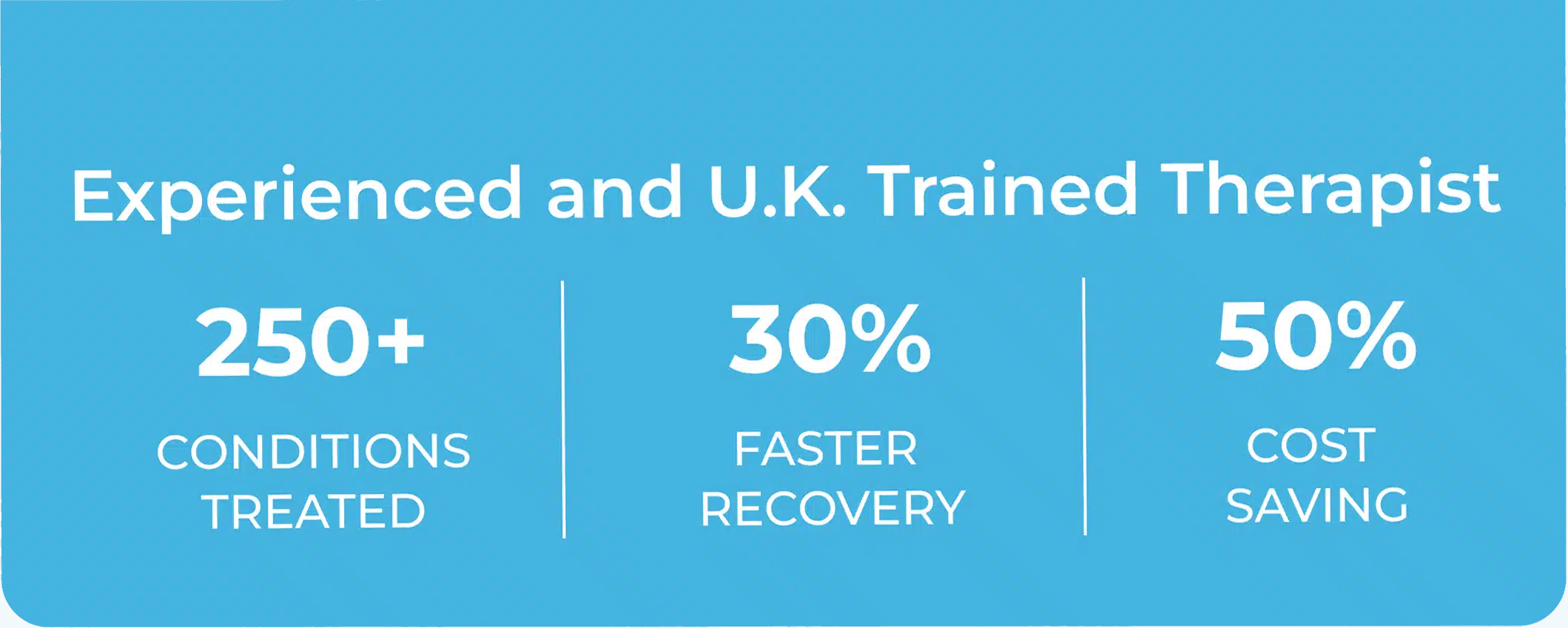

We are your doctor’s first choice and trusted by 50,000+ patients.
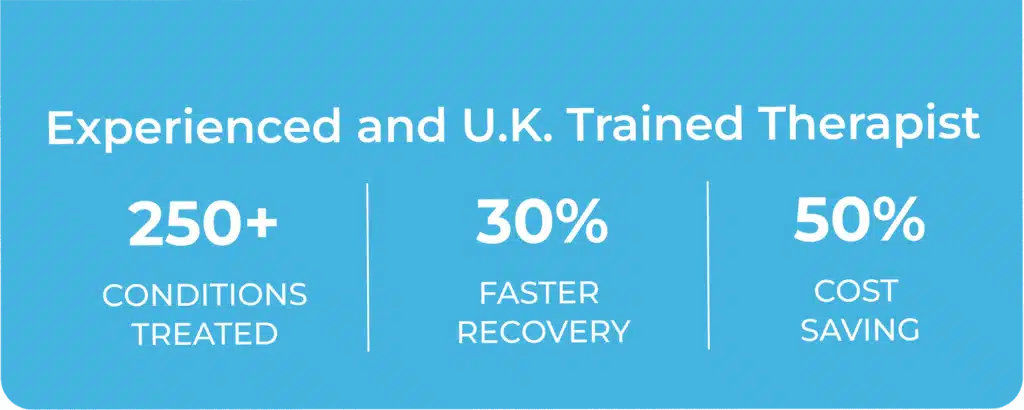
We are your doctor’s first choice and trusted by 50,000+ patients.

We are your doctor’s first choice and trusted by 50,000+ patients.


