


Reviewed & Verified by
Dr. Apoorva
If you’ve been waking up with a sore, stiff elbow that hurts when you lift a coffee cup, type on a keyboard, or shake someone’s hand — you already know how much tennis elbow interferes with daily life. The good news? Physical therapy for tennis elbow works. It doesn’t just mask the pain; it fixes the root cause: weak, overloaded tendons.
This guide covers everything you need to know — what PT actually does, which exercises work best, what a real recovery timeline looks like, and how you can access expert elbow pain physical therapy without leaving your home through Resolve360’s online and virtual physical therapy services.
Tennis elbow — clinically known as lateral epicondylitis — is the inflammation and micro-tearing of the tendons that attach your forearm muscles to the bony bump on the outside of your elbow (the lateral epicondyle). Despite its name, only about 5% of tennis elbow cases actually come from playing tennis.
In 2026, we see this condition most commonly in:
A lot of people make one big mistake with tennis elbow: they rest and wait for it to heal on its own. While rest reduces inflammation in the short term, it does nothing to strengthen the tendon or correct the movement patterns that caused the injury.
According to Stanford Health Care, rest is only the first step — most cases need active treatment to protect and fully heal the tendon. This is exactly what tennis elbow physiotherapy provides.
PT works on three levels simultaneously:
Whether you’re seeing a PT in-clinic or doing telehealth physical therapy through a platform like Resolve360, a structured session typically follows this framework:
In a virtual physical therapy session via Resolve360, your licensed DPT watches your form in real time via video, guides your home exercise program, adjusts your protocol weekly, and stays in touch between sessions — giving you the same clinical quality care from your living room.
Not all exercises are created equal for PT for tennis elbow. The current gold standard in 2026 is eccentric loading — a type of exercise where the muscle contracts while lengthening. This directly stimulates tendon healing at the cellular level.
Hold a light dumbbell (1–2 lbs) with your palm facing down, forearm resting on your thigh or a table. Use your opposite hand to help curl the wrist up, then slowly lower it back down using only the injured hand. The slow lowering phase is where the healing happens. Do 3 sets of 15 reps, once daily.
Using a flexible rubber bar (like a Theraband FlexBar), grip it with both hands. Twist the bar inward with your uninjured hand, then slowly let your injured wrist unwind it. This exercise has been studied in clinical trials and shown to reduce pain significantly in athletes with tennis elbow.
Place your forearm on a table, palm down. Press the back of your hand upward against your other hand’s resistance, holding for 30–45 seconds. Isometrics are excellent in the early stages when any movement is painful — they reduce pain quickly without overloading the tendon.
Hold a light hammer or dumbbell vertically. Slowly rotate your forearm so the palm faces up, then slowly back to face down. This directly trains the muscles most involved in lateral epicondylitis. 3 sets of 15 in each direction.
Extend your arm to the side at shoulder height, palm down. Tilt your head toward the opposite shoulder while gently bending your wrist downward. Hold 3 seconds, release. This technique — often missed by basic home programs — reduces neural tension that contributes to tennis elbow pain.
Squeeze a soft rehabilitation ball or tennis ball slowly for 5 seconds, then release. Repeat 10–15 times. Progress to a firmer ball as your grip strength improves.
| Modality | What It Does | Evidence Level |
|---|---|---|
| Eccentric Exercise | Stimulates tendon collagen remodeling and healing | ★★★★★ High |
| Dry Needling | Releases trigger points, improves blood flow to tendons | ★★★★ Moderate-High |
| Ultrasound Therapy | Promotes tissue healing and reduces inflammation | ★★★ Moderate |
| TENS / NMES | Pain modulation and muscle re-education | ★★★ Moderate |
| Manual / Soft Tissue Therapy | Reduces myofascial tension, improves elbow mobility | ★★★★ Moderate-High |
| Bracing / Counterforce Strap | Offloads tendon during activity | ★★★ Moderate (short-term) |
Mark had been dealing with right elbow pain for eight months before he reached out to Resolve360 for online physical therapy. He had tried rest, ibuprofen, and a generic YouTube exercise routine — nothing worked. His grip was so weak he couldn't hold his coffee mug without pain.
After a full telehealth assessment, his Resolve360 therapist identified that his issue wasn't just the tendon — he had a nerve tension component (radial nerve involvement) and severely weak shoulder muscles that were compensating and loading his forearm. His program was adjusted to address all three areas.
Week 4: 60% pain reduction. Week 8: Back to full workday without symptoms. Week 12: Returned to recreational tennis with no pain.
"I was skeptical about virtual PT — I thought I needed to be physically present. But Resolve360 was just as thorough as any clinic I'd visited, and so much more convenient." — Mark T.
This is one of the most common questions, and the honest answer is: it depends. Here’s a realistic timeline based on severity:
| Severity | PT Duration | Expected Outcome |
|---|---|---|
| Mild (early-stage, <3 months) | 4–6 weeks | Full return to activity |
| Moderate (3–6 months of symptoms) | 8–12 weeks | Full recovery with home program maintenance |
| Severe (chronic, >6 months) | 12–24 weeks | Significant improvement; surgery rarely needed |
The single biggest factor in recovery speed is how early you start PT. People who begin elbow pain physical therapy within the first 4–6 weeks of symptom onset recover 2–3x faster than those who wait months hoping it will go away on its own.
A growing body of research in 2025–2026 confirms that telehealth physical therapy produces outcomes comparable to in-clinic PT for musculoskeletal conditions like tennis elbow. A 2024 study in the Journal of Telemedicine and Telecare found no significant difference in functional outcomes between in-person and virtual PT for upper extremity tendinopathies.
Why does virtual PT work so well for tennis elbow specifically? Because the core of treatment is exercise-based. Your Resolve360 physical therapist can:
For Americans in rural areas, those with busy schedules, or anyone who simply prefers the convenience of home-based care — Resolve360’s online physical therapy platform is a clinically sound, cost-effective alternative to traditional clinic visits.
People often confuse these two conditions. Here’s a quick breakdown:
Both conditions respond excellently to physiotherapy. However, the specific exercises and approach differ significantly — which is why a proper assessment from a licensed PT is so valuable before starting any exercise program.
Before your first session with a physical therapist, here’s what you can safely do to manage pain and protect the tendon:
These measures will help, but they are not a substitute for a structured PT program. The sooner you start formal physical therapy, the faster and more complete your recovery will be.
In most cases, you can go directly to a physical therapist without needing a physician referral first (direct access PT is available in all 50 U.S. states as of 2026). However, see a doctor first if you experience:
If surgery is ever recommended, PT is still a critical part of post-operative rehabilitation for tennis elbow — and virtual physical therapy can make that recovery phase much more manageable.
Sarah came to Resolve360 after 5 months of right elbow pain that had developed from daily patient care activities. She couldn't afford to take time off work, and driving to a clinic three times a week wasn't realistic with her rotating shift schedule.
Through Resolve360's virtual physical therapy platform, she completed sessions during her lunch breaks and days off. Her therapist designed a program around her work schedule and specific hand/arm demands. The treatment included isometrics for early pain control, progressive eccentric loading, and postural corrections for the way she positioned her arm during patient transfers.
Result: Sarah was symptom-free in 10 weeks and completed her entire program without missing a shift.
"Resolve360 saved my career. I could not have done this without the flexibility of online PT." — Sarah M.
One of the biggest advantages of working with a physical therapist — whether in-clinic or through telehealth physical therapy — is that they teach you how to prevent recurrence. Tennis elbow has a high relapse rate when people return to activity without correcting the underlying issues.
Your PT will help you with:
There are hundreds of physical therapy options out there — clinics, YouTube videos, generic apps. So why are thousands of Americans choosing Resolve360 for their tennis elbow recovery in 2026? Here’s the honest answer:
Every Resolve360 session is led by a licensed Doctor of Physical Therapy. You get real clinical expertise, not cookie-cutter AI recommendations or generic exercise lists.
No commute, no waiting room, no scheduling conflicts. Whether you're in New York, rural Texas, or anywhere in between — your PT is just a click away through our telehealth platform.
Your recovery plan is built specifically for your injury severity, lifestyle, job demands, and fitness level. A nurse's program looks different from a programmer's — and it should.
Early morning, lunch break, or evening — book sessions when it suits your schedule. Resolve360's online physical therapy fits around your life, not the other way around.
Your therapist tracks your pain levels, grip strength, and functional milestones every session. You always know exactly where you are in your recovery and what comes next.
Virtual PT typically costs significantly less than in-person visits, with no co-pays for parking, gas, or time off work. Many insurance plans cover telehealth PT — Resolve360 helps you verify your benefits upfront.
Also Read: Top 10 Best Online Physical Therapy Services in the USA ; physical therapy for herniated disc
| Feature | Traditional PT Clinic | Resolve360 (Online PT) |
|---|---|---|
| Licensed Therapist | ✅ Yes | ✅ Yes (DPT) |
| Travel Required | ✅ Yes — often 20–45 min each way | ❌ No — 100% from home |
| Flexible Hours | Limited clinic hours | ✅ Early AM to late PM |
| Personalized Program | Sometimes (varies by clinic) | ✅ Always — every patient |
| Workstation/Home Assessment | ❌ Not possible | ✅ Yes — via live video |
| Cost | Higher (facility fees + copays) | Lower — no facility overhead |
| Insurance Coverage (2026) | ✅ Most plans | ✅ Most major U.S. plans |
| Start Date | Often 1–3 weeks wait | ✅ Often same week |
Tennis elbow is one of those injuries that is easy to ignore at first but becomes increasingly debilitating the longer it goes untreated. The research is clear: physical therapy for tennis elbow works. It reduces pain, restores strength, and dramatically lowers the risk of recurrence — especially when it addresses the full picture of the injury, not just the elbow in isolation.
In 2026, you don’t have to choose between quality care and convenience. Through Resolve360’s online physical therapy and virtual physical therapy services, you can work with a licensed PT specializing in elbow pain physical therapy from anywhere in the United States — on your schedule, in your own home.
Whether you’ve been dealing with elbow pain for two weeks or two years, the best time to start is now.
Get a free consultation with a licensed physical therapist at Resolve360 — available within 15 minutes of booking, 7 days a week, across all conditions.
Book Free Consultation at Resolve360 →Yes, in the vast majority of cases (over 85–90%), tennis elbow resolves completely with a well-structured physical therapy program and does not require surgery or steroid injections. Consistency with your home exercise program is the most important factor.
Most people need between 6–20 sessions depending on severity. Mild cases may need as few as 6–8 sessions, while chronic cases may need 12–20. Your physical therapist will reassess every 4 sessions and adjust as needed.
In 2026, many major U.S. insurers including Medicare, Medicaid, and most private plans cover telehealth PT sessions for musculoskeletal conditions. Coverage varies by plan, so check with your provider. Resolve360 can assist with insurance verification.
No — complete rest is actually counterproductive for tendons. You should modify activities to reduce pain, but some level of controlled loading is essential for healing. Your physical therapist will guide you on exactly which activities to continue, modify, or temporarily avoid.
For tennis elbow specifically, the evidence shows similar outcomes for both. In-person PT allows hands-on manual therapy and certain modalities (ultrasound, dry needling) that can’t be done virtually. Virtual PT via platforms like Resolve360 offers superior convenience, lower cost, and the ability to assess you in your actual home and work environment — which is often more clinically relevant for tennis elbow.
Corticosteroid injections can provide short-term pain relief (2–4 weeks), but research now consistently shows they do not improve long-term outcomes and may actually slow tendon healing when used repeatedly. Physical therapy has superior long-term results and is the recommended first-line treatment by most orthopedic guidelines in 2026.
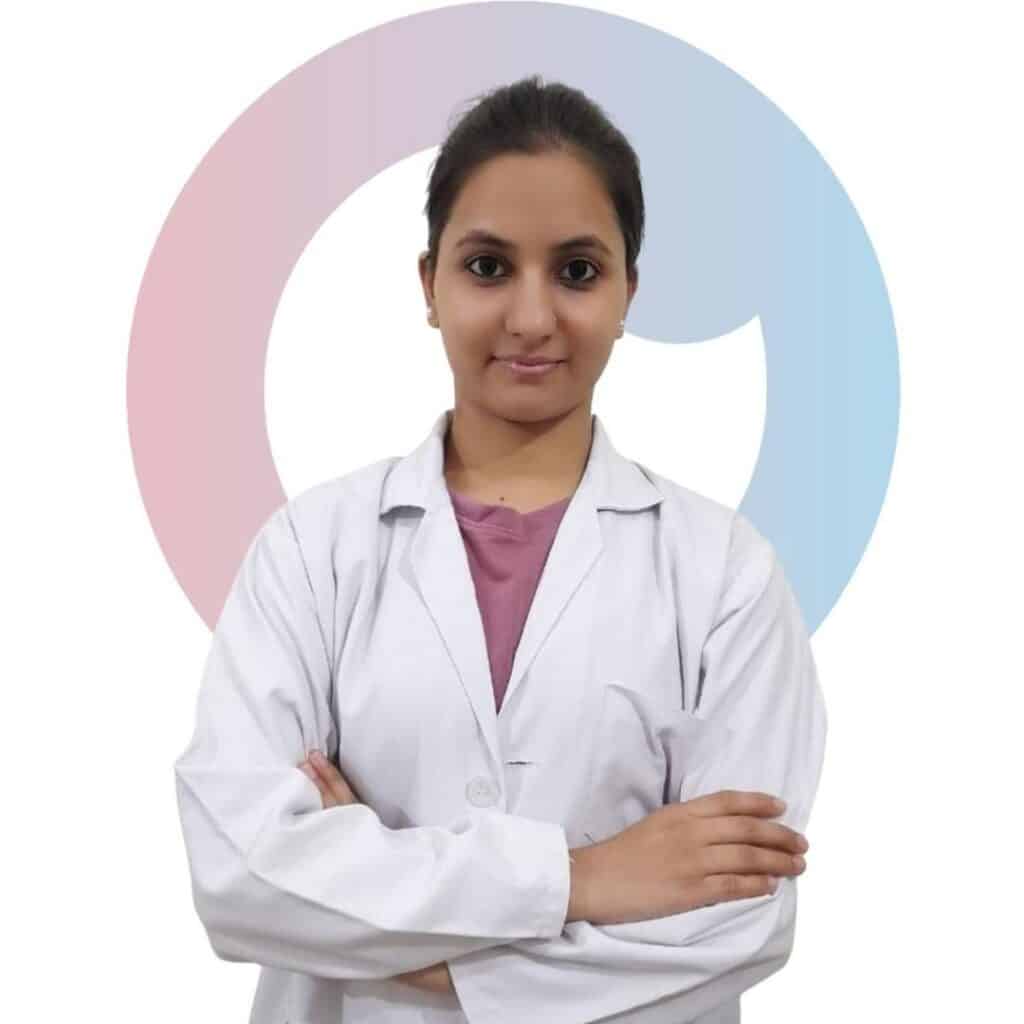
Dr. Nidhi Kumari
She has persuaded her bachelor’s from SGT University, Gurugram, she has done her internship at Dr. Ram Manohar Lohia Hospital, and persuade her Master in Physiotherapy from Chaudhary Charan Singh University, Meerut. She has previously worked with Orthocure clinic, Dr.Nasir physiotherapy rehabilitation, Quantum physiotherapy, and wellness center.
If you have more questions.
Dr. Nidhi
She has persuaded her bachelor’s from SGT University, Gurugram, she has done her internship at Dr. Ram Manohar Lohia Hospital, and persuade her Master in Physiotherapy from Chaudhary Charan Singh University, Meerut. She has previously worked with Orthocure clinic, Dr.Nasir physiotherapy rehabilitation, Quantum physiotherapy, and wellness center.
If you have more questions.
If you would like to know more about any of the health conditions, please fill up the form below and talk to Doctors on Resolve360 directly by asking a question.
We are your doctor’s first choice and trusted by 50,000+ patients.
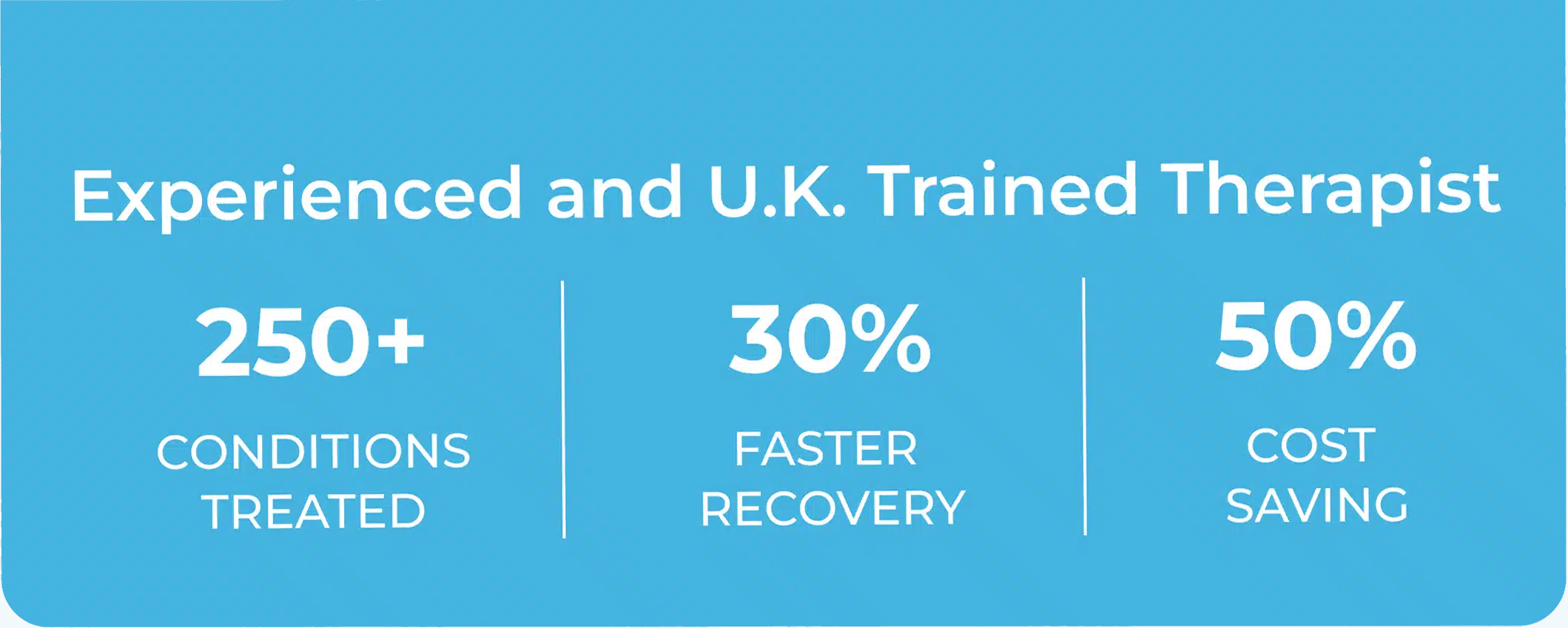

We are your doctor’s first choice and trusted by 50,000+ patients.
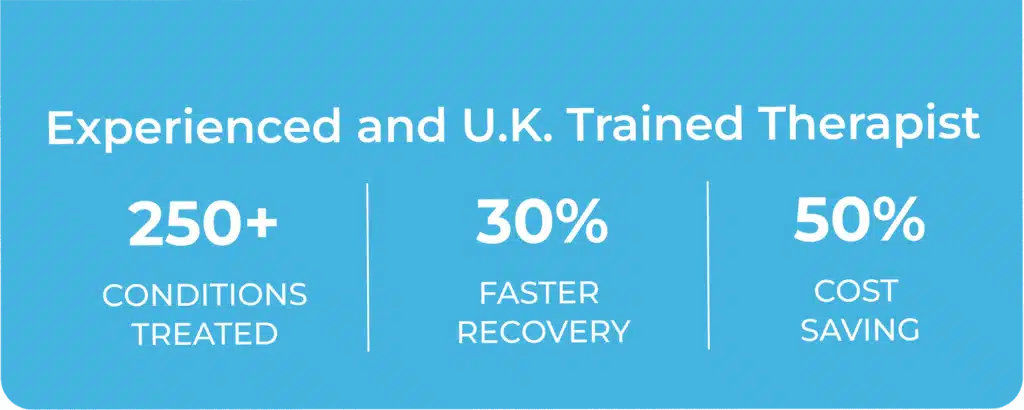
We are your doctor’s first choice and trusted by 50,000+ patients.
We are your doctor’s first choice and trusted by 50,000+ patients.
