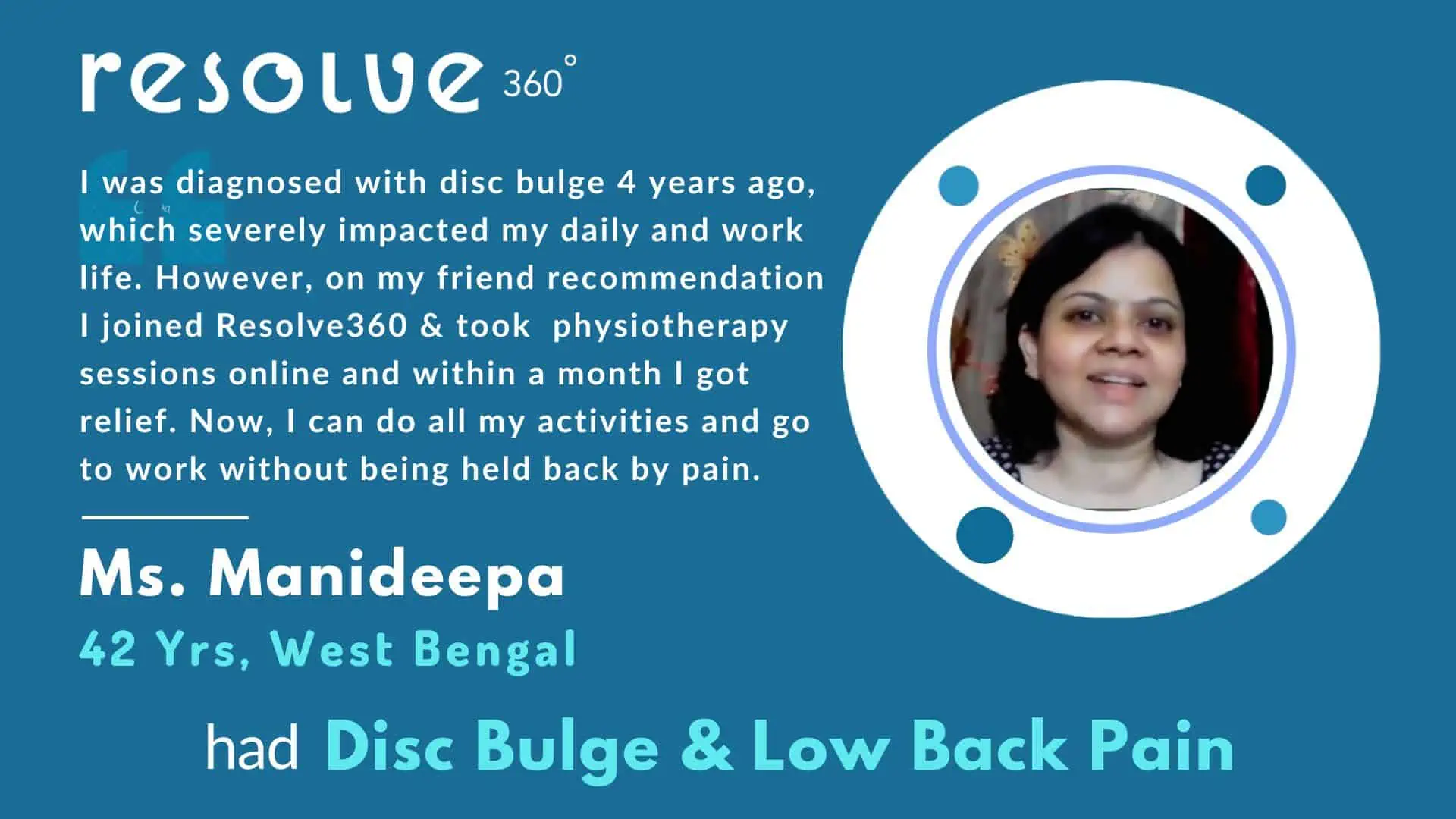
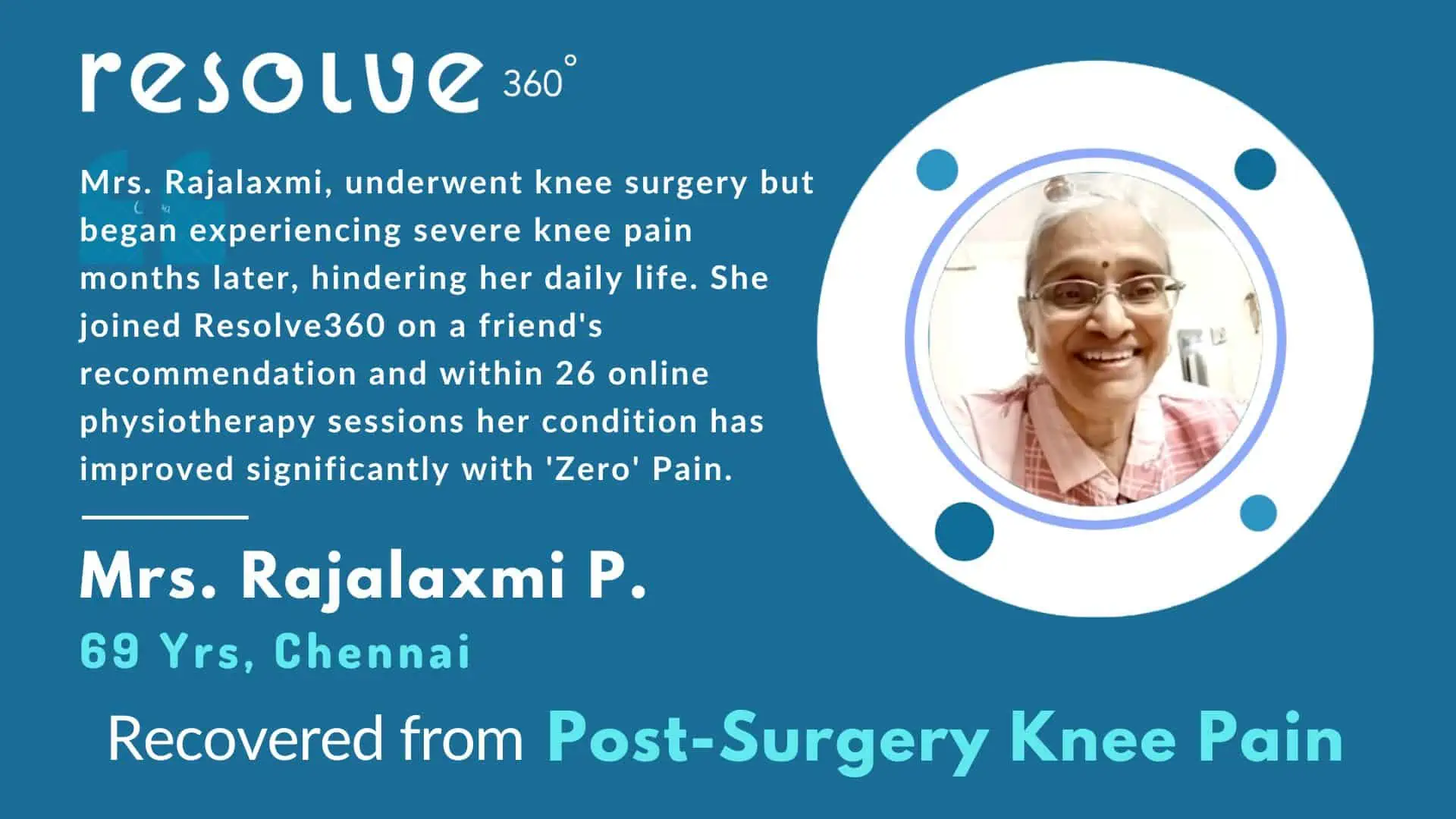
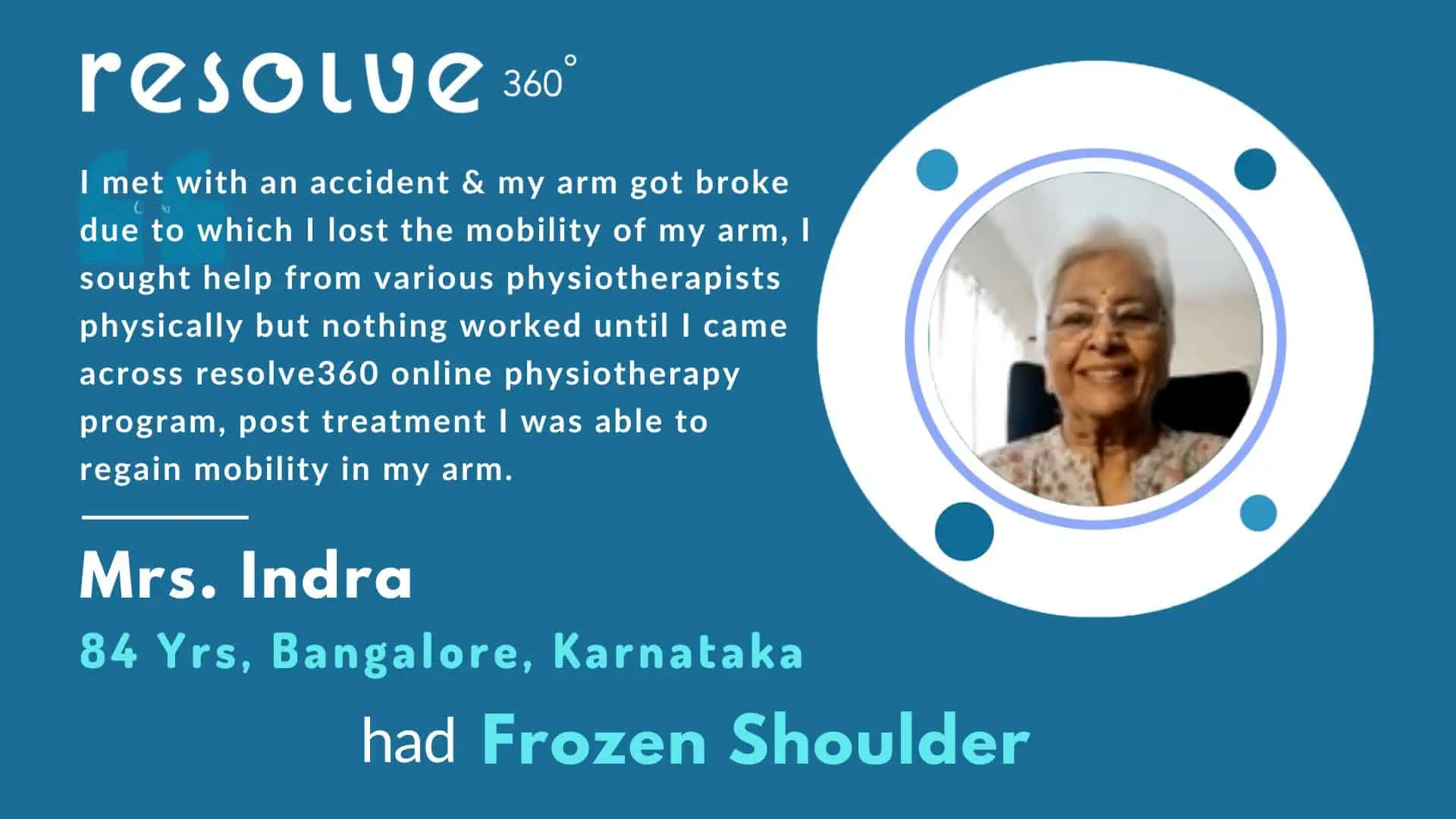
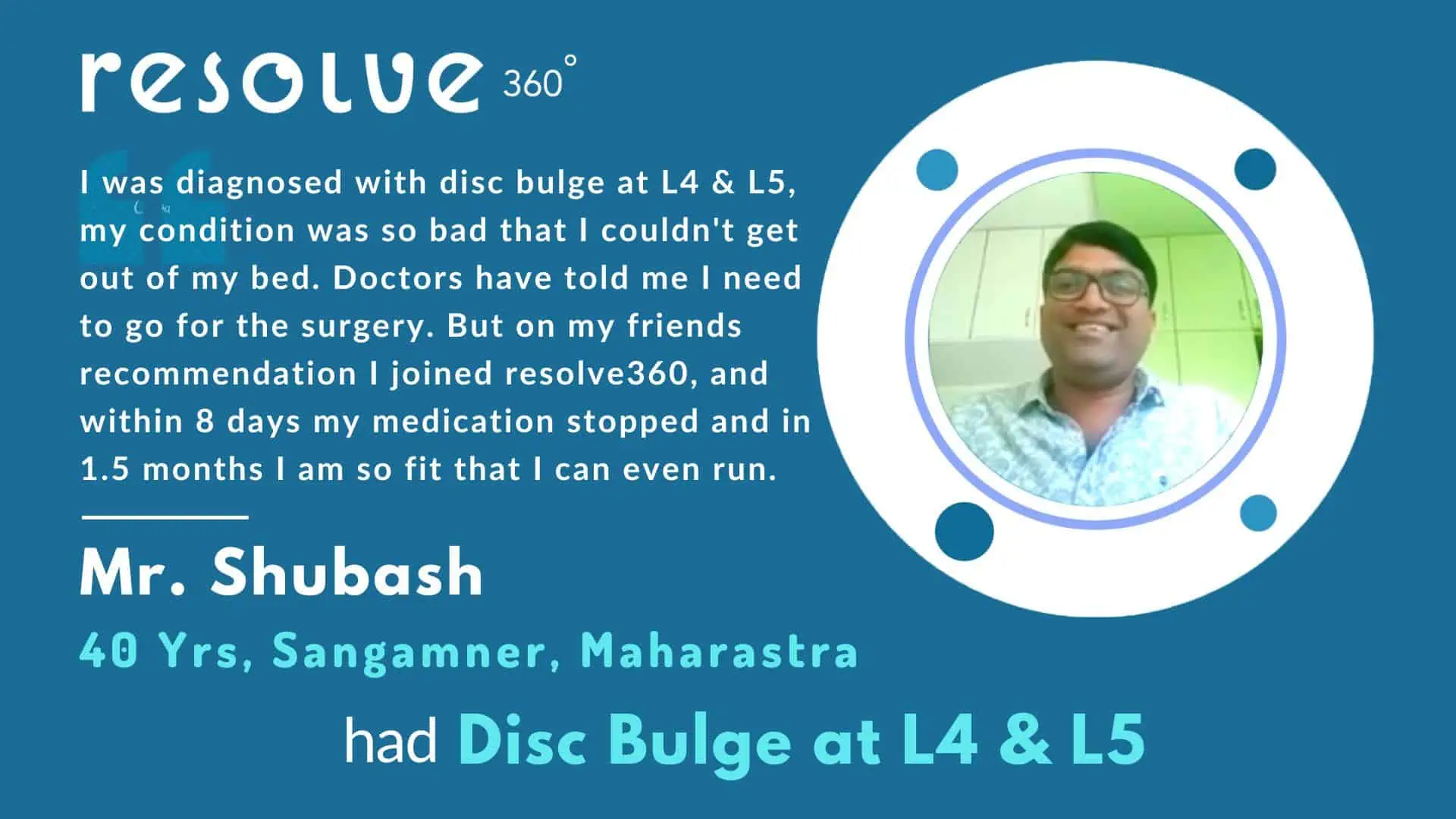
Physical therapy after ACL surgery starts within 1–2 days and continues for 9–12 months. It follows 5 phases — graft protection, restoring motion, strength building, progressive loading, and return to sport. Most patients need 2–3 sessions per week for the first 3–6 months. Skipping PT is the #1 cause of ACL re-injury. Resolve 360 provides certified, expert-guided online ACL rehabilitation — live, 1-on-1, fully from home. First session is free.
The anterior cruciate ligament runs diagonally through the center of your knee, connecting the thighbone to the shinbone. When it tears — usually during a sudden pivot, hard landing, or direct impact — it cannot heal on its own. Surgery replaces the torn ligament with a graft. Your physical therapy after ACL surgery is specifically designed around what type of graft was used, and the biology of how that graft heals inside your knee.
| Graft Type | Source | Key Strength | PT Consideration |
|---|---|---|---|
| Patellar Tendon (BTB) | Your kneecap tendon | Strong — gold standard for athletes | Anterior knee pain early; patellar mobilization critical |
| Hamstring Tendon | Your hamstring | Less donor site pain, smaller incision | Hamstring isolated strengthening delayed to week 6 |
| Allograft (Cadaver) | Donor tissue | No donor site pain at all | Slightly slower graft integration; higher re-tear risk in young athletes |
Beginning movement within the first week after ACL surgery significantly reduces two serious complications: arthrofibrosis (excessive scar tissue that limits motion permanently) and arthrogenic muscle inhibition (the quad essentially "shuts off" after surgery due to pain and swelling). Early, guided movement fights both problems from day one.
Here’s what most people don’t hear clearly enough: the surgery is the easy part. Physical therapy is where the actual recovery happens. Surgery repairs the structural damage — PT restores everything else. And “everything else” is what protects your knee in real life.
A landmark study published in the American Journal of Sports Medicine found that athletes returning to sport before completing at least 9 months of proper rehabilitation had a 4x higher re-injury rate compared to those who completed full rehab. Physical therapy for ACL tear after surgery accomplishes six things that surgery simply cannot:
Resolve 360 offers live, expert-guided online physical therapy for ACL recovery — from your living room. No commute. Certified physios. Free first session.
Proper physical therapy follows a criterion-based approach — you advance to the next phase when your body meets specific milestones, not just when enough time has passed.
Protect the graft, control swelling, activate quads, and begin gentle range of motion.
Restore full extension, improve flexion, begin cycling and normalize walking.
Closed-chain exercises, balance work, progressive strengthening.
Begin running intervals, agility drills, and controlled plyometrics.
Sport-specific drills, hop tests, strength symmetry testing.
The most detailed breakdown of the ACL surgery recovery timeline — what your body is doing, what exercises you’ll be doing, and what milestones you need to hit at each stage.
PT starts before you leave the hospital. The quad essentially turns off after surgery due to arthrogenic muscle inhibition — pain and swelling send signals that suppress the muscle's ability to contract. Getting the quad firing again within the first 24–48 hours dramatically improves long-term recovery. You'll ice frequently, keep the leg elevated, and do gentle exercises from bed or a chair.
Formal outpatient PT begins. Full knee extension is the critical priority — patients who don’t achieve 0° extension by week 3 can develop a permanent bent-knee gait that causes long-term knee and hip problems. Flexion builds to 90°. Stationary cycling with zero resistance starts for low-impact range of motion. Crutch use reduces as weight-bearing confidence improves.
Most patients walk without crutches between weeks 4–6. Strength training with closed-chain exercises begins. Hip strength gets focused attention — weak hip abductors allow the knee to collapse inward (valgus) under load, which directly stresses the ACL graft and is a major re-injury risk factor. Swelling should be minimal — persistent swelling signals you're progressing too fast.
One of the most emotionally important milestones: your first jog. But it’s carefully structured — walk 2 min, jog 1 min, repeat — with your therapist monitoring gait symmetry, limb loading, and landing mechanics in real time. The goal is perfect mechanics at slow speed before building pace. Single-leg strength work escalates significantly. Box jumps and bilateral plyometrics begin.
The final phase of the ACL recovery timeline. A full battery of objective tests is run: triple single-leg hop, timed 6-meter hop, crossover hop, side-hop. Bilateral symmetry must reach 90%+. Psychological readiness — fear of re-injury — is clinically measured and addressed. Surgeon sign-off follows successful testing. Most athletes are cleared for full competitive return between 9–12 months.
Also Read: Physiotherapy For Back Pain ; Physiotherapy For Knee Pain
Tap each stage to see the key exercises, what they target, and why they’re prescribed at that point in your recovery.
Tighten your thigh while leg is flat, hold 6 sec. Fights quad shutdown that happens immediately after surgery without any knee loading.
Lift the straight leg to 45° from lying. Builds quad strength safely in the first week without bending the knee.
Slide heel toward body while lying flat. Primary exercise for restoring knee flexion range in the first two weeks.
Flex and point foot repeatedly. Drives blood flow from calf back toward the heart, reducing post-surgical swelling.
Gently move kneecap up, down and sideways daily. Prevents scar tissue locking and long-term stiffness complications.
With resistance band behind knee, extend from slight bend to full straightening. Restores final degrees of extension.
Closed-chain movement with both feet on plate. Loads quad and glute safely.
Step onto 4–8" box slowly. Builds quad control for stairs and hills.
Standing on unstable surface rebuilds proprioception and joint awareness.
Strengthens hip abductors to prevent valgus knee collapse.
Rebuilds hamstring and posterior chain strength.
Challenges hip, knee and ankle together in dynamic pattern.
Gold standard strength test for quad/glute symmetry before sport clearance.
Jump and land with knees tracking over toes. Builds plyometric power.
Structured walk/jog intervals building toward continuous running.
Sharp direction changes building to full-speed sport mechanics.
Triple hop, 6m timed hop, crossover hop. 90%+ symmetry required.
Unpredictable direction changes triggered by visual or audio cues.
Resolve 360's certified physiotherapists build your custom plan, watch your form live on video every session, and adjust weekly by week as you progress. First session free.
Also Read: Physiotherapy For Joint Pain ; Physiotherapy For Disc Burge
These are the exact patterns physical therapists see repeatedly — and the main reasons patients end up with slower recoveries, worse outcomes, or a second surgery.
Feeling 90% doesn’t mean you're 90% recovered. Research shows athletes returning before 9 months and without passing objective tests have a 4× higher re-tear rate. Emotions and enthusiasm are not clearance criteria — limb symmetry index scores and hop tests are.
Fear of pain causes many patients to rest completely — but immobility leads to arthrofibrosis (scar tissue that permanently restricts motion) and accelerated quad atrophy. Controlled, guided movement from day one prevents these complications.
Pain disappearing at months 3–4 is not a signal that recovery is complete. The graft is weakest at 6–12 weeks and doesn’t reach near-normal strength until 9–12 months. The most critical neuromuscular and sport-prep work happens in months 6–12.
PT sessions are 2–3× per week. The other 4–5 days determine progress. Patients who skip home exercises plateau and show it in strength testing. The home program is not supplemental — it’s the majority of your recovery.
Most people focus only on the quad. Weak hip abductors and external rotators allow the knee to collapse inward (valgus), placing enormous stress on the ACL graft and becoming a primary re-injury mechanism.
Your body is rebuilding ligament and regenerating muscle simultaneously. Research suggests 1.6–2.0g of protein per kg bodyweight daily for post-surgical recovery. Chronic calorie deficits slow tissue healing.
Fear of re-injury (kinesiophobia) is a clinically recognized barrier to full ACL recovery. Patients with high fear scores often show lower functional performance — even when physical measures are normal.
With 350,000+ ACL surgeries performed in the USA every year, access to high-quality, consistent PT is a serious problem. Clinic slots fill quickly. Commuting 2–3x per week on a healing knee is painful. And for patients outside major metros, specialist sports PT simply isn’t available nearby.
This is why virtual physical therapy for ACL recovery has grown significantly — and why research consistently supports it as equally effective as in-person PT when delivered by qualified therapists with live guidance and personalized programs.
A 2021 study published in PMC specifically recommended telehealth rehabilitation for ACL recovery, noting that patients receive only about 10% of their prescribed PT between months 4–12 — the critical sport-prep phase. Virtual PT directly solves this access gap, and outcome data shows comparable results to in-person care for exercise-based rehabilitation.
The core value of physical therapy — real-time expert supervision, exercise correction, progressive programming, and regular clinical assessment — is fully deliverable through live video. Many patients find online PT produces higher attendance (zero commute barrier), more dedicated 1-on-1 time per session, and better home exercise adherence because the therapist can verify form in the patient’s actual home environment.
Resolve 360 is a 100% virtual physical therapy and rehabilitation platform. No physical clinic locations anywhere. Every session happens live, 1-on-1 via video call through the Resolve 360 app (iOS and Android). Here is what makes it fundamentally different from watching exercise videos on YouTube:
Getting expert online PT is easier than scheduling a clinic appointment. Here is how the whole process works.
Visit resolve360.app or download the app on iOS or Android. Book your first consultation in under 2 minutes — no paperwork, no waiting room.
Your certified physiotherapist conducts a detailed assessment over live video — evaluating range of motion, muscle strength, surgical history, graft type, and your recovery goals.
A phased, milestone-based ACL rehab program built specifically for you — delivered through the app with exercise library, progress tracking, and weekly session notes.
Attend live sessions 2–3× per week, complete your daily home program, hit your milestones phase by phase, and receive data-backed clearance when your knee is genuinely ready.
Both approaches work — but one is built for how people actually live after ACL surgery in 2025.
The conventional rehab approach
Expert care, zero barriers
No hidden fees. No commitment needed to start. Just certified, expert ACL physical therapy from your home.
to start — your first session costs nothing
Answers to the most common questions from patients preparing for or recovering from total knee replacement surgery.
Join 50,000+ patients who trusted Resolve 360 for expert online rehabilitation. Personalized plans, live sessions, certified physios — and your first session is completely free.
Book My Free Consultation at Resolve 360 →
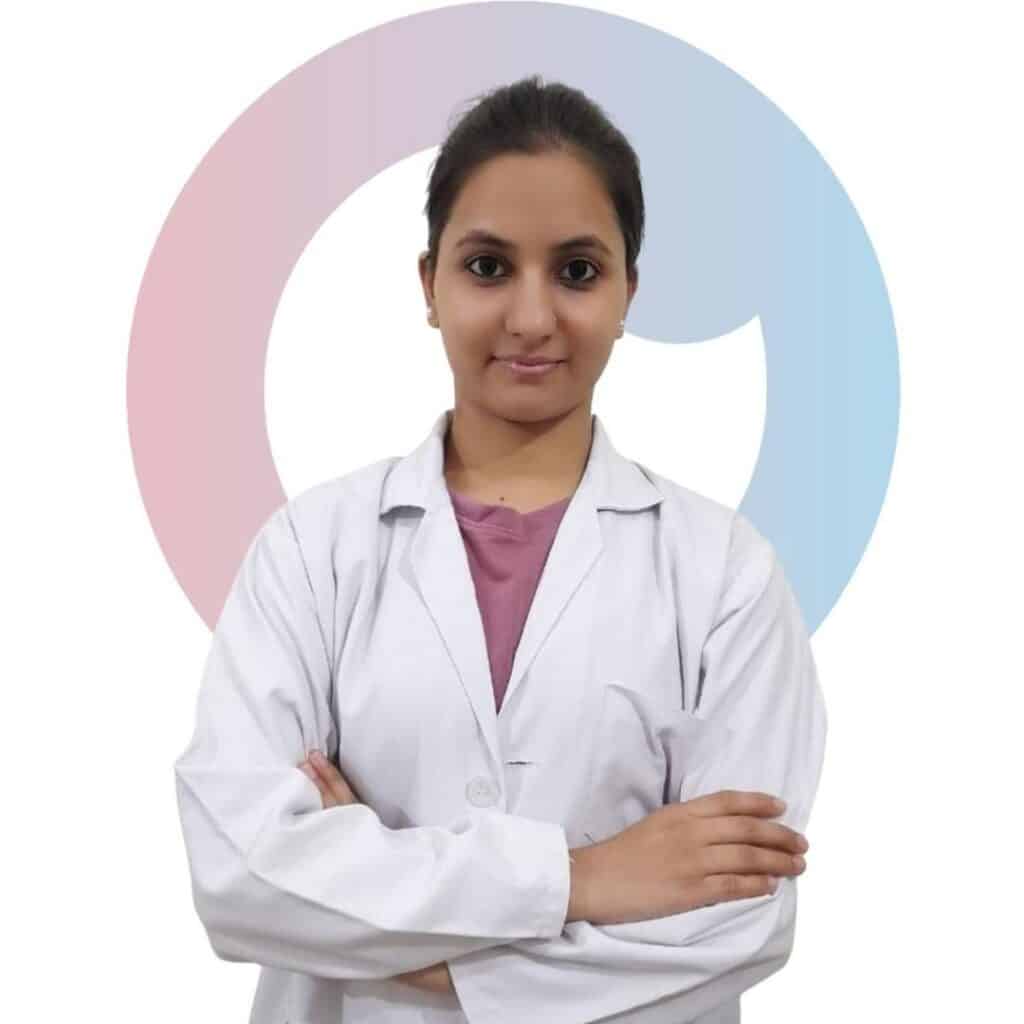
Dr. Nidhi Kumari
She has persuaded her bachelor’s from SGT University, Gurugram, she has done her internship at Dr. Ram Manohar Lohia Hospital, and persuade her Master in Physiotherapy from Chaudhary Charan Singh University, Meerut. She has previously worked with Orthocure clinic, Dr.Nasir physiotherapy rehabilitation, Quantum physiotherapy, and wellness center.
If you have more questions.
Dr. Nidhi
She has persuaded her bachelor’s from SGT University, Gurugram, she has done her internship at Dr. Ram Manohar Lohia Hospital, and persuade her Master in Physiotherapy from Chaudhary Charan Singh University, Meerut. She has previously worked with Orthocure clinic, Dr.Nasir physiotherapy rehabilitation, Quantum physiotherapy, and wellness center.
If you have more questions.
Also Read: Back Pain: Causes and Treatment
If you would like to know more about any of the health conditions, please fill up the form below and talk to Doctors on Resolve360 directly by asking a question.
We are your doctor’s first choice and trusted by 50,000+ patients.