Runner’s Knee: Symptoms, Treatments, and Exercises
Runner’s Knee: Symptoms, Treatments, and Exercises
Runner’s Knee: Symptoms, Treatments, and Exercises
Reviewed & Verified by Dr Nidhi
September 15, 2026 2:45 pm
5/5 - (172 votes)
Table of Contents
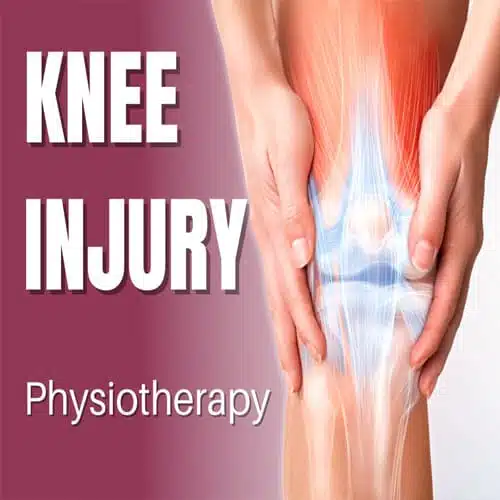
Runner’s knee, also called patellofemoral pain syndrome, is a common overuse injury that causes pain around or behind the kneecap during running, stairs, or squatting. It’s also one of the main reasons runners slow down or panic mid-plan.
The good news? In most cases, Runner’s knee treatment can be done without surgery when the root cause is addressed.
This guide covers runner’s knee symptoms, treatment options, proven exercises, and answers the question runners ask most: Can you run with runner’s knee?
What Is Runner’s Knee?
Runner’s knee refers to pain around or behind the kneecap caused by how forces move through the knee during running. Research shows that strengthening the hip and quadriceps muscles significantly reduces patellofemoral pain in runners
In runners, this pain usually comes from: • Poor load control at the hip or knee • Sudden increases in mileage or intensity • Weak glutes or quadriceps • Reduced ankle or hip mobility • Repetitive downhill or speed training
The knee often becomes the victim, not the villain. Physiotherapy for Runners plays a crucial role in recovery and prevention.
Runner’s Knee Symptoms to Watch For
Runner’s knee rarely appears suddenly. It usually builds steadily over time.
Common runner’s knee symptoms include: • Dull or sharp pain around the kneecap • Pain during or after running • Discomfort going downhill or downstairs • Pain after sitting for long periods • Stiffness when starting a run
Pain may ease as you warm up, then return stronger later. That pattern is a classic warning sign runners notice early in training.
Can You Run With Runner’s Knee?
This is the most searched and most misunderstood question.
The honest answer is: sometimes, yes, but only under the right conditions.
You can run with runner’s knee if: • Pain stays mild and does not worsen during the run • Pain settles within 24 hours • Your form does not change due to pain • Rehab exercises are already in place
You should not run with runner’s knee if: • Pain increases with each mile • You limp or change stride • Pain lasts more than 24 to 48 hours • Swelling or instability appears
Pushing through pain delays recovery. Smart modification speeds it up.
Why Running With Runner’s Knee Often Makes It Worse
Running places repeated load on the knee. If strength, control, or training load is off, the same stress repeats thousands of times.
Common mistakes include: • Resting too much without rehab • Continuing speed work during pain • Ignoring hip and core weakness • Returning to full mileage too quickly
Pain does not mean damage. But pain without correction means persistence.
Runner’s Knee Treatment Without Surgery
Most runners recover fully using conservative care. Surgery is rarely needed.
An evidence-based treatment program made by licensed sports physical therapists for runner’s knee treatment aims at pain relief and movement for long-term effects. Runner’s knee treatment focuses on correcting load, strength, and movement rather than resting alone.
Load Management
Lowering mileage, avoiding hilly terrains, and taking breaks from speed sessions helps the pain to settle and distribute the load.
Strength-Based Rehabilitation
Strength training changes how force moves through the knee. This is the core of recovery.
Running Form Adjustments
Subtle, simple changes in pace/stride can immensely lessen the burden on the knees and thus reduce stress.
Online Physiotherapy Support
A lot of athletes now heal via online physiotherapy or virtual physical therapy. They get expert guidance without stepping out of their homes. Thus, they can effectively manage their schedules without any compromise.
Best Runner’s Knee Exercises for Runners
The most effective Runner’s knee exercises are targeted movements that improve how your body absorbs force while running. Each group below addresses a specific cause of knee pain.
Hip and Glute Strength Exercises
Your hips control how your knee tracks with every step. Weak glutes allow the knee to collapse by increasing stress.
Side lying leg raises
Glute bridges
Step downs
Better hip strength reduces knee overload and improves running stability.
Quadriceps Control Exercises
The quadriceps muscle guides kneecap movement and helps absorb impact when your foot hits the ground. Poor quad control is a major contributor to patellofemoral pain syndrome.
Wall sits • Spanish squats • Slow step ups
Better quad strength improves shock absorption and reduces front knee pain.
Core Stability Exercises
Your core keeps your upper body steady while running. A weak core causes excess movement that transfers stress down to the knee.
Planks • Dead bugs • Bird dogs
A stable trunk means less strain on the knees with every stride.
Mobility Work for Runner’s Knee
Tight muscles limit joint movement. When hips or ankles cannot move properly, the knee is forced to take extra load.
Hip flexor stretches • Calf mobility drills • Ankle dorsiflexion work
Improving mobility redistributes stress away from the knee during running.
These exercises work best when combined with proper load management and gradual return to running. Strength fixes mechanics
Real Runner Case Example
A 32-year-old recreational runner training for a half-marathon developed a dull ache around the front of her knee during longer runs. At first, the pain disappeared after warming up, so she ignored it. Over the next three weeks, the discomfort started earlier in her runs and became noticeable while walking downstairs.
A remote assessment with a licensed sports physical therapist revealed weak hip control and a recent spike in weekly mileage. Her rehab plan focused on glute strength, quad control exercises, and a temporary reduction in running distance. She also increased her cadence slightly to reduce knee load.
Within four weeks, she returned to steady pain-free running and completed her race using a gradual mileage build and ongoing strength work. Her outcome is typical of runners who address the cause early instead of pushing through worsening pain.
How Long Does Runner’s Knee Take to Heal?
Healing time varies, but most runners improve within 4-6 weeks with consistent exercises and proper training. Runner’s knee recovery depends on progressive loading, strength improvements, and smart mileage adjustments.
Most cases of runner’s knee improve within 4 to 6 weeks with proper strength training and load management. Recovery depends more on correcting mechanics than on complete rest
Pain resolution depends on: • Exercise consistency • Training modifications • Sleep and recovery • Stress management
It’s important to know that progress matters more than pace in healing.
Resolve 360 is an evidence-based online physiotherapy provider, specializing in running-related injuries, including patellofemoral pain syndrome. Programs are guided by licensed sports physical therapists with experience in running biomechanics and injury rehab.
Their plans cater to clients at a personal level, taking efforts to understand them and their personal goals and strengths better so we can move, train, and heal their bodies effectively.
What sets Resolve 360 apart for runner’s knee recovery
1. Individualized Running Injury Assessment
Recovery starts with an in-depth assessment of your pain history, training load, running routine, and movement patterns to identify the root cause of injury
2. Strength-Based Rehabilitation for Runners
Runner’s knee rehab focuses on structured strength training for the hips, quadriceps, and core with regular progression. Constant modification, as per the healing, is made to suit the client as best as possible.
3. Smart Load Management and Return to Running Plans
Runners receive clear guidance on mileage, pace, and reintroducing hills or speed work without flaring knee pain. This allows runners to stay active while healing.
4. Running Form and Movement Guidance
Small changes in cadence, stride length, or pacing help reduce stress on the kneecap. Resolve 360 educates the client so they can modify their running form to be more effective.
5. Fully Online Physiotherapy for Runners
Virtual sessions allow runners to get expert care regardless of location. This is perfect for busy athletes, competitive runners, or anyone without access to sports-focused physiotherapy locally
Why Resolve 360 Works for Runner’s Knee?
Runner’s knee often persists when pain is treated in isolation. Resolve 360 combines education, strength, movement correction, and load management into one integrated plan. This reduces pain while building long-term knee resilience.
Resolve 360 provides fully online physiotherapy for runners worldwide, helping athletes recover from runner’s knee without stopping training completely.
When to See a Doctor or Physical Therapist for Runner’s Knee?
Although a lot of runners get better with proper rest and rehab, there may happen that sometimes you need professional guidance. Consult a professional if:
Pain persists for more than 2-3 weeks despite activity modification
Running becomes difficult due to knee pain
Swelling, locking, or instability in the knee
Pain continues to worsen
Symptom or Situation
Why It Matters
Pain lasting more than 2 to 3 weeks
Ongoing pain may mean the knee is not tolerating load well and needs a structured rehab plan.
Pain that keeps getting worse
Increasing pain can signal poor recovery or an incorrect return to running.
Difficulty running or walking
Movement limitations suggest strength or control issues that need professional guidance.
Swelling around the knee
Swelling is not typical in simple runner’s knee and may indicate irritation inside the joint.
Knee locking, catching, or giving way
These symptoms can point to problems beyond patellofemoral pain and should be assessed.
Pain that does not improve with rest and exercise
Lack of progress often means the root cause has not been properly addressed.
Early evaluation by a licensed sports physical therapist or healthcare provider helps rule out more serious conditions and keeps recovery on track.
Conclusion
Runner’s knee is frustrating, but it is not a dead end. Most runners recover fully with the right combination of education, load management, and strength-based rehab.
Whether you train recreationally or competitively, addressing the cause instead of chasing pain leads to stronger, more resilient running. For many athletes, structured Runner’s knee recovery plans guided by sports physiotherapists make the return to pain-free running safer and more sustainable.
Red Flag Symptoms
Seek urgent medical care if you experience severe swelling, a hot or red knee, fever, sudden inability to bear weight, or a popping injury followed by immediate swelling. These may signal conditions other than runner’s knee.
Medical Disclaimer
This content is for educational purposes only and does not replace professional medical advice. Always consult a licensed healthcare or sports physiotherapy professional.
Yes, many runners can continue modified running with runner’s knee while healing, provided pain stays mild, patellofemoral pain is monitored, and strength-based rehabilitation is followed consistently.
Daily running with runner’s knee pain is not recommended early on. Alternating run days with rehab exercises, load management, and recovery helps reduce knee pain while running
Running with runner’s knee is rarely dangerous, but ignoring knee pain during running can delay healing and prolong patellofemoral pain syndrome symptoms.
Yes, virtual physical therapy for runner’s knee is effective when guided by licensed professionals, using movement analysis, exercise progression, and personalized running injury rehabilitation plans.
Dr. Nidhi Kumari
She has persuaded her bachelor’s from SGT University, Gurugram, she has done her internship at Dr. Ram Manohar Lohia Hospital, and persuade her Master in Physiotherapy from Chaudhary Charan Singh University, Meerut. She has previously worked with Orthocure clinic, Dr.Nasir physiotherapy rehabilitation, Quantum physiotherapy, and wellness center.
She has persuaded her bachelor’s from SGT University, Gurugram, she has done her internship at Dr. Ram Manohar Lohia Hospital, and persuade her Master in Physiotherapy from Chaudhary Charan Singh University, Meerut. She has previously worked with Orthocure clinic, Dr.Nasir physiotherapy rehabilitation, Quantum physiotherapy, and wellness center.
I have been taking sessions from March without a break. It has been a boon for my physical fitness. My issues with my fitness especially knee ligaments have been effectively taken care of and I am able to continue with active tennis daily thanks to resolve360 and Dr. David
Mr Keyur Dalwadi
Speech Therapy for his Kid
We contacted resolve360 for our child speech issue and I must say Resolve 360 team and Apoorva doing a wonderful job.
Our speech therapist Jaslia from Resolve360 is having a excellent knowledge.... Read More
Mr Ram Kumar
Physical Fitness
From being a couch potato with poor cardio respiratory system to reaching pre-athlete levels of fitness in a span of 3 months, my journey with Resolve360 and Dr.David (Physiotherapist) has been anything but magical!..... Read More
Dr Shrinivas H
Rehab for Heel Pain
I had online Physiotherapy sessions by Prerana for my heel pain. ( Tendo Achilis Sprain).
Though virtual, it was more interactive.
She was very observant throughout the sessions, correcting me while doing the exercises..... Read More
Mr Narayan Vyas
COVID19 Rehab
One of the best app available for therapy sessions online. I was covid positive, and one more my friend recommended this app, trust me, it was the best decision I have ever taken..... Read More
Ms Shilpi B
Rehab for Ligament Injury
A friend introduced me to Resolve 360 so that I could treat a ligament injury that was hindering my day to day activities. It was a bad phase! This platform is not only a.... Read More
Ms Uma Narayanan
Rehab for Back Pain
Let the year 2021 bring laughter, joy and happiness and good health. It already has, in mine and my husband Narayans life. Yes we are now freely moving around doing..... Read More
Mr Nikhil Shrivastava
COVID19 Rehab
My father’s case was worse case of covid he had severe lung damage and was in hospital for almost 40 days, My mentor here provided really great guidance and help; sessions helped so much in recovery...Read More
Ms Srishti Gupta
Rehab for Back Pain
Hello everyone
I have been regularly taking sessions from Resolve360 (from Dr Apoorva) since January 2020. I have been suffering from upper and lower back pain from last 10 years....Read More
Ms Christy J
Post Natal Care
By the advice of my gynaecologist, I found this place. I thank doctor Dr Aporva for supported me and encouraged me well even before my sessions begin. Doctor Prerna who dealt me...Read More
Ms Garima Gupta
Rehab for Neck & Back Pain
Best therapy sessions that too at home and timings are very flexible. I had a issue in my neck and lower back since almost 4 to 5 years, taken so many treatments...Read More
Ms Shubhra Jain
Prenatal Care
I took prenatal care program from Resolve 360. Dr. Preyrna was assigned to me and she has done commendable job. I did prenatal exercises under her supervision, she designed...Read More
Ms Shruti Gupta
Rehab for Scapula Dyskinesia
Resolve360 is great platform for online physiotherapy.
I was suffering from scapula dyskinesia and had lot of pain in right shoulder movement.
I was introduced...Read More
R HARISHANKAR
COVID19 Rehab
The therapy sessions were very helpful in regaining heart and lung fitness after recovering from covid. The trainers were friendly, knowledgeable and they provided a customised program depending on my fitness level and health condition.
Mr Rohit Musaddi
Rehab for Knee Pain
I have been taking sessions from March without a break. It has been a boon for my physical fitness. My issues with my fitness especially knee ligaments have been effectively taken care of and I am able to continue with active tennis daily thanks to resolve360 and Dr. David
Mr Keyur Dalwadi
Speech Therapy for his Kid
We contacted resolve360 for our child speech issue and I must say Resolve 360 team and Apoorva doing a wonderful job.
Our speech therapist Jaslia from Resolve360 is having a excellent knowledge.... Read More
Mr Ram Kumar
Physical Fitness
From being a couch potato with poor cardio respiratory system to reaching pre-athlete levels of fitness in a span of 3 months, my journey with Resolve360 and Dr.David (Physiotherapist) has been anything but magical!..... Read More
Dr Shrinivas H
Rehab for Heel Pain
I had online Physiotherapy sessions by Prerana for my heel pain. ( Tendo Achilis Sprain).
Though virtual, it was more interactive.
She was very observant throughout the sessions, correcting me while doing the exercises..... Read More
Mr Narayan Vyas
COVID19 Rehab
One of the best app available for therapy sessions online. I was covid positive, and one more my friend recommended this app, trust me, it was the best decision I have ever taken..... Read More
Ms Shilpi B
Rehab for Ligament Injury
A friend introduced me to Resolve 360 so that I could treat a ligament injury that was hindering my day to day activities. It was a bad phase! This platform is not only a.... Read More
Ms Uma Narayanan
Rehab for Back Pain
Let the year 2021 bring laughter, joy and happiness and good health. It already has, in mine and my husband Narayans life. Yes we are now freely moving around doing..... Read More
Mr Nikhil Shrivastava
COVID19 Rehab
My father’s case was worse case of covid he had severe lung damage and was in hospital for almost 40 days, My mentor here provided really great guidance and help; sessions helped so much in recovery...Read More
Ms Srishti Gupta
Rehab for Back Pain
Hello everyone
I have been regularly taking sessions from Resolve360 (from Dr Apoorva) since January 2020. I have been suffering from upper and lower back pain from last 10 years....Read More
Ms Christy J
Post Natal Care
By the advice of my gynaecologist, I found this place. I thank doctor Dr Aporva for supported me and encouraged me well even before my sessions begin. Doctor Prerna who dealt me...Read More
Ms Garima Gupta
Rehab for Neck & Back Pain
Best therapy sessions that too at home and timings are very flexible. I had a issue in my neck and lower back since almost 4 to 5 years, taken so many treatments...Read More
Ms Shubhra Jain
Prenatal Care
I took prenatal care program from Resolve 360. Dr. Preyrna was assigned to me and she has done commendable job. I did prenatal exercises under her supervision, she designed...Read More
Ms Shruti Gupta
Rehab for Scapula Dyskinesia
Resolve360 is great platform for online physiotherapy.
I was suffering from scapula dyskinesia and had lot of pain in right shoulder movement.
I was introduced...Read More
R HARISHANKAR
COVID19 Rehab
The therapy sessions were very helpful in regaining heart and lung fitness after recovering from covid. The trainers were friendly, knowledgeable and they provided a customised program depending on my fitness level and health condition.
If you would like to know more about any of the health conditions, please fill up the form below and talk to Doctors on Resolve360 directly by asking a question.
We are your doctor’s first choice and trusted by 50,000+ patients.
get a call in 15 minutes
We are your doctor’s first choice and trusted by 50,000+ patients.
Get a Call in 15 Minutes
We are your doctor’s first choice and trusted by 50,000+ patients.
Get a Call in 15 Minutes
We are your doctor’s first choice and trusted by 50,000+ patients.
Get a Call in 15 Minutes
Trust Care
We are your doctor’s first choice and trusted by 50,000+ at patients.