



Reviewed & Verified by
Dr. Apoorva
What you should know?
If this ever happens, you want to reach your overhead, but you are unable to do so?
Rotator cuff pain starts as a nagging ache that affects your daily activities and even sleep. It’s frustrating, right? And, in this situation, the first thing that comes to mind is – Do I need surgery?
In most cases, the answer is NO. Usually, the rotator cuff tear develops slowly and can be managed with the right physical therapy for rotator cuff tear. It becomes more effective when it is guided by a licensed physical therapist who not only focuses on reducing pain, but also finds out the root cause.
The rotator cuff is made of four muscles and tendons (supraspinatus, infraspinatus, teres minor, and subscapularis). They work by surrounding the shoulder joint and keep it stable to allow smooth and controlled movement in different directions.
If any one of the tendons gets damaged, it causes:
This is where rotator cuff physical therapy comes in, helping to restore function, strengthen surrounding muscles, and improve movement.
Types of Rotator Cuff Tear
Before beginning the therapy, it is important to know about the type of rotator cuff tear that helps in the recovery outcome.
1. Partial tear: In this condition, the tendon is worn or damaged, but still attached. It is the most common type in patients and responds well to rotator cuff tear physical therapy.
2. Full-thickness Rotator Cuff Tear: Here, the tendon gets completely detached from the bone. Yet, it is possible to treat it with physical therapy for a torn rotator cuff based on its size and symptoms.
3. Degenerative Tear: This tear develops over time due to aging, continuous movement, or poor shoulder mechanics. Such tears are successfully treated with non-surgical rotator cuff treatment.
4. Acute Traumatic Tear: This kind of tear results from a sudden injury, like a fall or a heavy lift. If these tears are large, then you may choose surgery over therapy.
Studies show that many people suffer from rotator cuff tears without showing any symptoms, and in these cases, tears are visible on imaging.
Now, if you have chosen rotator cuff tear physical therapy, you should learn how it focuses on regaining strength, stability, and movement without undergoing surgery. This smart approach is perfectly designed to support shoulder health, adapt, and function better under the guidance of licensed physical therapists.
A well-structured plan includes:
This is the early phase where the priority is to target the irritated tissues and minimize discomfort. For this, the therapists ask you to do activity modification, ice or heat therapy, guided rest, and certain therapeutic methods.
In this phase, your focus will shift to getting the pain-free movement once the pain comes under control. It involves mild stretching and controlled rotator cuff strengthening exercises to improve movement and prevent stiffness.
The main component of rotator cuff tear physical therapy is not just strengthening the torn tendon, but also supporting the surrounding muscles.
As you start regaining your strength, therapy progresses to performing daily life activities, like lifting, reaching, or overhead motions.
The high-quality physical therapy for a torn rotator cuff focuses on shoulder moves, along with treating symptoms. Evidence shows that 26% of patients with a rotator cuff tear go for surgery. Those who follow physical therapy start getting relief within a short time.
Till now, you must have understood the importance of rotator cuff tear physical therapy. Still, there are certain situations where you can choose surgery as an option to restore shoulder movement.
It is recommended when:
Types of Rotator Cuff Surgery
All rotator cuff tears are treated differently depending on the tear quality, size, and the damage. Here’s a different surgery procedure:
The most common and invasive option available, this surgery is meant for small to medium tears. Uses a small camera and specialized instruments inserted through small incisions.
Why is it preferred?
This includes a combination of arthroscopy and open surgery. A larger incision is made to repair the tendon directly.
Why is it preferred?
Being a traditional approach, it is ideal for complicated or severe cases.
Why is it preferred?
Surgery is just a part of recovery. But you can’t ignore a well-planned physical therapy for rotator cuff tear that gives you full mobility and long-term results.
If you are dealing with a shoulder injury, the question that comes to mind is – Can physical therapy make a rotator cuff tear worse? Shall I opt for surgery rather than physical therapy?
Well, the truth differs based on the situation. Therefore, you should understand the benefits and limitations first before making the final decision.
You can rely on rotator cuff tear physical therapy as a first-line approach, and many reasons support this. At Resolve360, you will get a plan focused on shoulder tear rehab meant for restoring movement, dropping pain, and improving strength.
Pros
Cons
Despite the disadvantages, physical therapy for rotator cuff tear considers to be the foundation of rotator cuff treatment.
When you don’t get the relief from rotator cuff physical therapy exercises, then the next step should be surgery. Surgeons perform procedures such as rotator cuff tendon repair to restore tendon structure. Here are some pros and cons of rotator cuff surgery.
Pros
Cons
For most patients, rotator cuff rehab exercises are the safest way to start to achieve the expected results. However, if the tear is large, shoulder rotator cuff surgery is best.
Before making the final decision, it is important to understand the recovery time of both approaches.
With physical therapy, recovery is steady but consistent. Many patients are reported to regain function without surgery. One thing that they follow is a well-structured plan
Overall, the rotator cuff tear recovery time is determined according to the condition and gives the desired result.
Recovery after rotator cuff repair is quite intensive and requires adherence to the regimen.
Healing is a gradual process, and it takes around 6 months for tendons to heal.
Recovering from a degenerative rotator cuff tear is not only about doing exercises, but it also includes avoiding mistakes that can worsen the condition.
Here are some common mistakes to look into:
Waiting for a longer time: If you are experiencing minor shoulder pain, don’t avoid it. Even a smaller tear gets enlarged with time, making the recovery difficult. Therefore, it is advisable to start physical therapy for a torn rotator cuff in the early stage to get better results.
Stop doing exercises when pain improves: If you are feeling better, that doesn’t mean you have healed completely. Pain decreased before the tendon gained strength. At this point, most people think that they have recovered and stop the therapy. It is always advisable to complete your physical therapy for the rotator cuff tear program.
Choosing surgery in the first place: Many people think that surgery is one of the fastest rotator cuff injury treatment options. But, you know, it’s actually not. Surgery gives you a long recovery timeline, often 9-12 months, and still, you have to follow shoulder tear rehab.
Ignoring the diagnosis: Mind that not all shoulder pain should be mistaken for a rotator cuff tear. Directly jumping to the treatment without diagnosis is the wrong approach.
Following any random YouTube exercises: On YouTube, you will find several generic workouts for your specific problem. But the question is – are they the right ones? Well, these exercises in turn increase pain and worsen the condition. To avoid this, you should consult a licensed physical therapist who will understand your issues and plan the program accordingly.
Avoiding surgery when you actually needed: In certain cases, with a full-thickness tear, it is not at all advisable to wait for a longer time. This makes recovery more difficult. If the doctor prescribed you surgery, don’t delay it.
Now, you must have understood the importance of the right treatment. Along with this, you must know the mistakes to avoid. Understand how surgery vs physical therapy outcomes vary according to the tear types.
The recovery should never be confusing for anyone. Even a small change can create a big difference. Here are some experts’ tips to get the results quickly.
First step is the right diagnosis: Guesswork never works, especially when you are suffering from a rotator cuff tear. Instead of X-Ray, you can opt for MRI as it helps diagnose tendon damage. It will save your time, and treatment can start early.
Give a chance to physical therapy: Stopping your physical therapy too early is never advisable. Remain consistent for at least 12 weeks by following a proper physical therapy regimen. Notice the real healing with this.
Take rest in a smarter way: Your sleeping position is equally important in your recovery. Never lie on the injured side and use the other side to sleep. It helps in reducing night pain.
Don’t rely on a generic plan: The rehab program differs from person to person depending on their medical condition. You should consult a reliable therapist who will plan your exercises and rebuild your strength.
Follow ice and heat therapy: The heat therapy is first performed to loosen the stiff muscles. It is followed by ice therapy that reduces inflammation. This simple habit supports early recovery.
Intake proper nutrition: Along with the exercises, taking proper nutrition is also required to repair tendons. Intake vitamin C, protein, and collagen-rich foods for faster healing.
Get ready to start your shoulder recovery with the right guidance.
Get a free consultation with a licensed physical therapist at Resolve360 — available within 15 minutes of booking, 7 days a week, across all conditions.
Book Free Consultation at Resolve360 →If you are experiencing persistent pain, weakness in your arm while lifting it, difficulty sleeping, or limited range of motion, then you should consult a doctor. MRI is considered to be the best way to find out the severity of the problem.
The untreated tears become worse over time, resulting in severe pain, weakness, and diminished shoulder function. There are early rotator cuff injury treatment options available from which you can make a choice, resulting in less damage.
Ongoing pain indicates that the root cause is not being treated well because of poor shoulder mechanics, incomplete rehab, and doing the wrong exercises. If you do the regular exercises, it is possible to treat the symptoms and get rid of the pain.
It starts with a mild pain in your shoulder, and over time, it increases to worsen overhead movement. Additionally, you will feel weakness, sharp or clicking pain.
If your pain is persistent, that means something has to be changed in your treatment plan. For this, you can contact the licensed physical therapist who will guide you through your recovery journey.
If your pain lasts for more than 2-3 weeks, it will hamper your daily activities. This shows that it is time for you to act and not wait for a long time to make things worse.
Always remember that not every recommendation is considered to be the only option. You should go for the second opinion, like rotator cuff tear therapy, and give it a chance to see the result.
You should always first start with the physical therapy because in most cases, it is known to be safer and more effective. On the other hand, surgery is recommended if the tear is large and unable to be treated with consistent rehab.

Dr. Nidhi Kumari
She has persuaded her bachelor’s from SGT University, Gurugram, she has done her internship at Dr. Ram Manohar Lohia Hospital, and persuade her Master in Physiotherapy from Chaudhary Charan Singh University, Meerut. She has previously worked with Orthocure clinic, Dr.Nasir physiotherapy rehabilitation, Quantum physiotherapy, and wellness center.
If you have more questions.
Dr. Nidhi
She has persuaded her bachelor’s from SGT University, Gurugram, she has done her internship at Dr. Ram Manohar Lohia Hospital, and persuade her Master in Physiotherapy from Chaudhary Charan Singh University, Meerut. She has previously worked with Orthocure clinic, Dr.Nasir physiotherapy rehabilitation, Quantum physiotherapy, and wellness center.
If you have more questions.
If you would like to know more about any of the health conditions, please fill up the form below and talk to Doctors on Resolve360 directly by asking a question.
We are your doctor’s first choice and trusted by 50,000+ patients.
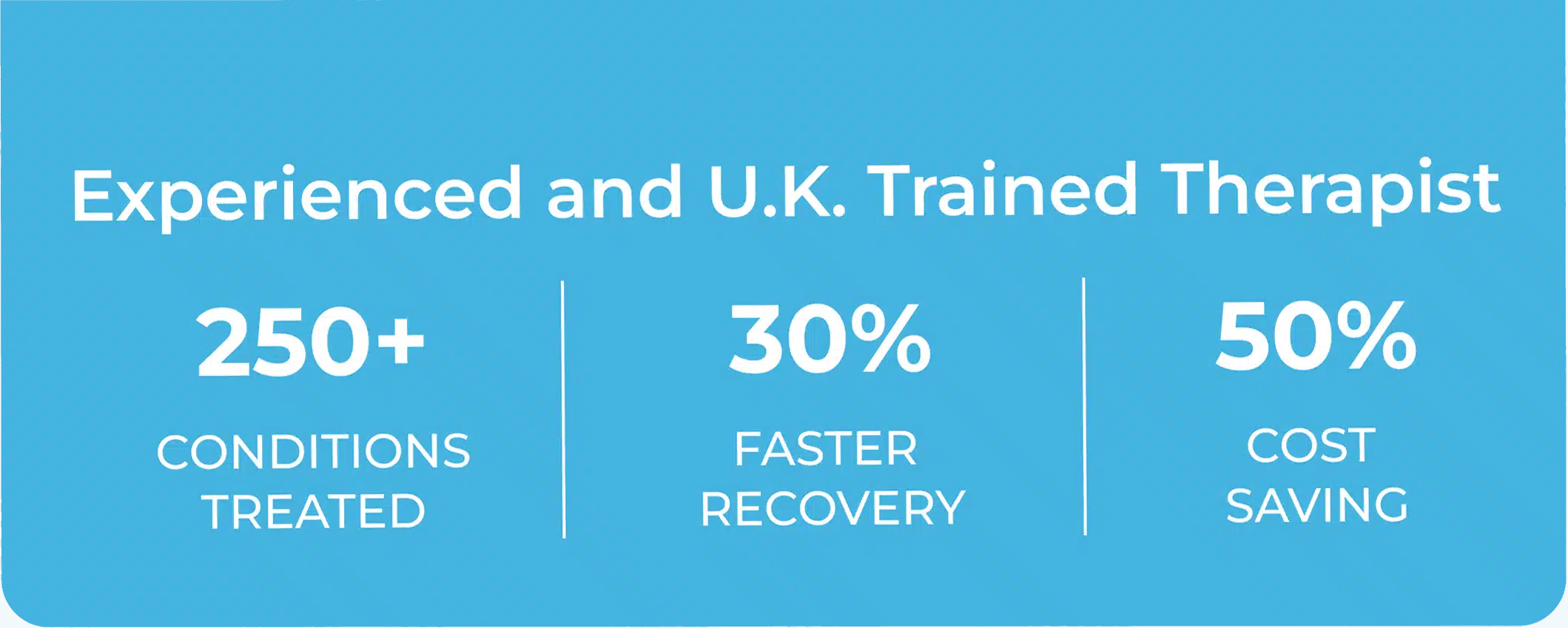

We are your doctor’s first choice and trusted by 50,000+ patients.
We are your doctor’s first choice and trusted by 50,000+ patients.
We are your doctor’s first choice and trusted by 50,000+ patients.


