


Reviewed & Verified by
Dr. Apoorva
You twisted your knee playing pickleball on Saturday. Or maybe you bent down to pick something up and felt that pop. Now your knee is swollen, stiff, and every trip down the stairs is a reminder that something isn’t right.
If your doctor told you that you have a meniscus tear, here’s the most important thing you need to know right now: most meniscus tears do not require surgery.
A landmark 2022 study published in JAMA Network Open followed 321 patients — ages 45 to 70 — with a confirmed meniscal tear. The researchers found that patients who went through a structured program of exercise-based physical therapy for meniscus tear did just as well as those who had surgery. In many cases, they did better — with fewer complications and faster return to daily life.
The right meniscus tear exercises, done in the right order and at the right intensity, can rebuild knee strength, restore range of motion, and let most Americans get back to doing the things they love — without going under the knife.
This guide gives you the exact 7 exercises that licensed physical therapists prescribe most often for torn meniscus rehabilitation — with step-by-step instructions, sets, reps, and the science behind each one.
Your knee has two C-shaped pieces of cartilage called menisci — one on the inner side of the joint (medial meniscus) and one on the outer side (lateral meniscus). Think of them as the shock absorbers and stabilizers of your knee. They cushion the joint and distribute your body weight evenly across the knee every time you walk, squat, pivot, or climb stairs.
When the meniscus tears — either from a sudden traumatic twist or from gradual wear and tear over time — the torn edges can catch in the joint, causing pain, swelling, stiffness, and sometimes a locking or clicking sensation.
Meniscus tears are among the most common knee injuries in the United States. They are more frequent in:
Young, active adults (teens–30s): Athletes in sports like basketball, football, soccer, and tennis — where twisting and pivoting motions are common — are at high risk. According to the American Academy of Orthopaedic Surgeons (AAOS), meniscus tears affect military personnel at a notably elevated rate as well.
Adults over 40: Degenerative meniscus tears become more common as the cartilage naturally weakens with age. Research from MedBridge notes that over 75% of middle-aged and older patients with symptomatic knee osteoarthritis have a history of meniscal damage.
Men over 40: According to Medical News Today, risk is generally higher among men in this age group.
Less severe tears — Grade 1 and Grade 2 — can often improve in 4 to 6 weeks with proper rest and a structured meniscus rehab exercises program. More severe tears may take up to 6 months, and some do require surgical intervention. The key is getting a proper diagnosis and starting the right rehabilitation program as early as safely possible.
The old instinct was to rest a torn meniscus completely. “Don’t put weight on it. Stay off the knee.” But modern physical therapy has moved far beyond that thinking.
Movement is medicine — when it’s the right movement, done correctly.
Targeted meniscus tear exercises work in several important ways:
They reduce pain and inflammation. Gentle, controlled movement encourages blood flow and lymphatic drainage, which helps clear inflammatory fluid from the knee joint. Staying sedentary can actually make swelling worse over time.
They rebuild supporting muscle strength. The strongest protection your meniscus has is the muscle surrounding it — your quadriceps, hamstrings, glutes, and calf muscles. When those muscles are strong and coordinated, they absorb load that would otherwise go straight through the meniscus cartilage. Weak quads, in particular, can cause improper kneecap tracking (patellar maltracking), increasing stress on the healing tissue.
They restore range of motion. A torn meniscus often leads to stiffness in the joint. Consistent rehab exercises gently restore flexibility and ensure the knee doesn’t get “stuck” in a limited range of movement during the healing period.
They can prevent the need for surgery. The 2022 JAMA Network Open study of 321 patients clearly showed that 16 sessions of exercise-based physical therapy produced outcomes on par with surgical repair — including pain levels, knee function, and quality of life.
⚠️ Important Safety Note: The exercises below are used by licensed physical therapists across the USA, but every meniscus tear is different. Before starting any exercise program for a knee injury, consult your doctor or a licensed physical therapist to confirm the exercises are appropriate for your specific tear, severity, and overall health. Stop any exercise immediately if you feel sharp pain or your knee feels significantly worse afterward.
These exercises are organized from the most gentle (early-stage rehab) to slightly more progressive (later-stage strengthening). Most physical therapists start patients at exercises 1–3 and progress to 4–7 as healing allows.
Quad sets are the foundation of meniscus tear exercises. They activate the quadriceps muscle without requiring any knee movement, making them safe to start even when your knee is still swollen and painful. Strengthening the quads in the last few degrees of knee extension is critical — it’s the range where these muscles work hardest to stabilize the leg when walking.
Step 1: Sit or lie flat on a firm surface with your affected leg straight. Place a small rolled towel under your knee for comfort.
Step 2: Tighten your thigh muscles by pressing the back of your knee firmly down into the towel. You should feel the front of your thigh firm up.
Step 3: Hold this contraction for 6 seconds. Breathe normally — do not hold your breath.
Step 4: Slowly relax the muscles. That’s one rep.
Step 5: Repeat with the other leg to maintain balance.
Straight leg raises are one of the most prescribed meniscus rehab exercises because they build quad and hip flexor strength without bending the knee. This protects the healing meniscus tissue while still creating meaningful muscle activation.
Step 1: Lie flat on your back. Bend your unaffected leg so that foot is flat on the floor. Your affected leg stays straight.
Step 2: Flex your foot (toes pointing toward the ceiling) and tighten your thigh muscles, pressing the back of your straight knee toward the floor.
Step 3: Keeping your leg straight and core engaged, slowly lift your affected leg until your heel is about 12 inches off the floor — roughly even with your bent knee (approximately 45 degrees).
Step 4: Hold for 6 seconds at the top.
Step 5: Slowly lower the leg back to the floor. Do not let it drop. That’s one rep.
Heel slides gently restore knee flexion range of motion — the ability to bend your knee — which is commonly restricted after a meniscus tear due to swelling and protective muscle guarding. This exercise stretches the hamstrings and encourages synovial fluid movement through the joint, which supports cartilage nutrition and healing.
Step 1: Lie flat on your back with both legs straight and arms by your sides.
Step 2: Slowly slide your heel of the affected leg back toward your buttocks, bending your knee as far as comfortable without pain.
Step 3: When you feel a gentle stretch in the back of your knee or hamstring, hold the position for 5 seconds.
Step 4: Slowly slide your heel back to the starting position.
Step 5: You can also do this against a wall — prop your foot on the wall and let gravity help gently bend the knee.
Wall slides are the safer evolution of the squat for people with a torn meniscus. The wall provides back support, significantly reducing stress on the knee joint while still building the quad, hamstring, and glute strength needed for functional daily activities like sitting down, getting up, and climbing stairs. Because your back is against the wall, this is an isometric-style exercise that protects the meniscus while still loading the muscles effectively.
Step 1: Stand with your back, shoulders, and head flat against a smooth wall. Place your feet about 12 inches away from the wall, shoulder-width apart.
Step 2: Slowly slide your back down the wall, bending your knees. Lower yourself only about 15–20 degrees — this is a “mini” squat, NOT a full squat.
Step 3: Make sure your knees track over your second toe — they should not cave inward. Your heels must stay flat on the floor at all times.
Step 4: Hold this position for 10 seconds, keeping your thigh muscles engaged.
Step 5: Slowly slide back up to standing. That’s one rep.
Standing heel raises strengthen the calf muscles and improve circulation in the lower leg — both important for knee stability and recovery. Strong calves support proper knee alignment during walking and help reduce the load transferred to the meniscus during daily movement. This exercise also challenges single-leg balance as you progress, building proprioceptive control around the knee joint.
Step 1: Stand facing a wall, counter, or sturdy chair. Place both hands lightly on the surface for balance — don’t grip tightly.
Step 2: Keep your knees straight (not locked) and your feet hip-width apart.
Step 3: Slowly rise up onto the balls of your feet, lifting your heels 1–2 inches off the floor.
Step 4: Hold for 6 seconds at the top.
Step 5: Slowly lower your heels back to the floor in a controlled manner. Do not let your heels drop.
Hamstring strength is often overlooked in knee rehab — but it's critical. The hamstrings provide crucial support to the back of the knee and work together with the quadriceps to keep the knee stable during movement. Weak hamstrings force the quads and the joint structures — including the meniscus — to compensate, increasing re-injury risk.
Step 1: Lie flat on your stomach with both legs extended straight behind you. You may place a pillow under your hips for comfort.
Step 2: Keeping your hips pressed into the floor (no rotation or lifting), slowly bend your affected knee, bringing your heel up toward your buttocks.
Step 3: If this motion causes sharp pain, try a smaller range of bend until you find a comfortable position.
Step 4: Hold the top position for a moment, then slowly lower your foot back to the floor.
Step 5: Repeat, then switch to the other leg.
Most people are surprised to find a hip exercise on a meniscus tear exercises list. But here's the clinical reality: weak hip abductors cause your knee to cave inward during walking, squatting, and going downstairs — a movement pattern called "knee valgus" that places harmful rotational stress on the meniscus. Clamshells directly target the gluteus medius, the key hip stabilizer, and are essential for preventing re-injury.
Step 1: Lie on your side with both knees bent at approximately 45 degrees. Stack your knees on top of each other. Rest your head on your lower arm.
Step 2: Keep your feet together and your hips completely still — do not roll backward.
Step 3: Slowly lift your top knee upward like a clamshell opening, rotating at the hip.
Step 4: Pause at the top for 2 seconds, squeeze your glute, then slowly lower.
Step 5: Complete all reps on one side, then switch sides.
Equally important as knowing which exercises for a torn meniscus to do is knowing which ones to avoid. The following activities place excessive compressive or rotational force on the meniscus and should be avoided — especially during the early and middle stages of recovery.
Full deep squats — Deep knee bending maximally compresses both menisci. Even without a tear, deep squats require healthy cartilage. Avoid until cleared by your physical therapist.
Running and jogging — The impact and rotational forces during running can worsen a tear. Low-impact cardio like stationary biking or swimming is preferred during recovery.
Pivoting and twisting sports — Tennis, basketball, soccer, pickleball — any sport requiring sudden changes of direction puts intense shear stress on the meniscus. Return to these sports only when fully cleared.
Leg press with heavy weight — While a light leg press may be prescribed later in rehab, heavy leg press through a full range of motion is dangerous for healing meniscus tissue.
High-impact jumping or plyometrics — Box jumps, jump squats, and any landing-based exercises should be avoided until your meniscus rehab is complete and you have been cleared for return to sport.
Yoga poses with deep knee bends — Poses like Pigeon, deep lunges, or Child's Pose can compress and torque the knee joint. Modify or avoid until healed.
Every person’s recovery is different, but here’s a general framework that licensed physical therapists use to guide meniscal tear rehabilitation for non-surgical cases:
| Phase | Timeline | Goals | Key Exercises |
|---|---|---|---|
| Phase 1: Acute | Week 1–2 | Reduce swelling, protect the knee, manage pain | Quad Sets, Straight Leg Raises, Ice/Compression |
| Phase 2: Subacute | Week 2–4 | Restore range of motion, begin gentle strengthening | Heel Slides, Heel Raises, Stationary Bike |
| Phase 3: Strengthening | Week 4–8 | Build muscle strength, improve stability, reduce limp | Wall Slides, Clamshells, Hamstring Curls |
| Phase 4: Functional | Week 8–12+ | Return to daily activities, sport-specific prep | Single-leg exercises, balance training, sport drills |
Note: Grade 3 (complete) tears or post-surgical rehab will have different timelines. Always follow the plan created by your physical therapist.
Mark, a 52-year-old project manager from Austin, Texas, tore his medial meniscus during a recreational soccer game in January 2025. His orthopedist recommended surgery, but gave him the option of trying conservative physical therapy first.
He started with telehealth physical therapy sessions through Resolve360. In his first assessment, his physical therapist identified that Mark also had significant quad weakness and poor hip abductor control — contributing factors that had likely increased his injury risk in the first place.
His therapist built a progressive program starting with Quad Sets and Straight Leg Raises in Week 1, progressing to Wall Slides and Clamshells by Week 4, and adding single-leg balance work and light step-ups by Week 8. Mark did 3 sessions per week via video call and followed his personalized home exercise plan between sessions.
By Week 10, Mark was back on the golf course — pain free. His follow-up MRI showed significant reduction in swelling around the tear site. He avoided surgery entirely.
Doing meniscus tear exercises at home with a YouTube video is better than nothing. But physical therapy for meniscus tear with a licensed PT delivers results that self-guided exercise simply cannot match — and the research consistently backs this up.
Here’s why working with a physical therapist changes the equation:
Accurate staging. A physical therapist assesses your tear severity, your current strength levels, your range of motion, and your movement patterns before prescribing anything. The wrong exercise at the wrong time can worsen a tear. The right exercise at the right time accelerates healing.
Real-time form correction. Doing a wall slide with your knees caving inward isn’t just ineffective — it’s harmful. A PT watches how you move and corrects technique in real time. This is true even in virtual physical therapy sessions via video call.
Progressive overload without overload. Recovery isn’t linear. A therapist adjusts your program every week based on how your knee is responding. They know when to push and when to back off — something no static exercise list can tell you.
Whole-chain rehabilitation. As the Hinge Health research highlights, a good meniscus rehab program strengthens not just the knee, but the hips, ankles, and core — because all of these structures affect how much load the meniscus has to bear.
If you’re in the USA and looking for convenient, expert-led physical therapy for your meniscus tear, Resolve360 offers live 1-on-1 virtual physical therapy sessions with licensed therapists — available across all 50 states, with same-week appointments and insurance accepted. You get a licensed Doctor of Physical Therapy guiding your session via secure video — no commute, no waiting rooms, no guesswork.
One of the most common questions people ask their physical therapist is: “Can I still exercise while my meniscus is healing?”
The answer is yes — with the right types of activity. As Mary Kimbrough, PT, DPT, a physical therapist at Hinge Health explains, low-impact cardio is generally safe and even beneficial during recovery. The best options include:
Stationary biking — Smooth, circular pedaling motion strengthens the knee muscles and improves range of motion without compressive impact. Most physical therapists consider the stationary bike the gold-standard low-impact activity for meniscus rehab. Start with low resistance and short sessions (10–15 minutes), building gradually.
Swimming and water walking — The buoyancy of water reduces body weight load on the knee by up to 70%. Aquatic exercise allows you to maintain fitness and do gentle strengthening without the risk of aggravating the tear.
Walking on flat surfaces — Gentle walking on flat, even ground is generally fine and encouraged. Avoid hills, stairs, and uneven terrain in early recovery stages.
Avoid running, impact sports, and high-intensity training until your physical therapist specifically clears you for these activities.
Exercise is the cornerstone of meniscus tear therapies, but a complete recovery plan often includes several complementary approaches:
RICE Protocol (first 48–72 hours): Rest, Ice, Compression, and Elevation remain the standard first-aid approach for acute meniscus injuries. Apply ice for 15–20 minutes, several times per day, with a cloth barrier to protect the skin.
NSAIDs: Non-steroidal anti-inflammatory drugs like ibuprofen or naproxen can help manage pain and swelling in the early stages. Always use under the guidance of your physician.
Knee bracing: A supportive knee brace may be recommended by your doctor or PT during the early recovery phase to reduce instability during daily activities.
Manual therapy: Some physical therapists use hands-on techniques — gentle joint mobilization and soft tissue work — to reduce pain and improve range of motion in the early stages of meniscus tear recovery.
Platelet-Rich Plasma (PRP) injections: An emerging treatment where your own blood platelets are concentrated and injected into the knee. Some research suggests PRP may support meniscus tissue healing, but evidence is still developing. Discuss with your orthopedic physician.
For comprehensive, ongoing guidance on all of these options, working with the team at Resolve360 gives you access to licensed physical therapists who stay current with the latest evidence-based meniscus tear therapies and can help you build a complete recovery strategy.
Get a free consultation with a licensed physical therapist at Resolve360 — available within 15 minutes of booking, 7 days a week, across all conditions.
Book Free Consultation at Resolve360 →Recovery time depends on the severity of your tear. Grade 1 and Grade 2 meniscus tears can often improve in 4 to 6 weeks with consistent meniscus rehab exercises and physical therapy. Grade 3 (complete) tears may take 3 to 6 months — and some require surgery followed by a separate rehab program. Starting physical therapy early, within days of injury (once cleared by your doctor), typically leads to faster, more complete recovery.
Yes. All 7 exercises listed in this guide can be done at home with no special equipment. However, doing them correctly and progressing safely requires guidance from a licensed physical therapist — ideally through at least a few supervised sessions. Telehealth physical therapy, like that offered by Resolve360, allows you to get expert guidance in your own home via a live video call.
Mild muscle fatigue and a slight sense of effort are normal and acceptable. However, sharp pain, joint pain, or a significant increase in swelling after exercise are warning signs that you are doing too much or the wrong exercise. The general rule from physical therapists: if your pain is above a 3 or 4 out of 10 during an exercise, stop and consult your therapist before continuing.
Low-load exercises like Quad Sets and Heel Raises can generally be done daily. Higher-load exercises like Wall Slides, Hamstring Curls, and Clamshells are typically prescribed 3 times per week (every other day) to allow adequate recovery between sessions. Overdoing exercises does not speed healing — your body rebuilds during rest. Follow the schedule your physical therapist prescribes rather than doing more on your own.
The medial meniscus (inner knee) is more commonly torn than the lateral meniscus (outer knee). Medial meniscus tears often occur with twisting injuries and are frequently associated with ACL tears in sports injuries. The rehabilitation exercises for both types are largely similar, though a physical therapist may emphasize different stabilization patterns depending on which side is injured and what other structures are involved.
Yes, but you should start with the most gentle exercises — particularly Quad Sets and Straight Leg Raises — which require no knee movement at all. These can be done even with significant swelling because they do not compress the joint. As swelling decreases, your physical therapist will progress you to more active exercises. Never force a swollen knee into painful ranges of motion.
Many meniscus tears — especially partial (Grade 1 and Grade 2) tears — can heal successfully with physical therapy for meniscus tear without any surgery. A 2022 JAMA Network Open study of 321 patients found that 16 sessions of exercise-based physical therapy produced outcomes comparable to surgical repair. However, complete (Grade 3) tears, tears that cause persistent locking of the knee, or tears that fail to improve after 3 months of conservative therapy may require surgical evaluation. Always discuss your options with your orthopedic physician.

Dr. Nidhi Kumari
She has persuaded her bachelor’s from SGT University, Gurugram, she has done her internship at Dr. Ram Manohar Lohia Hospital, and persuade her Master in Physiotherapy from Chaudhary Charan Singh University, Meerut. She has previously worked with Orthocure clinic, Dr.Nasir physiotherapy rehabilitation, Quantum physiotherapy, and wellness center.
If you have more questions.
Dr. Nidhi
She has persuaded her bachelor’s from SGT University, Gurugram, she has done her internship at Dr. Ram Manohar Lohia Hospital, and persuade her Master in Physiotherapy from Chaudhary Charan Singh University, Meerut. She has previously worked with Orthocure clinic, Dr.Nasir physiotherapy rehabilitation, Quantum physiotherapy, and wellness center.
If you have more questions.
If you would like to know more about any of the health conditions, please fill up the form below and talk to Doctors on Resolve360 directly by asking a question.
We are your doctor’s first choice and trusted by 50,000+ patients.
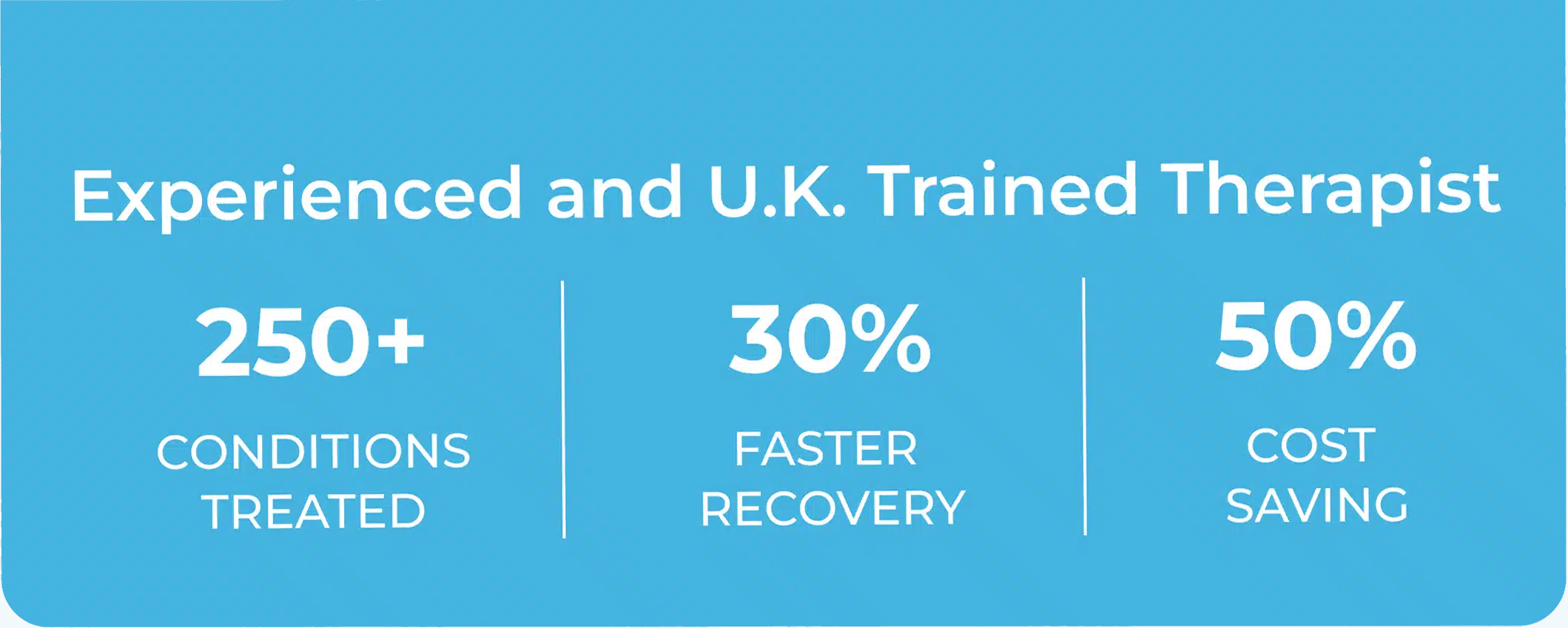

We are your doctor’s first choice and trusted by 50,000+ patients.
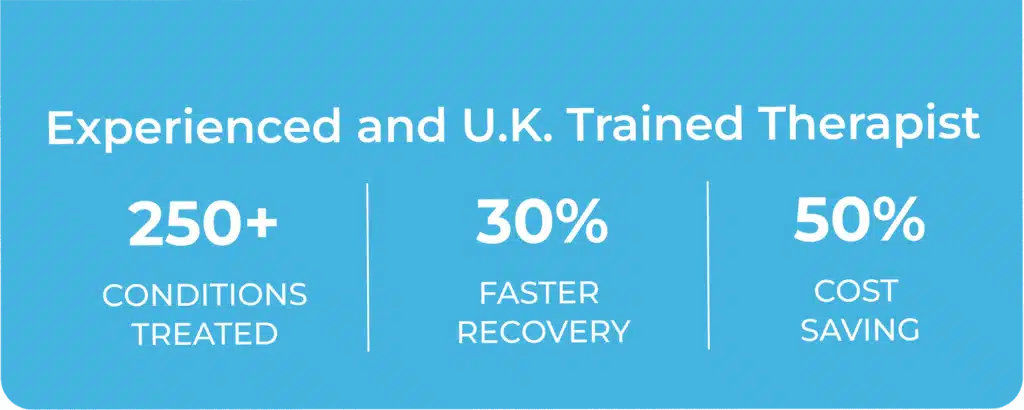
We are your doctor’s first choice and trusted by 50,000+ patients.
We are your doctor’s first choice and trusted by 50,000+ patients.
