


- Treatment
Pain Management
- Neck Pain
- Back Pain
- Shoulder Pain
- Knee Pain
- Ankle Pain
Physiotherapy
- Cervical
- Arthritis
- ACL
- Knee Pain
- Ankle Pain
Physiotherapy
- Neck Pain
- Back Pain
- Shoulder Pain
- Knee Pain
- Ankle Pain
- Physiotherapy
- Rehabilitation
The Physical therapy for athletes is a specialized form of rehabilitation and performance training that helps active individuals prevent injuries, recover faster, and perform at their best. It combines sport-specific exercises, manual therapy, mobility training, and strength conditioning — all tailored to each athlete's body and their sport. Whether you play weekend basketball or train competitively, physical therapy for athletes addresses the root cause of pain, restores proper movement, and helps you return to your sport stronger than before. Programs like Resolve360 offer expert-guided, online physiotherapy sessions for athletes dealing with sprains, ACL injuries, tendinitis, knee pain, and more — from the comfort of home.
If you’re an athlete, you already know your body is your most important tool. A pulled muscle, a bad landing, or months of overtraining can take you out of the game faster than any opponent. That’s where physical therapy for athletes becomes a game-changer — not just for healing, but for getting back stronger, moving better, and staying injury-free long term.
In 2026, sports physical therapy has evolved far beyond basic rehab exercises. It now integrates biomechanical analysis, telehealth sessions, performance training, and data-driven recovery planning — all designed specifically for the demands of athletic life.
This guide breaks down everything you need to know: what sports physiotherapy is, its real benefits, common injuries it treats, advanced techniques used in 2026, and when you should actually book a session.
Physical therapy for athletes — also called sports physiotherapy or sports rehabilitation — is a specialized branch of physical therapy that focuses entirely on the needs of active individuals. It’s not the same as going to a general physio after a car accident or a workplace injury. Sports physical therapy is built around how your body moves in sport-specific situations.
A sports physiotherapist understands that a marathon runner’s body takes stress very differently from a baseball pitcher’s shoulder or a football player’s knees. Each sport creates unique loading patterns, repetitive motion demands, and injury risks. Effective physical therapy for athletes must address all of these.
According to research published in the Journal of Orthopaedic & Sports Physical Therapy, athletes who complete sport-specific rehabilitation programs return to play faster and experience significantly lower rates of re-injury compared to those who receive general PT. That difference comes down to customization — the exact thing sports physiotherapy is built for.
At Resolve360, our certified sports physiotherapists offer live one-on-one online sessions where they assess your movement patterns, identify the root cause of your pain or injury, and build a custom treatment plan designed around your sport, your body, and your performance goals.
Here’s why thousands of athletes — from recreational runners to competitive sports professionals — turn to sports physical therapy every year:
One of the most well-established benefits of physical therapy for athletes is dramatically faster healing. When you’re injured, the goal isn’t just to reduce pain — it’s to restore full function, rebuild strength in the affected area, and prepare your body to handle sport-specific demands again.
Sports physiotherapists use targeted therapeutic exercises, manual therapy, and evidence-based techniques to promote blood circulation, reduce inflammation, and accelerate tissue healing. Rather than sitting at home waiting for something to “settle down,” structured rehab keeps your body active in a controlled, safe way — and that leads to faster, better outcomes.
This is where modern physical therapy for athletes really separates itself from traditional rehab. The best sports physiotherapists don’t just treat injuries — they prevent them.
Through movement screening and biomechanical analysis, a sports PT can identify the muscle imbalances, poor movement patterns, or strength deficits that put you at risk before an injury ever occurs. Weak hip stabilizers leading to knee pain. Tight hip flexors causing lower back strain. Overloaded Achilles tendons heading toward a rupture. These are problems that can be corrected proactively.
A 2024 meta-analysis in the British Journal of Sports Medicine found that athletes who undergo preventive physical therapy interventions reduce their injury risk by up to 50% compared to those who train without it. That’s not a small margin — that’s the difference between playing your full season or spending it recovering on the sidelines.
Athletic performance depends on how freely your body moves. Tight hips limit your sprint mechanics. Restricted shoulder rotation kills your throwing power. Limited ankle mobility increases your risk of ACL injuries during direction changes.
Physical therapy for athletes directly targets these mobility limitations. Through manual therapy techniques, active stretching protocols, joint mobilization, and sport-specific mobility work, your therapist helps you move through your full range of motion — not just enough to function, but enough to perform.
Many competitive athletes face restrictions on what pain medications they can take. And even for recreational athletes, relying on NSAIDs or pain relievers long-term comes with real risks — gastrointestinal problems, kidney stress, and the danger of masking pain signals that indicate structural damage.
Sports physical therapy provides genuine, drug-free pain relief through manual therapy, therapeutic exercise, dry needling, soft tissue mobilization, and modalities like ultrasound or electrical stimulation. These techniques address the actual source of pain, not just the symptom.
This is one of the most underappreciated benefits of physical therapy for athletes: it doesn’t just get you back to where you were — it often gets you to a higher level.
Because sports physiotherapists assess your movement patterns, strength imbalances, and biomechanics in detail, they often identify weaknesses you didn’t know you had. Addressing these during rehab means you return stronger, more efficient, and more resilient than before the injury. Many athletes report improved performance metrics — better sprint times, stronger lifts, less fatigue — after completing a structured sports PT program.
Injuries aren’t just physical. Fear of re-injury, loss of confidence in your body, and frustration during a long recovery can be just as damaging to athletic performance as the physical damage itself. Sports physiotherapists understand this. A good program progressively challenges you, builds your confidence through achieved milestones, and helps you trust your body again before returning to competition.
Physical therapy for athletes covers a wide range of conditions. Here are the most common ones sports physiotherapists work with:
ACL tears are among the most feared injuries in sports. They happen in a split second — a sudden pivot, a bad landing, a contact tackle — and can sideline athletes for 9 to 12 months without proper rehab. Sports physical therapy is the cornerstone of ACL recovery, guiding athletes through progressive strength rebuilding, neuromuscular re-education, and sport-specific movement retraining before return to play.
Common in baseball players, swimmers, tennis players, and anyone who throws or lifts overhead repeatedly. Rotator cuff strains, tears, and impingement syndromes respond very well to targeted sports physiotherapy — strengthening the surrounding musculature, restoring scapular control, and retraining throwing or stroking mechanics.
Sprint-based athletes — runners, soccer players, basketball players — are especially vulnerable. Hamstring strains are notorious for re-injury when not properly rehabilitated. Physical therapy for athletes ensures the muscle heals correctly, regains full strength, and the athlete returns to sprinting with proper mechanics.
Overuse injuries that often hit runners, military recruits, and field sport athletes. Sports physiotherapy addresses the biomechanical causes — overstriding, footwear issues, training load spikes — in addition to treating the inflammation and building lower leg strength.
Patellar tendinitis (jumper’s knee), Achilles tendinopathy, tennis elbow — these conditions come from repetitive stress and often become chronic if not treated correctly. Sports PT uses evidence-based loading programs (like heavy slow resistance training) that have been shown to be far more effective than rest alone for tendon recovery.
Grade I, II, and III ankle sprains are among the most common sports injuries across all disciplines. Without proper rehabilitation, even a “minor” sprain increases your risk of chronic ankle instability. Sports physiotherapy restores joint proprioception — your body’s awareness of the ankle’s position — which is the key to preventing future sprains.
A painful foot condition that affects runners, basketball players, and anyone on their feet for long periods. Sports PT combines manual therapy, calf strengthening, gait analysis, and orthotic advice to resolve the pain and prevent recurrence.
| Injury | Sports Most Affected | Typical PT Recovery Timeline |
|---|---|---|
| ACL Tear | Soccer, Basketball, Football | 6–12 months |
| Rotator Cuff Strain | Baseball, Swimming, Tennis | 6–12 weeks |
| Hamstring Strain | Running, Soccer, Football | 3–8 weeks |
| Patellar Tendinitis | Basketball, Volleyball | 6–12 weeks |
| Ankle Sprain (Grade II) | All field/court sports | 3–6 weeks |
| Shin Splints | Running, Military | 2–6 weeks |
| Plantar Fasciitis | Running, Basketball | 4–8 weeks |
Sports physical therapy in 2026 has moved well beyond basic exercises and ice packs. Here are the techniques top sports physiotherapists are using today:
Hands-on techniques that improve joint mobility, reduce muscle tension, break up scar tissue, and restore normal movement patterns. This remains one of the most effective tools in a sports physiotherapist’s arsenal — and one that cannot be replicated by a machine or an app.
Using movement screens and video analysis, physiotherapists assess how you run, jump, land, throw, or swing. Identifying faulty mechanics — like knee valgus during squatting or forward trunk lean during sprinting — allows targeted correction that both treats current injury and prevents future ones.
After an injury, the nervous system’s ability to control muscles accurately is disrupted. Neuromuscular training retrains proprioception and motor control — helping athletes regain the automatic, split-second movement responses needed in sport. This is essential for ACL rehab, ankle sprain recovery, and any condition involving joint instability.
Modern evidence strongly supports using progressive, heavy loading — rather than rest — for tendon injuries like Achilles tendinopathy and patellar tendinitis. Sports physiotherapists now prescribe structured loading programs that stimulate tendon healing and rebuild load-bearing capacity safely.
One of the most significant shifts in 2026 is the mainstream adoption of online sports physiotherapy. Platforms like Resolve360 allow athletes to receive fully personalized, live one-on-one physiotherapy sessions from licensed sports physiotherapists — via video call, without needing to travel to a clinic. Research consistently shows that online physiotherapy achieves outcomes comparable to in-person care for musculoskeletal and sports injuries — with the added benefits of convenience, scheduling flexibility, and accessibility.
Kinematic sensors, smart watches, and force measurement tools now give sports physiotherapists objective data on how an athlete moves, recovers, and responds to training loads. Rather than guessing, therapists can track actual movement quality, symmetry, and muscle activation patterns — making treatment more precise and outcomes more predictable.
A targeted technique where thin needles are inserted into trigger points in muscles to release tension, reduce pain, and improve blood flow. Particularly effective for athletes dealing with muscle tightness, referred pain, and chronic overuse conditions.
| Feature | General Physical Therapy | Sports Physical Therapy |
|---|---|---|
| Goal | Restore basic daily function | Restore and enhance athletic performance |
| Treatment focus | Broad, condition-based | Sport-specific movements and demands |
| Recovery benchmark | Pain-free daily activities | Full return to sport at competitive level |
| Injury prevention | Minimal | Core component of all programs |
| Performance training | Rarely included | Integrated throughout rehab |
| Biomechanical analysis | Limited | Standard part of assessment |
Many athletes wait too long. They push through pain, assume an injury will heal on its own, or feel like seeing a physiotherapist means admitting weakness. None of that is true — and waiting usually makes things worse, not better.
You should consider sports physical therapy if you:
Physical therapy for athletes is not just a last resort after a serious injury. The most successful athletes — at every level — use it proactively as part of their regular training and recovery system.
A common concern athletes have about online physiotherapy is simple: “Can a therapist really help me through a screen?” In 2026, the answer is a clear, evidence-backed yes — for the vast majority of musculoskeletal and sports-related conditions.
Here’s why it works:
First, the most important part of physical therapy is the assessment, the exercise prescription, and the coaching of movement quality — all of which translate directly to video. A skilled sports physiotherapist can analyze your movement, observe your posture and compensation patterns, guide you through exercises with real-time corrections, and adjust your program based on your progress — all without being in the same room.
Second, online physiotherapy removes the barriers that stop most athletes from getting the care they need: long waits for appointments, inconvenient clinic hours, and the time cost of travel. With platforms like Resolve360, you can book a session around your training schedule, attend from anywhere, and receive care from therapists who specialize in sports injuries — not just general physio.
Third, research published in the Journal of Medical Internet Research and multiple systematic reviews has confirmed that telehealth physiotherapy achieves clinical outcomes equivalent to in-person care for musculoskeletal conditions — with high patient satisfaction and strong adherence rates.
Get a free consultation with a licensed physical therapist at Resolve360 — available within 15 minutes of booking, 7 days a week, across all conditions.
Book Free Consultation at Resolve360 →It depends entirely on the type and severity of the injury. Minor strains may resolve in 2–4 weeks with consistent physiotherapy. More serious injuries like ACL tears or rotator cuff repairs can require 3–12 months of structured rehabilitation. A sports physiotherapist will give you a realistic timeline after your initial assessment.
Absolutely. Many elite athletes use physical therapy proactively for injury prevention, movement optimization, and performance enhancement. Screening sessions can identify weaknesses before they become injuries, and performance-focused physiotherapy can improve strength, mobility, and biomechanical efficiency.
Sports medicine doctors focus on diagnosis, imaging, medication, and surgical decisions. Sports physiotherapists handle the hands-on rehabilitation, exercise prescription, and functional recovery. They work together — the doctor diagnoses, the physiotherapist rehabilitates. For most non-surgical sports injuries, a sports physiotherapist is the primary professional you’ll work with throughout your recovery.
Yes. Multiple clinical studies have shown that online physiotherapy achieves comparable outcomes to in-person care for the majority of musculoskeletal and sports-related conditions. Movement assessment, exercise guidance, load management advice, and progress monitoring are all highly effective through video. Platforms like Resolve360 use specialized assessment protocols designed for online delivery.
A typical online physiotherapy consultation lasts about 30–45 minutes. Session frequency depends on your condition — most athletes attend 2–3 sessions per week initially, reducing as they progress. Your physiotherapist will outline a clear plan after your first assessment.
Yes — and this is actually where sports physiotherapy is most valuable. Recurring pain is a sign that the root cause hasn’t been addressed. A sports physiotherapist identifies and corrects the underlying biomechanical problem, breaking the cycle of repeated injury rather than just treating each episode as it comes.

Dr. Nidhi Kumari
She has persuaded her bachelor’s from SGT University, Gurugram, she has done her internship at Dr. Ram Manohar Lohia Hospital, and persuade her Master in Physiotherapy from Chaudhary Charan Singh University, Meerut. She has previously worked with Orthocure clinic, Dr.Nasir physiotherapy rehabilitation, Quantum physiotherapy, and wellness center.
If you have more questions.
Dr. Nidhi
She has persuaded her bachelor’s from SGT University, Gurugram, she has done her internship at Dr. Ram Manohar Lohia Hospital, and persuade her Master in Physiotherapy from Chaudhary Charan Singh University, Meerut. She has previously worked with Orthocure clinic, Dr.Nasir physiotherapy rehabilitation, Quantum physiotherapy, and wellness center.
If you have more questions.
If you would like to know more about any of the health conditions, please fill up the form below and talk to Doctors on Resolve360 directly by asking a question.
We are your doctor’s first choice and trusted by 50,000+ patients.
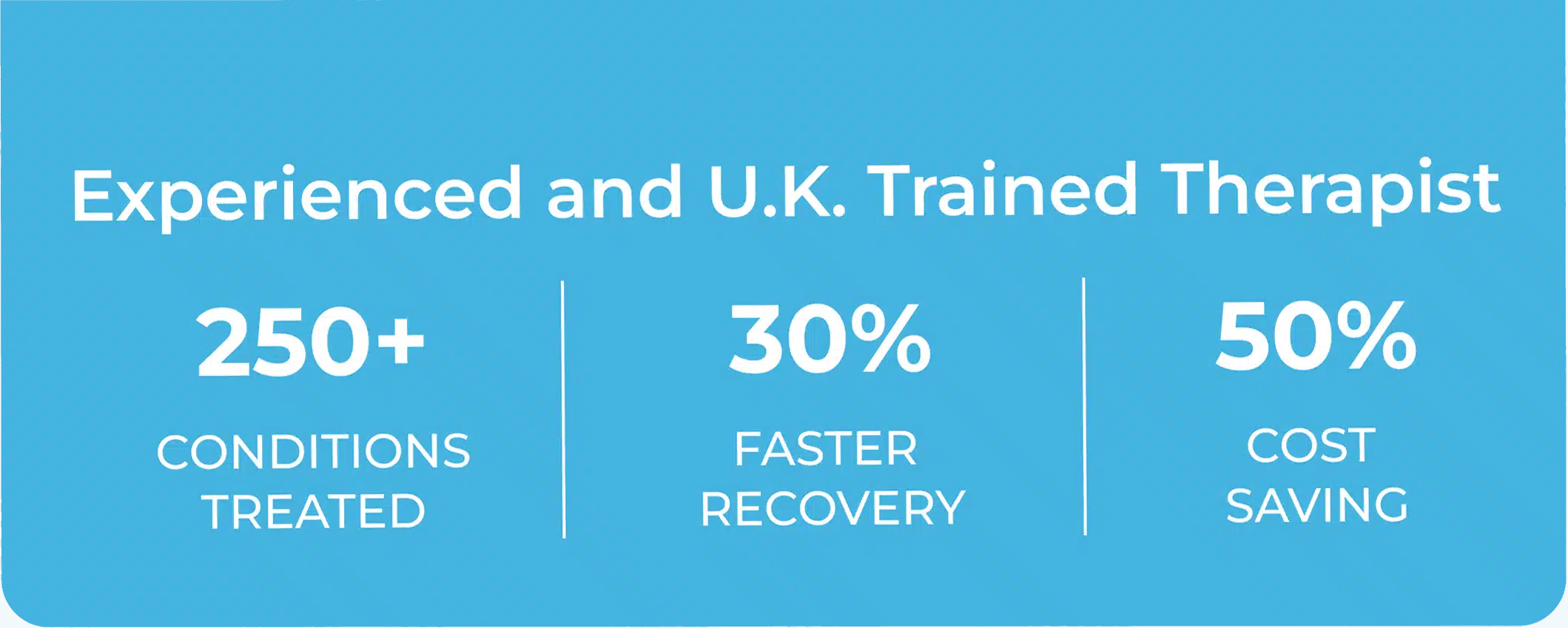

We are your doctor’s first choice and trusted by 50,000+ patients.
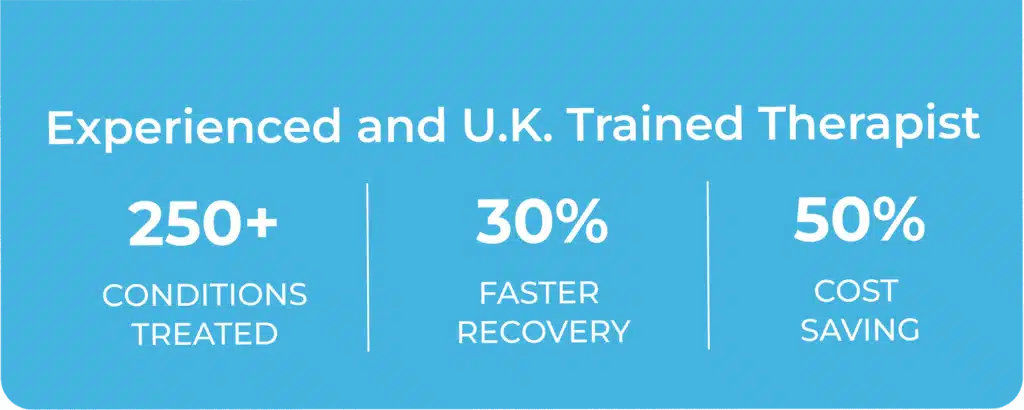
We are your doctor’s first choice and trusted by 50,000+ patients.
We are your doctor’s first choice and trusted by 50,000+ patients.


