



Reviewed & Verified by
Dr. Apoorva
Telehealth physical therapy allows you to work with a licensed physical therapist from your home through video sessions. It’s also called virtual physical therapy, online physiotherapy or remote rehab.
Not every patient feels comfortable with driving to a clinic, instead you can connect from your home using your phone, laptop, or tablet. Your therapists usually evaluate your movement, your body’s response to the exercises, track your everyday progress and adjust your recovery plan according to it.
Modern digital physical therapy is thriving more than most people expect. Therapists can assess your posture, mobility,your balance, walking patterns, and exercise form through video sessions. You may ask for personalized online rehab sessions as well.
A telemedicine PT session usually includes:
For many patients, telehealth physical therapy offers a long-term rehabilitation solution and every session lasts only 30-60 minutes. It is best for people with busy schedules, transportation issues, or limited access to nearby clinics.
Traditional physical therapy usually happens inside a clinic, hospital, or rehab center where therapists will physically examine and treat you.
This has always been an untold rule for many complex injuries because therapists can use hands-on methods and specialized equipment that they can’t use during online physiotherapy sessions.
In-person treatments such as:
Remote rehab alone cannot replace the patients recovering from surgery, major injuries, or neurological conditions that in-patients clinics offer.
The difference between telehealth vs in-person physical therapy is not just online versus offline. It’s about what kind of support your body needs right now
Telehealth PT Works Best For:
In-Person PT Works Best For:
Telehealth vs in-person physical therapy is about matching the right treatment environment to the stage of recovery rather than better versus worse decisions.
You can still keep virtual physical therapy as a backup option but today, millions actively prefer it.
And the reasons behind it:
One of the major reasons patients quit rehab due to their busy schedules or no transportations.
At first, driving across town multiple times a week may not seem like a problem but when you start balancing work, traffic, family responsibilities, and fatigue, keeping up with appointments can be difficult.
With online rehab sessions, you can easily complete therapy from home without losing hours of your day. That convenience often leads to better consistency which leads to favourable outcomes.
Studies on rehabilitation adherence have shown that flexible scheduling and reduced travel demands may improve long-term participation in physical therapy programs
Many patients live far away from high-quality clinics or therapists. In some rural areas, finding an orthopedic surgeon or sports rehab services can simply mean driving 45 minutes back and forth.
Remote rehab eliminates that barrier by connecting you directly to licensed therapists regardless of your location. This has made telehealth physical therapy especially helpful for communities with limited access.
Online physiotherapy sessions are often considered as less expensive than traditional clinic visits even though your insurance coverage varies.
Patients may also save money from:
For long-term rehab plans, those savings can add up quickly.
Research also suggests that convenience and scheduling flexibility may improve long-term exercise adherence for some patients using telehealth rehabilitation.
One of the neglected advantages of digital physical therapy is that therapists can see the environment where your pain actually happens.
Your PT can monitor:
Traditional clinic environments cannot always recreate the real-world situations where symptoms actually occur.
Even though the telemedicine PT grows rapidly, it cannot fully replace certain aspects of face-to-face treatments.
There are situations where your therapist physically feeling tissue tension, joint movement, swelling, or muscle guarding may change the entire treatment plan.
Manual therapy remains incredibly valuable for:
No amount of video sessions can replace skilled hands when certain conditions require hands-on assessment.
Many specialised rehabilitation equipments only exist in clinical settings such as:
If you underwent any major surgery or had neurological conditions, you can recover from this level of support effectively.
Orthopedic problems often require telehealth physical therapy which many people tend to underestimate.
Conditions that often respond very well include:
In some cases, guided movement and exercise progression matter more than hands-on treatment for a successful recovery.
That’s why virtual physical therapy outcomes for musculoskeletal conditions are increasingly engaging comparable to in-clinic rehab.
Some injuries and surgeries may still require direct clinical supervision during your early recovery.
These commonly include:
However, even if you initially need in-person supervision, you may eventually transition to online physiotherapy later in your rehab process through a hybrid rehab model.
| Telehealth PT limitations | In-person PT Limitations |
|---|---|
| No hands-on manual therapy | Higher cost and insurance |
| Requires stable internet connection | Limited scheduling flexibility |
| Need a separate physical space at home | Long waiting times |
| Not ideal for cognitive or communication difficulties | Higher infection risk during COVID and flu season |
| Depends on patient-reported pain levels | Rural patients travel more than an hour |
One of the biggest changes in modern rehabilitation is that you no longer have to choose only one treatment format.
The most successful approach adapted now is a hybrid rehab model that combines both in-person care and telehealth physical therapy.
Rehab specialists recommend a hybrid PT model for:
This approach reduces frequent travel while still giving you access to hands-on treatment when needed.
Many rehabilitation specialists now consider blending both the telehealth vs in-person physical therapy is the future of rehabilitation.
Average Telehealth Physical Therapy Costs
Typical costs for telehealth physical therapy in the US include:
Many insurance providers now cover telemedicine PT similarly to traditional in-person visits because of expanded telehealth legislation.
Average In-Person Physical Therapy Costs
Traditional clinic sessions often cost:
Additional expenses may include:
This is another reason you can explore telehealth vs in-person physical therapy which is one reason many patients now prefer flexible hybrid rehabilitation models.
The best rehab choice depends more on your current recovery stage.
You can prefer virtual physical therapy if:
You may benefit more from in-person PT if:
While evaluating telehealth vs in-person physical therapy, the most intelligent approach would be choosing the format that helps you stay consistent during your recovery phase.
Get a free consultation with a licensed physical therapist at Resolve360 — available within 15 minutes of booking, 7 days a week, across all conditions.
Book Free Consultation at Resolve360 →Yes, telehealth physical therapy can be highly effective for many musculoskeletal conditions like back pain, neck pain, posture problems, and mobility issues. Studies show that virtual physical therapy may deliver results similar to in-person rehab when patients consistently follow guided exercises, recovery plans, and therapist recommendations from home.
Yes, many insurance providers in the United States now cover online physiotherapy and telehealth physical therapy services. Coverage depends on your insurance plan, state regulations, and provider network. Some plans cover virtual rehab sessions similarly to in-person physical therapy visits, including evaluations, exercise programs, and follow-up care.
For a virtual physical therapy session, you usually need a smartphone, tablet, or laptop with a camera and microphone, a stable internet connection, and enough space to move comfortably. Most telehealth PT sessions happen through secure browser-based platforms where therapists guide exercises, posture correction, and mobility training in real time.
Yes, telehealth physical therapy can support recovery after surgery, but most patients initially need in-person rehabilitation during the early healing phase. Once mobility improves and surgical wounds stabilize, virtual rehab sessions may help with exercise progression, strength building, movement correction, and long-term recovery supervision from home.
Most patients notice early improvements within 4 to 6 weeks of consistent virtual physical therapy, depending on the severity of the condition and commitment to exercises. Recovery speed may vary based on pain levels, mobility limitations, exercise consistency, and how closely patients follow their personalized telehealth rehab program.
You only need a device with internet access, comfortable clothing, and enough room to move safely during exercises. Online physiotherapy sessions are designed to be simple and accessible, allowing patients to complete guided rehabilitation, posture correction, stretching, and strengthening exercises directly from their homes.
Yes, remote rehab can work effectively after surgery once the early recovery stage is completed. Many patients begin with in-person care for wound monitoring and hands-on treatment before transitioning to telehealth physical therapy for ongoing exercise supervision, mobility training, pain management, and long-term rehabilitation support.

Dr. Nidhi Kumari
She has persuaded her bachelor’s from SGT University, Gurugram, she has done her internship at Dr. Ram Manohar Lohia Hospital, and persuade her Master in Physiotherapy from Chaudhary Charan Singh University, Meerut. She has previously worked with Orthocure clinic, Dr.Nasir physiotherapy rehabilitation, Quantum physiotherapy, and wellness center.
If you have more questions.
Dr. Nidhi
She has persuaded her bachelor’s from SGT University, Gurugram, she has done her internship at Dr. Ram Manohar Lohia Hospital, and persuade her Master in Physiotherapy from Chaudhary Charan Singh University, Meerut. She has previously worked with Orthocure clinic, Dr.Nasir physiotherapy rehabilitation, Quantum physiotherapy, and wellness center.
If you have more questions.
If you would like to know more about any of the health conditions, please fill up the form below and talk to Doctors on Resolve360 directly by asking a question.
We are your doctor’s first choice and trusted by 50,000+ patients.
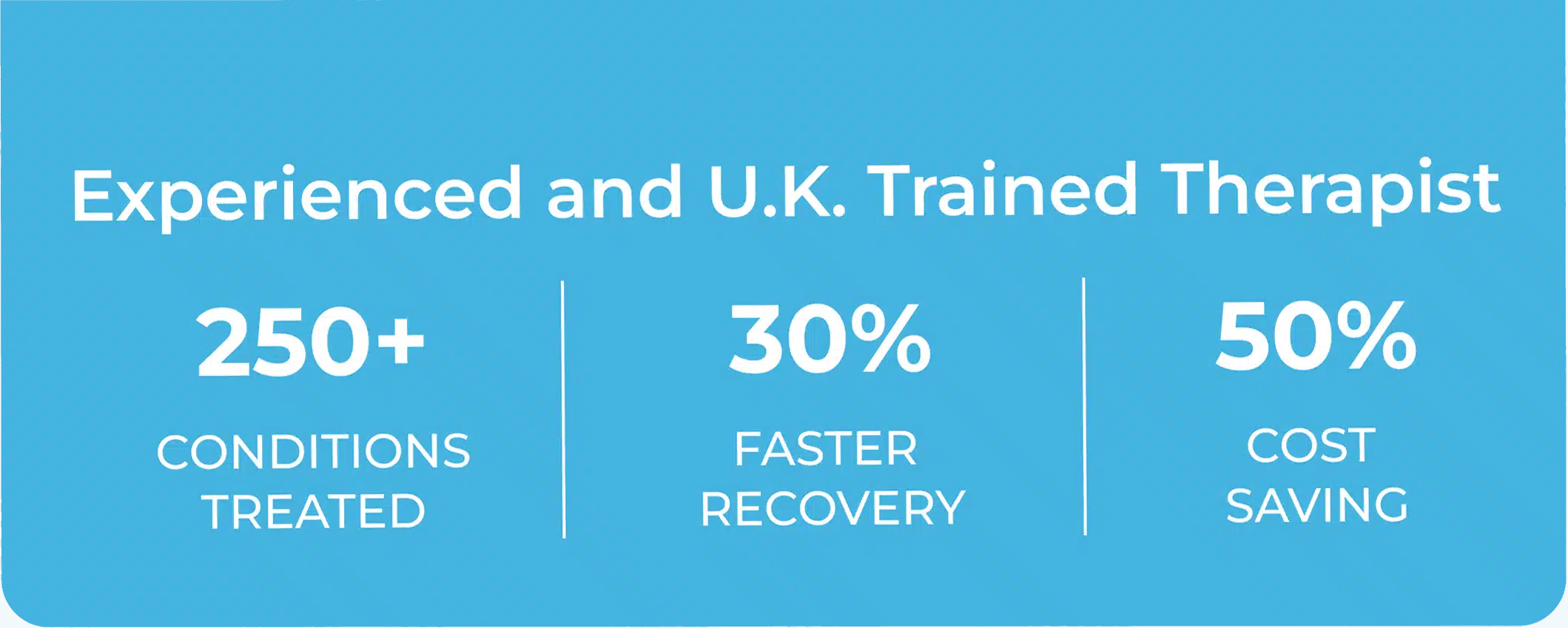

We are your doctor’s first choice and trusted by 50,000+ patients.
We are your doctor’s first choice and trusted by 50,000+ patients.
We are your doctor’s first choice and trusted by 50,000+ patients.


