


Reviewed & Verified by
Dr. Apoorva
That shooting pain you feel in your lower back, traveling through your hip, and traveling to your leg can be sciatica. Professionals who spend their whole day sitting at a desk, homemakers managing physically demanding work, or older adults who are dealing with age-related spine problems generally show the symptoms of sciatica.
You don’t have to worry about it, as you can opt for sciatica treatment physiotherapy. It works by releasing pressure on the sciatic nerve and regaining strength to prevent pain.
Most people consider sciatica a disease, but the truth is different. It is a symptom caused by compression of the sciatic nerve, resulting in irritation or inflammation.
The sciatic nerve is the longest in your body, starting from your lower spine, passing through your hips, and then traveling to each leg and foot. When this nerve is under pressure, it results in piriformis syndrome.
In India, most people get affected by sciatica because of their lifestyle habits, such as –
The success of sciatica treatment physiotherapy depends on identifying the real cause. Sciatica pain grows when there is pressure on the nerve, and some of the common reasons are –
Seek medical help if you lose bowel control along with sciatica pain, as it can lead to a medical emergency.
It is the most asked question: Can physiotherapy cure sciatica?
The honest answer is – YES! The clinical outcomes showed that sciatica physiotherapy is a highly trusted way to treat the pain compared to surgery or medications.
A well-structured sciatica treatment physiotherapy aims to recover function, movement, and prevent relapse. The patients who start physiotherapy within the first 90 days of showing symptoms have a high chance of recovering faster. It’s so because it targets underlying problems like weak core stability, poor posture, or movement patterns.
An effective physiotherapy for sciatica is not the same for all. A licensed physiotherapist starts the treatment with a detailed assessment of spinal mobility, your posture, muscle strength, and nerve sensitivity.
In this, the prime goal of sciatica pain physiotherapy is to calm the irritated nerve through skilled hand techniques. This targets soft tissue release, spinal mobilisation, and joint manipulation. The therapy is ideal for patients with lower spine pain or a tight piriformis muscle. Within 2-3 sessions, they start getting relief.
If your movement is painful, there is a sciatic nerve restriction. Different methods like neural mobilisation and nerve gliding are used to relieve the problem.
This therapy is best for long-term recovery, not just symptom relief.
The sciatica treatment physiotherapy works on the tight muscles that increase pressure on the nerve. These exercises are planned according to your condition and include –
Thus, it is possible for you reducing stiffness and recover movement.
The biggest reason behind recurring sciatica is weak support around the spine. This happens because of bad posture. A good physiotherapy for sciatica emphasizes –
It is advisable to use a chair with proper back support and correct your work lifestyle.
In clinics, physiotherapists use procedures like TENS (transcutaneous electrical nerve stimulation) or therapeutic ultrasound for relieving inflammation.
But remember that these treatments are only supportive methods for the physiotherapy for sciatica program.
It’s the most misunderstood way of treatment. A trusted physiotherapist guides you properly on when to use this therapy because time matters.
If done wrong, this treatment can worsen the condition. Therefore, you should trust a structured physiotherapy.
If you are following a well-planned sciatica pain physiotherapy at home, then you will be successful in regaining strength and improving mobility.
Lie on your back and slightly pull one knee toward your chest. Hold this position for 20-30 seconds and repeat on the other side.
Benefit – reduces lower back pain, decreases spinal compression, and comforts nerve pressure.
Just lie on your back and cross one ankle over another. Now, gently pull both legs toward the chest.
Benefit: It targets the tight muscles of piriformis that cause sciatic nerve irritation.
On a chair, sit upright and straighten one leg while pulling your toes upward. Now, return to the starting position.
Benefit: Useful in improving nerve mobility through nerve movement exercises. It decreases stiffness in the leg.
Start with all fours by extending the opposite arm and leg. Hold it for 5-10 seconds and switch the sides.
Benefit: This exercise is best for stabilizing your muscles to provide long-term relief.
Lie on your back and mildly press your lower back into the floor by tightening the abdominal muscles.
Benefit: It supports spinal alignment and helps manage slipped disc sciatica.
Lie facing down and start lifting your upper body slowly. Use your elbows or hands to keep your hips grounded.
Benefit: You can use the McKenzie method to reduce pain and move it back to the spine.
These evidence-based movements are commonly used in physiotherapy programs.
Bad posture is known to be the prime reason behind sciatica recurring. Here are some common yet powerful tips to follow to prevent this condition.
With regular home physiotherapy for sciatica, it is possible to address your problem and relieve pain.
Can physiotherapy cure sciatica?
This is the biggest question that comes to almost every patient’s mind. Even if you are doing the right exercises, there are certain habits that can affect your progress. By making some common mistakes, you can increase the nerve irritation, delay healing, and cause recurring pain.
Here’s what you should look into:
Long inactivity: If you are lying on your back for a long time, it will weaken the muscles that support your spine. Hence, it is suggested to perform physiotherapy regularly.
Using heat from acute pain: Heat is known for increasing blood flow. That’s why it is advisable to apply heat for the first 48-72 hours. But, before heat, apply ice to decrease muscle stiffness.
Following random exercises from YouTube: Note that all exercises are safe for sciatica. If you do aggressive exercises, such as hamstring stretches, then it will degrade your condition. Therefore, always follow the physiotherapy for sciatica depending on your medical condition.
Ignoring postures between sessions: If you do 20 minutes of exercise and sit badly for the whole day, then it hampers your progress. Poor posture results in repeated pain.
Stopping treatment too early: Stop making this mistake if you stop doing exercises once the pain reduces. It doesn’t mean your problem is fully resolved. Hence, it is the first reason for sciatica relapse.
Sleeping the wrong way: Avoid sleeping on your stomach as it can strain your spine. Use a pillow between your knees to promote spinal alignment.
Always remember that, if you don’t avoid these mistakes, they can slow down your recovery. Fix your lifestyle habits to strengthen your muscles.
If you think recovery happens overnight, think again – Is it really true?
The right sciatica pain physiotherapy helps you achieve quicker results. For this, do contact a trusted licensed physiotherapist who will give you a customized treatment plan ideal for nerve healing.
Here are stage-by-stage recovery phases to notice changes.
This phase includes manual therapy to get the immediate effects. While performing therapy, the professionals focus on:
Many patients witness a 20-30% reduction in pain at this phase by following sciatica physiotherapy.
Once the pain reduces, the targeted exercises are introduced. It includes:
In this stage, pain will improve by about 50-60%.
Here, the focus shifts to restoring full recovery from decreasing pain. You will focus on:
You will gain your confidence back and expect the recovery.
This is a stage where you can get almost full recovery by following consistent physiotherapy. For this, you have to:
You can ensure long-lasting results.
Don’t think about delaying the treatment, as it results in prolonged recovery. It is better to start early on seeing the symptoms and contact a doctor if:
Immediately contact the doctor if you notice loss of bladder or bowel control.
Get a free consultation with a licensed physical therapist at Resolve360 — available within 15 minutes of booking, 7 days a week, across all conditions.
Book Free Consultation at Resolve360 →Absolutely yes! The therapy is ideal for curing pain without taking medicines in many patients. Certain methods, like gentle nerve exercises or improving posture, help in targeting the root cause. With regular therapy, it is possible to reduce the dependency on painkillers and recover faster.
The therapy is best for decreasing nerve pain. The physiotherapy exercises can relieve pressure on nerves and improve flexibility, reduce inflammation, and support muscles. To get the best result, contact a trusted physiotherapist who will support you at every point of recovery.
The top benefits associated with online physiotherapy include improved mobility, pain relief, healthy posture, stronger core stability, and minimal recurrence risk. Moreover, with regular exercises, you can manage conditions such as spinal stenosis and slipped disc sciatica without undergoing any surgery.
Indeed! Walking is quite beneficial during physiotherapy. It’s so because it reduces stiffness, improves blood flow, and supports healing. However, it is important to combine different physiotherapy exercises to get the best results.
Of course! Physiotherapy is good for preventing future pain. It not only strengthens the spine by performing core stability exercises, but also improves postural alignment. With long-term treatment, there is a possibility of minimizing the risk of recurrence.
Certain medical conditions are effectively treated with physiotherapy. These conditions are slipped disc sciatica, spinal stenosis, piriformis syndrome, and chronic lower back pain. The targeted exercises can easily reduce nerve compression and improve function.
Yes, home physiotherapy is safe for almost all age groups, only if guided by expert physiotherapists. They provide you with a customized plan according to age, medical condition, and pain level. The therapy usually emphasizes safe movements for regaining flexibility.
Physiotherapy at home is actually best in calming pain, improving movement, and coming back to normal activities. If your symptoms are getting better with time, that means the exercises are doing their work well.

Dr. Nidhi Kumari
She has persuaded her bachelor’s from SGT University, Gurugram, she has done her internship at Dr. Ram Manohar Lohia Hospital, and persuade her Master in Physiotherapy from Chaudhary Charan Singh University, Meerut. She has previously worked with Orthocure clinic, Dr.Nasir physiotherapy rehabilitation, Quantum physiotherapy, and wellness center.
If you have more questions.
Dr. Nidhi
She has persuaded her bachelor’s from SGT University, Gurugram, she has done her internship at Dr. Ram Manohar Lohia Hospital, and persuade her Master in Physiotherapy from Chaudhary Charan Singh University, Meerut. She has previously worked with Orthocure clinic, Dr.Nasir physiotherapy rehabilitation, Quantum physiotherapy, and wellness center.
If you have more questions.
If you would like to know more about any of the health conditions, please fill up the form below and talk to Doctors on Resolve360 directly by asking a question.
We are your doctor’s first choice and trusted by 50,000+ patients.
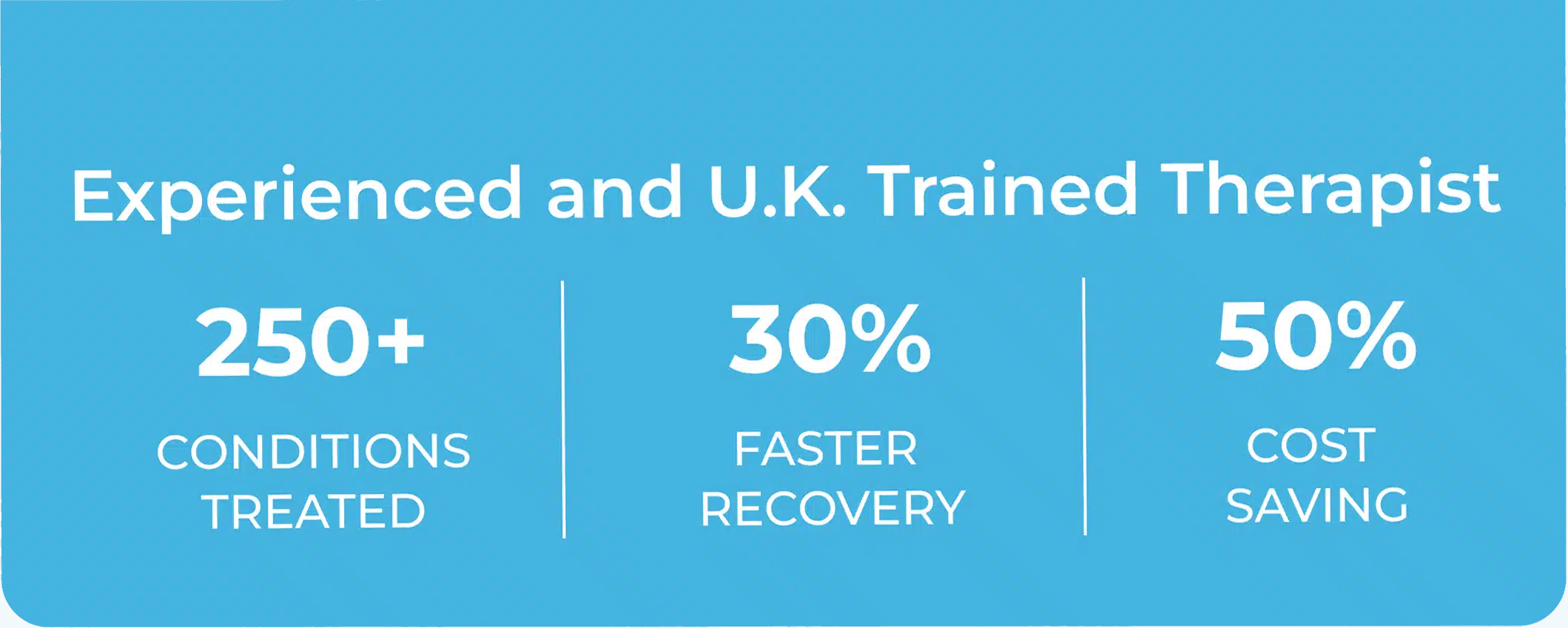

We are your doctor’s first choice and trusted by 50,000+ patients.
We are your doctor’s first choice and trusted by 50,000+ patients.
We are your doctor’s first choice and trusted by 50,000+ patients.
