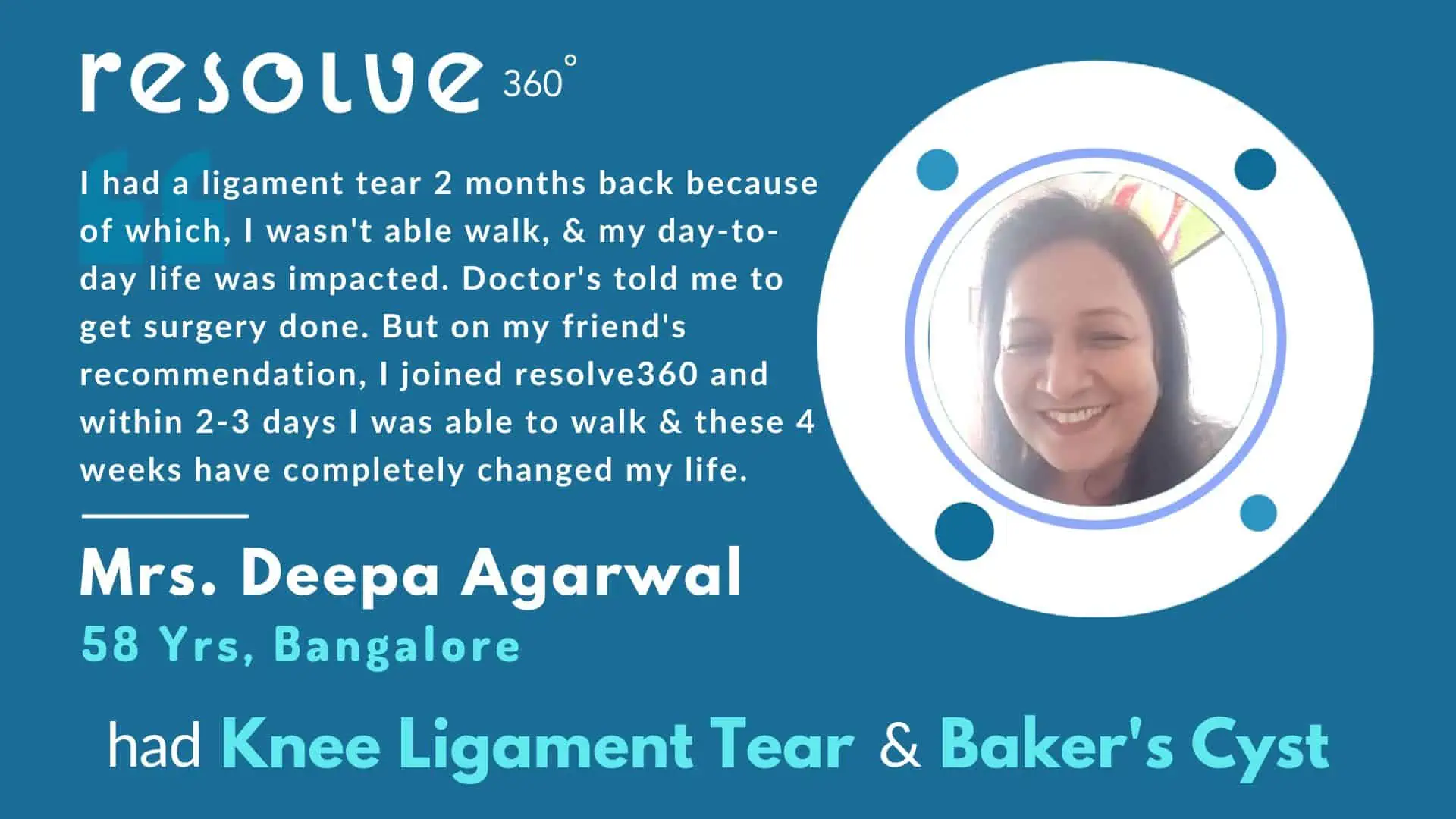
An ACL tear may sound scary, but your recovery doesnāt depend only on surgery ā it depends on how well you retrain your knee. Through structured physiotherapy, we help your body rebuild strength, balance, and control so you can move freely again. Itās not just about bending the knee ā itās about restoring trust in your movement, confidence in every step, and long-term protection from future injuries.ā
Physiotherapy plays a central role in every ACL recovery ā helping reduce pain, regain movement, and rebuild muscle strength.
An anterior cruciate ligament (ACL) tear can stop anyone ā from a professional athlete to someone who just enjoys staying active. The sudden pain, swelling, and that shaky feeling in your knee can make even simple things like walking, sitting, or climbing stairs difficult.
But hereās the hopeful part ā with a structured physiotherapy program for ACL tear recovery, most people regain full knee strength and mobility, often without needing surgery.
Thatās where expert guidance matters most. Physiotherapists trained in ACL physiotherapy follow a structured recovery plan that helps rebuild strength, balance, and joint stability safely.
The ACL (Anterior Cruciate Ligament) is a strong band of tissue inside your knee that connects your thigh bone (femur) to your shin bone (tibia). It keeps your knee stable during twisting or sudden direction changes ā which is why itās often injured in sports like football, basketball, or running.
An ACL tear happens when this ligament stretches beyond its limit or completely ruptures. It can occur due to:
Depending on severity, ACL injuries are classified as:
No matter the grade, Physiotherapy for ACL tear plays a vital role in recovery. It helps restore knee strength, improve stability, and prevent future injury ā allowing you to return to sports and daily life safely.
An ACL tear often happens suddenly ā during sports, workouts, or even a quick turn while walking. You might not realize it right away, but your knee will soon show warning signs.
You may have an ACL tear if you notice:
Ā
If youāre experiencing these symptoms, donāt ignore them. Early care makes a big difference. Starting ACL tear physiotherapy treatment as soon as possible ā even with gentle, guided exercises ā helps reduce pain, control swelling, and protect your joint from further damage.
The sooner you begin your physiotherapy for ACL tear, the faster your knee can heal and regain strength.
After an ACL tear, real healing begins not just with rest ā but with the right physiotherapy for ACL tear. Physiotherapy helps your knee regain strength, stability, and confidence step by step.
Hereās how it supports recovery:
A structured ACL physiotherapy protocol always begins with an assessment to understand your pain level, movement limits, and muscle strength. Based on this, your physiotherapist designs a recovery plan ā whether youāre healing after surgery or without it.
Each phase focuses on safe progress, helping you return to walking, exercising, and sports with confidence.
Also Read:Ā Physiotherapy For Joint PainĀ Ā ;Ā Physiotherapy For Disc Burge
Every ACL recovery journey is different. The right physiotherapy plan depends on whether the tear is partial or complete, and whether surgery was done. However, the updated 2025 ACL physiotherapy protocol generally follows three key stages, each focused on safe progress and steady healing.
Goal: Control pain, reduce swelling, and begin gentle knee motion.
Key treatments and exercises:
Precautions:
Avoid deep knee bends, twisting, or sudden movements. Stay within your pain-free range and move slowly. This phase focuses on comfort and healing, not strength.
Goal: Rebuild muscle strength and restore knee mobility.
Key exercises:
During this stage, the physiotherapist gradually adds light resistance training and balance drills to retrain knee stability. The focus is on controlled movement and rebuilding confidence.
Goal: Regain full strength, balance, and readiness for daily or sports activities.
Key exercises:
In this final stage, exercises become more dynamic. You work on functional strength, endurance, and agility to return safely to sports or daily life.
āEach ACL physiotherapy protocol must be customized,ā explains Dr. Meera Shah, Senior Physiotherapist. āThe best results come when progress is monitored closely and exercises are adjusted to each personās comfort and goals.ā
| Stage | Duration | Goal | Key Exercises / Treatments | Precautions |
|---|---|---|---|---|
| Stage 1: Early Phase | 0ā3 Weeks | Control pain and swelling; begin gentle knee movement | – Ice therapy and compression – Ankle pumps – Quad sets – Heel slides | – Avoid deep knee bends or twisting – Move slowly within a pain-free range |
| Stage 2: Strength & Mobility Phase | 3ā8 Weeks | Build muscle strength and restore knee mobility | – Straight leg raises – Bridging – Stationary cycling – Mini squats – Heel props | – Avoid overloading the knee – Increase resistance gradually |
| Stage 3: Advanced Strength & Return to Activity | 8ā16 Weeks | Regain full strength, balance, and stability | – Step-ups and step-downs – Single-leg balance drills – Proprioception training – Controlled jogging or skipping (as approved) | – Follow physiotherapistās guidance – Avoid high-impact movements until cleared |
After an ACL tear, exercises are the foundation of recovery.
Physiotherapy exercises help rebuild knee strength, stability, and flexibilityāall without putting stress on the healing ligament.
Each movement below has a specific purpose. Start gently and always perform them under a qualified physiotherapistās supervision for safe progress.
Quad sets are usually the first exercise taught after an ACL injury or surgery. They help wake up your thigh muscles, which often become weak or inactive due to pain and swelling.
How to do:
Ā
Benefit: Reactivates your quadriceps early, improves blood circulation, and prevents muscle atrophy.
This gentle motion exercise helps restore the bending (flexion) of your knee, which is often limited after an ACL injury.
How to do:
Ā
Benefit: Prevents stiffness, improves joint mobility, and prepares your knee for walking.
Ankle pumps are simple yet powerful. They keep your blood flowing and help prevent swelling or clots after an ACL injury or surgery.
How to do:
Ā
Benefit: Reduces swelling, improves circulation, and aids in faster healing.
Straightening the knee fully is just as important as bending it. Heel props use gravity to gently stretch your knee and restore full extension.
How to do:
Ā
Benefit: Helps regain full knee straightening, reduces tightness, and improves walking pattern.
Once you can perform quad sets comfortably, straight leg raises help strengthen your thigh muscles without bending the knee.
How to do:
Ā
Benefit: Builds quadriceps strength and supports knee stability without straining the ACL.
Strong hips and hamstrings protect your knee from excess strain. Bridging activates these key muscles for stability.
How to do:
Ā
Benefit: Improves hip and hamstring strength, enhancing overall knee control.
Once you can bend your knee comfortably, stationary cycling helps improve flexibility and muscle coordination.
How to do:
Ā
Benefit: Improves joint mobility, increases blood flow, and enhances knee endurance.
Mini squats help restore functional movement like sitting and standing, without putting too much load on your knee.
How to do:
Ā
Benefit: Strengthens thighs and glutes while improving knee control and balance.
Step-ups mimic everyday activities like climbing stairs and help rebuild confidence in your injured leg.
How to do:
Ā
Benefit: Improves strength, coordination, and balance required for daily activities.
After ACL injury, your brain needs to ārelearnā how to balance and control knee movement. These drills retrain your stability.
How to do:
Ā
Benefit: Improves joint awareness (proprioception), reduces the risk of re-injury, and enhances stability for sports.
Also Read:Ā Physiotherapy ForĀ Back Pain ;Ā Physiotherapy For Knee Pain
Start your day with gentle movements to reduce morning stiffness and activate blood flow around the knee joint.
These short strengthening exercises help rebuild muscle support for your knee during the day.
Before bed, finish with calm, stability-based exercises that relax muscles and improve coordination.
This short routine combines flexibility, strength, and balance ā the three pillars of ACL tear physiotherapy exercises.
Even 10 minutes a day, when done regularly, can:
Consistency is key ā do these every day, and youāll gradually notice smoother movement and less discomfort.
Patient Name: Ravi Kumar, 32 years, Pune, India
Condition: Early-stage Ankylosing Spondylitis with chronic morning stiffness, lower back pain, and reduced flexibility.
Ravi approached Resolve360 after experiencing persistent back stiffness that interfered with his daily routine. Following a detailed online assessment, our physiotherapy team evaluated his spine mobility, posture, and muscle strength through secure video consultations.
A personalized eight-week online physiotherapy program was then designed to address his specific needs and lifestyle. The treatment plan included:
Ā
After eight weeks of consistent physiotherapy with Resolve360, Ravi reported:
Ā
Raviās recovery demonstrates how structured online physiotherapy can deliver outcomes comparable to in-person sessions when tailored by qualified professionals. Regular therapist supervision, posture tracking, and progressive exercise programming played a key role in his improvement.
This case highlights that Ankylosing Spondylitis can be effectively managed through virtual physiotherapyāespecially when patients receive consistent guidance, education, and motivation.
Resolve360 continues to support patients across India in improving mobility, posture, and quality of life from the comfort of their homes.
Recovering from an ACL injury doesnāt have to mean endless clinic visits or waiting for appointments.
At Resolve360, our online ACL physiotherapy treatment programs are designed by certified physiotherapists who specialize in ligament and knee rehabilitation. Whether youāre recovering after surgery or managing a partial tear without surgery, our team guides you step by step ā right from your home.
Resolve360ās digital care platform allows anyone to receive expert ACL physiotherapy online from anywhere in the world ā whether youāre in India, the USA, the UK, or any other country.
All you need is an internet connection to start your recovery journey with professional guidance and personal support.
š Book your personalized ACL physiotherapy program today: https://resolve360.app/
Patient: Aarav Mehta, 27, Mumbai
Condition: Partial ACL tear from a football injury
Treatment: 12-week online physiotherapy for ACL tear through Resolve360
Aarav, a recreational football player, injured his knee during a sudden pivot on the field. The diagnosis ā a partial ACL tear ā left him unable to run or even walk comfortably without his knee feeling unstable.
Instead of opting for surgery, Aarav decided to try structured online physiotherapy under expert guidance. His program focused on progressive strengthening, balance training, and movement correction ā all monitored virtually through live sessions.
Ā
āAaravās recovery shows how a well-structured online ACL physiotherapy program can safely rebuild knee strength, stability, and confidence,ā says Dr. Meera Shah, Senior Physiotherapist.
This case highlights how consistent online physiotherapy, guided by professionals, can help many patients around the world recover from ACL injuries ā even without surgery ā while staying active and independent at home.
When dealing with an ACL tear, one of the most common questions patients ask is:
āDo I really need surgery, or can physiotherapy alone help me recover?ā
The answer depends on the severity of the tear, your activity level, and your knee stability.
Hereās a simple comparison to help you understand the difference between surgical ACL reconstruction and non-surgical (physiotherapy-based) treatment.
| Feature | Surgical ACL Reconstruction | Non-Surgical (Physiotherapy) |
|---|---|---|
| Recovery Time | 6ā9 months | 3ā4 months |
| Cost | High (hospital + surgery expenses) | Much more affordable |
| Focus | Rebuilds the torn ligament using a graft | Strengthens surrounding muscles to support the joint |
| Risk | Involves anesthesia and surgical complications | Minimal, when guided by a physiotherapist |
| Physiotherapy Role | Essential for post-surgery recovery and muscle training | Acts as the primary treatment for pain, strength, and knee control |
Physiotherapy for ACL injuries has evolved rapidly over the past few years.
New research from 2024ā2025 highlights how early, structured, and personalized care can dramatically improve recovery outcomes ā even without surgery.
Here are the most recent clinical insights and global updates shaping ACL rehabilitation in 2025:
Early Physiotherapy Reduces Re-Surgery Risk by 40%
Starting physiotherapy within the first two weeks after injury helps reduce swelling, improve strength, and lower the need for surgical intervention in mild to moderate ACL tears.
1. Balance and Proprioception Training Prevent Future Tears
Studies show that exercises improving body awareness and balance can significantly reduce re-injury risk, especially in athletes returning to sports.

Ā
2. Online Physiotherapy Shows 90% Patient Satisfaction
Virtual sessions offer convenience and expert guidance from home. Patients report better consistency and faster progress due to regular therapist monitoring.
Ā
3. Resistance and Functional Training Boost Recovery Speed
Controlled resistance exercises ā such as mini squats, bridging, and cycling ā accelerate muscle rebuilding while protecting the healing ligament.
Ā
4. Cycling and Hydrotherapy Improve Flexibility Safely
Low-impact activities like stationary cycling and water-based therapy enhance joint motion without putting stress on the ACL graft or healing tissue.
Ā
5. 2025 Rehab Guidelines Recommend 12ā16 Weeks of Guided Physiotherapy
Updated protocols emphasize at least three months of structured ACL rehabilitation before returning to sports or heavy activity to ensure complete joint control.
Ā
6. AI-Based Motion Analysis Improves Remote Care
Innovative AI tools (like those integrated into Resolve360ās online programs) track movement accuracy and posture correction in real time, enhancing exercise safety and effectiveness.
Ā
7. Global Trend: 1 in 3 ACL Patients Now Prefer Online Physiotherapy
With global accessibility and expert-led sessions, more patients are choosing virtual physiotherapy for ACL tear recovery ā making it one of the fastest-growing trends in sports rehabilitation.
Expert Physiotherapists: Our team includes specialists in knee and sports injury rehabilitation, ensuring you receive expert care for your ACL recovery.
Online Global Access: Whether youāre in the UK, USA, India, or anywhere else in the world, you can access world-class online physiotherapy with Resolve360 ā right from your home.
Personalized Programs: Every ACL physiotherapy plan is tailored to your pain level, recovery stage, and mobility goals ā no generic routines.
Evidence-Based Methods: We use the latest 2025 research-backed techniques for faster, safer, and more sustainable recovery.
Affordable & Convenient: Skip travel and clinic visits while enjoying professional physiotherapy care at an affordable price from anywhere in the world.
Resolve360 App: Stay connected with your physiotherapist, follow guided exercise videos, and track your recovery progress using the Resolve360 app, available on both the Play Store and App Store.
āAt Resolve360, physiotherapy isnāt just about healing ā itās about helping you move stronger, faster, and safer every day.ā
Yes, physiotherapy for ACL tear is the most effective natural recovery method. It reduces pain, restores movement, and strengthens the knee joint. A guided ACL physiotherapy program prevents stiffness, rebuilds balance, and helps avoid surgery for partial ACL injuries.
Top ACL tear physiotherapy exercises include:
These ACL rehabilitation exercises improve flexibility, muscle strength, and knee stability. A licensed physiotherapist ensures correct form and prevents strain during recovery.
Yes. With consistent ACL tear physiotherapy treatment, most patients regain full knee function. Strength, balance, and coordination exercises rebuild stability and prevent re-injury. Whether post-surgery or non-surgical, ACL physiotherapy ensures long-term joint health.
Post-surgery ACL physiotherapy should begin within 5ā7 days of the operation. Early gentle movement helps prevent stiffness and swelling. Later stages of the ACL physiotherapy protocol focus on balance, agility, and muscle control for full return to activity within 12ā16 weeks.
The structured ACL physiotherapy protocol is often called the Agility and Plyometric Program. It includes strength, mobility, and coordination training that restores power and knee control ā ideal for athletes and active individuals after ACL injury.
Without proper ACL physiotherapy treatment, patients risk stiffness, weakness, and long-term instability. Physiotherapy restores motion, prevents joint locking, and ensures pain-free daily movement like walking, running, or climbing stairs.
Non-surgical ACL tear physiotherapy treatment focuses on strengthening and balance exercises. Activities like cycling, bridging, and single-leg stance build control and stability. With guided physiotherapy for ACL tear, mild or partial tears can heal naturally without surgery.
Physiotherapy cannot regrow the torn ligament, but it strengthens surrounding muscles to stabilize the knee. Through targeted ACL tear physiotherapy exercises, patients regain motion, reduce pain, and often avoid reconstruction for partial tears.
Yes, mild or partial ACL injuries can be managed effectively through ACL physiotherapy. Progressive ACL rehabilitation exercises restore strength, movement, and confidence for daily and sports activities without instability or discomfort.
A full ACL physiotherapy program usually lasts 12ā16 weeks. Early sessions control pain and swelling; later sessions focus on strength, agility, and endurance. With regular practice, patients achieve complete recovery and safe return to sports or work.
Dr. Nidhi Kumari
She has persuaded her bachelor’s from SGT University, Gurugram, she has done her internship at Dr. Ram Manohar Lohia Hospital, and persuade her Master in Physiotherapy from Chaudhary Charan Singh University, Meerut. She has previously worked with Orthocure clinic, Dr.Nasir physiotherapy rehabilitation, Quantum physiotherapy, and wellness center.
If you have more questions.
Dr. Nidhi
She has persuaded her bachelor’s from SGT University, Gurugram, she has done her internship at Dr. Ram Manohar Lohia Hospital, and persuade her Master in Physiotherapy from Chaudhary Charan Singh University, Meerut. She has previously worked with Orthocure clinic, Dr.Nasir physiotherapy rehabilitation, Quantum physiotherapy, and wellness center.
If you have more questions.
Also Read: Back Pain: Causes and Treatment
If you would like to know more about any of the health conditions, please fill up the form below and talk to Doctors on Resolve360 directly by asking a question.
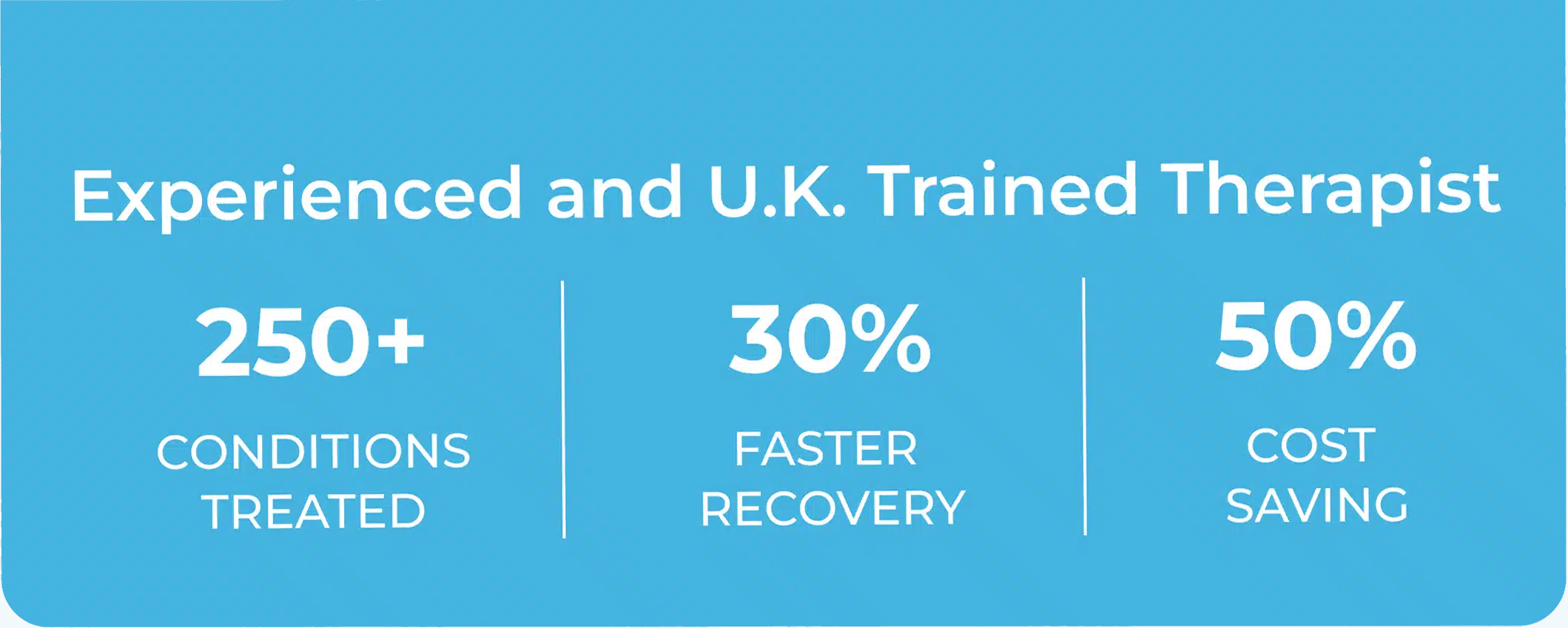
We are your doctorās first choice and trusted by 50,000+ patients.



Resolve360 is great platform for online physiotherapy.
I was suffering from scapula dyskinesia and had lot of pain in right shoulder movement. I was introduced to Resolve 360 by my oncologist.
Within a month (26 sessions) there was a considerable improvement. Sessions are very cost-effective and doctors are very kind and efficient.
Doctor David has been really great and helpful. I would highly recommend Resolve 360.
I took prenatal care program from Resolve 360. Dr. Preyrna was assigned to me and she has done commendable job. I did prenatal exercises under her supervision, she designed program according to my body need. With her help my pregnancy was healthy and I got good dilations at the time of delivery. I am blessed with a healthy baby girl and very happy with Resolve 360.
Best therapy sessions that too at home and timings are very flexible. I had a issue in my neck and lower back since almost 4 to 5 years, taken so many treatments and physio sessions. But all gave a temporary relief. Then my friend referred me this Resolve 360 in 2020, in starting i was hesitant as everything was online, but after taking almost 10 sessions i got much relief, and now i am almost free of pain. Thanks to the team of Resolve 360.
I had online Physiotherpy sessions by Prerana for my heel pain. ( Tendo Achilis Sprain).
Though virtual, it was more interactive.
She was very observant throughout the sessions, correcting me while doing the exercises and was assertive in her outlook.
I found her instructions and methodology very helpful. She is updated in her academic knowledge in the field of Physiotherpy. She clarified my doubts about the role of Laser and Ultrasound treatment quoting evidence based data. With my personal experience I agree with her opinion that these are more of placebo effect.
Physiotherpy though not a miracle treatment, is a compelling necessity to most of the musculoskeletal and neurological illnesses. It needs to be accepted as healthy way to live.
From being a couch potato with poor cardio respiratory system to reaching pre-athlete levels of fitness in a span of 3 months, my journey with Resolve360 and Dr.David (Physiotherapist) has been anything but magical!
About 3 to 4 months ago, my blood report showed very high bad cholesterol levels, I was low on stamina and had frequent breathing issues. My GP prescribed me cholesterol meds for a month but I felt that alone wouldnāt get me back in shape because I needed a major lifestyle overhaul.
Dr.David educated me about my condition in detail and where it could lead me to if I donāt take action in the long run. He put me on a balanced workout regime being easy with cardio workouts in the initial days and gradually upgraded it observing me closely. He also advises me on dietary choices and follows up frequently. During the initial days, my ears used to get blocked within 5 wall squats and I stop right away but now I do over 20 in one shot and hardly feel a thing. I used to lose balance and fall off over my face within 6 push-ups or 20 seconds of plank and now I do about 24 push-ups in one shot. My heart rate used to raise above 150 bpm doing jumping jacks or other cardio workout within 20-30 seconds. You wonāt believe I donāt do any of these cardio workouts without additional weights on my feet these days and my heart rate and recovery are as steady as they could get. I couldnāt run for over 2 min without stopping and gasping and now I cover about 4.6 km in 30 min and follow-up with a 20 min walk. Not convinced yet? My VO2 Max (I use an Apple Watch to measure this stat) was just about 33 while I started with Resolve360 and David. That reflects a very poor cardio respiratory fitness for a 34 year old. Itās 43.5 today ! Easily above average. Please read upon about VO2 Max and how it directly relates to cardio respiratory fitness so you get an accurate picture about my monumental progress in the last 3 months. Iāve been trying to get into a regular physical workout and balanced diet discipline since my 20s but Iād never been so motivated as Iām now. Give these guys a try. After all, the best investment you could ever make is on your health !
We contacted resolve360 for our child speech issue and I must say Resolve 360 team and Apoorva doing a wonderful job.
Our speech therapist Jaslia from Resolve360 is having a excellent knowledge and it helps our child a lot. Jaslia understand child psychology very well. Due to her efforts, we are seeing tremendous improvements in our child. She has a strong dedication towards her work and her nature towards kids makes her a very special one. She has given us enough confidence, due to her efforts and excellent service, we are seeing good improvements for my child speech & communication skills.
I would highly recommend Jaslia & Resolve360 team for their excellent work. God bless you!!