



After a total knee replacement (TKR), physical therapy starts within hours of surgery and typically lasts 6 to 12 weeks. You'll visit a physical therapist 2–3 times per week for in-clinic sessions, plus daily home exercises. Recovery follows three phases: early mobility (weeks 1–4), strength building (weeks 5–8), and return to activity (weeks 9–12+). Most patients walk without a cane by week 6 and return to light activities like walking, cycling, and cooking by week 12. Starting PT early is the single biggest factor in a faster, smoother recovery.
You just had knee replacement surgery. The hard part is done — or so you thought. Now comes physical therapy, and you probably have a hundred questions. How long will this take? How much will it hurt? What exactly will my physical therapist do to me?
This guide answers all of it. In simple, clear language — no medical jargon, no fluff. Whether you’re preparing for surgery or already in recovery, reading this will help you feel confident, not scared.
A lot of patients think surgery fixes the knee. Surgery replaces the joint — but your muscles, tendons, and ligaments still need to learn how to work with the new hardware. Without physical therapy, you risk stiffness, blood clots, muscle weakness, and a knee that never reaches its full potential.
Think of PT like installing new software after upgrading your computer’s hardware. The new parts are in — now the system needs to be reconfigured to use them properly.
Dr. Donovan Johnson, a Fellowship-trained Hip and Knee Replacement surgeon, puts it simply: “Therapy is vital to obtaining the best functional outcome possible after a knee replacement as it can aid in pain control, improve motion, and expedite recovery.”
Here’s something that shocks almost every patient: physical therapy starts the same day as your surgery — usually within a few hours of waking up from anesthesia.
A physical therapist will come to your hospital room, help you sit up, and get you standing. This sounds scary, but it’s completely safe and critically important. Early movement prevents dangerous blood clots, stops scar tissue from forming, and wires your brain to trust the new joint.
Vincent Luppino, PT, DPT at a leading orthopedic hospital describes it well: “PT after knee replacement is like a pyramid. The foundation is improving your range of motion, which is the focus for the first six weeks after surgery.”
Every patient’s recovery is a little different. Age, overall health, fitness level before surgery, and how committed you are to your home exercises all play a role. That said, here’s what a typical recovery looks like in the United States in 2026:
PHASE 1 · DAY OF SURGERY
PHASE 2 · WEEKS 1–4
PHASE 3 · WEEKS 5–8
PHASE 4 · WEEKS 9–12+
Here’s a breakdown of the most common exercises used in knee replacement physical therapy, what they do, and when they’re introduced:
| EXERCISE | WHEN | WHY IT MATTERS |
|---|---|---|
| Ankle Pumps | Day of surgery | Prevents blood clots, keeps circulation moving |
| Quadriceps Sets | Day 1–2 | Activates the thigh muscle, supports the new joint |
| Heel Slides | Week 1 | Improves knee bending (flexion) |
| Straight Leg Raises | Week 1 | Builds quad strength without stressing the joint |
| Stationary Bike | Week 4–5 | Improves range of motion and cardiovascular health |
| Step-Ups | Week 5–6 | Prepares you to climb stairs confidently |
| Hip Abductions | Week 5–6 | Improves balance and hip stability |
| Mini Squats | Week 6–8 | Rebuilds functional strength for daily activities |
| Hamstring Stretches | Ongoing | Reduces back-of-leg tightness, common with knee issues |
Let’s be honest — physical therapy after knee replacement is not comfortable. But there’s an important difference between good pain and bad pain that every patient needs to understand.
⚠️ Call your doctor or PT if you experience:
"I was 67 and terrified of PT. The first week I cried twice. By week 6, I walked my dog around the block without a cane. By week 10, I was back in my garden. Nobody told me it would actually work this well — I just had to trust the process."
— Margaret T., retired teacher, Austin TX · Total knee replacement, right knee · 2025
"I did my PT sessions in person for the first 4 weeks, then switched to online sessions with a physical therapist through Resolve360. Being able to do it from home, on my schedule, made it so much easier to stay consistent. My therapist could see me clearly on video and corrected my form in real time."
— James R., 72, retired engineer, San Diego CA · Bilateral knee replacement · 2025
What you do between PT sessions matters just as much as the sessions themselves. Your physical therapist will give you a home exercise program — and the patients who follow it diligently recover weeks faster than those who skip it.
Here’s a simple daily home routine for the first 4 weeks (always confirm with your PT before starting):
MORNING · 15 MINUTES
10 reps of ankle pumps while lying down, then 10 quad sets (tighten thigh, hold 5 seconds). Gets circulation moving after a night of rest.
MIDDAY · 10 MINUTES
Walk 5–10 minutes indoors. Then 10 heel slides to maintain knee bending progress. Ice for 20 minutes after.
AFTERNOON · 15 MINUTES
3 sets of 10 reps each leg. Slow and controlled. Rest between sets. This builds quad strength without stressing the joint.
EVENING · 20 MINUTES
Another short walk. Then ice and elevate your leg for 20 minutes. Ending the day this way reduces overnight swelling significantly.
💡 Having trouble staying consistent with home exercises? Resolve360 offers online physiotherapy sessions where a licensed therapist monitors your form via video, adjusts your program weekly, and keeps you accountable from the comfort of your home — trusted by 50,000+ patients.
Everyone wants a specific number. The honest answer is: it depends — but here’s the most accurate picture based on 2025-2026 USA clinical data:
TYPICAL RANGE
FACTORS THAT EXTEND RECOVERY
A major shift happened in American healthcare after 2020: telehealth physical therapy went from a niche option to a mainstream, clinically-validated approach. A 2024 study found that patients who used telehealth PT for post-surgical knee rehabilitation showed comparable outcomes to those in traditional in-person settings — with significantly higher rates of session completion.
Here’s how to think about it:
| FACTOR | IN-PERSON PT | ONLINE / TELEHEALTH PT |
|---|---|---|
| Week 1–2 (hospital phase) | ✅ Usually required | ❌ Not suitable yet |
| Weeks 3–6 (outpatient) | ✅ Great option | ✅ Excellent for low-risk patients |
| Weeks 7–12 (maintenance) | ✅ Good but less essential | ✅ Often preferred — more flexible |
| Home exercise coaching | ⚠️ Relies on your own discipline | ✅ Therapist watches your form live |
| Transportation burden | ⚠️ High — hard when mobility is limited | ✅ Zero — from your living room |
| Session completion rates | ~65–70% | ~82–88% (research data, 2024) |
🏠 Resolve360 specializes in post-surgical online physiotherapy for knee replacement patients across the USA. Their licensed therapists guide you through every phase of recovery — live, via video — so you never feel like you're guessing. Start your recovery plan today →
Thousands of patients have been through this. Here’s what the successful ones do differently:
Start before surgery. One pre-surgery PT visit teaches you exercises that make the first weeks dramatically easier — this is called "prehab."
Take your pain meds as prescribed. Don't tough it out. Controlled pain allows better movement. Under-medicating leads to worse outcomes.
Ice religiously. 20 minutes on, 20 minutes off. Ice your knee several times daily for at least 4 months post-surgery.
Never skip your home exercises. PT 3x a week + daily home exercises = best outcomes. PT alone is not enough.
Track your progress in weeks, not days. Improvement happens slowly. Looking back at week 4 from week 8 shows how far you've come.
Eat and drink well. Protein helps muscle repair. Staying hydrated reduces inflammation and fatigue during exercises.
Remove fall hazards at home. Rugs, cords, and clutter are dangerous when you're on a walker. Prepare your home before surgery.
Don't compare yourself to others. Your neighbor's recovery is not your recovery. Focus on your own milestones.
Communicate with your PT. If an exercise causes sharp pain — say so. A good PT adjusts your program immediately.
Keep moving, even when you don't feel like it. Gentle, frequent movement is what separates great recoveries from average ones.
Resolve360 is a leading provider of online physical therapy, telehealth physical therapy, and virtual physical therapy for patients across the United States. Our licensed physical therapists specialize in musculoskeletal conditions — including frozen shoulder, rotator cuff disorders, shoulder impingement, and post-surgical shoulder rehabilitation.
Getting professional frozen shoulder treatment has never been easier. Here is how it works:
Visit resolve360.app and schedule your first session at no cost. No insurance hassles. No commute. You can be seen within 24–48 hours in most cases.
Your licensed physical therapist conducts a detailed shoulder evaluation via secure video call. They assess your range of motion, identify your frozen shoulder stage, and review your history — just like an in-person clinic, from wherever you are.
You receive a custom-built program of frozen shoulder exercises, manual techniques guidance, pain management strategies, and a clear recovery timeline — all tailored to your specific stage and goals.
Your therapist monitors your progress in every session, adjusting your exercises for frozen shoulder as you improve. You also get a dedicated care manager to answer questions between sessions.
A common concern is whether virtual physical therapy can be as effective as in-person care for a condition like Knee Replacement. Multiple peer-reviewed studies have demonstrated that telehealth-delivered physical therapy produces outcomes equivalent to in-person care for musculoskeletal conditions. In fact, for frozen shoulder specifically, the home environment has distinct advantages: your therapist can observe how you move in your actual space, guide you through exercises using your own furniture and walls, and ensure that your daily home exercise program — which is where most of the recovery happens — is being done correctly.
Get a free consultation with a licensed physical therapist at Resolve360 — available within 15 minutes of booking, 7 days a week, across all conditions.
Book Free Consultation at Resolve360 →These are the exact questions ChatGPT, Gemini, and Perplexity users are searching for right now. Here are direct, factual answers:

Dr. Nidhi Kumari
She has persuaded her bachelor’s from SGT University, Gurugram, she has done her internship at Dr. Ram Manohar Lohia Hospital, and persuade her Master in Physiotherapy from Chaudhary Charan Singh University, Meerut. She has previously worked with Orthocure clinic, Dr.Nasir physiotherapy rehabilitation, Quantum physiotherapy, and wellness center.
If you have more questions.
Dr. Nidhi
She has persuaded her bachelor’s from SGT University, Gurugram, she has done her internship at Dr. Ram Manohar Lohia Hospital, and persuade her Master in Physiotherapy from Chaudhary Charan Singh University, Meerut. She has previously worked with Orthocure clinic, Dr.Nasir physiotherapy rehabilitation, Quantum physiotherapy, and wellness center.
If you have more questions.
If you would like to know more about any of the health conditions, please fill up the form below and talk to Doctors on Resolve360 directly by asking a question.
We are your doctor’s first choice and trusted by 50,000+ patients.
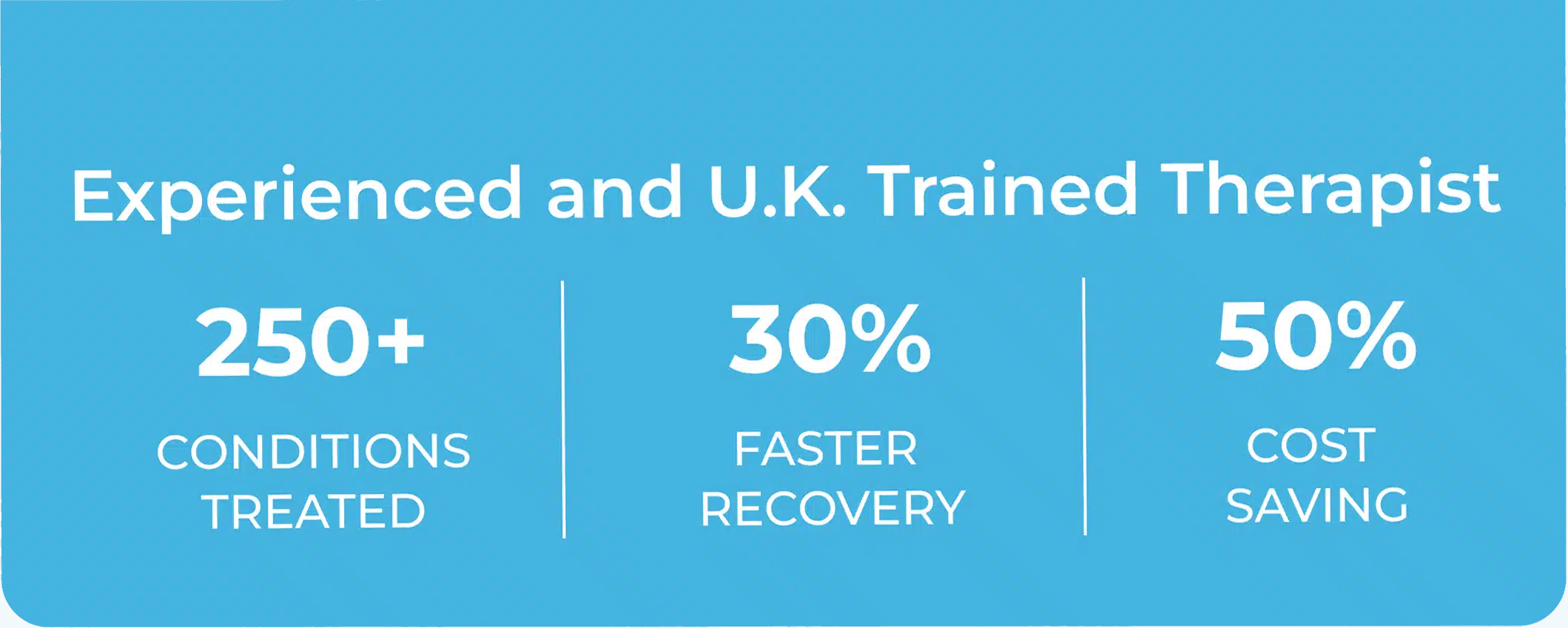

We are your doctor’s first choice and trusted by 50,000+ patients.
We are your doctor’s first choice and trusted by 50,000+ patients.
We are your doctor’s first choice and trusted by 50,000+ patients.


