


Reviewed & Verified by
Dr. Apoorva
The L4-L5 disc is located in the lower lumbar spine, one of the most mechanically stressed
areas that bears the most weight. A disc bulge occurs when the outer portion of the spinal disc extends beyond its normal boundary due to degeneration and which may irritate nearby spinal nerves.
When the bulge presses against the sciatic nerve, symptoms such as pain, tingling, or even
numbness occurs. Many patients seek treatment for lower back pain and also for sciatica pain relief, at the same time.
In a lot of cases, it is the adjacent lumbar levels that are involved together. That is often why L3-L4-L5 disc bulge treatment follows very similar rehabilitation principles.
Lumbar disc bulges usually develop gradually due to repeated stress on the spine over time. There are contributing factors such as
Over time, repeated spinal loading can increase pressure on the lumbar discs, and contribute to inflammation surrounding nerves and soft tissues
Most patients with lumbar disc bulges improve without surgery. The body usually reduces inflammation naturally over time and can adapt to the disc changes. A structured rehabilitation plan can reduce the stress on the nerve and also improve spinal support.
Successful non-surgical treatment typically includes:
A guided lumbar disc bulge rehab program for lumbar disc issues also aims to reduce the strain on the spine.
Clinical guidelines recommend conservative care as the first line of treatment for most lumbar disc issues. Staying active, reducing prolonged bed rest, and following a structured rehabilitation program can improve mobility, reduce nerve irritation, and support recovery
Physical therapy for L3-L4-L5 disc bulges is one of the most helpful lumbar disc pain
treatments, and is especially effective because physiotherapy helps improve stability, mobility, and reduce muscular imbalances around the spine without further stress on the injured area.
A rehabilitation plan may include:
Your physiotherapy plan includes rehabilitation activities as well as training. During the
rehabilitation, activities that may cause too much pain, such as how the workstation is set up, or how often one bends, will be identified.
Chiropractic Care:
The flexion-distraction technique (Cox Technique) gently pumps the disc, creating negative
pressure that helps retract the bulge and reduce nerve irritation. Treatment should always be performed by a licensed healthcare professional experienced in lumbar spine conditions.
Pain Management Support:
Exercise-based rehabilitation is one of the most effective components of conservative
treatment. L4 and L5 pain-relieving exercises primarily focus on muscle strengthening with
decreased pressure on the spine.
This exercise activates the abdominal muscles which are responsible for the stabilization ofthe lumbar spine, will be activated.
How to do this:
Most of the time, pelvic tilt exercise can help with pain relief in the early part of your recovery
Glute bridges strengthen the hips and decrease the strain on the lower back, which help
reduce strain on the lower back during walking and daily activities.
How to do it:
Strong glute muscles contribute to improved pelvic stability and movement efficiency
The Bird-dog exercise help improve spinal stability while reducing excessive lumbar
compression.
How to do it:
Focus on slow, controlled movement rather than speed.
This stretch helps reduce the tightness of the lower back and increases the ease and comfort
level during back pain episodes.
How to do it:
Don’t force the movement and return slowly to the starting position.
McKenzie press-ups are commonly used to reduce disc-related symptoms, specifically in patients with disc-related nerve irritation.
To do the exercise:
If your symptoms worsen or leg pain increases, discontinue the exercise and consult a
healthcare professional.
Clamshell exercises strengthen the hip stabilizers that support pelvic alignment and lower limb control.
To do the exercise:
• Lie on your side and bend your knees.
• Keep your feet together.
• Lift the top knee while keeping the feet together.
• Return to the starting position slowly.
This exercise helps improve lower-body stability while walking and standing.
Natural recovery from a lumbar disc bulge typically improves through consistency, gradual progression, and appropriate movement habits.
Strategies for natural recovery include:
It takes time to recover because discs in your spine do not get much blood. Controlled
movement helps to get the blood flowing and move nutrients around the disc.
If you sit with bad posture, that can increase the pressure on your lumbar spine. Some helpful things you can adjust are:
The best sleeping positions for supporting your back are:
Sleeping on the stomach may increase lumbar extension and discomfort in some individuals.
Research consistently shows that investing in a good medium-firm mattress has always been a wise choice for lower back pain.
Walking is one of the easiest ways to help your spine recover. Gentle movement helps improve circulation, reduce stiffness, and support healing, all without putting too much stress on the area.
Patients should gradually increase walking duration based on symptom tolerance.
Some factors may prolong any progress made:
Movement remains slow and steady, which improves your recovery.
Most injuries have a similar timeline but many people follow a similar progression.
During the initial phase, symptoms are often more severe. You might experience lower back stiffness, sharp pain during movement, or radiating discomfort into the leg. The main focus is to control the inflammation and reduce swelling and pain. Gentle walking, position changes, short mobility sessions, and avoiding prolonged sitting are usually recommended.
As inflammation begins to settle, rehabilitation becomes more movement focused. Patients often notice improved walking tolerance, reduced muscle guarding, and reduced sciatic pain. Core activation exercises, glute strengthening, controlled mobility work, and nerve gliding exercises are often recommended at this stage. Although symptoms usually improve during this stage, temporary flare-ups can still occur if activity increases too quickly.
This stage focuses on rebuilding spinal stability, endurance, and movement confidence. Patients are able to tolerate longer periods of sitting or walking with less discomfort.
Strengthening exercises and return-to-activity progression are gradually increased during this stage. For individuals with physically demanding jobs or sports-related goals, recovery may continue beyond this phase.
Long-term improvement depends heavily on consistency with movement, posture, strength training, and activity management. Even after pain improves, spinal conditioning is important because lumbar disc symptoms can return when core support, mobility, or movement habits decline over time.
Many patients continue maintenance exercises several times a week to reduce recurrence
risk and support long-term spine health.
Mark, 38, Software Engineer from Denver spent 9 hours a day at his desk and developed
sharp sciatica and lower back stiffness. His MRI showed an L4-L5 disc bulge pressing on the left L5 nerve root.
The patient started a structured 10-week rehabilitation program involving physiotherapyguided exercise progression, workstation modifications, walking progression, and postural retraining. Over several weeks, his symptoms gradually improved, including sitting tolerance, leg pain and mobility. By week 10, he was back to hiking on weekends and his leg numbness
had completely resolved.
Consistent strengthening, movement modification, and gradual activity progression played an important role in recovery.
Most people recover without surgery, but if the symptoms worsen seek immediate medical care like:
These symptoms may indicate more serious nerve involvement. The common surgery is microdiscectomy, a procedure where a portion of the disc compressing the nerve is removed and it may take 4-6 weeks of recovery.
Maintaining proper lifting mechanics, regular strengthening exercises, good workstation ergonomics, and avoiding smoking may help reduce the risk of future lumbar disc problems.
1. Lifting mechanics
2. Maintain Hydration
3. Maintaining Healthy Weight
4. Spine Mobility exercises
5. Ergonomics
6. Strength training
Get a free consultation with a licensed physical therapist at Resolve360 — available within 15 minutes of booking, 7 days a week, across all conditions.
Book Free Consultation at Resolve360 →Many patients notice improvements within 6 to 12 months especially when following a structured physiotherapy and exercise program consistently. However, full recovery can take several months depending on the severity of nerve irritation, activity levels, occupation, and overall spinal conditioning. Symptoms such as leg pain and numbness often improve gradually rather than disappearing all at once
Exercises that improve spinal stability without placing excessive strain on the lower back are usually suggested. Examples include pelvic tilts, bridges, bird-dog exercises, McKenzie pressups may help reduce disc-related nerve irritation in some patients. They improve back stability and reduce your nerve irritation with limited impact on the spine
Yes, walking is commonly recommended because it encourages gentle spinal activity, improves circulation , and reduces stiffness. Walking duration should increase as pain decreases.
A disc bulge occurs when the disc pushes outward but remains intact. Contrary to disc bulging, a herniation causes the inner part to rupture outward with the disc.
Ice is generally more helpful during acute flare-ups because it may reduce inflammation and nerve irritation. Heat can be beneficial later in recovery when muscle tightness and stiffness increase. Some patients respond well to both situations depending on the symptoms.

Dr. Nidhi Kumari
She has persuaded her bachelor’s from SGT University, Gurugram, she has done her internship at Dr. Ram Manohar Lohia Hospital, and persuade her Master in Physiotherapy from Chaudhary Charan Singh University, Meerut. She has previously worked with Orthocure clinic, Dr.Nasir physiotherapy rehabilitation, Quantum physiotherapy, and wellness center.
If you have more questions.
Dr. Nidhi
She has persuaded her bachelor’s from SGT University, Gurugram, she has done her internship at Dr. Ram Manohar Lohia Hospital, and persuade her Master in Physiotherapy from Chaudhary Charan Singh University, Meerut. She has previously worked with Orthocure clinic, Dr.Nasir physiotherapy rehabilitation, Quantum physiotherapy, and wellness center.
If you have more questions.
If you would like to know more about any of the health conditions, please fill up the form below and talk to Doctors on Resolve360 directly by asking a question.
We are your doctor’s first choice and trusted by 50,000+ patients.
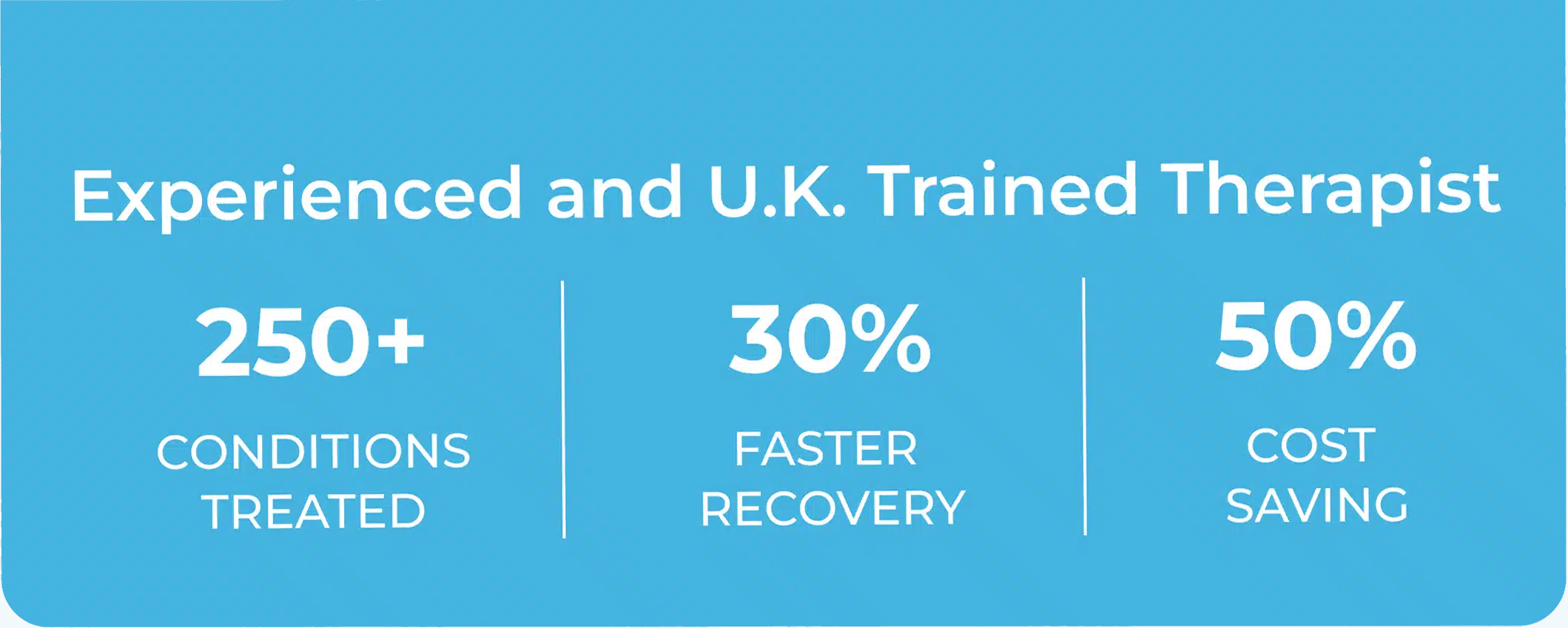

We are your doctor’s first choice and trusted by 50,000+ patients.
We are your doctor’s first choice and trusted by 50,000+ patients.
We are your doctor’s first choice and trusted by 50,000+ patients.
