


Physical therapy after back surgery is the single most important step for a full, lasting recovery. It typically begins within 24–48 hours after surgery and continues in structured phases over 3–6 months. A guided program of physical therapy exercises after back surgery — including ankle pumps, heel slides, gentle walking, core stabilization, and progressive strengthening — reduces pain, restores mobility, and prevents re-injury. For patients who had physical therapy after lower back surgery such as lumbar fusion, spinal decompression, or discectomy, working with a certified physical therapist is proven to speed up recovery by up to 30% compared to resting alone.
So your back surgery is done. You made it through the hardest part. Now comes the question almost every patient asks their surgeon: “When do I start physical therapy, and what exactly will I be doing?”
At Resolve360, we have guided over 50,000 patients through post-surgical recovery — many of them from the comfort of their own homes via live 1-on-1 online physical therapy sessions. We have seen what works, what doesn’t, and what separates patients who recover fully from those who struggle months after their procedure.
This guide gives you a complete, honest picture of physical therapy after back surgery — from the first 24 hours to the 6-month mark. We will walk through exercises, timelines, red flags, and how expert-guided care makes a measurable difference in real outcomes.
Many patients are surprised when their surgeon or physio team gets them moving within 24–48 hours of their procedure. “Shouldn’t I be resting?” is one of the most common questions we hear. The truth is, early, guided movement is one of the most evidence-based strategies in spine rehabilitation.
Here is why physical therapy after lower back surgery matters so much:
According to research published in peer-reviewed spine journals, patients who begin supervised physical therapy exercises after back surgery within the first week have significantly better outcomes at 3, 6, and 12 months compared to those who only rest. They report less pain, greater range of motion, and far higher rates of returning to full activity.
The goals of post-surgical physical therapy include: controlling post-operative pain and swelling, preventing blood clots through early movement, rebuilding core and lumbar strength, restoring normal walking pattern and posture, reducing scar tissue adhesions, and helping your nervous system “relearn” safe movement patterns.
Yes — and this is important. The type of surgery you had directly shapes how your physical therapy program is designed. While the overall phases are similar, the timing, restrictions, and specific exercises differ.
| Surgery Type | PT Start Time | Key Restrictions | Avg. PT Duration |
|---|---|---|---|
| Microdiscectomy / Discectomy | 24–48 hrs post-op | Avoid heavy bending/lifting early | 6–12 weeks |
| Laminectomy / Decompression | 1–3 days post-op | No excessive flexion initially | 8–14 weeks |
| Lumbar Spinal Fusion | 1–2 weeks post-op | Strict movement precautions for 6–8 weeks | 3–6 months |
| Cervical Spine Surgery | 1–2 days post-op | Collar use; limited neck movement | 8–16 weeks |
| Spinal Tumor / Fracture Repair | Per surgeon guidance | Highly individualized | Varies widely |
Physical Therapy Exercises After Back Surgery
One of the most searched questions people ask after their procedure is: “What exercises can I do after back surgery?” The answer depends on which phase of recovery you are in. Rushing into the wrong exercises too soon is one of the leading causes of setbacks — but staying sedentary for too long is equally harmful.
Below is the standard phase-based approach that certified physical therapists at Resolve360 use for patients recovering from back surgery.
The focus here is on protecting the surgical site while preventing complications. Your physical therapist helps you with gentle ankle pumps to prevent blood clots, controlled breathing exercises, log-rolling technique to sit up safely, short assisted walks around the room or hallway, and basic heel slides while lying flat. The goal is simple: get you upright and moving without stress on the spine.
This is where structured exercises after back surgery begin in earnest. Core activation exercises like gentle abdominal bracing (not crunching), short daily walks gradually increasing from 5 minutes to 20 minutes, standing hip extensions holding a countertop for balance, partial knee bends or mini squats, heel-to-toe walking for balance retraining, and gentle hamstring stretches lying on your back are introduced. Most fusions have stricter limitations during this phase — your physio will adapt accordingly.
With your surgeon's clearance, more demanding exercises are introduced. Bird-dog exercise (opposite arm and leg raise in tabletop position), bridging (lying on back, lifting hips off floor), sidestepping with resistance bands, wall slides, seated posture and endurance training, and gentle swimming or pool walking if available. Physical therapy exercises after back surgery in this phase begin building the muscular support system that protects your spine long-term.
The final phase focuses on getting back to your real life. Functional movements like bending, lifting, and reaching are practiced with proper technique. Body weight squats, step-ups, yoga-based spinal mobility work, and sport or job-specific movements are introduced. For patients who underwent exercises after lumbar fusion, this phase is particularly important because the fused vertebrae are now stable enough to support loading — but the surrounding muscles need to be strong enough to compensate for the reduced segment motion.
These exercises focus on circulation, gentle mobility, and preventing complications. They are safe, low-impact, and essential before starting strengthening programs.
Ankle pumps are one of the most important early exercises after back surgery. When you are resting more than usual, blood flow slows down in the legs. This simple exercise keeps your circulation active and lowers the risk of complications.
Lie on your back with your legs straight and relaxed.
Point your toes downward.
Pull your toes up toward your chest.
Repeat this pumping motion 10–15 times every hour.
Improves circulation during the early recovery phase.
Helps prevent deep vein thrombosis (DVT), a common post-surgery risk.
Reduces swelling in the ankles and feet.
Activates calf muscles without stressing the healing spine.
This makes ankle pumps a foundational movement in physical therapy after back surgery.
Heel slides help restore gentle hip and knee mobility without bending or twisting the spine. This is a key early-motion exercise used in U.S. clinical guidelines for physical therapy after lower back surgery.
Lie on your back with both legs straight.
Slowly slide one heel up toward your buttocks.
Keep your back relaxed and avoid lifting your hips.
Hold for 5 seconds, then slide your leg back down.
Repeat 10–15 times per leg.
Restores safe lower-body mobility soon after surgery.
Reduces stiffness in the hips, knees, and lower back.
Encourages healthy movement without stressing the spine.
Supports circulation and helps patients transition to walking.
Heel slides are commonly included in early rehabilitation plans for lumbar fusion, microdiscectomy, and decompression surgery.
These movements support upright posture, core activation, and gentle strengthening as healing continues.
Walking is considered the most important natural movement in physical therapy after back surgery. It promotes healing, improves breathing, and reduces stiffness without overloading the spine.
Begin with 5-minute walks 2–3 times per day.
Increase your walking time by 5 minutes every 3–4 days as tolerated.
Keep your spine upright and avoid long strides.
Boosts circulation and reduces joint stiffness.
Supports spinal recovery through natural, low-impact movement.
Builds endurance to prepare for later strengthening exercises.
Helps maintain lung health after anesthesia.
Walking remains the #1 recommended functional exercise in post-surgery physical therapy programs across the U.S.
Abdominal bracing activates your deep core muscles—essential for protecting the spine during early recovery. This exercise is safe because it strengthens without bending or twisting the back.
Lie or sit with your spine in a neutral position.
Gently tighten your stomach muscles as if preparing for a light punch.
Keep breathing normally—do not hold your breath.
Hold for 10 seconds, repeat 10 times.
Builds early core stability, which supports the healing spine.
Protects the lower back during daily movements.
Reduces pain caused by weak stabilizing muscles.
Helps transition safely to Phase 3 strengthening.
Core activation is a major component of physical therapy exercises after back surgery.
Bridging strengthens the glutes and lower-back muscles—two essential stabilizers for long-term spine support. This exercise is widely used in post-operative physical therapy across the U.S.
Lie on your back with your knees bent and feet flat.
Lift your hips to form a straight line from shoulders to knees.
Hold for 5 seconds, then lower slowly.
Repeat 10–12 times.
Strengthens glutes, which reduce pressure on the lower spine.
Improves lumbar stability during walking and standing.
Promotes better posture and reduces pain.
The Bird-Dog is a gold-standard exercise for improving spinal stability and balance. It teaches the body to maintain a neutral spine during movement.
Start on hands and knees.
Extend the opposite arm and leg at the same time.
Hold for 5–10 seconds.
Switch sides and repeat.
Strengthens core and back muscles without spinal bending.
Improves coordination and posture.
Reduces risk of re-injury by teaching proper spinal control.
Water-based therapy is excellent during later recovery because it reduces spinal load while improving strength and endurance.
Walk in chest-deep water at a comfortable pace.
Maintain a tall posture and relaxed shoulders.
Continue for 10–20 minutes.
Water supports body weight, reducing impact on the spine.
Provides natural resistance for safe strengthening.
Ideal for patients with stiffness, pain, or low endurance.
Wall squats rebuild leg and glute strength—critical muscles for supporting the lower back in daily activities.
Stand with your back against a wall, feet shoulder-width apart.
Slide down to a 45° angle at the knees.
Hold for 10–20 seconds, then return to standing.
Repeat 8–10 times.
Strengthens quads and glutes to reduce pressure on the lumbar spine.
Improves balance and lower-body endurance.
Helps with functional activities like walking, climbing stairs, and standing.
Lumbar spinal fusion is one of the more complex back surgeries, and exercises after lumbar fusion require extra caution — especially in the first 6–8 weeks while the bone graft is integrating and the fusion solidifying.
The key principle for lumbar fusion rehab is stabilization before mobilization. Unlike discectomy patients who can work on range of motion earlier, fusion patients need to first build a strong muscular “corset” around the fused segment before adding range and load.
No BLT: No Bending, Lifting, or Twisting beyond your surgeon's prescribed limits.
No rushing: The fusion process takes 3–6 months. Pushing too hard too early risks hardware failure.
No resting completely: Staying in bed all day causes muscle atrophy that makes later rehab twice as hard.
Long-term, after the fusion is complete (typically confirmed by imaging at 3–6 months), patients work on something unique: because one spinal segment can no longer flex or extend, the adjacent segments must compensate. Physical therapy after lower back surgery involving fusion therefore includes a great deal of hip mobility and thoracic (mid-back) flexibility work to reduce the demand on neighboring vertebrae.
This is exactly the kind of individualized planning that separates good physical therapy from generic exercise sheets — and it is the standard of care at Resolve360, where every post-fusion patient receives a fully customized program assessed and adjusted in live 1-on-1 sessions.
Michael came to Resolve360 six weeks after his L4–L5 lumbar fusion surgery. A retired contractor from Phoenix, Arizona, he had been given a single printed sheet of exercises at his outpatient surgery center and had not heard from his surgical team since discharge. He was anxious, in moderate pain, and had not walked more than around the block without a flare-up.
Over the next 16 weeks, his Resolve360 physical therapist guided him through all four recovery phases via online live sessions — three times per week. They tracked his progress with real-time movement assessments, adjusted his program weekly, and worked specifically on his hip flexor tightness (a common issue that puts excess strain on lumbar fusion sites).
✅ Result: By week 20, Michael had returned to recreational cycling — something he believed was gone from his life forever. His pain scores dropped from 7/10 at intake to 1–2/10 at discharge.
Sarah is a registered nurse from Columbus, Ohio who underwent a microdiscectomy at L5–S1 after a herniated disc caused severe sciatica down her right leg. Her job requires 10-hour standing shifts at a major hospital, and her orthopedic surgeon told her initial recovery could take 12–16 weeks. She was worried about losing her position and exhausting her FMLA leave.
Starting with Resolve360's online physical therapy service in week 2 post-surgery, Sarah worked on a precise program targeting glute activation, nerve mobilization exercises (sciatic nerve flossing), and a progressive walking protocol. Her physical therapist also coached her on proper body mechanics for nursing — patient transfers, bending technique, and fatigue management during long shifts.
✅ Result: Sarah returned to full nursing duties at week 8 — well ahead of her 16-week estimate. Her sciatic symptoms fully resolved by week 10. She used only 4 weeks of FMLA leave instead of the full 12.
Many patients imagine that physical therapy after lower back surgery means showing up at a clinic, being hooked up to machines, and lying on a table while heat pads are applied. The reality — and the evidence — points to something very different.
Modern post-surgical physical therapy is active, not passive. Sessions typically last 30–45 minutes and include a combination of targeted exercise, manual guidance (online: verbal and visual cueing), education about movement patterns, and home exercise programming. Here is what a typical session at weeks 3–4 looks like:
What makes the difference in outcomes is not just what exercises are performed — it is whether they are being done correctly, at the right intensity, and adjusted at the right pace. This is why working with a live physical therapist — even online — dramatically outperforms doing exercises from a printed sheet or YouTube video.
⚠️ Red Flags — Stop PT and Contact Your Surgeon Immediately If You Experience:
Sudden, severe increase in back or leg pain • New numbness or weakness in legs or feet • Loss of bladder or bowel control (potential cauda equina emergency) • Signs of infection: fever over 101°F, redness/warmth/discharge at incision site • Significant swelling in one or both legs (possible blood clot) • Feeling that the hardware is shifting or a "giving way" sensation in your back
One of the biggest questions we get at Resolve360 is whether online physical therapy is truly effective for something as serious as post-surgical back rehabilitation. The evidence says yes — and millions of patients across the United States have made the switch to telehealth-based rehab for very practical reasons.
Consider this: the most important elements of post-surgical PT are exercise instruction, movement correction, and progressive program design. All of these can be done effectively via high-quality video call. For patients living in states like Texas, Florida, Montana, or rural Midwest communities where the nearest physical therapy clinic is 30–60 minutes away, online PT removes the single biggest barrier to consistent care — getting there.
Since the COVID-19 pandemic, the Centers for Medicare & Medicaid Services (CMS) expanded telehealth coverage significantly. Many private insurance plans in the USA now cover online physical therapy sessions at the same rate as in-person visits. If you are recovering from back surgery, it is worth calling your insurer to confirm your telehealth PT benefits before your first appointment.
A 2022 systematic review published in the Journal of Orthopaedic & Sports Physical Therapy found that telehealth-delivered physical therapy produced outcomes comparable to in-person care for musculoskeletal and post-surgical conditions — when delivered by qualified physical therapists using standardized assessment protocols. That is exactly what Resolve360 does in every single session.
You book a session via the Resolve360 app. Your dedicated physical therapist conducts a thorough assessment in your first session, reviewing your surgical reports, current pain levels, and movement restrictions. A fully personalized program is built — then updated after every session based on your progress. All from your living room. No travel, no waiting rooms, no missed sessions.
Knowing what not to do is just as important as knowing what to do. These are the most common mistakes patients make during post-surgical back rehab — often with good intentions.
| Common Mistake | Why It's Harmful | What to Do Instead |
|---|---|---|
| Sitting for more than 30–45 minutes at a time | Increases spinal disc pressure; slows healing | Set a timer, stand up and walk for 2 minutes every 30 min |
| Doing intense stretching or yoga in weeks 1–4 | Can stress surgical hardware or healing tissue | Follow your physio's prescribed range — never force range |
| Sleeping flat on your back without support | Increases strain on lumbar area overnight | Place a pillow under knees when supine; side-lying with pillow between knees |
| Using pain as the only gauge of what's safe | Post-surgical pain is complex and unreliable as a sole guide | Work with a physio who uses multiple assessment tools |
| Skipping sessions when pain is low | Inconsistency is the #1 predictor of poor outcome | Keep sessions even on good days — this is when you make real progress |
| Starting unsupervised weight training too early | Axial loading before fusion is solid risks hardware failure | Get clearance from both surgeon and physio before any gym work |
This is one of the most common questions — and the honest answer is: it depends on your surgery, your baseline fitness, and how consistently you follow your program. Here are general benchmarks:
After a microdiscectomy, most patients complete their formal physical therapy program in 6–12 weeks, though many continue with a home maintenance program indefinitely. After a laminectomy, formal PT typically runs 8–14 weeks. Physical therapy after lower back surgery involving spinal fusion is the longest — formal therapy spans 3–6 months, with ongoing home exercise strongly recommended for life.
What matters more than the total number of weeks is the quality of the sessions and whether your program is being regularly reassessed and updated. At Resolve360, every patient undergoes a structured clinical reassessment every 2–3 weeks to ensure they are progressing and their program reflects where they actually are — not where they were three weeks ago.
There are many physical therapy options in the USA — from hospital outpatient clinics to local private practices to generic telehealth apps. Here is what sets Resolve360 apart for patients recovering from back surgery:
The short answer: in most cases, yes. Physical therapy after back surgery is considered medically necessary by most major insurance carriers in the United States, and coverage is typically included under your plan. Here is what you need to know:
Medicare: Medicare Part B covers outpatient physical therapy services, including telehealth PT sessions, as long as they are deemed medically necessary and provided by a Medicare-enrolled therapist. There is an annual therapy cap threshold, but exceptions apply for medically complex cases like post-surgical spine rehab.
Medicaid: Coverage varies by state. Most state Medicaid programs cover physical therapy after back surgery. Check with your state’s Medicaid program or your managed care plan for specific limits.
Private/Commercial Insurance (Aetna, Blue Cross Blue Shield, UnitedHealth, Cigna, Humana): Most private plans cover post-surgical PT. You may have a copay per session ($20–$50 is common) and a limit on annual visits. Pre-authorization is sometimes required — your surgeon’s office or physical therapist can assist with this paperwork.
Pro tip for US patients: Before your first PT session, call the member services number on the back of your insurance card. Ask: (1) Is post-surgical physical therapy covered under my plan? (2) Do I need prior authorization? (3) Is telehealth PT covered at the same rate? (4) What is my copay and annual visit limit? This 10-minute call can save you hundreds of dollars in surprise bills.
Get a free consultation with a licensed physical therapist at Resolve360 — available within 15 minutes of booking, 7 days a week, across all conditions.
Book Free Consultation at Resolve360 →
Dr. Nidhi Kumari
She has persuaded her bachelor’s from SGT University, Gurugram, she has done her internship at Dr. Ram Manohar Lohia Hospital, and persuade her Master in Physiotherapy from Chaudhary Charan Singh University, Meerut. She has previously worked with Orthocure clinic, Dr.Nasir physiotherapy rehabilitation, Quantum physiotherapy, and wellness center.
If you have more questions.
Dr. Nidhi
She has persuaded her bachelor’s from SGT University, Gurugram, she has done her internship at Dr. Ram Manohar Lohia Hospital, and persuade her Master in Physiotherapy from Chaudhary Charan Singh University, Meerut. She has previously worked with Orthocure clinic, Dr.Nasir physiotherapy rehabilitation, Quantum physiotherapy, and wellness center.
If you have more questions.
If you would like to know more about any of the health conditions, please fill up the form below and talk to Doctors on Resolve360 directly by asking a question.
We are your doctor’s first choice and trusted by 50,000+ patients.
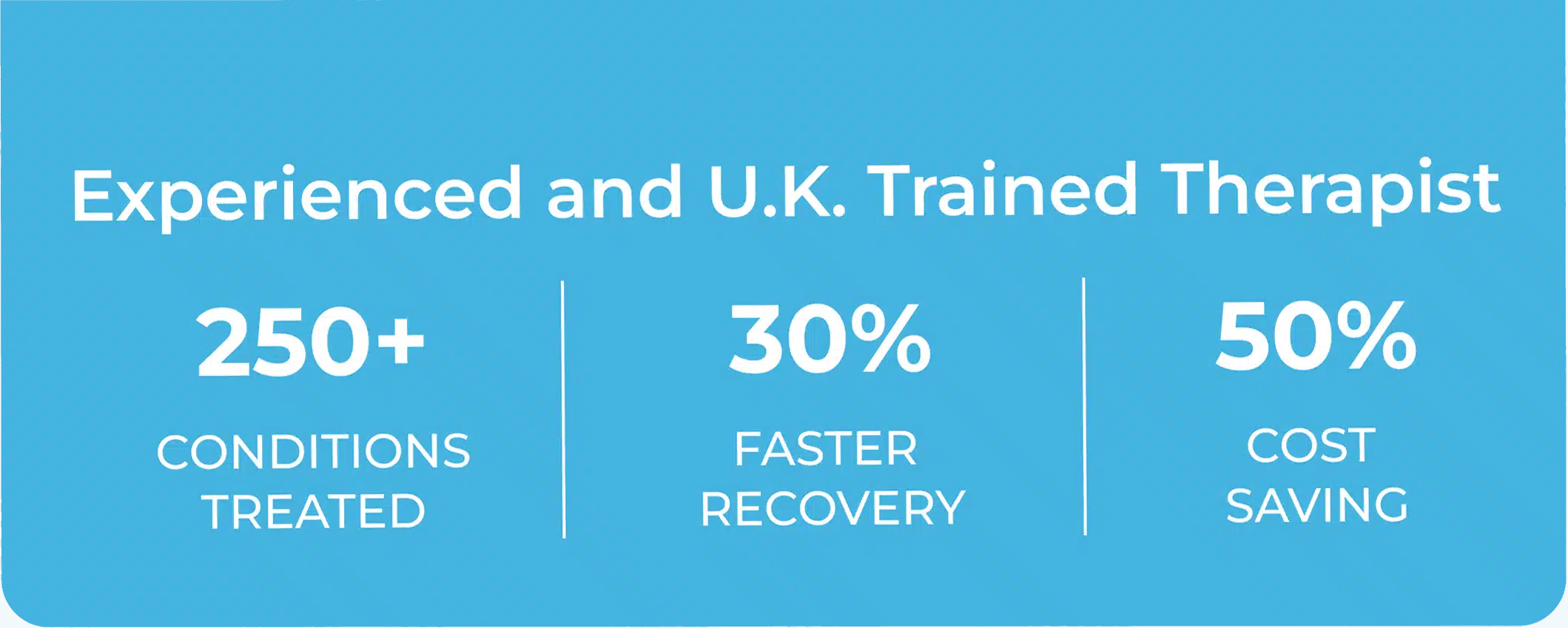




We are your doctor’s first choice and trusted by 50,000+ patients.
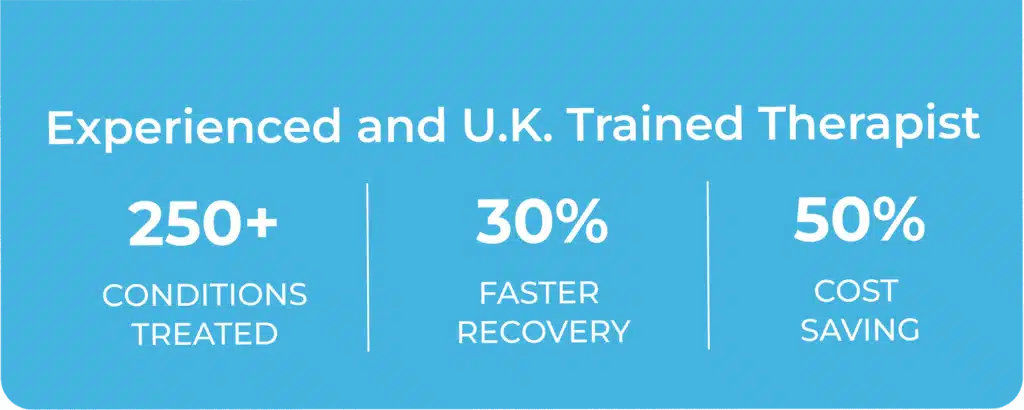
We are your doctor’s first choice and trusted by 50,000+ patients.
We are your doctor’s first choice and trusted by 50,000+ patients.
We are your doctor’s first choice and trusted by 50,000+ patients.
We are your doctor’s first choice and trusted by 50,000+ patients.
Resolve360 is great platform for online physiotherapy.
I was suffering from scapula dyskinesia and had lot of pain in right shoulder movement. I was introduced to Resolve 360 by my oncologist.
Within a month (26 sessions) there was a considerable improvement. Sessions are very cost-effective and doctors are very kind and efficient.
Doctor David has been really great and helpful. I would highly recommend Resolve 360.



I took prenatal care program from Resolve 360. Dr. Preyrna was assigned to me and she has done commendable job. I did prenatal exercises under her supervision, she designed program according to my body need. With her help my pregnancy was healthy and I got good dilations at the time of delivery. I am blessed with a healthy baby girl and very happy with Resolve 360.

Best therapy sessions that too at home and timings are very flexible. I had a issue in my neck and lower back since almost 4 to 5 years, taken so many treatments and physio sessions. But all gave a temporary relief. Then my friend referred me this Resolve 360 in 2020, in starting i was hesitant as everything was online, but after taking almost 10 sessions i got much relief, and now i am almost free of pain. Thanks to the team of Resolve 360.






I had online Physiotherpy sessions by Prerana for my heel pain. ( Tendo Achilis Sprain).
Though virtual, it was more interactive.
She was very observant throughout the sessions, correcting me while doing the exercises and was assertive in her outlook.
I found her instructions and methodology very helpful. She is updated in her academic knowledge in the field of Physiotherpy. She clarified my doubts about the role of Laser and Ultrasound treatment quoting evidence based data. With my personal experience I agree with her opinion that these are more of placebo effect.
Physiotherpy though not a miracle treatment, is a compelling necessity to most of the musculoskeletal and neurological illnesses. It needs to be accepted as healthy way to live.

From being a couch potato with poor cardio respiratory system to reaching pre-athlete levels of fitness in a span of 3 months, my journey with Resolve360 and Dr.David (Physiotherapist) has been anything but magical!
About 3 to 4 months ago, my blood report showed very high bad cholesterol levels, I was low on stamina and had frequent breathing issues. My GP prescribed me cholesterol meds for a month but I felt that alone wouldn’t get me back in shape because I needed a major lifestyle overhaul.
Dr.David educated me about my condition in detail and where it could lead me to if I don’t take action in the long run. He put me on a balanced workout regime being easy with cardio workouts in the initial days and gradually upgraded it observing me closely. He also advises me on dietary choices and follows up frequently. During the initial days, my ears used to get blocked within 5 wall squats and I stop right away but now I do over 20 in one shot and hardly feel a thing. I used to lose balance and fall off over my face within 6 push-ups or 20 seconds of plank and now I do about 24 push-ups in one shot. My heart rate used to raise above 150 bpm doing jumping jacks or other cardio workout within 20-30 seconds. You won’t believe I don’t do any of these cardio workouts without additional weights on my feet these days and my heart rate and recovery are as steady as they could get. I couldn’t run for over 2 min without stopping and gasping and now I cover about 4.6 km in 30 min and follow-up with a 20 min walk. Not convinced yet? My VO2 Max (I use an Apple Watch to measure this stat) was just about 33 while I started with Resolve360 and David. That reflects a very poor cardio respiratory fitness for a 34 year old. It’s 43.5 today ! Easily above average. Please read upon about VO2 Max and how it directly relates to cardio respiratory fitness so you get an accurate picture about my monumental progress in the last 3 months. I’ve been trying to get into a regular physical workout and balanced diet discipline since my 20s but I’d never been so motivated as I’m now. Give these guys a try. After all, the best investment you could ever make is on your health !

We contacted resolve360 for our child speech issue and I must say Resolve 360 team and Apoorva doing a wonderful job.
Our speech therapist Jaslia from Resolve360 is having a excellent knowledge and it helps our child a lot. Jaslia understand child psychology very well. Due to her efforts, we are seeing tremendous improvements in our child. She has a strong dedication towards her work and her nature towards kids makes her a very special one. She has given us enough confidence, due to her efforts and excellent service, we are seeing good improvements for my child speech & communication skills.
I would highly recommend Jaslia & Resolve360 team for their excellent work. God bless you!!