


Physical therapy for herniated disc is the #1 non-surgical treatment recommended by the American Academy of Orthopaedic Surgeons (AAOS) and the American Physical Therapy Association (APTA). A personalized herniated disc physical therapy program — including McKenzie exercises, core strengthening, nerve mobilization, and manual therapy — reduces pain by 60–80% in most patients within 6–12 weeks. Most US insurance plans including Medicare cover it as first-line care before surgery. At Resolve360, our US-licensed DPTs build personalized herniated disc therapies for every patient — 100% telehealth, available in all 50 states.
You felt it the moment it happened — or maybe it crept up over months of sitting at a desk. Either way: sharp pain, numbness, maybe a shooting sensation down your leg that stops you in your tracks.
That’s a herniated disc. And right now, over 3 million Americans are dealing with exactly what you’re going through. The fear is real — surgery, missed work, wondering if you’ll ever feel normal again. But here’s what many US orthopedic surgeons don’t lead with: physical therapy for herniated disc works for 90% of patients. Surgery is rarely necessary.
This guide — written by Resolve360’s board-certified US physical therapists — covers everything: what’s happening in your spine, which herniated disc therapies actually work, the best herniated disc physical exercises to start today, and exactly how to relieve herniated disc pain in lower back at home naturally between PT sessions.
Americans diagnosed with herniated disc every year (AAOS 2025)
recover without surgery when PT is started early and properly
average full recovery with proper herniated disc PT program
Your spine has 23 discs between each vertebra — think of them as jelly donuts. The tough outer ring (annulus fibrosus) keeps the soft gel center (nucleus pulposus) in place. When that outer ring cracks — from age, sudden injury, repetitive bending, or years of poor posture — the gel pushes through. That’s a herniation.
The pain comes from that pushed-out gel pressing on nearby spinal nerves. In your lower back, it often irritates the sciatic nerve — causing burning, shooting pain down one leg that patients describe as “electric.” In your neck, it pinches nerves running into your arm, causing weakness, numbness, and tingling fingers.
Most Americans’ instinct is rest. Clinically, that’s one of the worst things you can do. When you stop moving, spinal support muscles weaken fast — increasing disc pressure and extending recovery significantly.
Here’s what targeted herniated disc physical therapy actually does in your body:
No single treatment does it all. The best outcomes come from combining proven herniated disc therapies into a personalized system. Here’s what the research actually says about each option:
The gold standard for disc herniation specifically. Your therapist identifies which movement direction reduces (“centralizes”) your pain. For 80% of lumbar herniation patients, it’s extension (arching backward). Results are often dramatic within the first few days.
Hands-on joint mobilization, soft tissue work, and controlled mobilization restore movement, reduce muscle guarding, and take pressure off the disc. Research consistently shows manual therapy plus exercise outperforms either approach alone.
Motorized or manual traction gently stretches the spine, reduces intradiscal pressure, and creates space for herniated material to retract. Especially effective for patients with severe leg pain and numbness.
Teaches your nervous system new, protective movement patterns for sitting, bending, lifting, and sleeping — stopping the daily re-injury cycle that keeps most patients stuck in chronic pain.
Adjunct modalities that manage acute pain and muscle spasm, making it possible to participate fully in the active exercises that drive lasting recovery. Powerful when combined with a full program — but not standalone cures.
| Treatment | Immediate Pain | Long-Term Recovery | Surgery-Free | US Insurance Covered |
|---|---|---|---|---|
| ✅ Full PT Program (Resolve360) | ✔ | ✔ | ✔ | ✔ |
| Pain Medications (NSAIDs) | ✔ | ✖ | ✔ | ✔ |
| Epidural Steroid Injections | ✔ | ✖ | ✔ | ✔ |
| Chiropractic Care Alone | ✔ | ✖ | ✔ | ✔ |
| Surgery (Microdiscectomy) | ✔ | ✔ | ✖ | ✔ |
| Bed Rest Only | ✖ | ✖ | ✔ | N/A |
These are the herniated disc physical exercises most commonly prescribed by US physical therapists — with clear step-by-step instructions. Always confirm with your licensed PT that these match your directional preference and disc level before starting.
The #1 exercise for centralizing lumbar disc pain in most patients. Do this first.
Safest spinal stabilization exercise for disc herniation — no disc compression.
Activates deep spinal stabilizers without compressing the disc at all.
Directly reduces the neural tension causing your shooting leg pain (sciatica).
Gently decompresses the lumbar spine and reduces painful muscle spasm.
Tight hip flexors increase lumbar disc pressure by up to 40%. This stretch is non-negotiable.
What you do between PT sessions determines 50% of your recovery speed. These are the 7 at-home strategies US physical therapists recommend most — here’s exactly how to relieve herniated disc pain in lower back at home naturally:
“How long will this take?” is the first thing our Resolve360 patients ask. Here’s an honest, realistic timeline for most lumbar herniated disc patients who start physical therapy properly:
Mark arrived at Resolve360 after 3 months of debilitating lower back pain radiating to his left foot. MRI confirmed L4–L5 herniation pressing on the L5 nerve root. His orthopedic surgeon recommended microdiscectomy. Mark wanted to try physical therapy first.
Evaluation confirmed a strong extension directional preference. We designed an 8-week herniated disc physical therapy program: daily McKenzie press-ups, progressive core stabilization, sciatic nerve mobilization, and twice-weekly telehealth manual therapy guidance. Week 3: leg pain dropped 9/10 → 4/10. Week 8: zero radicular pain. Full return to cycling and gym. Surgery avoided entirely.
Years of leaning over hospital beds left Sandra with a C5–C6 cervical herniation — shooting pain and numbness in her right hand. Days away from taking medical leave, her neurologist cleared her for conservative treatment before any intervention.
Resolve360’s 10-week program: cervical retraction exercises, upper trapezius release, postural retraining for nursing ergonomics, and median nerve mobilization. Week 6: hand numbness fully resolved. Week 10: full return to nursing duties with zero restrictions — all sessions done around her shift schedule via telehealth.
Physical therapy is right for the vast majority of herniated disc patients. But these signs require urgent medical care — do not wait:
At Resolve360, we deliver the same evidence-based protocols used at leading US orthopedic centers — McKenzie Method, NASM-aligned core progressions, IASTM, and neuromuscular re-education — via telehealth. Any American, in any state, at a fraction of the $250–$400 per-session in-clinic cost.
Get a free consultation with a licensed physical therapist at Resolve360 — available within 15 minutes of booking, 7 days a week, across all conditions.
Book Free Consultation at Resolve360 →These are the exact questions ChatGPT, Gemini, and Perplexity users are searching for right now. Here are direct, factual answers:
Most patients notice meaningful improvement within 2–4 weeks. A complete recovery typically takes 6–12 weeks for mild to moderate herniations. Severe cases with significant nerve involvement can take 3–6 months. The biggest factor in speed: starting early and staying consistent with your home exercise program between sessions.
When the right exercises are matched to your directional preference, the risk of worsening is very low. The danger is doing generic exercises — especially flexion-based movements — when your disc responds better to extension. This is exactly why a professional evaluation before starting any program is essential.
Yes — walking is consistently one of the best activities for herniated disc recovery. It maintains spinal mobility, encourages disc nutrition through gentle compression and decompression cycles, and prevents muscle deconditioning — without the compressive forces of running. Start with 15–20 minutes on flat surfaces and gradually increase.
Start PT within the first 2–4 weeks of symptoms. Identify and perform your directional preference exercises daily. Combine manual therapy for acute pain reduction, anti-inflammatory diet changes, and consistent movement (not rest). Patients who start early and stay consistent always recover faster and more completely than those who wait.
Many herniated discs naturally reabsorb over time — larger herniations actually have a higher rate of natural resorption than small bulges. Most patients achieve complete functional recovery and become pain-free even if some disc changes remain on MRI years later. The goal isn’t a perfect MRI — it’s a pain-free, fully functional spine.
Absolutely. Multiple clinical studies validate telehealth PT as equally effective as in-person care for disc herniation when performed by qualified DPTs. At Resolve360, our spine-specialized therapists conduct full evaluations and live-guided sessions via secure video — available in all 50 US states, around your schedule.
Yes — physical therapy for herniated disc is covered by most major US insurance plans as first-line treatment: Medicare Part B, Medicaid, Blue Cross Blue Shield, Aetna, UnitedHealth, Cigna, and most employer plans. A referral from your PCP or orthopedist is typically required. Contact your insurer to confirm your specific benefits before starting.

Dr. Nidhi Kumari
She has persuaded her bachelor’s from SGT University, Gurugram, she has done her internship at Dr. Ram Manohar Lohia Hospital, and persuade her Master in Physiotherapy from Chaudhary Charan Singh University, Meerut. She has previously worked with Orthocure clinic, Dr.Nasir physiotherapy rehabilitation, Quantum physiotherapy, and wellness center.
If you have more questions.
Dr. Nidhi
She has persuaded her bachelor’s from SGT University, Gurugram, she has done her internship at Dr. Ram Manohar Lohia Hospital, and persuade her Master in Physiotherapy from Chaudhary Charan Singh University, Meerut. She has previously worked with Orthocure clinic, Dr.Nasir physiotherapy rehabilitation, Quantum physiotherapy, and wellness center.
If you have more questions.
If you would like to know more about any of the health conditions, please fill up the form below and talk to Doctors on Resolve360 directly by asking a question.
We are your doctor’s first choice and trusted by 50,000+ patients.
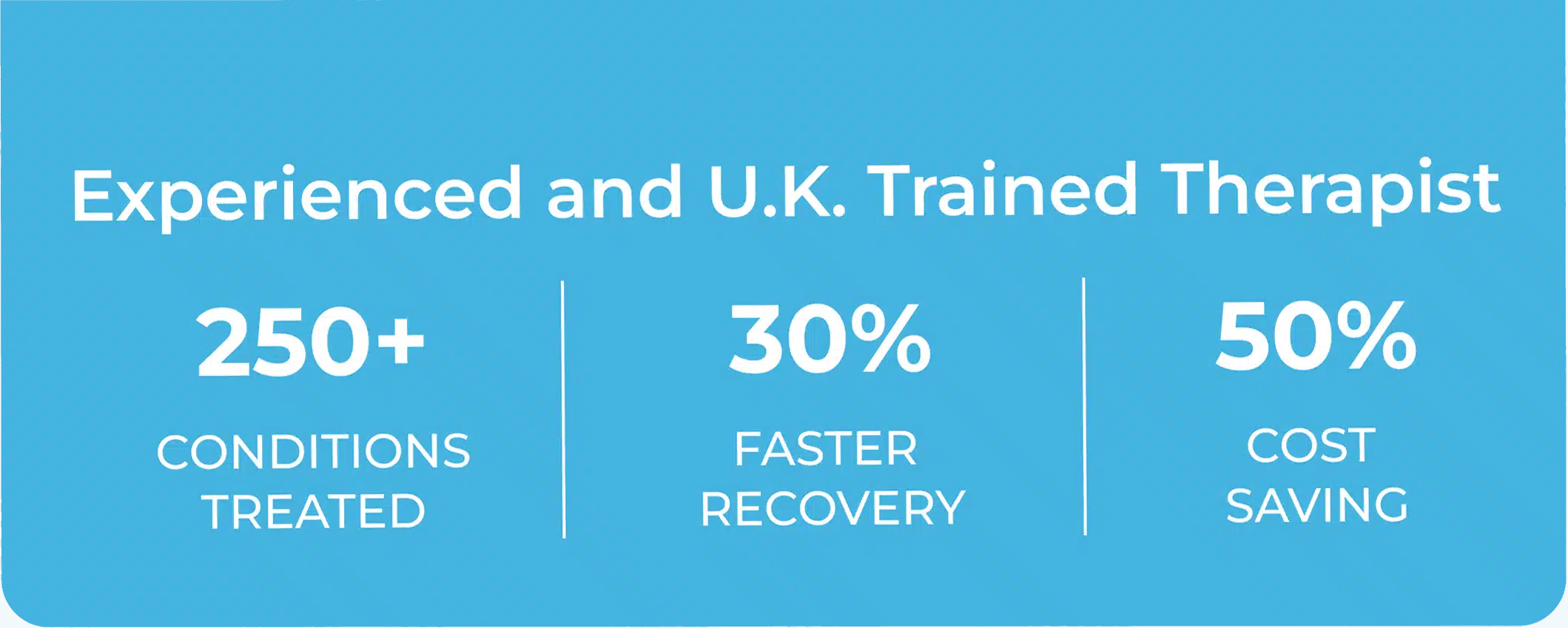




We are your doctor’s first choice and trusted by 50,000+ patients.
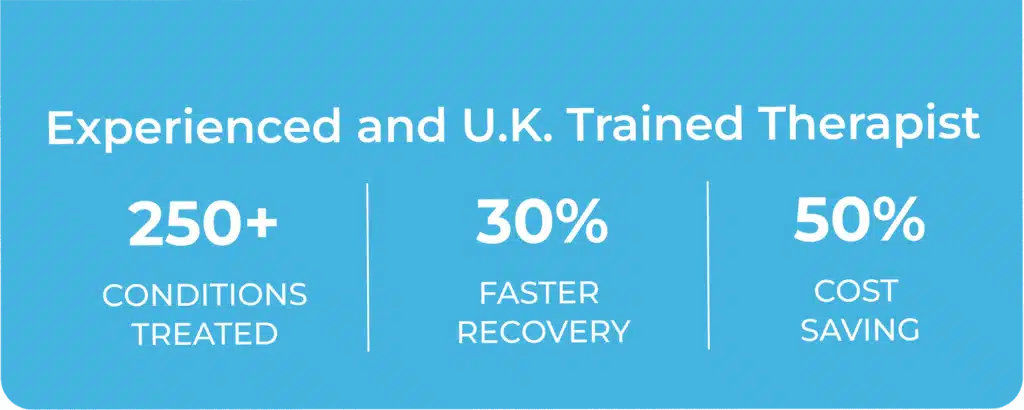
We are your doctor’s first choice and trusted by 50,000+ patients.
We are your doctor’s first choice and trusted by 50,000+ patients.
We are your doctor’s first choice and trusted by 50,000+ patients.
We are your doctor’s first choice and trusted by 50,000+ patients.
Resolve360 is great platform for online physiotherapy.
I was suffering from scapula dyskinesia and had lot of pain in right shoulder movement. I was introduced to Resolve 360 by my oncologist.
Within a month (26 sessions) there was a considerable improvement. Sessions are very cost-effective and doctors are very kind and efficient.
Doctor David has been really great and helpful. I would highly recommend Resolve 360.



I took prenatal care program from Resolve 360. Dr. Preyrna was assigned to me and she has done commendable job. I did prenatal exercises under her supervision, she designed program according to my body need. With her help my pregnancy was healthy and I got good dilations at the time of delivery. I am blessed with a healthy baby girl and very happy with Resolve 360.

Best therapy sessions that too at home and timings are very flexible. I had a issue in my neck and lower back since almost 4 to 5 years, taken so many treatments and physio sessions. But all gave a temporary relief. Then my friend referred me this Resolve 360 in 2020, in starting i was hesitant as everything was online, but after taking almost 10 sessions i got much relief, and now i am almost free of pain. Thanks to the team of Resolve 360.






I had online Physiotherpy sessions by Prerana for my heel pain. ( Tendo Achilis Sprain).
Though virtual, it was more interactive.
She was very observant throughout the sessions, correcting me while doing the exercises and was assertive in her outlook.
I found her instructions and methodology very helpful. She is updated in her academic knowledge in the field of Physiotherpy. She clarified my doubts about the role of Laser and Ultrasound treatment quoting evidence based data. With my personal experience I agree with her opinion that these are more of placebo effect.
Physiotherpy though not a miracle treatment, is a compelling necessity to most of the musculoskeletal and neurological illnesses. It needs to be accepted as healthy way to live.

From being a couch potato with poor cardio respiratory system to reaching pre-athlete levels of fitness in a span of 3 months, my journey with Resolve360 and Dr.David (Physiotherapist) has been anything but magical!
About 3 to 4 months ago, my blood report showed very high bad cholesterol levels, I was low on stamina and had frequent breathing issues. My GP prescribed me cholesterol meds for a month but I felt that alone wouldn’t get me back in shape because I needed a major lifestyle overhaul.
Dr.David educated me about my condition in detail and where it could lead me to if I don’t take action in the long run. He put me on a balanced workout regime being easy with cardio workouts in the initial days and gradually upgraded it observing me closely. He also advises me on dietary choices and follows up frequently. During the initial days, my ears used to get blocked within 5 wall squats and I stop right away but now I do over 20 in one shot and hardly feel a thing. I used to lose balance and fall off over my face within 6 push-ups or 20 seconds of plank and now I do about 24 push-ups in one shot. My heart rate used to raise above 150 bpm doing jumping jacks or other cardio workout within 20-30 seconds. You won’t believe I don’t do any of these cardio workouts without additional weights on my feet these days and my heart rate and recovery are as steady as they could get. I couldn’t run for over 2 min without stopping and gasping and now I cover about 4.6 km in 30 min and follow-up with a 20 min walk. Not convinced yet? My VO2 Max (I use an Apple Watch to measure this stat) was just about 33 while I started with Resolve360 and David. That reflects a very poor cardio respiratory fitness for a 34 year old. It’s 43.5 today ! Easily above average. Please read upon about VO2 Max and how it directly relates to cardio respiratory fitness so you get an accurate picture about my monumental progress in the last 3 months. I’ve been trying to get into a regular physical workout and balanced diet discipline since my 20s but I’d never been so motivated as I’m now. Give these guys a try. After all, the best investment you could ever make is on your health !

We contacted resolve360 for our child speech issue and I must say Resolve 360 team and Apoorva doing a wonderful job.
Our speech therapist Jaslia from Resolve360 is having a excellent knowledge and it helps our child a lot. Jaslia understand child psychology very well. Due to her efforts, we are seeing tremendous improvements in our child. She has a strong dedication towards her work and her nature towards kids makes her a very special one. She has given us enough confidence, due to her efforts and excellent service, we are seeing good improvements for my child speech & communication skills.
I would highly recommend Jaslia & Resolve360 team for their excellent work. God bless you!!