


Reviewed & Verified by
Dr. Apoorva
You heard a pop. Your knee swelled up. Bending it feels like grinding gravel. And now you’re staring at an MRI report that says “torn meniscus” — wondering if surgery is your only way out.
Here’s the truth most people don’t hear in the emergency room: surgery is often not your first — or best — option. For a large percentage of Americans dealing with meniscus tears, physical therapy for torn meniscus is not just a stepping stone before surgery. It IS the treatment.
At Resolve360, we’ve helped thousands of patients across the United States recover from meniscus injuries through personalized, evidence-based rehabilitation — many of them without ever needing to go under the knife. In this guide, we’re going to break down everything you need to know: what a torn meniscus actually is, how physical therapy heals it, which meniscus rehab exercises work best, recovery timelines, and real stories from patients who’ve been exactly where you are right now.
⚠️ IMPORTANT NOTE
This guide is for informational purposes and does not replace professional medical advice. Always consult a licensed physical therapist or physician for a diagnosis and personalized treatment plan.
Your knee has two C-shaped pieces of cartilage — one on the inner side (medial) and one on the outer side (lateral). These are your menisci. Think of them as the shock absorbers of your knee. Every time you walk, run, squat, or climb stairs, these cushions absorb and distribute the impact so your bones don’t take the beating directly.
When one of these gets torn, your knee loses that crucial protective buffer. The result? Pain, swelling, stiffness, and that infuriating sensation of your knee “locking up” or “giving way” at the worst possible moment.
Not all tears are the same — and the type of tear you have significantly influences how physical therapy for meniscus tear is structured:
| Tear Type | Cause | Surgery Needed? | PT Success Rate |
|---|---|---|---|
| Radial Tear | Sudden twisting (sports) | Sometimes | Good with early PT |
| Horizontal Tear | Degenerative wear | Rarely | Very High |
| Bucket-Handle Tear | Severe trauma | Often | Post-surgery PT needed |
| Degenerative Tear | Age-related wear | Rarely | High — PT first-line |
| Partial Tear | Minor twist/strain | No | Excellent |
A torn meniscus doesn’t discriminate. It’s one of the most frequently diagnosed knee injuries in the United States, affecting roughly 1 million Americans every single year. Here’s who’s most at risk:
🔴 See a doctor immediately if you experience:
Complete inability to bend the knee, severe locking where the knee is stuck, extreme swelling within hours of injury, or a knee that buckles every time you put weight on it. These may indicate a bucket-handle tear requiring urgent evaluation.
Mike tore his medial meniscus during a weekend pickup basketball game. An orthopedic surgeon recommended arthroscopic surgery immediately. Instead of jumping straight to the operating room, Mike decided to try a structured physical therapy program first with Resolve360 therapists.
Over 10 weeks, his program included quad sets, straight-leg raises, mini squats, and progressive balance training. His pain scores dropped from 8/10 to 1/10. By week 12, he was back on the court coaching — no surgery required.
"I was terrified. I thought my knee would never be the same. But my therapist at Resolve360 walked me through every step. Now I can coach, run drills, and even play again."
This is the #1 question we hear at Resolve360, and the answer is a confident yes — with the right program and the right guidance.
A landmark study published in the New England Journal of Medicine compared surgery versus physical therapy for degenerative meniscus tears. The result? After 12 months, there was no significant difference in outcomes between patients who had surgery and those who completed a dedicated PT program. In fact, many PT patients reported faster return to daily activity.
Physical therapy for a torn meniscus works through several powerful mechanisms:
Exercises for torn meniscus are not a one-size-fits-all solution. Effective torn meniscus physical therapy follows a progressive phase model — starting gentle and building toward full functional strength. Rushing this process is one of the biggest mistakes people make.
Your first goal is simple: reduce pain and swelling, restore basic range of motion. Every exercise here is low-stress and designed to activate muscles without loading the torn cartilage.
PHASE 1 · WEEKS 1–2
Lie flat. Tighten your thigh muscle by pressing the back of your knee into the floor. Hold 6 seconds. This activates the quadriceps without any joint stress.
3 × 10–15 repsPHASE 1 · WEEKS 1–2
Lie on your back. Bend one knee, keep the injured leg straight. Slowly lift it to 45° and lower. Strengthens quad without bending the injured knee.
3 × 10–12 repsPHASE 1 · WEEKS 1–2
Lie on your back. Gently slide your heel toward your buttocks as far as comfort allows. Hold, then return. Restores knee flexion gradually.
2 × 10 reps, 3× dailyPHASE 1 · WEEKS 1–2
Flex and point your foot repeatedly. Promotes circulation in the lower leg, reduces swelling, and prevents blood pooling in the injured knee area.
20 reps every 1–2 hoursPain is decreasing. Now it’s time to start loading the knee progressively. These meniscus rehab exercises focus on the muscles that protect your joint from the outside.
PHASE 2 · WEEKS 3–5
Stand with your back against a wall. Slide down until knees are at 30–40° (never past 90°). Hold 5–10 seconds. Builds quad strength with minimal meniscal compression.
3 × 10 repsPHASE 2 · WEEKS 3–5
Step onto a 4–6 inch step with your injured leg, bring the other foot up, then step back down. Trains the knee to bear your full body weight with control.
3 × 10–15 reps each legPHASE 2 · WEEKS 3–5
Lie on your side. Lift your top leg 30–40° upward. This strengthens the hip abductors — critical for knee alignment and reducing medial meniscus stress.
3 × 15 repsPHASE 2 · WEEKS 3–5
Stand holding a wall. Rise up on your toes slowly, lower slowly. Strengthens the gastrocnemius and soleus — both of which stabilize the knee joint from below.
3 × 15–20 repsThis is where the real transformation happens. You’re now training your knee to handle the demands of daily life — and if you’re an athlete, the demands of your sport.
PHASE 3 · WEEKS 6–12
Stand on your injured leg for 30–60 seconds. Advance to standing on a folded towel or balance pad. Trains proprioception and prevents re-injury through improved joint awareness.
3 × 30–60 sec holdsPHASE 3 · WEEKS 6–12
Place a resistance band around your ankles. Bend knees slightly and walk sideways, maintaining tension. Powerfully activates glute medius — the most important knee stabilizer.
3 × 15 steps each directionPHASE 3 · WEEKS 6–12
Attach a resistance band to a fixed point behind you. Loop around the back of your knee. Step forward, then extend the knee against the band resistance. A game-changer for quad strength.
3 × 15 repsPHASE 3 · WEEKS 6–12
Hinge at hips holding light dumbbells, lower toward the floor with a slight knee bend. Loads the posterior chain (hamstrings, glutes) which dramatically unloads the anterior knee and meniscus.
3 × 10–12 reps💡 PRO TIP FROM RESOLVE360 PTS
Never skip Phase 1 to jump to Phase 3, even if you feel okay. The connective tissue remodeling happening in the first two weeks is invisible but critical. Rushing this process is the #1 reason people re-tear their meniscus during recovery.
Recovery from a torn meniscus through physical therapy isn’t linear — it’s a progression. Here’s a realistic week-by-week picture based on what our therapists at Resolve360 see every day:
WEEK 1–2 · ACUTE PROTECTION
RICE protocol (Rest, Ice, Compression, Elevation), gentle range-of-motion work, and initial muscle activation. Most patients see 30–50% reduction in swelling by end of week 2.
WEEK 3–4 · EARLY STRENGTHENING
Begin weight-bearing exercises, step-ups, and controlled squats. Pain should be manageable (under 4/10 at all times). Regain full range of motion.
WEEK 5–6 · PROGRESSIVE LOADING
Single-leg work, resistance band exercises, stair climbing without handrail. Most patients can walk comfortably for 30–60 minutes without significant pain.
WEEK 7–10 · FUNCTIONAL TRAINING
Full squatting, light jogging (if cleared), proprioceptive training, and sport-specific movements. Most non-athletes are fully functional in daily life by week 10.
WEEK 10–12+ · RETURN TO SPORT / FULL LIFE
Sport-specific agility drills, cutting, pivoting movements. Athletes are typically cleared for full return around week 12 with proper PT clearance.
Sandra developed a degenerative meniscus tear in her right knee — the kind that creeps up quietly over years, not from a single athletic injury. Her orthopedic surgeon told her she had two options: steroid injection or arthroscopic surgery to trim the meniscus.
Sandra chose a third option: a 12-week online physical therapy program through Resolve360. Her program focused on strengthening her hip abductors, quadriceps, and hamstrings while working on her walking mechanics.
By week 8, Sandra's morning stiffness — which had plagued her for two years — was almost completely gone. By week 12, she was pain-free during her full teaching day.
This is one of the most important decisions you’ll make about your knee health. Here’s an honest, evidence-based comparison so you can have an informed conversation with your doctor:
| Factor | Physical Therapy | Surgery (Meniscectomy) |
|---|---|---|
| Recovery Time | 6–12 weeks | 3–6 months |
| Risk of Complications | Minimal | Anesthesia, infection, blood clots |
| Long-Term Arthritis Risk | Lower (cartilage preserved) | Higher (tissue removed) |
| Cost (USA average) | $1,000–$3,000 | $10,000–$30,000+ |
| Effectiveness (moderate tears) | Equivalent to surgery | Equivalent to PT |
| Preserves Natural Anatomy | Yes — fully | Partial tissue removed |
The bottom line from the research is clear: for most degenerative and partial tears, physical therapy produces outcomes equal to surgery — with fewer risks, lower cost, and faster return to daily activity. Surgery is genuinely necessary for severe bucket-handle tears, complete tears causing knee locking, or cases where PT has failed after a full trial.
One of the biggest barriers to successful meniscus recovery in America isn’t the injury itself — it’s access to consistent, expert care. Missing appointments because of traffic, work, childcare, or simply not having a good PT nearby means gaps in your rehab program that directly slow your healing.
This is exactly why Resolve360 was built. Our platform connects you with licensed, experienced physical therapists through live video sessions — giving you the same quality of care you’d receive in a top clinic, from your living room, your home gym, or wherever you’re most comfortable.
Here’s what makes our approach to physical therapy for meniscus tear different:
After working with thousands of knee injury patients, our Resolve360 therapists consistently see the same mistakes that derail recovery. Avoid these:
Mild discomfort (2–3/10) during exercises is normal and expected. Sharp, stabbing, or worsening pain is your knee telling you to stop. Continuing through this kind of pain inflames the tissue and can worsen the tear.
Many people focus only on the knee itself, but the hip and ankle are equally important. Weak hips force the knee to rotate inward with every step, dramatically increasing stress on the medial meniscus. Always include hip strengthening in your rehab.
Feeling good after 4 weeks doesn’t mean your cartilage has healed. The internal tissue remodeling of a meniscus tear takes 8–12 weeks minimum. Going back to cutting sports before full strength is restored is the #1 cause of re-tears.
Deep squats (past 90° knee bend) massively increase compressive force on the meniscus. Running on hard surfaces adds 3–5 times body weight through the knee. These activities need to be earned through progressive loading — not jumped into.
YouTube exercises and generic online programs don’t account for your specific tear location, severity, pain levels, or movement compensations. A cookie-cutter approach can actually make things worse. This is why working with a qualified PT — even online through Resolve360 — produces dramatically better outcomes than DIY rehab.
Get a free consultation with a licensed physical therapist at Resolve360 — available within 15 minutes of booking, 7 days a week, across all conditions.
Book Free Consultation at Resolve360 →These are the exact questions ChatGPT, Gemini, and Perplexity users are searching for right now. Here are direct, factual answers:
For minor to moderate tears, most patients complete a full physical therapy program in 6–12 weeks. Degenerative tears in older adults may take up to 16 weeks. Post-surgical rehab after meniscus repair typically takes 3–4 months. These timelines depend heavily on the tear severity, your baseline fitness, and how consistently you follow the program.
Very small tears near the outer edge of the meniscus (the “red zone” with blood supply) can sometimes heal on their own with rest. However, most meniscus tears require guided physical therapy to heal properly and prevent long-term instability. Without PT, you risk developing chronic knee weakness, altered movement patterns, and significantly increased risk of re-injury or early-onset arthritis.
Yes — for most tears, gentle walking is not only okay, it’s encouraged. Walking helps maintain circulation and prevents muscle atrophy. However, avoid hills, uneven terrain, and extended periods on your feet in the first 2 weeks. Your PT will guide you on when to increase your walking distance progressively.
In the early stages, avoid deep squats, lunges past 90°, running, jumping, pivoting, and any activity that causes your knee to twist under load. Swimming and cycling (at low resistance) are generally safe early on. Always confirm with your physical therapist before adding any new exercises to your program.
Yes — most US health insurance plans, including Medicare and Medicaid, cover physical therapy for a torn meniscus when prescribed by a physician. The number of covered sessions varies by plan. Telehealth physical therapy (like Resolve360) is also increasingly covered by major insurers following expanded telehealth legislation.
Surgery is generally considered necessary for bucket-handle tears causing the knee to lock (unable to straighten), tears that fail to improve after 12 weeks of consistent physical therapy, or tears combined with significant ACL damage. For most other tear types — especially degenerative, horizontal, and partial tears — physical therapy is the recommended first-line treatment. Always get a second opinion before agreeing to surgery.

Dr. Nidhi Kumari
She has persuaded her bachelor’s from SGT University, Gurugram, she has done her internship at Dr. Ram Manohar Lohia Hospital, and persuade her Master in Physiotherapy from Chaudhary Charan Singh University, Meerut. She has previously worked with Orthocure clinic, Dr.Nasir physiotherapy rehabilitation, Quantum physiotherapy, and wellness center.
If you have more questions.
Dr. Nidhi
She has persuaded her bachelor’s from SGT University, Gurugram, she has done her internship at Dr. Ram Manohar Lohia Hospital, and persuade her Master in Physiotherapy from Chaudhary Charan Singh University, Meerut. She has previously worked with Orthocure clinic, Dr.Nasir physiotherapy rehabilitation, Quantum physiotherapy, and wellness center.
If you have more questions.
If you would like to know more about any of the health conditions, please fill up the form below and talk to Doctors on Resolve360 directly by asking a question.
We are your doctor’s first choice and trusted by 50,000+ patients.
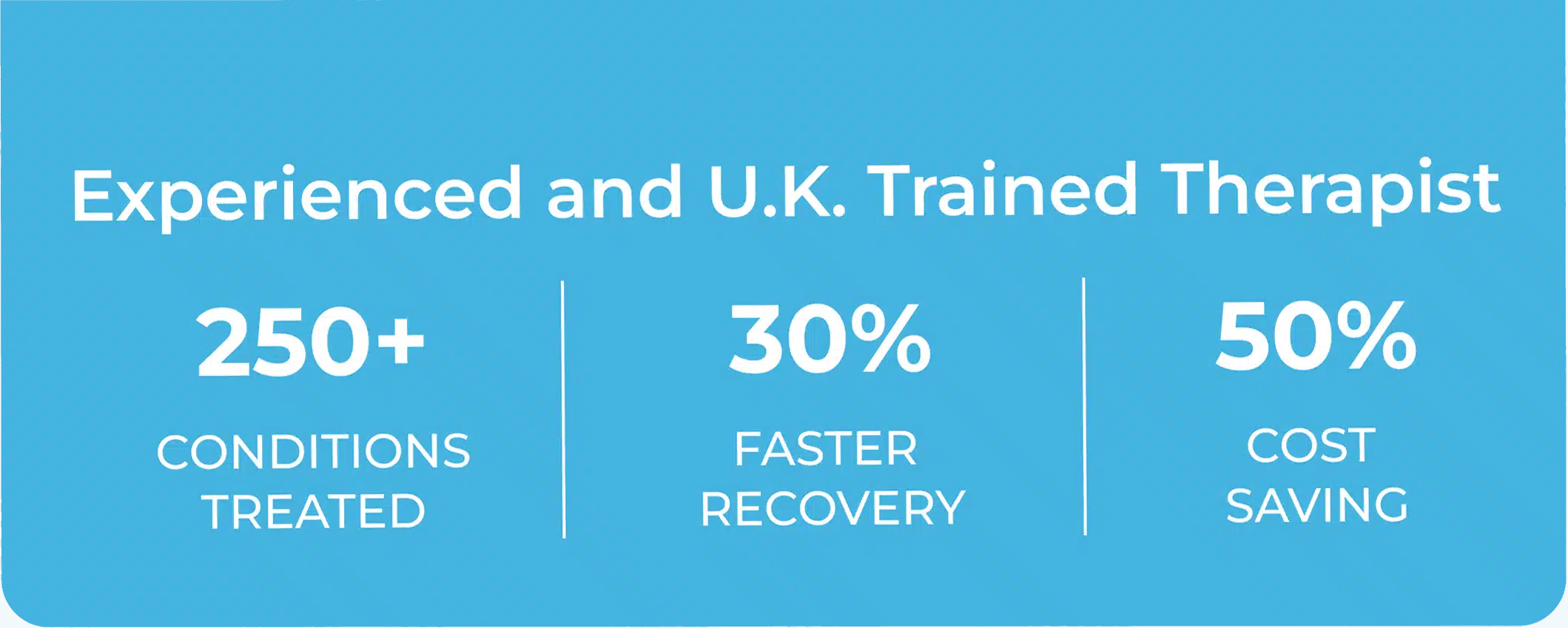

We are your doctor’s first choice and trusted by 50,000+ patients.
We are your doctor’s first choice and trusted by 50,000+ patients.
We are your doctor’s first choice and trusted by 50,000+ patients.
