



Reviewed & Verified by
Dr. Apoorva
If you’ve been dealing with shoulder pain that flares up every time you reach overhead, lift a bag of groceries, or lie on your side at night — this guide is written for you. Shoulder impingement is the most common cause of shoulder pain in the U.S., accounting for up to 65% of all shoulder complaints seen by doctors and physical therapists. The good news is that shoulder impingement physical therapy works — and the latest 2025–2026 research proves it better than ever.
Here are the biggest clinical updates affecting how shoulder impingement is treated in 2026:
The Journal of Orthopaedic & Sports Physical Therapy released a comprehensive new Clinical Practice Guideline specifically for rotator cuff tendinopathy and subacromial impingement in 2025. Key takeaways:
The most recent evidence-based clinical update from the National Institutes of Health (StatPearls, updated January 10, 2026) confirms that shoulder impingement syndrome accounts for 44%–65% of all shoulder-related complaints in outpatient settings. It also clarifies that the condition should now be understood as a clinical syndrome — not just a single structural diagnosis — with overlapping causes that all respond well to physical therapy for shoulder impingement syndrome.
The American Academy of Orthopaedic Surgeons (AAOS) updated its clinical guidelines in August 2025. One major update: multiple corticosteroid injections are no longer recommended. Evidence now supports only a single injection if needed, especially for patients considering surgery. This makes physical therapy even more important as the primary long-term solution.
You may hear different names for shoulder impingement from different providers. Here’s a quick guide:
All of these respond to the same physical therapy for shoulder pain approach — the name difference doesn’t change your treatment.
Think of your shoulder as a busy highway where multiple important structures share a very narrow space. Between the top of your upper arm bone (the humerus) and the bony roof above (the acromion), there is a small tunnel — called the subacromial space — that’s normally about 1 to 1.5 centimeters wide.
Inside this tunnel runs your rotator cuff tendons, the long head of your biceps tendon, and a fluid-filled cushion called the bursa. When the space gets smaller — because of weak muscles, poor posture, inflammation, or bone changes — these structures get pinched (impinged) every time you lift your arm.
That pinching = pain, inflammation, and over time, tendon damage if nothing is done about it.
The majority of Americans dealing with shoulder impingement have the secondary, functional type — which means the problem is muscular and correctable with the right physical therapy approach.
Shoulder impingement has a recognizable pattern of symptoms. Check how many of these sound familiar:
With approximately 4.5 million shoulder-related medical visits per year in the United States (per AAOS 2025), shoulder impingement is truly everywhere. Here’s who’s most at risk:
The common thread in nearly all cases: muscle imbalances and movement pattern problems — exactly what physical therapy is designed to fix.
Based on the 2025 JOSPT Clinical Practice Guideline and January 2026 StatPearls update, structured physical therapy is the gold standard first-line treatment for shoulder impingement. Here’s exactly what happens when you start PT:
Your physical therapist starts with a thorough assessment — not just of your shoulder, but of your neck, thoracic spine (mid-back), and full movement patterns. Specific clinical tests used in 2026 include:
Early treatment targets pain and inflammation:
Once pain is under control, the focus shifts to correcting the underlying problems:
This is where subacromial impingement physical therapy gets to the root cause. The 2025 JOSPT guideline places special emphasis on scapular stabilizer and rotator cuff strengthening as the most evidence-supported intervention for long-term recovery.
Key exercises in this phase:
Your therapist reintroduces the specific activities that caused your pain — whether that’s throwing a ball, reaching overhead at work, swimming, or lifting weights — in a controlled, progressive way. Sport-specific or occupation-specific movement training ensures you return safely without risking re-injury.
These exercises are appropriate for most people with mild-to-moderate shoulder impingement. Stop if you feel sharp or worsening pain. These do not replace a personalized evaluation. For your full program, visit Resolve360.
Why it works (2026 evidence): Activates the middle and lower trapezius — the scapular stabilizers that the 2025 JOSPT guideline identifies as most critical for correcting shoulder impingement mechanics.
Why it works: Lengthens the pectoralis minor, which pulls the shoulder blade forward and tilts it abnormally — a key driver of subacromial space narrowing.
Why it works: Directly targets the infraspinatus and teres minor — the rotator cuff muscles most responsible for keeping the humeral head centered during arm movement.
Why it works: Activates lower trapezius — a muscle commonly weakened in shoulder impingement — which is essential for proper scapular upward rotation during overhead movement.
Why it works: Progressive rotator cuff loading — the cornerstone of physical therapy for shoulder pain per the 2025 clinical guideline.
When is surgery actually needed?
Important 2025 AAOS update: The new guidelines now recommend only a single corticosteroid injection (if used at all), not repeated shots. Multiple injections were previously common but evidence no longer supports them as effective for long-term recovery. Physical therapy remains the primary intervention.
The vast majority of shoulder impingement cases — 60–90% according to medical literature — resolve successfully with conservative physical therapy, especially when treatment begins early.
Here’s a realistic guide based on 2025–2026 clinical standards:
The 2025 guideline recommends formal re-assessment every 2–4 weeks using validated tools (DASH, ASES score). Your therapist should be adjusting your program based on objective progress — not just pain reports.
There are hundreds of physical therapy options out there — clinics, YouTube videos, generic apps. So why are thousands of Americans choosing Resolve360 for their Shoulder Impingement recovery in 2026? Here’s the honest answer:
Every Resolve360 session is led by a licensed Doctor of Physical Therapy. You get real clinical expertise, not cookie-cutter AI recommendations or generic exercise lists.
No commute, no waiting room, no scheduling conflicts. Whether you're in New York, rural Texas, or anywhere in between — your PT is just a click away through our telehealth platform.
Your recovery plan is built specifically for your injury severity, lifestyle, job demands, and fitness level. A nurse's program looks different from a programmer's — and it should.
Early morning, lunch break, or evening — book sessions when it suits your schedule. Resolve360's online physical therapy fits around your life, not the other way around.
Your therapist tracks your pain levels, grip strength, and functional milestones every session. You always know exactly where you are in your recovery and what comes next.
Virtual PT typically costs significantly less than in-person visits, with no co-pays for parking, gas, or time off work. Many insurance plans cover telehealth PT — Resolve360 helps you verify your benefits upfront.
Also Read: Top 10 Best Online Physical Therapy Services in the USA ; physical therapy for herniated disc
| Feature | Traditional PT Clinic | Resolve360 (Online PT) |
|---|---|---|
| Licensed Therapist | ✅ Yes | ✅ Yes (DPT) |
| Travel Required | ✅ Yes — often 20–45 min each way | ❌ No — 100% from home |
| Flexible Hours | Limited clinic hours | ✅ Early AM to late PM |
| Personalized Program | Sometimes (varies by clinic) | ✅ Always — every patient |
| Workstation/Home Assessment | ❌ Not possible | ✅ Yes — via live video |
| Cost | Higher (facility fees + copays) | Lower — no facility overhead |
| Insurance Coverage (2026) | ✅ Most plans | ✅ Most major U.S. plans |
| Start Date | Often 1–3 weeks wait | ✅ Often same week |
Physical therapy shoulder impingement treatment is the most evidence-supported, safest, and most cost-effective path to lasting shoulder pain relief in 2026. The latest clinical guidelines confirm: exercise therapy first, surgery only as a last resort.
Here’s what a quality physical therapy program will do for you:
Don’t let shoulder impingement become a chronic problem. The earlier you start physical therapy for shoulder impingement, the faster and more completely you recover. Whether your symptoms started last week or last year, there’s a clear, evidence-based path forward.
Explore personalized support for your recovery at Resolve360 — built on the latest 2025–2026 clinical evidence, designed for real people with busy lives.
Get a free consultation with a licensed physical therapist at Resolve360 — available within 15 minutes of booking, 7 days a week, across all conditions.
Book Free Consultation at Resolve360 →No — but they’re related. Shoulder impingement is a functional problem (pinching due to movement issues). A rotator cuff tear is structural damage to the tendon tissue. Untreated impingement can eventually cause a tear, which is why starting physical therapy early matters.
Per the January 2026 StatPearls update and 2025 JOSPT guideline: Not initially. Diagnosis is clinical — based on your history, symptoms, and physical examination. MRI is only recommended if PT doesn’t improve your symptoms after 6–8 weeks, or if a significant tear is suspected after trauma.
Yes, with smart modifications. Lower body training, core work, and non-aggravating upper body exercises are typically fine. Your PT will help you modify your program so you stay active while healing.
Subacromial impingement physical therapy and shoulder impingement PT are the same thing. “Subacromial” just describes the location — below the acromion — where the pinching happens. The treatment approach is identical.
RCRSP is simply the newer, umbrella term adopted in 2025 clinical guidelines that encompasses subacromial impingement, rotator cuff tendinopathy, and related conditions. The treatment approach — structured physical therapy — is the same.
The 2025 clinical evidence suggests most shoulder impingement patients need 12–20 sessions over 6–12 weeks. However, the number varies widely based on how long you’ve had symptoms and how consistently you do your home program.

Dr. Nidhi Kumari
She has persuaded her bachelor’s from SGT University, Gurugram, she has done her internship at Dr. Ram Manohar Lohia Hospital, and persuade her Master in Physiotherapy from Chaudhary Charan Singh University, Meerut. She has previously worked with Orthocure clinic, Dr.Nasir physiotherapy rehabilitation, Quantum physiotherapy, and wellness center.
If you have more questions.
Dr. Nidhi
She has persuaded her bachelor’s from SGT University, Gurugram, she has done her internship at Dr. Ram Manohar Lohia Hospital, and persuade her Master in Physiotherapy from Chaudhary Charan Singh University, Meerut. She has previously worked with Orthocure clinic, Dr.Nasir physiotherapy rehabilitation, Quantum physiotherapy, and wellness center.
If you have more questions.
If you would like to know more about any of the health conditions, please fill up the form below and talk to Doctors on Resolve360 directly by asking a question.
We are your doctor’s first choice and trusted by 50,000+ patients.
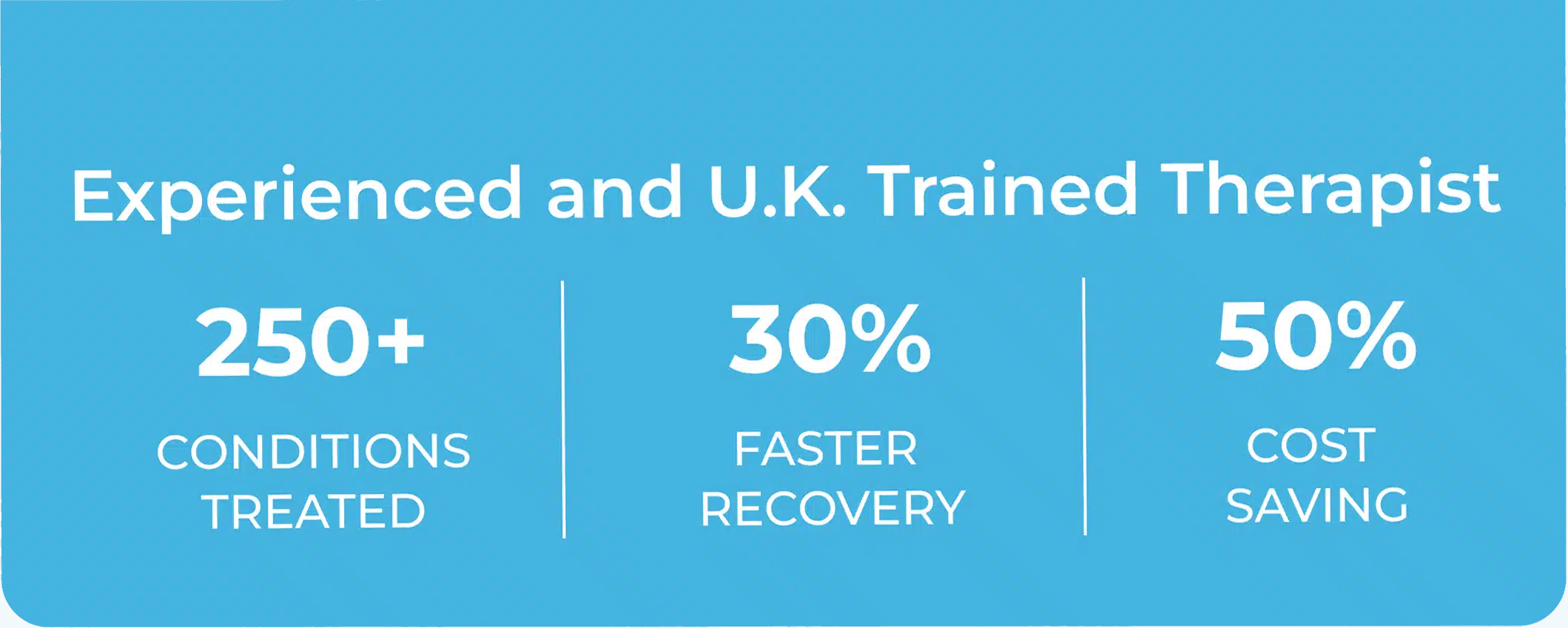

We are your doctor’s first choice and trusted by 50,000+ patients.
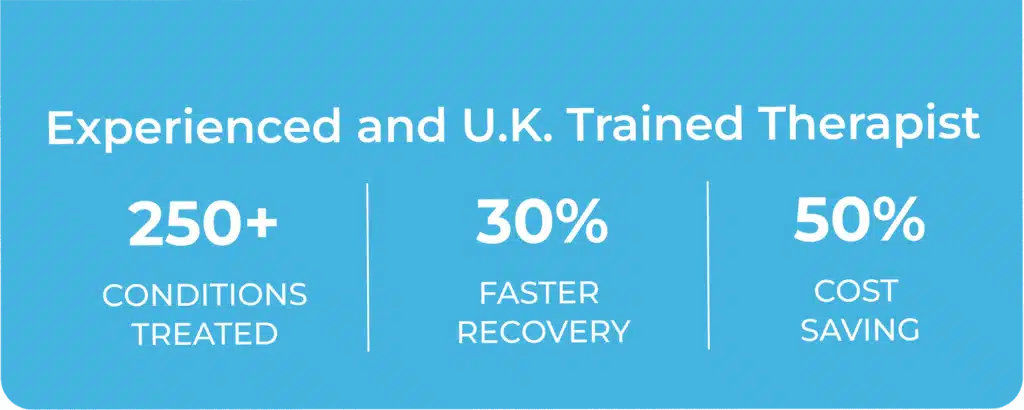
We are your doctor’s first choice and trusted by 50,000+ patients.
We are your doctor’s first choice and trusted by 50,000+ patients.


