- Treatment
Pain Management
- Neck Pain
- Back Pain
- Shoulder Pain
- Knee Pain
- Ankle Pain
Physiotherapy
- Cervical
- Arthritis
- ACL
- Knee Pain
- Ankle Pain
Physiotherapy
- Neck Pain
- Back Pain
- Shoulder Pain
- Knee Pain
- Ankle Pain
- Physiotherapy
- Rehabilitation
Physical therapy after ACL surgery typically begins within 1–7 days post-operation and continues for 9–12 months. It is structured into 4–5 progressive phases: swelling control and range of motion, quadriceps activation, strength building, sport-specific training, and return-to-sport clearance. Key exercises include heel slides, quad sets, straight leg raises, terminal knee extensions, single-leg squats, and plyometrics. Most patients return to full sport activity between 9–12 months when guided by a licensed physical therapist.
Getting ACL reconstruction surgery is only half the battle. The real work — the part that actually determines whether you walk, run, or play sport normally again — happens in physical therapy after ACL surgery.
Here is the honest truth most people are not told: the ACL graft you receive during surgery is technically dead tissue for the first 6–8 weeks. Your body slowly revascularizes it, and during that window, every move you make — and every move your physical therapist guides — shapes how strong that new ligament becomes. This process, called ligamentization, takes 12–18 months to complete fully.
Skip or rush physical therapy after ACL surgery, and your risk of re-tearing the ACL jumps dramatically. A landmark sports medicine study found that ACL re-injury rates drop by 51% for every additional month of proper rehab up to 9 months post-operation. That single statistic should convince any athlete that structured ACL recovery exercises are worth every session.
"The surgery repairs the ligament, but physical therapy teaches it how to function." — Sports Medicine Consensus, JOSPT 2020
Physical therapy after ACL surgery targets four core goals: restoring full range of motion, eliminating post-surgical swelling, rebuilding quadriceps and hamstring strength, and retraining neuromuscular control so your knee knows where it is in space. Miss any one of these and you increase the chances of a second injury — which statistically occurs in 15–25% of athletes who return to cutting and pivoting sports.
Physical therapy after ACL surgery does not follow one single schedule for every person. Your graft type (patellar tendon, hamstring, allograft), surgeon protocol, age, and baseline fitness all influence timing. That said, here is the clinically accepted phase structure used by licensed physical therapists across the USA in 2026:
| Phase | Timeframe | Primary Goals | Key Exercises |
|---|---|---|---|
Phase 1
| Week 1–2 | Reduce swelling, regain knee extension, quad activation | Quad sets, heel slides, ankle pumps, straight leg raises |
Phase 2
| Week 3–6 | Full range of motion, weight bearing, basic strength | Stationary bike, terminal knee extensions, step-ups, calf raises |
Phase 3
| Week 7–12 | Strength symmetry, proprioception, functional movement | Leg press, single-leg squats, balance board, mini squats |
Phase 4
| Month 4–6 | Endurance, jogging, sport-adjacent movements | Elliptical, lateral shuffles, pool jogging, straight-line running |
Phase 5
| Month 6–12 | Sport-specific training, full return-to-sport clearance | Cutting drills, plyometrics, agility ladders, jump training |
Contrary to what many people think, physical therapy after ACL surgery begins on the day of your operation — sometimes in the recovery room itself. Your physical therapist’s first priority is not strength; it is controlling swelling and getting your knee to straighten fully. A knee that cannot fully extend within the first two weeks is at serious risk for a complication called “arthrofibrosis” — excessive scar tissue that permanently limits motion.
The RICE protocol (Rest, Ice, Compression, Elevation) runs alongside gentle ACL recovery exercises. Most patients are on crutches during this phase, and full weight-bearing is gradually introduced based on tolerance. Walking on the affected leg without a limp is a key milestone before progressing.
Once your knee extension is restored and basic quad activation is present, your physical therapist will introduce weight-bearing ACL strengthening exercises. The stationary bike becomes your best friend here — low-impact, zero shear force on the healing graft, and excellent for restoring range of motion toward 90 degrees of flexion and beyond.
This phase is also where terminal knee extensions (TKEs) with a resistance band become a daily staple. TKEs specifically activate the vastus medialis oblique (VMO) — the inner quad muscle that controls patellar tracking — which is the muscle most responsible for knee stability during walking and stair climbing.
This is the phase where most patients feel “almost normal” — and it is exactly when overconfidence becomes dangerous. The graft is at its weakest biomechanically between 6–12 weeks (a period researchers call the “ligamentization valley”) even though your knee may feel fine subjectively.
ACL strengthening exercises in this phase focus on progressive loading: leg press from 0–70 degrees, single-leg squat variations, and proprioceptive training on unstable surfaces. Your therapist will measure limb symmetry index (LSI) — comparing your surgical leg strength to your healthy leg — and you need to hit at least 70% symmetry before advancing.
Physical therapy after ACL surgery enters its most sport-specific phase around month 4. This is when jogging on a straight path is introduced, followed by lateral movement, pivoting, and eventually plyometric training. Return to full sport is typically cleared between 9–12 months, not at the 6-month mark — a shift that 2024 and 2025 sports medicine research has firmly established based on re-injury data.
These are the exercises for torn ACL recovery that evidence-based physical therapists assign most frequently across all five phases. Always follow your specific therapist’s progressions — this list reflects standard clinical protocols used in USA physiotherapy practice in 2026.
Lie flat, roll a towel under your knee. Tighten your quad, hold 5 seconds. 2 sets of 10, multiple times a day. The foundation of all ACL strengthening exercises.
Lie on your back, slide heel toward glutes until knee bends. Hold 5 seconds, return. 3 sets of 10. The #1 exercise for restoring knee flexion range of motion.
Lie on back, tighten quad, raise straight leg 12 inches. Hold 5 sec. Progress from 10 to 100 per day. Builds quad strength without loading the graft.
Move foot up and down 10 times every 10 minutes for first 2–3 days post-op. Prevents blood clots and improves circulation. Often overlooked but clinically critical.
Band looped behind knee, attached to anchor. Stand, knee slightly bent. Straighten against resistance. Hold 6 sec. 2 sets of 12. Targets VMO specifically.
Start with zero resistance, raise seat high. 10–20 min daily. Restores range of motion to 90°+, improves cardiovascular fitness, low graft stress.
Stand on surgical leg, lift other. Hold 10 sec. Progress to eyes closed, then unstable surface. Retrains neuromuscular proprioception — essential for ACL workouts.
Feet shoulder-width. Squat to 45–70 degrees only. Progress depth as tolerated. Leg press follows same arc. Do not exceed 90° until Phase 4.
Step-ups on 4-inch box, progress to 8 inches. Band walks strengthen hip abductors — critical for valgus knee control that prevents re-tear.
Introduced only when LSI reaches 85%+. Two-leg landing, progress to single-leg. Prepares the neuromuscular system for real sport demands.
Note for USA Athletes: Open-chain knee extensions (leg extension machine) are generally avoided for the first 12 weeks post-surgery when a patellar tendon graft is used, due to shear stress on the graft. Always confirm with your licensed physical therapist.
Marcus tore his ACL during a recreational soccer league game in March 2024 — a classic plant-and-pivot mechanism. MRI confirmed a complete tear of the right ACL with no meniscal involvement. He underwent patellar tendon autograft reconstruction three weeks post-injury, after completing two weeks of "prehab" to reduce swelling and improve pre-operative quad strength.
Week 1–2: Marcus began physical therapy after ACL surgery the day after his operation. His focus was quad sets every hour and heel slides three times daily. He iced for 20 minutes after every session. His knee extension reached full (0°) by day 10 — a critical milestone.
Week 6: Marcus was off crutches, cycling on a stationary bike for 15 minutes daily, and performing terminal knee extensions with a resistance band. His range of motion hit 120° of flexion.
Month 4: ACL strengthening exercises progressed to single-leg press, lateral band walks, and pool jogging. First straight-line jogging introduced on a track.
Month 9: Marcus passed his functional assessment — limb symmetry index of 92%, single-leg hop test within 90% of uninjured leg. He returned to soccer training (non-contact) at month 10, and full contact at month 12.
Month 14 (Bonus): Marcus completed a half-marathon. His own words: "I honestly think I came back stronger than before because I finally understood how my knee worked."
✅ Outcome: Full return to sport at 12 months. Zero re-injury at 20-month follow-up.
Priya suffered a non-contact ACL tear during a fast break. Female athletes are statistically 2–8x more likely to sustain ACL injuries than males due to anatomical and hormonal differences — a fact her physical therapist addressed directly in her rehab plan.
Her therapist incorporated hip strengthening exercises (clamshells, glute bridges, lateral band walks) from Week 2 onwards to correct the valgus knee collapse pattern that caused her original injury. Physical therapy after ACL surgery for Priya also included specific neuromuscular training — video-recorded landing analysis and corrective jump mechanics.
At Month 10, Priya passed her return-to-sport criteria. Her limb symmetry was 94%, and her single-leg vertical jump was equal bilaterally.
✅ Outcome: Returned to NCAA basketball at Month 11. Remains injury-free through 18-month follow-up.
Physical therapy after ACL surgery is a progressive process, and some soreness and mild swelling after exercise sessions is completely normal. However, there are warning signs that should never be ignored. Contact your physical therapist or surgeon right away if you notice:
These symptoms can indicate complications such as graft failure, infection, arthrofibrosis, or deep vein thrombosis — all of which are treatable when caught early. When in doubt, stop the exercise and call your care team.
One of the biggest challenges Americans face after ACL surgery is access. Between clinic waitlists, insurance hurdles, and the simple logistics of driving to appointments on a healing knee, many patients drop off their PT program too early — exactly when they need it most.
This is where Resolve360 changes the equation. Their live 1-on-1 video sessions with licensed physiotherapists let you get expert-guided ACL recovery exercises from your living room, no car needed.
What makes Resolve360 different from generic exercise apps or YouTube videos is the real-time clinical assessment. Your Resolve360 therapist watches your movement patterns on video, corrects your form live, and adjusts your ACL strengthening exercises week by week based on actual progress — not a generic algorithm. They track your limb symmetry, monitor swelling patterns, and escalate or de-escalate your program based on what they see.
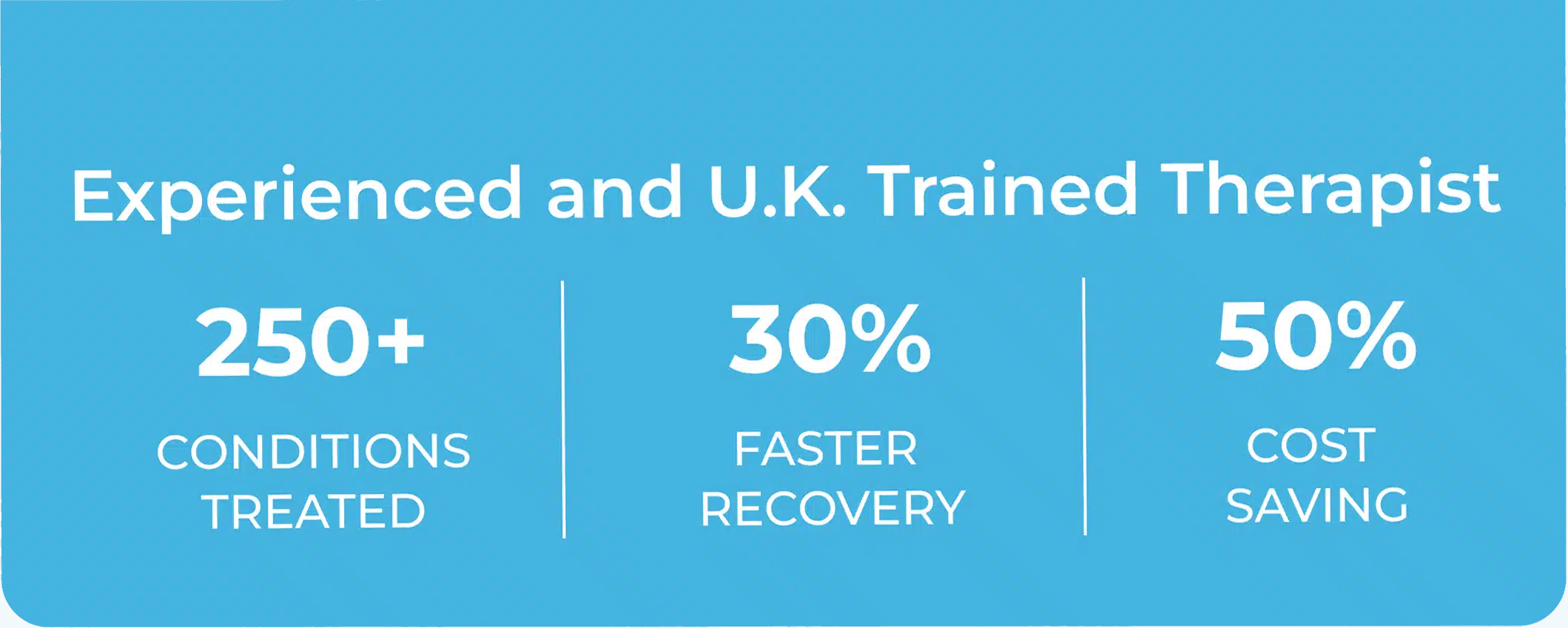
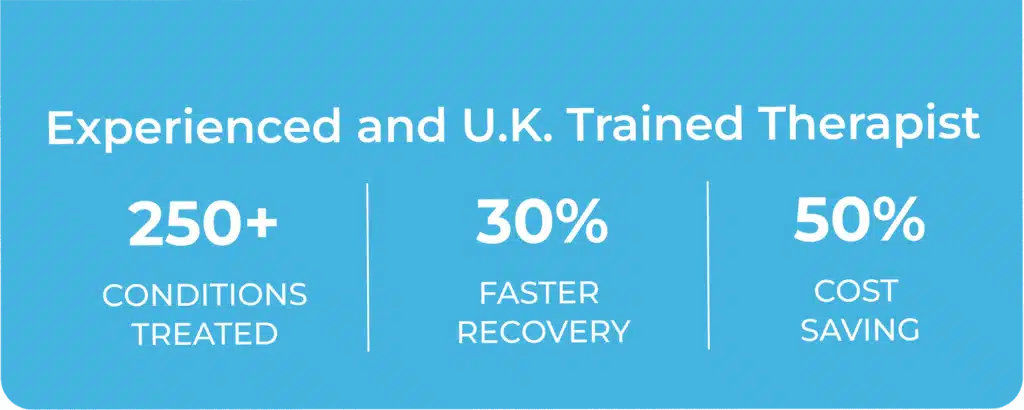
Trusted by 50,000+ patients and backed by specialists trained in the UK, Resolve360 offers post-surgical physiotherapy — including physical therapy after ACL surgery — as a core service. Their research-backed approach delivers up to 30% faster recovery compared to unsupervised home exercise.
Your first consultation with Resolve360 is completely free. You can book through their app (available on iOS and Android) or their website.
Get a free consultation with a licensed physical therapist at Resolve360 — available within 15 minutes of booking, 7 days a week, across all conditions.
Book Free Consultation at Resolve360 →Physical therapy after ACL surgery typically begins within 1–7 days of the operation. Some surgeons recommend gentle exercises — such as ankle pumps and quad sets — on the very day of surgery in the recovery room. The sooner swelling-control and quad-activation exercises begin, the lower the risk of long-term stiffness and muscle atrophy.
Skipping physical therapy after ACL surgery dramatically increases your risk of serious complications. These include arthrofibrosis (permanent scar tissue limiting range of motion), chronic quadriceps weakness and atrophy, persistent knee instability, ACL re-tear during return to activity, and long-term cartilage degeneration leading to early onset knee arthritis. The physical therapy program is what teaches your new graft to function like an actual ligament.
The fastest documented ACL recovery for return to full sport in elite athletes (with daily supervised physical therapy and ideal conditions) is around 6 months. However, the vast majority of sports medicine experts now advise against returning to contact sport before 9 months, even if the patient “feels ready.” Research clearly shows that returning at 6 months doubles re-injury risk compared to 9 months. Consistency in ACL recovery exercises, proper nutrition, and sleep all influence speed of recovery.
Yes — prehabilitation (physical therapy before ACL surgery) significantly improves post-surgery outcomes. Research shows that patients who complete 2–4 weeks of prehab — reducing swelling, restoring range of motion, and strengthening quads before the operation — recover faster and achieve higher functional scores in the months following surgery. Many physical therapists now recommend prehab as a standard part of ACL reconstruction preparation.
Female athletes face a 2–8x higher risk of ACL injury than males, primarily due to anatomical differences (wider Q-angle), hormonal influences on ligament laxity, and neuromuscular landing patterns. Physical therapy after ACL surgery for female athletes places greater emphasis on hip abductor strengthening (to prevent valgus collapse), jump-landing mechanics correction, and neuromuscular retraining. A qualified physical therapist should tailor the ACL strengthening exercises program to address these specific risk factors.
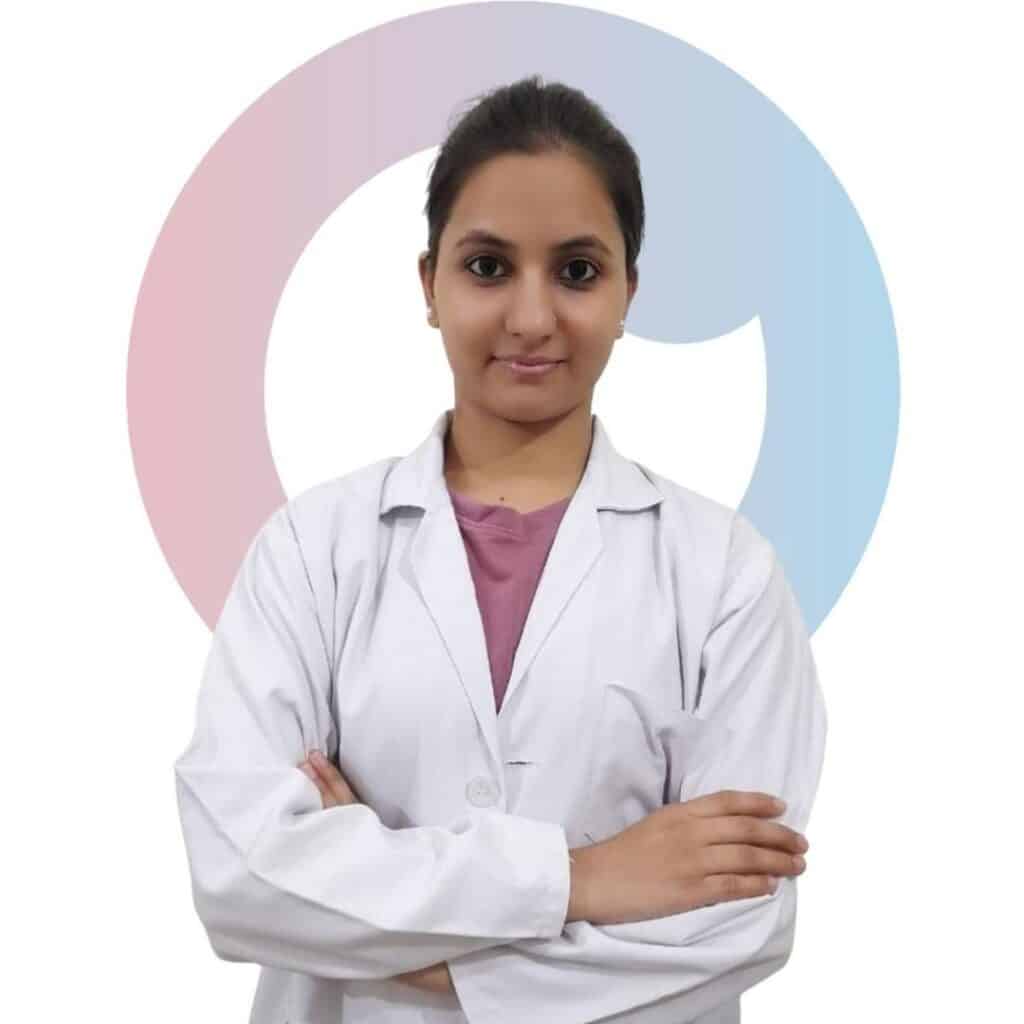
Dr. Nidhi Kumari
She has persuaded her bachelor’s from SGT University, Gurugram, she has done her internship at Dr. Ram Manohar Lohia Hospital, and persuade her Master in Physiotherapy from Chaudhary Charan Singh University, Meerut. She has previously worked with Orthocure clinic, Dr.Nasir physiotherapy rehabilitation, Quantum physiotherapy, and wellness center.
If you have more questions.
Dr. Nidhi
She has persuaded her bachelor’s from SGT University, Gurugram, she has done her internship at Dr. Ram Manohar Lohia Hospital, and persuade her Master in Physiotherapy from Chaudhary Charan Singh University, Meerut. She has previously worked with Orthocure clinic, Dr.Nasir physiotherapy rehabilitation, Quantum physiotherapy, and wellness center.
If you have more questions.
If you would like to know more about any of the health conditions, please fill up the form below and talk to Doctors on Resolve360 directly by asking a question.
We are your doctor’s first choice and trusted by 50,000+ patients.
We are your doctor’s first choice and trusted by 50,000+ patients.
We are your doctor’s first choice and trusted by 50,000+ patients.
We are your doctor’s first choice and trusted by 50,000+ patients.
Resolve360 is great platform for online physiotherapy.
I was suffering from scapula dyskinesia and had lot of pain in right shoulder movement. I was introduced to Resolve 360 by my oncologist.
Within a month (26 sessions) there was a considerable improvement. Sessions are very cost-effective and doctors are very kind and efficient.
Doctor David has been really great and helpful. I would highly recommend Resolve 360.



I took prenatal care program from Resolve 360. Dr. Preyrna was assigned to me and she has done commendable job. I did prenatal exercises under her supervision, she designed program according to my body need. With her help my pregnancy was healthy and I got good dilations at the time of delivery. I am blessed with a healthy baby girl and very happy with Resolve 360.

Best therapy sessions that too at home and timings are very flexible. I had a issue in my neck and lower back since almost 4 to 5 years, taken so many treatments and physio sessions. But all gave a temporary relief. Then my friend referred me this Resolve 360 in 2020, in starting i was hesitant as everything was online, but after taking almost 10 sessions i got much relief, and now i am almost free of pain. Thanks to the team of Resolve 360.





I had online Physiotherpy sessions by Prerana for my heel pain. ( Tendo Achilis Sprain).
Though virtual, it was more interactive.
She was very observant throughout the sessions, correcting me while doing the exercises and was assertive in her outlook.
I found her instructions and methodology very helpful. She is updated in her academic knowledge in the field of Physiotherpy. She clarified my doubts about the role of Laser and Ultrasound treatment quoting evidence based data. With my personal experience I agree with her opinion that these are more of placebo effect.
Physiotherpy though not a miracle treatment, is a compelling necessity to most of the musculoskeletal and neurological illnesses. It needs to be accepted as healthy way to live.

From being a couch potato with poor cardio respiratory system to reaching pre-athlete levels of fitness in a span of 3 months, my journey with Resolve360 and Dr.David (Physiotherapist) has been anything but magical!
About 3 to 4 months ago, my blood report showed very high bad cholesterol levels, I was low on stamina and had frequent breathing issues. My GP prescribed me cholesterol meds for a month but I felt that alone wouldn’t get me back in shape because I needed a major lifestyle overhaul.
Dr.David educated me about my condition in detail and where it could lead me to if I don’t take action in the long run. He put me on a balanced workout regime being easy with cardio workouts in the initial days and gradually upgraded it observing me closely. He also advises me on dietary choices and follows up frequently. During the initial days, my ears used to get blocked within 5 wall squats and I stop right away but now I do over 20 in one shot and hardly feel a thing. I used to lose balance and fall off over my face within 6 push-ups or 20 seconds of plank and now I do about 24 push-ups in one shot. My heart rate used to raise above 150 bpm doing jumping jacks or other cardio workout within 20-30 seconds. You won’t believe I don’t do any of these cardio workouts without additional weights on my feet these days and my heart rate and recovery are as steady as they could get. I couldn’t run for over 2 min without stopping and gasping and now I cover about 4.6 km in 30 min and follow-up with a 20 min walk. Not convinced yet? My VO2 Max (I use an Apple Watch to measure this stat) was just about 33 while I started with Resolve360 and David. That reflects a very poor cardio respiratory fitness for a 34 year old. It’s 43.5 today ! Easily above average. Please read upon about VO2 Max and how it directly relates to cardio respiratory fitness so you get an accurate picture about my monumental progress in the last 3 months. I’ve been trying to get into a regular physical workout and balanced diet discipline since my 20s but I’d never been so motivated as I’m now. Give these guys a try. After all, the best investment you could ever make is on your health !

We contacted resolve360 for our child speech issue and I must say Resolve 360 team and Apoorva doing a wonderful job.
Our speech therapist Jaslia from Resolve360 is having a excellent knowledge and it helps our child a lot. Jaslia understand child psychology very well. Due to her efforts, we are seeing tremendous improvements in our child. She has a strong dedication towards her work and her nature towards kids makes her a very special one. She has given us enough confidence, due to her efforts and excellent service, we are seeing good improvements for my child speech & communication skills.
I would highly recommend Jaslia & Resolve360 team for their excellent work. God bless you!!