



Reviewed & Verified by
Dr. Apoorva
Tennis elbow — medically called lateral epicondylitis or, more accurately, lateral epicondylalgia — is a painful condition affecting the tendons that attach your forearm muscles to the bony bump on the outer side of your elbow. Despite the name, physical therapy for tennis elbow is just as common among desk workers, painters, cooks, musicians, and carpenters as it is among tennis players.
At its core, the problem is tendon overload. When you repeatedly stress the wrist and forearm — gripping, lifting, typing, or swinging — micro-tears accumulate in the extensor carpi radialis brevis (ECRB) tendon. The body’s healing response is often incomplete, leading to a degenerative cycle called tendinosis. This is why anti-inflammatory medications and rest, while helpful short-term, rarely fix the underlying issue. Targeted physiotherapy treatment for tennis elbow is needed to stimulate true tendon repair.
About 1–3% of Americans develop tennis elbow each year. It peaks between ages 35–54, and contrary to popular belief, only 5–10% of cases actually involve playing tennis. The real culprits are repetitive occupational movements — anything that requires repeated wrist extension or gripping for 2+ hours a day.
The hallmark of tennis elbow is pain and tenderness on the outer part of the elbow, specifically at or just below the lateral epicondyle. Symptoms often develop gradually over weeks or months, though they can flare up suddenly after an unusually strenuous task.
Burning or aching pain at the lateral epicondyle
Can't open a jar or shake hands without pain
Typing, lifting, or turning a doorknob hurts
The bony knob on your outer elbow is sore
Elbow feels tight when you wake up
Difficulty holding objects for long periods
A certified physiotherapist doesn’t just give you a sheet of exercises. Physical therapy for tennis elbow is a structured clinical process that identifies your specific stage of tendon pathology, the activities driving your pain, and the muscle imbalances contributing to the problem — then builds a personalized program to fix all three.
The key insight that separates modern physiotherapy from outdated ‘rest and ice’ advice is this: tendons heal through controlled loading, not through rest. Your physiotherapist carefully progresses the mechanical load on the tendon, encouraging collagen remodeling and strength gains without re-irritating the tissue.
Thorough evaluation of pain, grip strength, range of motion, and contributing factors like posture or workstation setup.
Eccentric and isometric exercises to stimulate tendon repair, progressively loading the ECRB tendon to rebuild structural strength.
Soft-tissue massage, trigger point release, and joint mobilization to reduce pain, improve circulation, and restore movement.
Activity modification, ergonomic guidance, and return-to-sport/work planning to prevent re-injury long-term.
These are the exercises your PT for tennis elbow is most likely to prescribe. They are ranked by stage of recovery — always start with pain-free isometrics before progressing to eccentric loading. Never push through sharp pain.
| Exercise | How to Do It | Sets × Reps | Stage |
|---|---|---|---|
| Isometric Wrist Extension Hold | Hold wrist in extended position against gentle resistance for 30–45 sec. Pain should be ≤4/10. | 5 × 30–45 sec | Week 1–2 |
| Eccentric Wrist Extension (Tyler Twist) | Use a Thera-Band FlexBar or resistance band. Twist, untwist slowly using the affected arm only. | 3 × 15 | Week 2–4 |
| Wrist Extensor Stretch | Straighten elbow, flex wrist downward with opposite hand. Hold 30 sec. | 3 × 30 sec | Week 1+ |
| Forearm Pronation/Supination | Hold a light hammer or weight. Rotate forearm palm-up to palm-down slowly. | 3 × 15 each way | Week 3–6 |
| Resisted Wrist Extension | Rest forearm on table, dumbbell in hand, palm down. Lift wrist slowly against gravity. | 3 × 12–15 | Week 4–8 |
| Grip Strengthening | Squeeze a soft stress ball or hand gripper for 5 seconds, release. Pain-free only. | 3 × 10–15 | Week 4–8 |
The Tyler Twist (eccentric FlexBar exercise) has been shown in peer-reviewed research to reduce tennis elbow pain by up to 81% and increase strength by 72% in just 6 weeks. It's currently the gold-standard exercise in physiotherapy treatment for tennis elbow.
One of the most common questions people ask their physical therapist for tennis elbow is: ‘How long will this take?’ Here’s an honest, evidence-based roadmap.
Goal: Reduce inflammation and make daily activities bearable. Treatment: Isometric exercises, manual therapy, ice/heat guidance, activity modification. Pain should begin dropping within 7–10 days.
Goal: Stimulate tendon repair with eccentric exercises. Treatment: Tyler Twist, progressive resistance work, forearm stretching. Most patients see 50–60% pain reduction by week 6.
Goal: Rebuild full grip strength and return to normal activities. Treatment: Resistance exercises, sport/work-specific drills, ergonomic retraining. Most mild–moderate cases are pain-free by week 10.
For longstanding or severe tennis elbow, full recovery may take up to 6 months. Consistent physiotherapy compliance is the single biggest predictor of outcome.
Many patients come to us having already tried cortisone injections, braces, or painkillers with only temporary relief. Here’s how physical therapy tennis elbow treatment compares to the alternatives:
If you’re new to physical therapy for tennis elbow, knowing what to expect helps you get the most out of each session. Here’s a typical progression:
Your physiotherapist evaluates pain level, grip strength, range of motion, posture, and the specific activities aggravating your elbow. Standardized tests like Cozen’s Test and Mill’s Test confirm the diagnosis.
Hands-on manual therapy, ice/heat guidance, taping or bracing if needed, and isometric exercises to reduce pain while maintaining gentle movement.
The core of recovery. Specific exercises like the Tyler Twist progressively load the tendon to stimulate collagen production and structural healing. Load is increased as pain decreases.
Higher-load exercises, sport-specific or work-specific drills, ergonomic assessment of your workspace or technique, and a personalized home exercise program.
You graduate with a self-management plan — a set of exercises, warm-up routines, and activity guidelines to prevent recurrence. Most patients don’t need ongoing sessions after this point.
Absolutely — and for many people, online physiotherapy is actually the better option. Multiple studies, including research published in the Journal of Telemedicine and Telecare, confirm that supervised home exercise programs via telehealth are equally effective as in-clinic physiotherapy for musculoskeletal conditions like tennis elbow.
Resolve360 specializes in exactly this. Their certified physiotherapists conduct live 1-on-1 video sessions, guide you through each exercise with real-time correction, and provide a personalized home program that fits around your schedule — no commuting to a clinic, no waiting rooms.
The answer is: as soon as possible. Research consistently shows that people who begin physical therapy for tennis elbow within the first 4–6 weeks of symptom onset recover significantly faster and are far less likely to develop chronic pain.
Don’t wait until you ‘can’t take it anymore.’ Even mild, intermittent elbow pain that’s been present for more than 2 weeks without clear improvement warrants a physiotherapy consultation. Early-stage tendon pathology responds much more quickly to treatment than established chronic tendinosis.
These symptoms may indicate a fracture, ligament rupture, or nerve issue — conditions that require orthopedic evaluation before physiotherapy.
Not all elbow pain is tennis elbow. A skilled physiotherapist will rule out the following conditions before designing your treatment plan:
Golfer’s Elbow (Medial Epicondylalgia) — Similar overuse injury but affects the inner elbow (flexor tendons). Pain is on the opposite side from tennis elbow.
Radial Tunnel Syndrome — Compression of the radial nerve in the forearm. Can mimic tennis elbow but pain is more diffuse and may include pins and needles.
Cubital Tunnel Syndrome — Ulnar nerve compression, causing pain and numbness on the inner side of the elbow and into the little finger.
Elbow Bursitis — Inflammation of the bursa sac at the elbow tip. Produces swelling and pain distinct from tendon-related pain.
Cervical Radiculopathy — Referred pain from a pinched nerve in the neck that travels down to the elbow. This must be ruled out with a proper physiotherapy assessment before treatment begins.
Resolve360 is one of the highest-rated online physiotherapy platforms trusted by over 50,000 patients. Their team of certified physiotherapists — many trained in the UK — specialize in musculoskeletal rehabilitation including physical therapy tennis elbow treatment, sports injury recovery, and chronic pain management.
What makes Resolve360 different is their commitment to live, real-time guidance. Unlike apps that give you pre-recorded videos to follow blindly, Resolve360 physiotherapists watch your form, correct your technique instantly, track your progress weekly, and adjust your program as you improve — just like an in-clinic experience, but from your living room.
Get a free consultation with a licensed physical therapist at Resolve360 — available within 15 minutes of booking, 7 days a week, across all conditions.
Book Free Consultation at Resolve360 →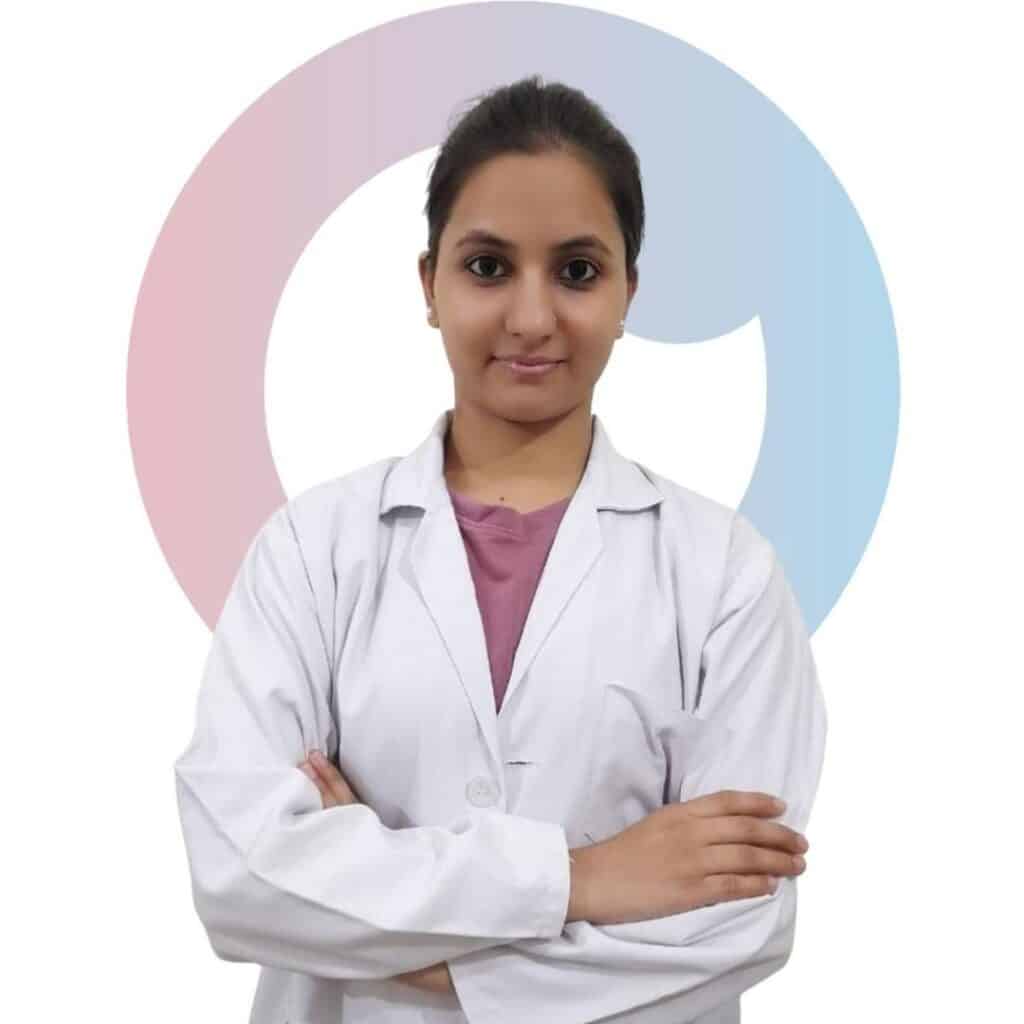
Dr. Nidhi Kumari
She has persuaded her bachelor’s from SGT University, Gurugram, she has done her internship at Dr. Ram Manohar Lohia Hospital, and persuade her Master in Physiotherapy from Chaudhary Charan Singh University, Meerut. She has previously worked with Orthocure clinic, Dr.Nasir physiotherapy rehabilitation, Quantum physiotherapy, and wellness center.
If you have more questions.
Dr. Nidhi
She has persuaded her bachelor’s from SGT University, Gurugram, she has done her internship at Dr. Ram Manohar Lohia Hospital, and persuade her Master in Physiotherapy from Chaudhary Charan Singh University, Meerut. She has previously worked with Orthocure clinic, Dr.Nasir physiotherapy rehabilitation, Quantum physiotherapy, and wellness center.
If you have more questions.
If you would like to know more about any of the health conditions, please fill up the form below and talk to Doctors on Resolve360 directly by asking a question.
We are your doctor’s first choice and trusted by 50,000+ patients.

We are your doctor’s first choice and trusted by 50,000+ patients.
We are your doctor’s first choice and trusted by 50,000+ patients.
We are your doctor’s first choice and trusted by 50,000+ patients.


