



Yes — physical therapy after hip replacement is essential, not optional. PT begins within 24 hours of surgery, right in the hospital. Without it, patients face serious risks: stiffness, muscle weakness, blood clots, and even the need for repeat surgery. Most U.S. orthopedic surgeons consider post-operative physical therapy a non-negotiable part of recovery. The full PT process runs 6 to 12 weeks, with complete recovery taking 3 to 6 months for most patients.
skipping physical therapy after hip replacement can undo everything the surgery accomplished.
Hip replacement surgery — medically called total hip arthroplasty — replaces your damaged joint with an artificial implant made of metal, ceramic, or hard plastic. It’s one of the most successful surgeries in modern medicine. But the surgery itself is only half the story.
The other half is physical therapy after hip replacement.
Think of it this way: your surgeon builds the car. Your physical therapist teaches you to drive it. Without that second step, the best implant in the world won’t give you your life back.
Physical therapy after hip replacement serves six critical purposes:
Without hip replacement physical therapy, patients typically experience prolonged pain, poor joint function, and a dramatically reduced quality of life — often requiring a return trip to the operating room.
This is one of the most searched questions about hip replacement recovery — and the answer surprises most people: physical therapy starts within 24 hours of your surgery.
You read that correctly. Most patients take their first steps with a walker the same day as their hip replacement, guided by a hospital physical therapist. This early mobility isn’t just allowed — it’s strongly encouraged by modern surgical protocols.
Here’s a general timeline for when to start physical therapy after hip replacement:
Hip replacement PT isn’t one-size-fits-all. It’s a carefully structured, progressive program built on four phases — each one building on the last. Skipping ahead too fast is just as dangerous as not doing PT at all.
This phase begins in the hospital immediately after surgery. The physical therapist’s job here is to keep you safe while getting you moving. You’ll practice sitting up, standing with support, walking a few steps, and learning “hip precautions” — specific positions to avoid that could dislocate your new hip.
Occupational therapists often step in here too, teaching you how to dress yourself, use the bathroom safely, and use assistive devices like a raised toilet seat, grabber tool, and long-handled shoehorn.
Once home or in a rehab facility, the focus shifts to managing post-surgical inflammation while keeping the joint mobile. Your therapist uses ice application, gentle manual therapy, and passive range-of-motion exercises to reduce swelling without overstressing the healing tissues.
Exercises at this stage are deliberately low-intensity: ankle pumps, heel slides, gentle hip abduction, and quad sets. The goal is circulation and flexibility, not strength.
As pain decreases, your hip replacement physical therapy becomes more active. You’ll graduate from a walker to a cane, begin controlled stair climbing, and may start gentle stationary cycling — which is excellent for hip range of motion with minimal joint stress.
Some patients do aquatic therapy during this phase. The buoyancy of water reduces load on the new joint while allowing a greater range of motion than land-based exercise — a powerful combination during mid-stage hip replacement recovery.
The final phase of hip replacement PT is about becoming strong enough that your new hip can carry you through everything you love. This includes resistance training, balance and proprioception work, and progressive weight-bearing exercises designed to stabilize the hip joint under real-world demands.
Your therapist will work backward from your goals — whether that’s returning to golf, hiking with grandkids, or simply getting in and out of the car without help — and build a plan that gets you there safely.
Here’s exactly what to expect from your hip replacement PT exercises at each stage of recovery. These are general guidelines — your therapist will customize based on your specific surgical approach, implant type, and individual progress.
People skip PT for understandable reasons — pain, cost, transportation difficulty, or the belief that the surgery “did the work.” But the consequences of skipping hip replacement physical therapy are serious and well-documented.
The research is clear: patients who complete a structured physical therapy program after hip replacement have significantly better outcomes on every measure — pain, function, satisfaction, and long-term implant performance.
Here’s something your surgeon might not have mentioned: the patients who recover fastest from hip replacement surgery are the ones who started physical therapy before going under the knife.
This is called prehabilitation — or prehab — and it’s backed by strong clinical evidence. A 2022 study published in the journal Anesthesia & Analgesia found that prehab programs significantly reduced post-operative pain and recovery time in joint replacement patients.
Medical research is important — but sometimes you just want to know what real people experienced. Here are two composite patient stories based on common outcomes documented in physical therapy practice, illustrating what hip replacement recovery can look like with and without proper PT.
The difference between these two outcomes wasn’t the surgeon, the implant, or even the diagnosis. It was the commitment to physical therapy after hip replacement.
For many patients, getting to a PT clinic after hip replacement surgery is genuinely difficult. You can’t drive immediately after surgery. Getting in and out of a car is painful. Clinics have rigid schedules that don’t always match your energy levels.
This is where online physical therapy for hip replacement recovery has become a game-changer — and the research fully supports it.
Telerehabilitation studies have consistently found that home-based PT, when delivered by a qualified therapist via video, produces outcomes equivalent to in-clinic sessions for post-surgical hip patients. You get real-time guidance, correction, and progression — from your living room.
At Resolve360, our licensed physical therapists specialize in post-joint replacement rehabilitation. We provide live, 1-on-1 video sessions tailored specifically to your stage of hip replacement recovery — from first days post-surgery all the way through returning to full activity.
Every patient gets a customized hip replacement PT plan, a dedicated care manager, and regular progress assessments. Over 50,000 patients have trusted Resolve360 with their rehabilitation — and our therapists can guide your recovery from wherever you are.
Get a free consultation with a licensed physical therapist at Resolve360 — available within 15 minutes of booking, 7 days a week, across all conditions.
Book Free Consultation at Resolve360 →Yes — physical therapy after hip replacement is essential, not optional. Without PT, patients face serious complications including permanent joint stiffness, muscle weakness, dangerous blood clots, and a high risk of hip dislocation. Virtually every orthopedic surgeon in the U.S. includes post-operative physical therapy as a non-negotiable part of the recovery protocol. Skipping PT can also lead to revision surgery in severe cases.
Yes, and for many patients it’s actually the better option — especially in the early weeks when getting to a clinic is painful and difficult. Research supports telerehabilitation as equally effective to in-person PT for hip replacement recovery. Online platforms like Resolve360 provide live, 1-on-1 sessions with certified physical therapists who specialize in post-joint-replacement care. You get real-time guidance and a customized plan — from your home.
Some discomfort during hip replacement PT is normal and expected — you’re working a healing joint. A mild ache (3–4 out of 10) during and shortly after exercises is acceptable. However, sharp pain during an exercise, pain that worsens significantly after your session, or pain at rest are all warning signs to tell your therapist. Good PT should push your limits without causing harm.
Yes — this is called “prehabilitation” or prehab, and it’s strongly recommended. A pre-surgery PT program strengthens the muscles around the hip, improves overall fitness, and mentally prepares you for recovery. Studies show prehab patients recover faster, experience less post-operative pain, spend fewer days in the hospital, and are more independent sooner after surgery. If your hip replacement is scheduled, ask your doctor about starting prehab today.
Most patients can return to driving 4–6 weeks after hip replacement, or once they are off narcotic pain medication and have regained enough hip strength and reaction time for safe driving. If the surgery was on your right hip, the timeline may be longer. Always get clearance from your surgeon before driving. This is also a practical reason why online physical therapy is so helpful in early recovery — no car rides needed.
During the first 6–12 weeks of hip replacement recovery (depending on your surgical approach), avoid: bending the hip more than 90 degrees, crossing your legs, rotating your foot inward toward your body, low chairs or toilets without a raised seat, high-impact activities like running or jumping, and any activity your surgeon specifically restricts. Your physical therapist will guide you on what’s safe at each stage of recovery and when these restrictions can be gradually lifted.

Dr. Nidhi Kumari
She has persuaded her bachelor’s from SGT University, Gurugram, she has done her internship at Dr. Ram Manohar Lohia Hospital, and persuade her Master in Physiotherapy from Chaudhary Charan Singh University, Meerut. She has previously worked with Orthocure clinic, Dr.Nasir physiotherapy rehabilitation, Quantum physiotherapy, and wellness center.
If you have more questions.
Dr. Nidhi
She has persuaded her bachelor’s from SGT University, Gurugram, she has done her internship at Dr. Ram Manohar Lohia Hospital, and persuade her Master in Physiotherapy from Chaudhary Charan Singh University, Meerut. She has previously worked with Orthocure clinic, Dr.Nasir physiotherapy rehabilitation, Quantum physiotherapy, and wellness center.
If you have more questions.
If you would like to know more about any of the health conditions, please fill up the form below and talk to Doctors on Resolve360 directly by asking a question.
We are your doctor’s first choice and trusted by 50,000+ patients.
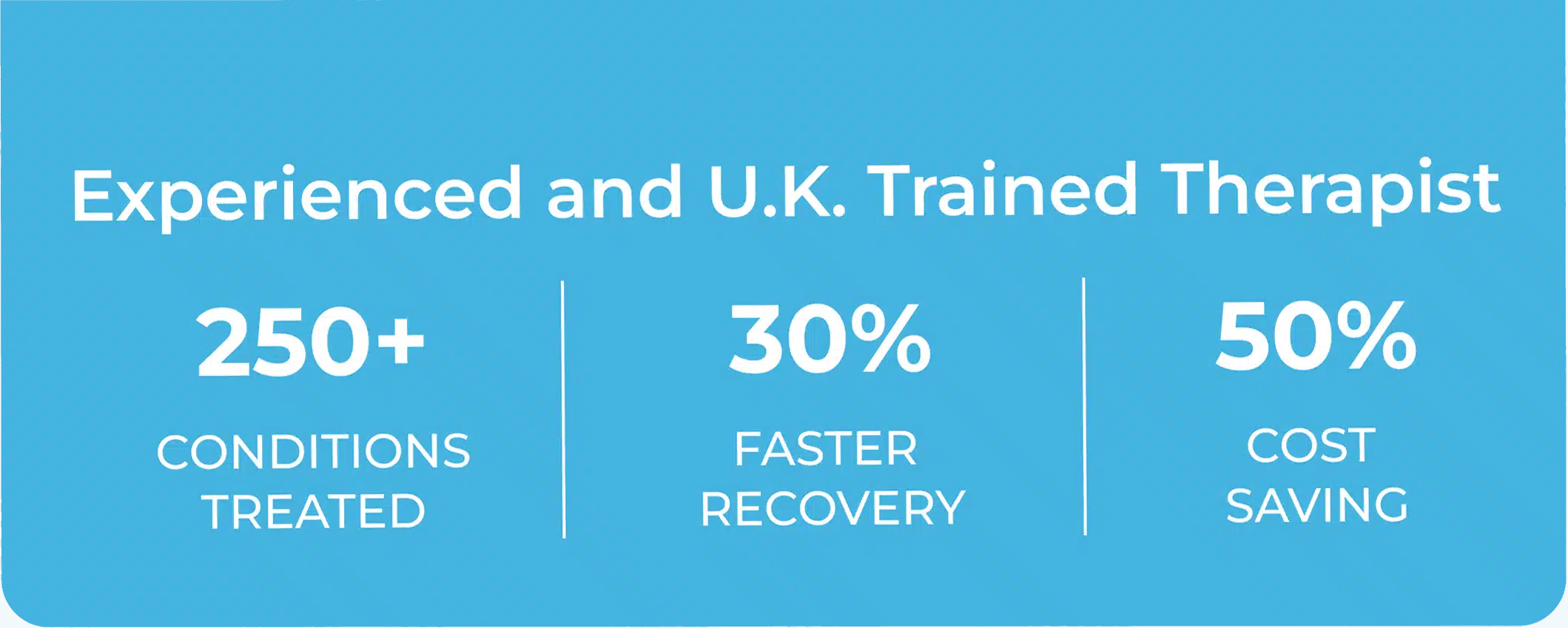

We are your doctor’s first choice and trusted by 50,000+ patients.
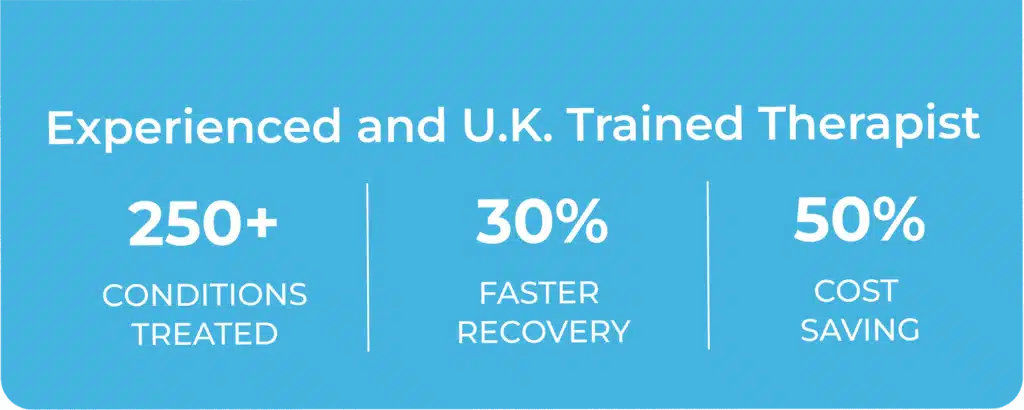
We are your doctor’s first choice and trusted by 50,000+ patients.
We are your doctor’s first choice and trusted by 50,000+ patients.


