


Reviewed & Verified by
Dr. Apoorva
Shoulder pain is one of the most common complaints seen by physical therapists across the United States. Whether it comes from a sports injury, a car accident, repetitive work stress, or just waking up the wrong way — it hurts. And more importantly, it gets in the way of everyday life.
The good news? You don’t always need surgery or strong medications. Physical therapy for shoulder pain is one of the safest and most proven ways to recover. With the right exercises done correctly, most people see real improvement within weeks.
In this blog, Resolve360 walks you through the top physical therapy exercises for shoulder pain — explained in simple, everyday language so you know exactly what you’re doing and why it helps.
Before jumping into exercises, it helps to understand why your shoulder hurts in the first place. The shoulder is the most mobile joint in your body — which also makes it one of the most vulnerable. Common causes include:
No matter the cause, physical therapy for shoulder pain helps by loosening tight muscles, strengthening weak ones, and restoring normal movement patterns. Let’s get into the exercises.
These exercises are widely used by physical therapists across the U.S. They range from gentle mobility moves to strengthening exercises. Always start slow, and stop if you feel sharp or worsening pain.
Best for: Frozen shoulder, post-surgery, early recovery stages
The pendulum is usually the first exercise physical therapists recommend because it’s gentle and uses gravity — not muscle effort — to move the joint. This helps reduce stiffness without putting stress on injured tissues.
How to do it:
Pro Tip: Don’t use your shoulder muscles to swing your arm. The movement should come from your body swaying.
Best for: Rotator cuff tightness, impingement, general stiffness
This stretch targets the posterior capsule of your shoulder — the back side — which tends to get very tight, especially if you sit a lot or do repetitive reaching motions. Tight posterior shoulder muscles are a major reason people develop impingement pain.
How to do it:
Pro Tip: Keep your shoulder down and relaxed, not raised up toward your ear.
Best for: Poor posture, rounded shoulders, upper back tightness
Wall angels are a favorite in physical therapy because they do double duty — they improve shoulder mobility AND correct postural problems that are often the root cause of shoulder pain. This is especially helpful for Americans who spend long hours working at computers or looking at phones.
How to do it:
Pro Tip: If your arms can’t stay flat against the wall, that’s totally normal at first — just go as far as you comfortably can.
Best for: Rotator cuff weakness, impingement, post-surgical rehab
The rotator cuff is a group of four muscles that keep your shoulder stable. When these muscles are weak, other structures in the shoulder get overloaded — causing pain and injury. This resistance band exercise directly targets rotator cuff strength, and it’s a staple in physical therapy shoulder pain programs nationwide.
How to do it:
Pro Tip: Use a light band to start. The motion should feel controlled, not jerky. If your elbow lifts away from your side, the band is too strong.
Best for: Posture correction, general shoulder stability, desk workers
If you sit at a desk all day, your shoulder blades probably drift forward and your chest collapses inward. This is called ‘protracted scapula’ and it’s a sneaky cause of chronic shoulder pain. The shoulder blade squeeze retrains your muscles to hold proper position and is simple enough to do at your office desk.
How to do it:
Pro Tip: Don’t hike your shoulders up. The motion should feel like you’re pulling your shoulder blades “back and down,” not just “in.”
Lie on your side on the affected shoulder. Bend your elbow to 90 degrees with your forearm pointing upward. Use your opposite hand to gently push your forearm down toward the bed. You’ll feel a deep stretch in the back of the shoulder. Hold 30 seconds, repeat 3 times. This is particularly helpful for internal rotation tightness — a very common but overlooked contributor to shoulder pain.
Consistency beats intensity when it comes to physical therapy for shoulder pain. Here’s a simple guide:
Early recovery (weeks 1–2): Focus on mobility only — pendulum, crossover stretch, sleeper stretch. 1–2 times daily.
Mid recovery (weeks 3–6): Add wall angels and shoulder blade squeezes. 2 times daily.
Strengthening phase (weeks 6+): Introduce resistance band exercises. 3–5 days per week.
Important: Always follow your physical therapist’s specific guidance. Your shoulder pain is personal — what works for one person may not work for another. This is why a proper evaluation is so important before starting any exercise program.
Just as important as knowing what exercises to do — you need to know what NOT to do.
While these exercises are safe for most people, there are times when you need a licensed physical therapist to guide you in person. See a PT if you have:
A physical therapist will assess your exact condition, identify the root cause, and build you a customized plan — not just a generic exercise list. That personalized approach is what makes the biggest difference in how fast you recover.
Not all physical therapy programs are created equal. A high-quality program for physical therapy shoulder pain should include all of these components:
These exercises are a great starting point — but if your shoulder pain is persistent, getting in front of a licensed physical therapist is the smartest move you can make. Trying to manage a shoulder problem on your own without a proper diagnosis can slow your recovery or even make things worse.
At Resolve360, we believe that getting better shouldn’t be complicated. Our platform connects you with qualified physical therapy resources and tools to help you track your recovery, stay on schedule with your exercises, and feel confident about your progress every step of the way.
Want to learn more about how Resolve360 can support your physical therapy journey? Visit us at resolve360.app and take the first step toward a pain-free shoulder.
Get a free consultation with a licensed physical therapist at Resolve360 — available within 15 minutes of booking, 7 days a week, across all conditions.
Book Free Consultation at Resolve360 →
Most people see meaningful improvement within 4–8 weeks with consistent PT. More serious conditions like frozen shoulder or post-surgical rehab can take 3–6 months. The key is staying consistent with your home exercise program.
Yes — once your physical therapist has shown you the right exercises and form, home exercise is a critical part of recovery. But your first evaluation should always be with a licensed PT to make sure you’re doing the right exercises for your specific condition.
Mild achiness during gentle mobility exercises is usually fine. Sharp pain, pinching, or pain that worsens after exercise is your body’s signal to stop and consult your therapist.
Not necessarily. Many shoulder conditions — including rotator cuff tears — can be managed successfully without surgery through physical therapy. Your orthopedic doctor and PT will help determine the best path for you.
Red flags include severe pain that comes on suddenly, visible deformity, loss of sensation, or pain after trauma. These require immediate medical attention.

Dr. Nidhi Kumari
She has persuaded her bachelor’s from SGT University, Gurugram, she has done her internship at Dr. Ram Manohar Lohia Hospital, and persuade her Master in Physiotherapy from Chaudhary Charan Singh University, Meerut. She has previously worked with Orthocure clinic, Dr.Nasir physiotherapy rehabilitation, Quantum physiotherapy, and wellness center.
If you have more questions.
Dr. Nidhi
She has persuaded her bachelor’s from SGT University, Gurugram, she has done her internship at Dr. Ram Manohar Lohia Hospital, and persuade her Master in Physiotherapy from Chaudhary Charan Singh University, Meerut. She has previously worked with Orthocure clinic, Dr.Nasir physiotherapy rehabilitation, Quantum physiotherapy, and wellness center.
If you have more questions.
If you would like to know more about any of the health conditions, please fill up the form below and talk to Doctors on Resolve360 directly by asking a question.
We are your doctor’s first choice and trusted by 50,000+ patients.
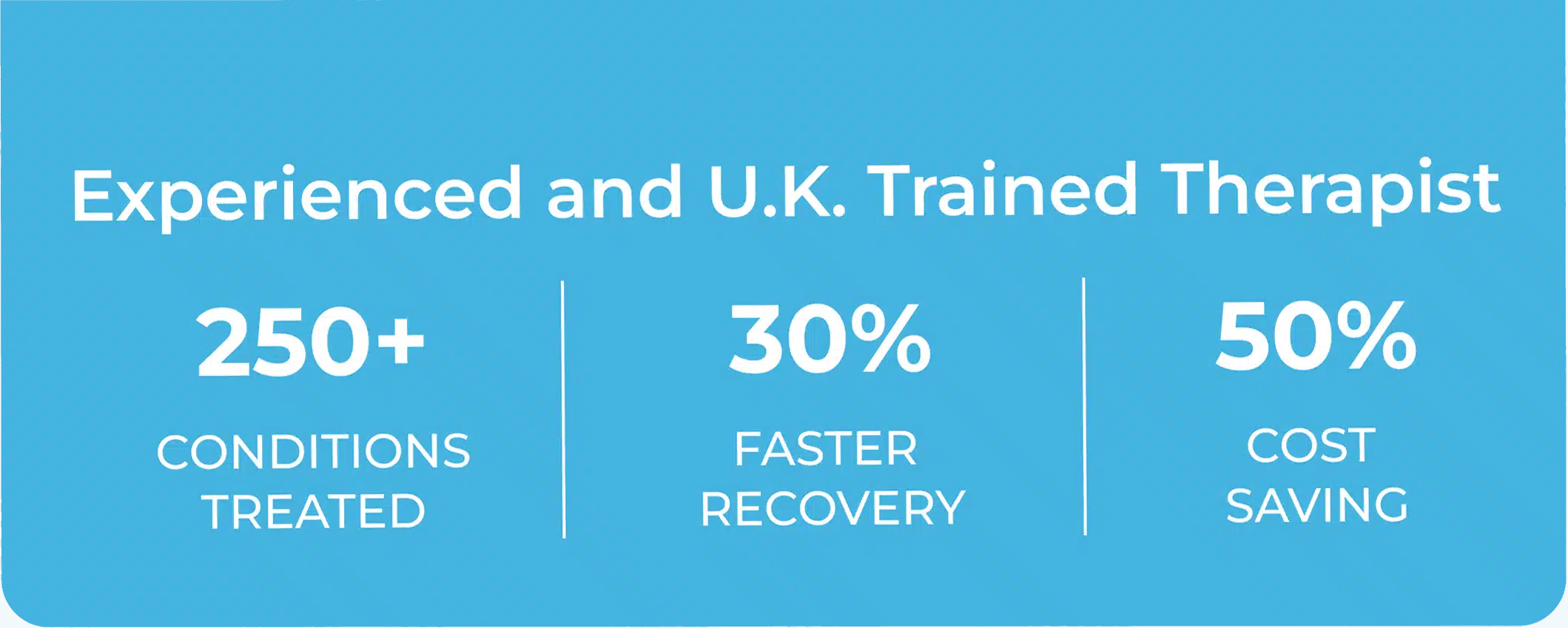

We are your doctor’s first choice and trusted by 50,000+ patients.
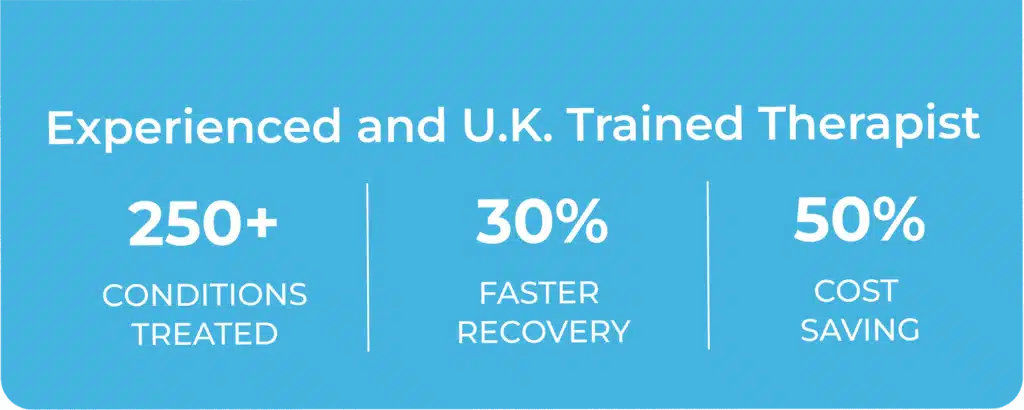
We are your doctor’s first choice and trusted by 50,000+ patients.
We are your doctor’s first choice and trusted by 50,000+ patients.
