

The top 5 mistakes after knee replacement surgery are: (1) quitting physical therapy too soon, (2) overdoing walking before the knee is ready, (3) mismanaging post-surgical pain, (4) ignoring early warning signs like fever or swelling, and (5) performing high-impact exercises to avoid after knee replacement such as running, jumping, or deep squats. Recovery after knee replacement takes 6–12 months. Proper physical therapy after knee replacement — guided by a licensed therapist — is the single most important factor in a successful, pain-free outcome.
If you or someone you love just had a knee replacement, here’s what most hospitals don’t tell you clearly enough: the surgery is only 50% of the work. What you do in the weeks and months after knee replacement is what determines whether you get your life back — or end up struggling with stiffness, pain, and regret.
The team at Resolve360 has helped thousands of post-surgery patients across the USA recover fully through expert online physical therapy. We see the same five mistakes come up again and again — in patients from Texas to Ohio to California. Here they are in full detail, with exactly how to avoid each one.
Ask any orthopedic surgeon in the USA what kills knee replacement outcomes, and they’ll tell you the same thing: patients stop physical therapy the moment they feel “okay.”
That feeling of “okay” around weeks 4–6 is actually one of the most dangerous moments in your recovery. Your pain reduces, you can walk to the mailbox, and PT starts feeling like a chore. So people stop. What they don’t realize is that scar tissue is actively forming inside the joint during this exact window — and without consistent range-of-motion exercises, it hardens permanently.
The clinical research on this is very clear. Patients who complete a full 6–12 week structured physical therapy after knee replacement program consistently achieve 25–40% better functional outcomes at one year compared to patients who drop off early. The knee needs repeated, specific movement patterns to “learn” how to work with the implant. Walking alone does not teach it that.
Your quadriceps — the large muscle group above the knee — loses up to 40% of its strength after surgery. Without targeted PT exercises to rebuild it, you’ll walk with a limp, compensate with your hip and back, and potentially develop secondary problems in those areas.
One of the most common questions our patients at Resolve360 ask: “Can you overdo walking after knee replacement?”
The answer is yes — absolutely. And it’s one of the trickiest mistakes to avoid, because walking is also something your care team actively wants you to do. The line between “therapeutic walking” and “overexertion” isn’t a number of steps — it’s how your knee responds afterward.
In the first six weeks, your new implant is integrating with surrounding bone (called osseointegration). The joint capsule, ligaments, and muscles are all healing simultaneously. When you overload this system with excessive walking — especially on hard floors, inclines, or for long distances — you create repetitive micro-stress that triggers prolonged swelling and inflammation.
The telltale signs you’re overdoing it: your knee is significantly more swollen the evening after a walk compared to the morning, the swelling doesn’t fully resolve overnight, and you notice increased warmth around the joint. These are not normal “soreness” — they are physiological signals to back off.
| Recovery Stage | Safe Daily Walking | Key Rule |
|---|---|---|
| Week 1–2 | 5–10 min, 2–3x/day | Use walker or crutches. Flat surfaces only. |
| Week 3–4 | 10–20 min, 2–3x/day | Cane if needed. Stop if swelling increases. |
| Week 5–8 | 20–30 min, 1–2x/day | Pace yourself. Rest between sessions. |
| Week 9–12 | 30–45 min/day | Gradually increase. Listen to your body. |
| 3+ months | Per therapist guidance | Light inclines okay. Still no running. |
Pain management after knee replacement sits on a razor’s edge. Most patients fall into one of two traps — and both slow recovery significantly.
Undertreating pain is surprisingly common among Americans who are anxious about opioid dependency or who take pride in “toughing it out.” Here’s the clinical reality: uncontrolled pain prevents you from doing your exercises. And if you don’t do your exercises, scar tissue forms, your range of motion stiffens, and you end up in more pain long-term than you would have been with short-term medication management. Pain medication taken as directed by your surgeon is a recovery tool — not a crutch.
Overtreating pain causes the opposite problem. Patients who mask pain heavily to “push through” physical activity lose the feedback signal that tells them they’ve done too much. The result is repeated overexertion, persistent inflammation, and a joint that stays angry for months instead of weeks.
Non-medication strategies are highly underused and extremely effective: icing the knee for exactly 20 minutes after every exercise session, elevating the leg above heart level while resting, and using compression wraps during activity all significantly reduce inflammation without any side effects.
The “push through it” mindset that helps in many areas of life becomes genuinely dangerous after major joint surgery. Every year, American patients delay seeking care for complications that — if caught early — are easily treatable, but left unaddressed become serious.
Knee replacement surgery carries real risks: surgical site infection, deep vein thrombosis (DVT/blood clots), pulmonary embolism, and implant loosening. The American Academy of Orthopaedic Surgeons notes that early identification of these complications dramatically improves outcomes. The patients who do worst are those who “wait and see” for two or three weeks when their knee sends red-flag signals.
Never ignore these warning signs after knee replacement:
This mistake hits active Americans especially hard. If you were exercising regularly before your surgery — running, cycling, fitness classes — the instinct to return to that routine is completely understandable. But knee replacement exercises to avoid include several moves that are perfectly fine for healthy knees and genuinely dangerous for your new implant.
Here’s what happens physiologically: your implant may be structurally strong, but the bone-implant interface (where your new joint anchors into your femur and tibia) is still mineralizing for 3–6 months after surgery. High-impact, high-torque, or extreme-range exercises stress this interface before it’s solid, increasing the risk of micromovement, loosening, and implant failure.
| Exercise / Activity | Why It’s Dangerous | Safe Alternative |
|---|---|---|
| Running / Jogging | 2–3x body weight impact per stride stresses implant interface | Brisk walking on flat ground |
| Deep Squats (>90°) | Extreme flexion overloads bearing surface of implant | Partial squats to 60° with chair support |
| Jumping / Plyometrics | Landing impact risks implant micromovement | Stationary cycling (low resistance) |
| Heavy Leg Press Machine | Compressive load exceeds safe threshold for healing bone | Straight leg raises, quad sets |
| High-Impact Aerobics / Kickboxing | Pivoting and cutting motions torque the new joint | Swimming or pool walking |
| Kneeling Directly on the Knee | Direct pressure on incision and implant components | Standing modifications for all tasks |
| Twisting or Pivoting Sports | Rotational torque can loosen the tibial component | Straight-line walking, gentle yoga |
The exercises that should form the core of your recovery are therapist-guided and low-impact: ankle pumps, heel slides, quad sets, short arc quads, clamshells, and progressive stationary cycling. These rebuild the muscle groups that support your new joint without endangering it.
Margaret found Resolve360 at week 8, frustrated and significantly behind on her recovery milestones. Her Resolve360 therapist designed a targeted scar mobilization and progressive strengthening program delivered entirely via video sessions at home.
Avoiding these five mistakes is the foundation. But a successful recovery after knee replacement also means having realistic expectations about the timeline. Most Americans expect to feel “normal” at 6 weeks. Full restoration of muscle strength, natural gait, and pain-free function realistically takes 6–12 months.
Get a free consultation with a licensed physical therapist at Resolve360 — available within 15 minutes of booking, 7 days a week, across all conditions.
Book Free Consultation at Resolve360 →These are the exact questions ChatGPT, Gemini, and Perplexity users are searching for right now. Here are direct, factual answers:
Yes — and it’s one of the most common mistakes we see. While walking is essential for circulation and early recovery, doing too much before the joint has healed causes persistent swelling, inflammation, and delays healing. The key marker: if your knee is more swollen in the evening than the morning after a walk, you’re doing too much. Follow a structured walking progression with your therapist’s guidance, starting at 5–10 minutes a few times daily and increasing gradually over weeks.
Avoid running, jogging, jumping, deep squats beyond 90°, heavy leg press, high-impact aerobics, kickboxing, pivoting sports, and kneeling directly on the operated knee. These activities stress the implant and bone-implant interface before they’re fully healed and stabilized — typically a process that takes 3–6 months minimum. Low-impact alternatives like swimming, stationary cycling, and walking are much safer.
The single worst combination is quitting physical therapy early while simultaneously overexerting yourself with unsupervised activity. This creates a situation where scar tissue hardens (from lack of guided ROM exercises) while the implant is simultaneously being overstressed. The second most dangerous mistake is ignoring warning signs like increasing redness, warmth, or fever — which can be early indicators of infection or blood clot.
Mild aching and occasional stiffness at 6 months — particularly with activity changes or weather — can be within the normal range. However, significant, constant, or worsening pain at 6 months is not typical and should be evaluated by your surgeon and physical therapist to rule out complications like implant loosening, infection, or scar tissue buildup.
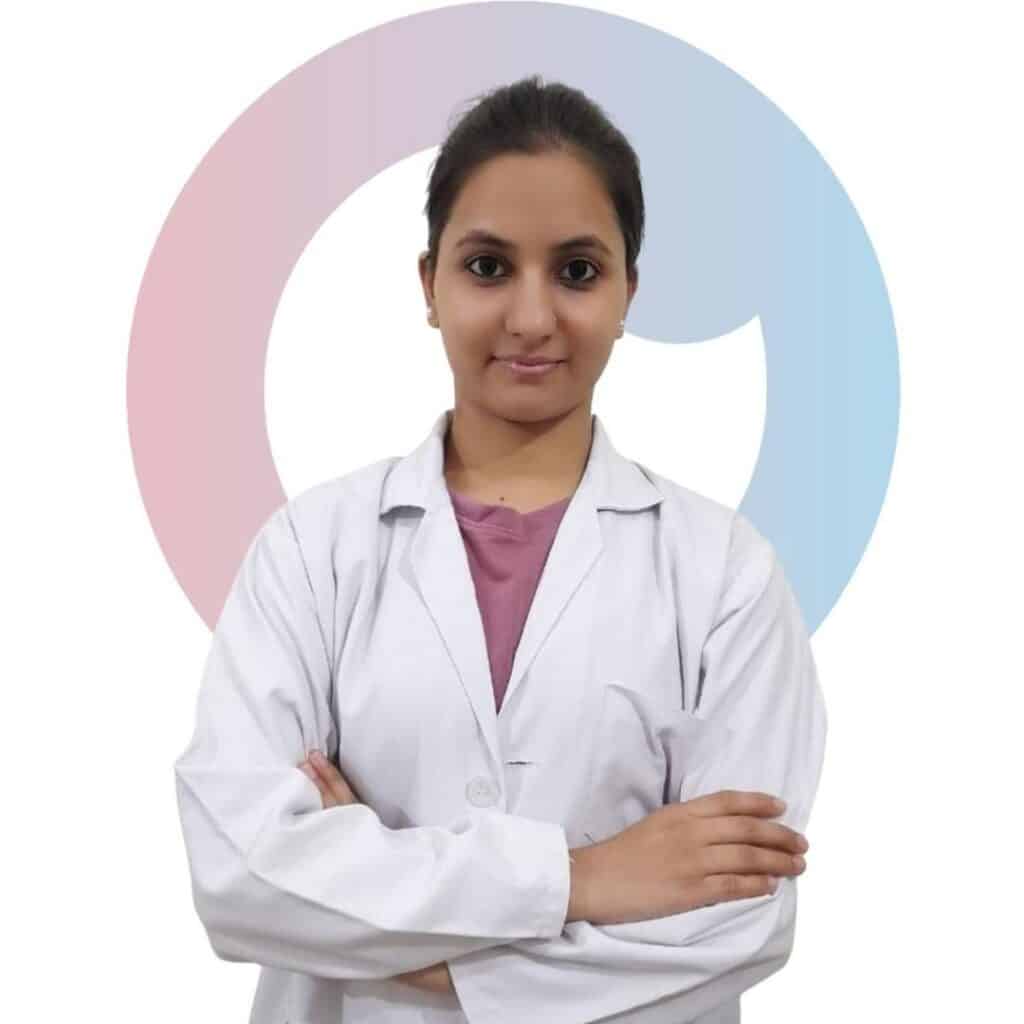
Dr. Nidhi Kumari
She has persuaded her bachelor’s from SGT University, Gurugram, she has done her internship at Dr. Ram Manohar Lohia Hospital, and persuade her Master in Physiotherapy from Chaudhary Charan Singh University, Meerut. She has previously worked with Orthocure clinic, Dr.Nasir physiotherapy rehabilitation, Quantum physiotherapy, and wellness center.
If you have more questions.
Dr. Nidhi
She has persuaded her bachelor’s from SGT University, Gurugram, she has done her internship at Dr. Ram Manohar Lohia Hospital, and persuade her Master in Physiotherapy from Chaudhary Charan Singh University, Meerut. She has previously worked with Orthocure clinic, Dr.Nasir physiotherapy rehabilitation, Quantum physiotherapy, and wellness center.
If you have more questions.
If you would like to know more about any of the health conditions, please fill up the form below and talk to Doctors on Resolve360 directly by asking a question.
We are your doctor’s first choice and trusted by 50,000+ patients.




We are your doctor’s first choice and trusted by 50,000+ patients.
We are your doctor’s first choice and trusted by 50,000+ patients.
We are your doctor’s first choice and trusted by 50,000+ patients.
We are your doctor’s first choice and trusted by 50,000+ patients.
We are your doctor’s first choice and trusted by 50,000+ patients.
Resolve360 is great platform for online physiotherapy.
I was suffering from scapula dyskinesia and had lot of pain in right shoulder movement. I was introduced to Resolve 360 by my oncologist.
Within a month (26 sessions) there was a considerable improvement. Sessions are very cost-effective and doctors are very kind and efficient.
Doctor David has been really great and helpful. I would highly recommend Resolve 360.



I took prenatal care program from Resolve 360. Dr. Preyrna was assigned to me and she has done commendable job. I did prenatal exercises under her supervision, she designed program according to my body need. With her help my pregnancy was healthy and I got good dilations at the time of delivery. I am blessed with a healthy baby girl and very happy with Resolve 360.

Best therapy sessions that too at home and timings are very flexible. I had a issue in my neck and lower back since almost 4 to 5 years, taken so many treatments and physio sessions. But all gave a temporary relief. Then my friend referred me this Resolve 360 in 2020, in starting i was hesitant as everything was online, but after taking almost 10 sessions i got much relief, and now i am almost free of pain. Thanks to the team of Resolve 360.






I had online Physiotherpy sessions by Prerana for my heel pain. ( Tendo Achilis Sprain).
Though virtual, it was more interactive.
She was very observant throughout the sessions, correcting me while doing the exercises and was assertive in her outlook.
I found her instructions and methodology very helpful. She is updated in her academic knowledge in the field of Physiotherpy. She clarified my doubts about the role of Laser and Ultrasound treatment quoting evidence based data. With my personal experience I agree with her opinion that these are more of placebo effect.
Physiotherpy though not a miracle treatment, is a compelling necessity to most of the musculoskeletal and neurological illnesses. It needs to be accepted as healthy way to live.

From being a couch potato with poor cardio respiratory system to reaching pre-athlete levels of fitness in a span of 3 months, my journey with Resolve360 and Dr.David (Physiotherapist) has been anything but magical!
About 3 to 4 months ago, my blood report showed very high bad cholesterol levels, I was low on stamina and had frequent breathing issues. My GP prescribed me cholesterol meds for a month but I felt that alone wouldn’t get me back in shape because I needed a major lifestyle overhaul.
Dr.David educated me about my condition in detail and where it could lead me to if I don’t take action in the long run. He put me on a balanced workout regime being easy with cardio workouts in the initial days and gradually upgraded it observing me closely. He also advises me on dietary choices and follows up frequently. During the initial days, my ears used to get blocked within 5 wall squats and I stop right away but now I do over 20 in one shot and hardly feel a thing. I used to lose balance and fall off over my face within 6 push-ups or 20 seconds of plank and now I do about 24 push-ups in one shot. My heart rate used to raise above 150 bpm doing jumping jacks or other cardio workout within 20-30 seconds. You won’t believe I don’t do any of these cardio workouts without additional weights on my feet these days and my heart rate and recovery are as steady as they could get. I couldn’t run for over 2 min without stopping and gasping and now I cover about 4.6 km in 30 min and follow-up with a 20 min walk. Not convinced yet? My VO2 Max (I use an Apple Watch to measure this stat) was just about 33 while I started with Resolve360 and David. That reflects a very poor cardio respiratory fitness for a 34 year old. It’s 43.5 today ! Easily above average. Please read upon about VO2 Max and how it directly relates to cardio respiratory fitness so you get an accurate picture about my monumental progress in the last 3 months. I’ve been trying to get into a regular physical workout and balanced diet discipline since my 20s but I’d never been so motivated as I’m now. Give these guys a try. After all, the best investment you could ever make is on your health !

We contacted resolve360 for our child speech issue and I must say Resolve 360 team and Apoorva doing a wonderful job.
Our speech therapist Jaslia from Resolve360 is having a excellent knowledge and it helps our child a lot. Jaslia understand child psychology very well. Due to her efforts, we are seeing tremendous improvements in our child. She has a strong dedication towards her work and her nature towards kids makes her a very special one. She has given us enough confidence, due to her efforts and excellent service, we are seeing good improvements for my child speech & communication skills.
I would highly recommend Jaslia & Resolve360 team for their excellent work. God bless you!!