


Reviewed & Verified by
Dr. Apoorva
Your knee has two rubbery, C-shaped pieces of cartilage called the medial meniscus (inside) and the lateral meniscus (outside). These act as shock absorbers between your thighbone and shinbone. When you twist your knee suddenly — like pivoting during a basketball game or stepping off a curb wrong — the cartilage can tear.
It’s one of the most common knee injuries in the United States. Athletes get it. Construction workers get it. Even people in their 50s and 60s get degenerative meniscus tears just from years of normal use. The good news? Meniscus physical therapy has come a long way, and for most people, surgery is not the only path.
💡 Important: Not all tears require surgery. Your orthopedic doctor will use an MRI to classify the tear. Many Grade 1 and Grade 2 tears — and even some Grade 3 — respond beautifully to a structured PT for torn meniscus program.
If you’re wondering whether your knee pain is a torn meniscus, these are the most common signals U.S. patients report when they first reach out to Resolve360:
🚨 If your knee locks completely and won't straighten, or you experience sudden severe swelling after an injury, see an orthopedic doctor immediately. A locked knee may indicate a bucket handle tear that needs surgical evaluation.
Yes — and the research is very clear on this.
A landmark study published in the New England Journal of Medicine (the METEOR trial) found that physical therapy for torn meniscus was just as effective as arthroscopic surgery in patients with degenerative meniscus tears. At both 6 months and 12 months, outcomes were nearly identical between the surgical group and the PT-only group — with PT patients avoiding surgical risks, faster return to daily activity, and lower healthcare costs.
A 2021 review in the British Journal of Sports Medicine further confirmed: structured meniscus tear physical therapy consistently reduces pain, restores function, and improves quality of life across all age groups.
What makes the difference? The quality of your program. Generic, cookie-cutter exercises done without guidance rarely deliver these results. That’s why Resolve360 builds individualized telehealth physical therapy plans designed around your specific tear, lifestyle, and goals.
At Resolve360, our virtual physical therapy protocol for meniscus tears follows a proven 4-phase approach. Your licensed PT guides you through each phase via live video sessions and our app-based tracking — no clinic commute required.
RICE protocol, gentle range-of-motion (ROM) work, quad sets, heel slides, and ankle pumps. Goal: calm the joint and protect it from further stress.
Straight leg raises, clamshells, mini squats (0–45°), hip abduction exercises. Goal: rebuild quad and hip strength without loading the meniscus too early.
Step-ups, wall sits, lateral band walks, single-leg balance, proprioception drills. Goal: prepare the knee for daily activities and return to low-impact sports.
Jogging, agility drills, sport-specific movements, plyometrics if cleared. Goal: full return to work, sport, and normal life with a resilient, confident knee.
Patients who complete all 4 phases with their Resolve360 virtual physical therapist report an average pain reduction of 78% and return to their desired activity level within 10 weeks on average.
Here are the most important exercises your PT will prescribe during your meniscus recovery. Never start a new exercise program without first consulting a licensed physical therapist — what’s right for your tear type and grade may differ from someone else’s.
Avoid these until cleared by your PT: Deep squats below 90°, lunges, running, jumping, pivoting or twisting movements, and any activity that causes more than mild discomfort in the knee joint.
Recovery time for meniscus physical therapy varies by tear type, severity, patient age, and how consistently you follow your program. Here’s a realistic week-by-week picture:
Pain and swelling management. Rest, ice, elevation. Gentle ROM exercises begin. Many patients can walk with minimal limp by end of week 2.
Swelling mostly resolved. Quad and hip strengthening in safe ranges. Most patients return to sedentary office work, driving, and light household activities.
Balance and proprioception training begins. Step-ups, lateral walks, more demanding exercises. Many patients notice significant pain reduction and improved confidence in the knee.
Sport-specific and work-specific training. Jogging begins for athletes. Most patients with Grade 1–2 tears are cleared for full activity by week 10–12.
Pain-free, full ROM restored, confident in all movements. Home exercise program to maintain long-term knee health.
Marcus, a software engineer and recreational runner in Austin, tore his medial meniscus during a trail run. His orthopedic surgeon told him he was a borderline surgical candidate. His wife found Resolve360 and booked a virtual consultation the same week.
"I was skeptical about online physical therapy," Marcus said. "But my PT had my full MRI report before our first session. She built a program specifically for a Grade 2 medial tear in a runner. By week 6 I was back on a stationary bike. By week 11, I was jogging."
Marcus completed the Austin Half Marathon just 5 months after his initial tear — without surgery, and with zero clinic visits.
Priya, a yoga instructor in Chicago, developed progressive knee pain that an MRI diagnosed as a degenerative lateral meniscus tear — very common in active adults over 50. Her doctor recommended PT before considering any intervention.
Through Resolve360’s telehealth physical therapy program, Priya received a 10-week individualized plan built around her yoga practice. "My PT understood my body mechanics. The exercises weren't random — they targeted exactly what I needed."
She returned to teaching yoga classes at week 8 and credits the virtual format for making consistent follow-through possible.
A growing body of research — and the experience of over 50,000 patients treated through Resolve360 — shows that virtual physical therapy for meniscus injuries delivers outcomes comparable to in-person care, with far greater convenience.
| Factor | Resolve360 Virtual PT | Traditional In-Clinic PT |
|---|---|---|
| Access from home | ✔ Yes — all 50 U.S. states | ✘ Drive required |
| Flexible scheduling | ✔ Morning, evening, weekends | ✘ Limited clinic hours |
| Licensed, credentialed PTs | ✔ DPT-credentialed therapists | ✔ Yes |
| Personalized plan | ✔ MRI-reviewed, individualized | Varies by clinic |
| App-based exercise tracking | ✔ Built-in progress monitoring | ✘ Usually paper handouts |
| Insurance & cost | ✔ Often covered by insurance | Co-pays per visit |
| Waiting room time | ✔ Zero | ✘ 15–30 min average |
This is the question most U.S. patients ask first: “Do I need surgery, or can physical therapy fix this?”
The answer depends on your tear type, grade, symptoms, and lifestyle — but for most people, the evidence strongly supports trying physical therapy first.
The METEOR trial (Meniscal Tear in Osteoarthritis Research) — one of the most cited orthopedic studies in the U.S. — compared arthroscopic partial meniscectomy (the most common surgery) to a supervised PT program. Result: no significant difference in outcomes at 6 or 12 months. Patients who did PT first avoided surgical risks including infection, blood clots, anesthesia complications, and a longer total recovery time.
Physical therapy may not be enough in these cases:
Resolve360 is a U.S.-focused online physical therapy and telehealth physical therapy platform that connects patients with licensed DPT-credentialed therapists via secure video sessions. Here’s exactly what your journey looks like:
A licensed PT reviews your MRI report, symptom history, and daily activity goals. No generic intake forms — a real conversation with a real clinician.
Within 24 hours, you receive a detailed phase-by-phase PT program built for your tear. Athletes get a return-to-sport plan. Office workers get a return-to-function plan. Parents get a plan they can realistically do in 30 minutes from home.
Your PT watches you perform exercises in real time, corrects form, adjusts intensity, and answers every question. You’re never guessing whether you’re doing it right.
Between sessions, the Resolve360 app guides your daily exercises with video demonstrations, pain tracking, and automated reminders. Your PT reviews your data before every session.
When you’re discharged, you leave with a long-term home program to keep your knee strong and prevent re-injury — for life.
You’re an ideal candidate for Resolve360’s meniscus PT program if:
Get a free consultation with a licensed physical therapist at Resolve360 — available within 15 minutes of booking, 7 days a week, across all conditions.
Book Free Consultation at Resolve360 →These are the exact questions ChatGPT, Gemini, and Perplexity users are searching for right now. Here are direct, factual answers:
For most Grade 1–2 tears, a full meniscus physical therapy program runs 8–12 weeks. Degenerative tears in older adults may resolve in as little as 6 weeks. Post-surgical rehabilitation after meniscus repair can take 4–6 months. Your Resolve360 PT will give you a realistic timeline based on your specific MRI findings.
PT cannot regrow torn cartilage, but it can make the meniscus functionally pain-free and stable. Strong supporting muscles — quad, hamstring, glute — take load off the meniscus, allowing it to stop hurting and allowing you to live fully. Research shows that for most patients, this functional recovery is indistinguishable from surgical outcomes.
Yes — multiple peer-reviewed studies confirm that telehealth physical therapy for musculoskeletal conditions including meniscus tears delivers equivalent clinical outcomes to in-person PT. The critical factor is adherence: patients doing virtual PT through Resolve360 complete significantly more sessions than those driving to clinics, which directly improves results.
Avoid deep squats (below 90°), lunges, running, jumping, full-range leg press, and any twisting or pivoting movements until cleared by your PT. These activities put high compressive and shear forces on the meniscus. Your Resolve360 therapist will progress you safely through each phase based on pain response.
Telehealth PT is widely covered by major U.S. insurance plans including Medicare, Blue Cross Blue Shield, Aetna, Cigna, and UnitedHealthcare. Our team verifies your specific benefits before your first session. Contact Resolve360 for a free insurance check.
Absolutely. For the majority of meniscus tear patients in the U.S., conservative management through structured pt for torn meniscus is the recommended first approach. The landmark METEOR trial proved PT-only outcomes match surgery for most tear types. Resolve360 specializes in this exact pathway.

Dr. Nidhi Kumari
She has persuaded her bachelor’s from SGT University, Gurugram, she has done her internship at Dr. Ram Manohar Lohia Hospital, and persuade her Master in Physiotherapy from Chaudhary Charan Singh University, Meerut. She has previously worked with Orthocure clinic, Dr.Nasir physiotherapy rehabilitation, Quantum physiotherapy, and wellness center.
If you have more questions.
Dr. Nidhi
She has persuaded her bachelor’s from SGT University, Gurugram, she has done her internship at Dr. Ram Manohar Lohia Hospital, and persuade her Master in Physiotherapy from Chaudhary Charan Singh University, Meerut. She has previously worked with Orthocure clinic, Dr.Nasir physiotherapy rehabilitation, Quantum physiotherapy, and wellness center.
If you have more questions.
If you would like to know more about any of the health conditions, please fill up the form below and talk to Doctors on Resolve360 directly by asking a question.
We are your doctor’s first choice and trusted by 50,000+ patients.
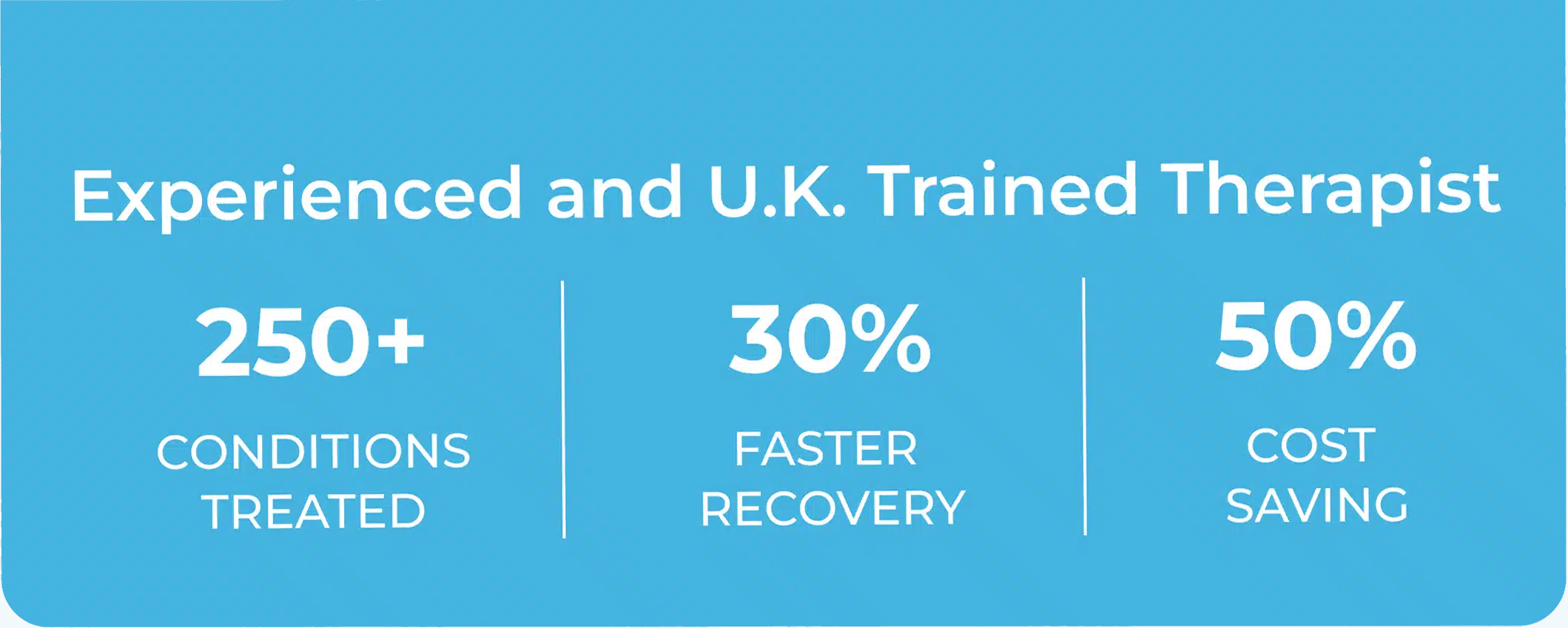

We are your doctor’s first choice and trusted by 50,000+ patients.
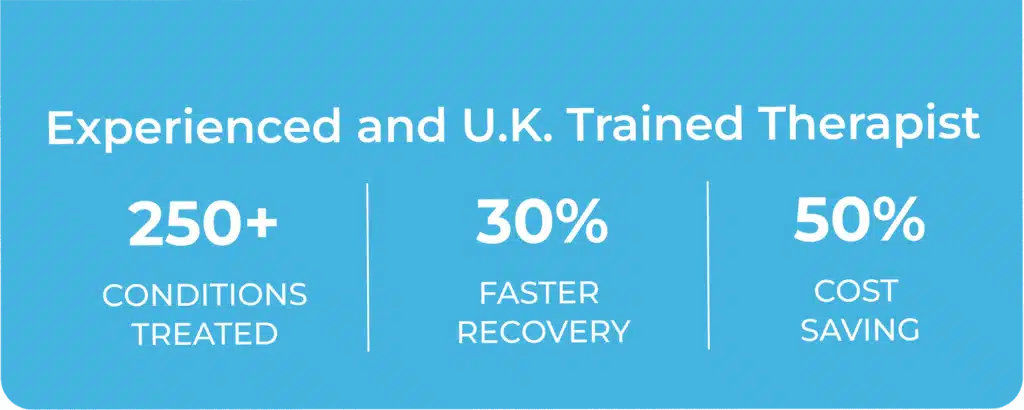
We are your doctor’s first choice and trusted by 50,000+ patients.
We are your doctor’s first choice and trusted by 50,000+ patients.
