


- Treatment
Pain Management
- Neck Pain
- Back Pain
- Shoulder Pain
- Knee Pain
- Ankle Pain
Physiotherapy
- Cervical
- Arthritis
- ACL
- Knee Pain
- Ankle Pain
Physiotherapy
- Neck Pain
- Back Pain
- Shoulder Pain
- Knee Pain
- Ankle Pain
- Physiotherapy
- Rehabilitation
The best physical therapy methods for shoulder pain and injuries include manual therapy (joint mobilization & soft tissue work), targeted strengthening exercises, dry needling, therapeutic ultrasound, neuromuscular re-education, and kinesiology taping. A licensed physical therapist combines 2–4 of these methods into a personalized plan based on your specific injury — whether it's a rotator cuff tear, frozen shoulder, shoulder impingement, or acute sprain. Most patients experience measurable improvement within 4–8 weeks when they follow a structured rehabilitation program. Early intervention is critical: the sooner physical therapy begins, the higher the chance of avoiding surgery.
Shoulder pain is one of the most frustrating conditions to live with. It wakes you up at night. It stops you from reaching the top shelf. It makes simple things — like driving, typing, or getting dressed — genuinely painful.
Here’s the good news: physical therapy for shoulder pain is one of the most effective non-surgical treatments available today. Research published in the Journal of Orthopaedic & Sports Physical Therapy confirms that exercise-based physical therapy should be the first-line treatment for the majority of shoulder conditions before considering injections or surgery.
But not all physical therapy is created equal. The best physical therapy methods for shoulder pain depend heavily on your specific injury, your age, your lifestyle, and how long the problem has been there. This guide breaks down exactly what works — and why — backed by 2026 clinical evidence.
The shoulder is the most mobile joint in the human body — and that mobility comes with a price. It relies on a complex web of four rotator cuff muscles, the biceps tendon, the labrum, multiple bursae, and the surrounding ligaments. When any part of this system breaks down, everything suffers.
Physical therapy for shoulder injuries works because it addresses the root cause — not just the pain. Instead of masking symptoms with medication, a qualified PT identifies exactly which muscle is weak, which joint is stiff, or which movement pattern is faulty, then corrects it systematically. This is why physical therapy produces lasting results while painkillers only provide temporary relief.
Before choosing the right shoulder injury rehabilitation approach, your therapist needs to understand what type of injury you’re dealing with. Shoulder problems fall into two broad categories:
Overuse injuries are particularly dangerous because they develop silently. You might dismiss early shoulder stiffness as “just sleeping wrong” — until suddenly you can’t raise your arm above shoulder height. A 2025 study found that patients who delayed shoulder pain treatment by more than 4 weeks had significantly worse outcomes and longer recovery times.
Based on current clinical evidence and the treatment protocols used by leading rehabilitation centers, these are the most effective physical therapy techniques for shoulder pain:
Manual therapy is widely considered the most impactful hands-on treatment in shoulder injury rehabilitation. Your physical therapist uses precise, controlled force to mobilize the glenohumeral joint, the acromioclavicular joint, and the scapulothoracic joint — restoring natural movement that months of pain and guarding have taken away. Soft tissue techniques like myofascial release, deep tissue massage, and trigger point therapy break up adhesions and reduce muscle tension around the rotator cuff and periscapular muscles.
Manual therapy is most powerful when combined with exercise — it essentially "unlocks" the joint so your exercise program can actually work.
This is the backbone of any effective physical therapy for shoulder pain program. The rotator cuff — made up of the supraspinatus, infraspinatus, teres minor, and subscapularis — is the primary stabilizer of the shoulder joint. When these muscles weaken (which happens with any shoulder injury or prolonged inactivity), the shoulder becomes unstable and vulnerable.
Your PT will prescribe a progressive loading program starting with isometric contractions and building to resistance band exercises, free weights, and functional movements. Research shows progressive rotator cuff strengthening alone reduces pain by 40–60% in patients with shoulder impingement syndrome.
Dry needling has become one of the most exciting additions to modern shoulder pain treatment in recent years. A licensed physical therapist inserts thin, sterile needles directly into "trigger points" — tight, painful knots within the rotator cuff muscles, upper trapezius, or posterior deltoid. This releases the knot, reduces local inflammation, and rapidly decreases pain.
A 2026 randomized controlled trial published in JOSPT found that dry needling combined with manual therapy and exercise produced significantly greater pain relief.
Up to 70% of shoulder pain patients have faulty scapular movement. Neuromuscular re-education retrains the brain-to-muscle connection and improves movement patterns.
Therapeutic ultrasound delivers deep heat to soft tissues — improving circulation and reducing stiffness.
K-tape provides continuous support and reduces pain while allowing movement.
Electrical stimulation reduces pain signals and activates muscles.
Cold reduces swelling, heat improves flexibility — both are essential tools.
Helps restore full shoulder mobility through progressive exercises.
Fixing posture reduces pain and prevents recurrence.
Water-based therapy reduces joint stress and improves mobility.
Online physiotherapy enables expert care from home with real-time guidance.
| Shoulder Condition | Primary Method | Add-On Methods | Avg. Recovery |
|---|---|---|---|
| Rotator Cuff Tendinopathy | Strengthening + Dry Needling | K-Taping, Manual Therapy | 6–10 weeks |
| Frozen Shoulder (Phase 1–2) | Manual Therapy + Ultrasound | Heat, ROM Stretching | 3–6 months |
| Shoulder Impingement | Scapular Stabilization + Posture | Strengthening, E-Stim | 4–8 weeks |
| Post-surgical (Rotator Cuff Repair) | Passive ROM → Progressive Loading | E-Stim, Aquatic PT | 4–6 months |
| Shoulder Dislocation | Stability + Proprioception Training | K-Taping, Strengthening | 8–12 weeks |
| Calcific Tendinitis | Therapeutic Ultrasound + ESWT | Manual Therapy, Dry Needling | 6–16 weeks |
While personalized care from a licensed physical therapist produces the best outcomes, these evidence-based exercises can be started safely at home for general shoulder health and mild pain. Stop any exercise that causes sharp or worsening pain.
Lean forward with one hand on a table. Let your other arm hang freely and make small circles — clockwise and counter-clockwise. 10 circles each direction, twice daily.
BEGINNERLie on your painful shoulder. Bend elbow to 90°. Use your other hand to gently push your forearm down toward the bed. Hold 30 seconds. Targets posterior capsule tightness.
BEGINNERAnchor a resistance band at elbow height. Keep elbow at your side (90°). Rotate forearm outward away from your body. 3 sets × 15 reps. This directly targets the infraspinatus and teres minor.
INTERMEDIATEStand against a wall with arms in a "W" shape. Slowly slide arms upward to a "Y" and back. Keep elbows and wrists against the wall. Activates lower trapezius and improves posture.
BEGINNERStand in a doorway with elbows at 90°. Step forward gently until you feel a stretch across the chest and front of shoulders. Hold 30 seconds × 3 reps. Essential for desk workers.
BEGINNERLie on your non-painful side. With a light weight (1–3 lbs), bend your top elbow to 90° and raise your forearm upward. Lower slowly. This is the gold-standard rotator cuff strengthening exercise.
INTERMEDIATEOne of the biggest sources of frustration in shoulder recovery is unrealistic expectations. Here’s what a typical shoulder injury rehabilitation timeline looks like for a rotator cuff tendinopathy:
Ice/heat, gentle pendulum exercises, manual therapy to reduce acute inflammation. Your PT maps your movement patterns and identifies weakness.
Passive and active-assisted stretching begins. ROM exercises, joint mobilization, postural correction drills introduced.
Progressive rotator cuff and scapular stabilizer strengthening with bands and light weights. Neuromuscular re-education reaches peak intensity here.
Overhead movements, sport-specific training, workplace ergonomic adjustment. Majority of patients achieve 80–90% function by this stage.
Independent home exercise program, periodic PT check-ins. Goal: prevent recurrence and build lasting shoulder resilience.
as soon as possible. Research consistently shows that early physical therapy intervention leads to faster recovery, lower risk of surgery, and better long-term outcomes.
You should seek evaluation for physical therapy for shoulder pain if:
In the U.S., you can typically see a physical therapist directly without a physician referral (direct access laws vary slightly by state). If in doubt, get evaluated — there is no downside to an early assessment.
First-time PT patients are often surprised by how different the first session is from what they expected. Here’s what actually happens:
Your first appointment (typically 45–60 minutes) is primarily an evaluation. Your physical therapist will ask detailed questions about your shoulder pain — when it started, what makes it better or worse, what activities you can and can’t do. They’ll observe how you move, test your shoulder strength in different directions, assess your range of motion with a goniometer, and perform specific orthopedic tests to identify the injured structure (e.g., Hawkins-Kennedy test for impingement, Empty Can test for supraspinatus tear, Speed’s test for biceps tendinopathy).
Based on this assessment, they’ll explain exactly what’s wrong, what type of physical therapy they recommend, and give you a realistic timeline for recovery. Wear comfortable, loose clothing that allows access to your shoulder and upper arm.
Platforms like Resolve360 deliver this exact same evidence-based assessment process through secure video consultation — removing the need to travel while maintaining clinical accuracy and personalization.
Get a free consultation with a licensed physical therapist at Resolve360 — available within 15 minutes of booking, 7 days a week, across all conditions.
Book Free Consultation at Resolve360 →The most effective physical therapy for shoulder pain depends on the underlying cause. For rotator cuff injuries and shoulder impingement, a combination of manual therapy (joint mobilization), rotator cuff strengthening exercises, and scapular stabilization training has the strongest evidence base. For frozen shoulder, manual therapy combined with therapeutic ultrasound and range-of-motion exercises is considered the gold standard. The key is that physical therapy must be individualized — a generic exercise sheet is far less effective than a program tailored to your specific injury, strength deficits, and movement patterns.
Most patients notice measurable improvement in shoulder pain and mobility within 2–4 weeks of beginning a properly structured physical therapy program. Full recovery timelines vary: rotator cuff tendinopathy typically resolves in 6–10 weeks, shoulder impingement in 4–8 weeks, and frozen shoulder can take 3–6 months. Post-surgical rehabilitation (e.g., after rotator cuff repair) usually takes 4–6 months. The sooner you start, the faster you’ll recover — delays in treatment consistently lead to longer recovery times.
Yes — for partial rotator cuff tears, physical therapy can often restore full function without surgery. Multiple clinical studies show that patients with partial-thickness tears who complete a 12–16 week structured PT program achieve outcomes comparable to surgical intervention, with far lower risk and faster return to activity. For full-thickness (complete) tears, surgery is typically recommended, but physical therapy is still critical — both before surgery (to optimize strength and mobility going in) and after surgery (to restore function). A good physiotherapist will help you determine which category you fall into.
The four rotator cuff muscles are the Supraspinatus (initiates arm abduction), Infraspinatus (external rotation), Teres Minor (external rotation and adduction), and Subscapularis (internal rotation). Together, they form a cuff around the head of the humerus that keeps the ball centered in the socket during all arm movements. Weakness or injury to any of these muscles disrupts shoulder mechanics, leading to impingement, instability, and pain. Rotator cuff strengthening is therefore a central component of virtually every shoulder rehabilitation program.
When experiencing shoulder pain, avoid: (1) Excessive rest beyond 48–72 hours — prolonged immobility worsens stiffness and muscle atrophy; (2) Overhead loading through pain — painful overhead movements can worsen impingement and rotator cuff tears; (3) Ignoring it and hoping it resolves on its own — most shoulder conditions worsen without treatment; (4) Self-diagnosing from the internet without professional assessment — the wrong exercise for the wrong injury can cause significant harm; (5) Relying solely on painkillers — they address symptoms but not the underlying structural problem.
In most cases, carefully guided exercise is superior to rest for shoulder injuries. Complete rest leads to muscle atrophy, joint stiffness, and deconditioning that makes eventual recovery harder. The key word is “carefully guided” — you need the right exercises at the right intensity, not random movements that could aggravate the injury. For acute injuries (first 48–72 hours), relative rest with ice is appropriate. After that, controlled movement and progressive loading with the guidance of a physical therapist produces the best outcomes for virtually all shoulder conditions.
In the United States, a single in-person physical therapy session for shoulder pain typically costs $75–$350 depending on location, facility type, and whether you have insurance. Most insurance plans (including Medicare) cover physical therapy when medically necessary, usually after meeting your deductible. Online physiotherapy platforms like Resolve360 offer significant cost savings with first consultation free, making expert-guided shoulder rehabilitation accessible without the premium pricing of traditional clinic visits.

Dr. Nidhi Kumari
She has persuaded her bachelor’s from SGT University, Gurugram, she has done her internship at Dr. Ram Manohar Lohia Hospital, and persuade her Master in Physiotherapy from Chaudhary Charan Singh University, Meerut. She has previously worked with Orthocure clinic, Dr.Nasir physiotherapy rehabilitation, Quantum physiotherapy, and wellness center.
If you have more questions.
Dr. Nidhi
She has persuaded her bachelor’s from SGT University, Gurugram, she has done her internship at Dr. Ram Manohar Lohia Hospital, and persuade her Master in Physiotherapy from Chaudhary Charan Singh University, Meerut. She has previously worked with Orthocure clinic, Dr.Nasir physiotherapy rehabilitation, Quantum physiotherapy, and wellness center.
If you have more questions.
If you would like to know more about any of the health conditions, please fill up the form below and talk to Doctors on Resolve360 directly by asking a question.
We are your doctor’s first choice and trusted by 50,000+ patients.
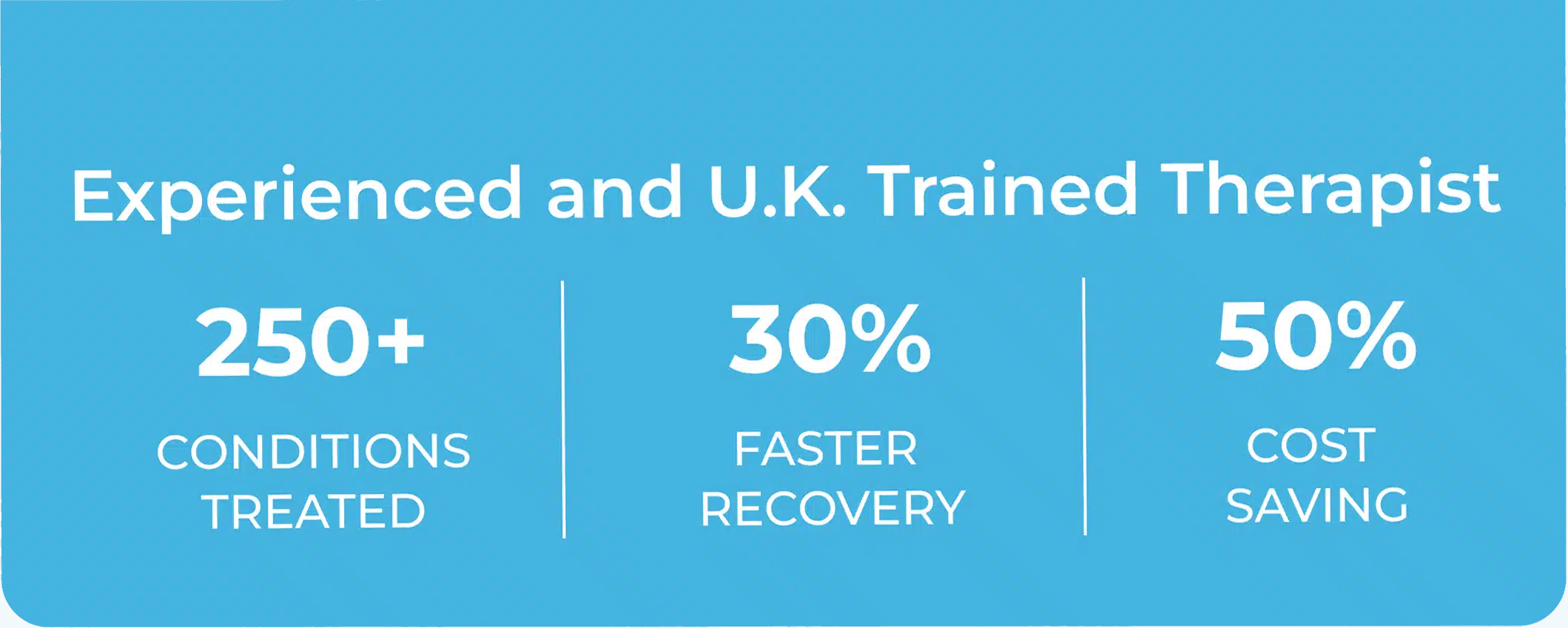

We are your doctor’s first choice and trusted by 50,000+ patients.
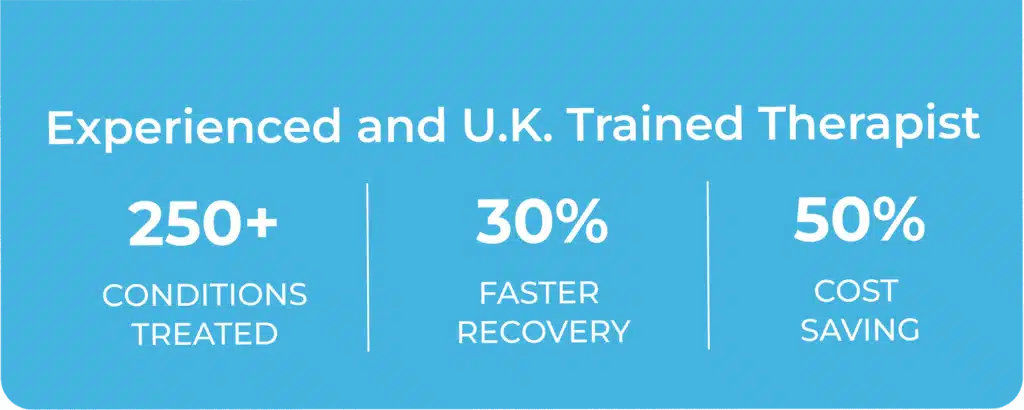
We are your doctor’s first choice and trusted by 50,000+ patients.
We are your doctor’s first choice and trusted by 50,000+ patients.


