


- Treatment
Pain Management
- Neck Pain
- Back Pain
- Shoulder Pain
- Knee Pain
- Ankle Pain
Physiotherapy
- Cervical
- Arthritis
- ACL
- Knee Pain
- Ankle Pain
Physiotherapy
- Neck Pain
- Back Pain
- Shoulder Pain
- Knee Pain
- Ankle Pain
- Physiotherapy
- Rehabilitation
Still trusting in taking rest for your tennis elbow pain? That’s where most of you go wrong.
The real recovery starts with the right mix of different exercise for tennis elbow. The exercises can be slow eccentric curls, wrist extensor stretches, resistance band training, and grip work. All of them are designed to treat the real cause of lateral epicondylitis.
These tennis elbow exercises should be done 2-3 times daily, 10-15 controlled reps at a pain level that you can manage (not higher than 3 out of 10). With consistent practice of the exercises, people note a significant improvement within 6-12 weeks. You will notice less pain, better grip, and better function.
Feeling that sharp, burning pain on the outside of your elbow during the time of lifting, twisting, or gripping shouldn’t be ignored. This condition is known as lateral epicondylitis, which is a common overuse injury. It is not caused when you play tennis, but is found commonly found in desk workers, painters, plumbers, and smartphone users.
Do you really want to know what is going on underneath? Basically, a small tendon connected to the Extensor Carpi Radialis Brevis (ECRB) gets overloaded. Whenever you twist, grip, or extend your wrist, the tendon becomes hard. On the repetition of this load, tissues break down faster than the body can mend them. This, in turn, results in weakness or chronic pain.
According to studies, around 1-3% of adults aged between 35 and 55 are diagnosed with tennis elbow. Here’s what are the common causes:
The important thing here to understand is that it is not a new injury. It happens with time, and if you don’t manage the load in the right manner, then it will cause you pain forever.
Are you not sure whether your elbow pain is something minor or just the start of lateral epicondylitis? Here are some symptoms and signs that help you find the problem early.
Always check if you have numbness or tingling in your fingers, significant swelling, or pain at rest. This can be a different medical condition, like nerve entrapment or tunnel syndrome.
Most treatments for tennis elbow only focus on short-term relief. Tennis elbow exercises work best in this case because it actually fixes the root cause.
According to a 2023 systematic review in the Journal of Orthopaedic & Sports Physical Therapy, the exercise for tennis elbow outdoes passive treatments, including cortisone injections. That’s why targeted exercises work wonders.
Tendon remodelling: Eccentric loading supports the rebuilding of damaged tendons by stimulating the production of healthy collagen fibers.
Strength rebuilds: Progressive resistance training helps rebuild strength and improve stamina in the forearm extensor muscles.
Pain reduction : Performing isometric exercises results in instant analgesic effects.
Prevents recurrence: Stronger tendons can easily tolerate daily stress and minimize the risk of future injury.
Golden rule : While doing tennis elbow physiotherapy exercises, it is advisable to keep your pain at 3 out of 10 or lower. You can tolerate a little discomfort, but stop immediately if the pain is sharp or increasing. Rest for about 24 hours before you try again.
The tennis elbow supportive therapy is designed the way a physiotherapist would progress them, starting with isometric work and gentle stretching, moving to dynamic strengthening. Every step matters to prepare your elbow for the next, so don’t skip anything.
This is the initial step and one of the important exercises for lateral epicondylitis. It works by gently releasing the tension present in the forearm extensor muscles that causes constant strain on the damaged tendon. Start it even in your most painful days.
Step-by-step guide
Reps/Sets – 3×30 sec/ 2-3 per day
No equipment requires
Week 1 | No weight, 30 sec |
Week 2 | Increase to 45 sec |
Week 3 | Add wrist rotation |
Always keep your elbow straight throughout the stretch. If there is a bend, then the effectiveness reduces.
If you are looking for long-lasting recovery, then you can’t just emphasize one side of the forearm. Tight flexor muscles (on the inside) can increase the stress on the outer elbow. Hence, it is important to stretch both extensors and flexors to create a balance. This overall reduces the strain on the tendon.
Step-by-step guide
Reps/Sets – 3×30 sec/2 times per day
If you feel more pain with movement, this is when you can start this exercise. Isometric exercises are those where muscles work without showing any visible movement. They also bring quick relief from your pain while activating the tendon. It is considered the first step towards safely loading the lateral epicondylitis without worsening the symptoms.
Step-by-step guide
Reps/Sets – 5×30-45 sec/ Daily
Always ensure that this exercise feels like controlled effort, but not pain.
This exercise for tennis elbow works because isometric loading minimizes pain signals coming from tendons and arouses the internal healing response.
Do you actually want to rebuild the tendon while easing the pain?
This tennis elbow supportive therapy helps you with heavy lifting and focuses on the lowering phase of movement. This causes repair and strengthening of the damaged tendon in epicondylitis. Therefore, it is considered to be a key step once your pain is under control.
Step-by-step guide
Reps/Sets – 3 x 15 reps/daily
Note that you should only increase the weight when you can easily complete all reps comfortably for two days in a row. There shouldn’t be a rise in pain.
Week 1 | No weight x 15 |
Week 2 | 0.5-1 kg x 15 |
Week 3 | 1.5 – 2 kg x 15 |
Is your elbow still hurting while performing simple tasks such as turning a doorknob or pouring a bottle?
In lateral epicondylitis, your movement loses strength and control, making daily activities difficult. The exercise is meant to target the gap and restore pain-free and smooth rotation.
Step-by-step guide
Reps/Sets – 3×15 reps/day
It is advisable to grip the handle near the end to get more lever resistance.
This exercise is counted among the best methods to build strength, but only when your elbow is ready to go to the next step. It doesn’t overload the tendons. Throughout the movement, they give smooth and increasing resistance. Thus, the wrist muscles work better than with regular weights, especially at the end of the range.
Step-by-step guide
Reps/Sets – 3×12–15 reps / 5× per week
As you get stronger, progress through resistance level (light → medium → heavy). Don’t rush to get the heavier bands.
Recovery is not considered complete until your grip still feels weak or painful. Ultimately, it’s the grip strength that decides whether you can carry, work, lift, or play without experiencing pain. In lateral epicondylitis, rebuilding grip isn’t optional; it is the only thing that brings your life back to normal with confidence.
Step-by-step guide
Reps/ Sets – 3×15 reps / 5× per week
Always focus on control, not force. Your goal should be rebuilding the strength without activating pain. Hence, your grip becomes powerful again in real-life activities.
Week 1 | Softball x 10 |
Week 2 | Medium ball x 15 |
Week 3 | Firm putty x 15 |
Most people don’t fail because they are doing exercises for tennis elbow; they fail by following the wrong approach. Some common mistakes delay healing.
This is a commonly seen mistake made by patients in India and the USA as well. If the pain is more than 3 on the scale out of 10, then you are overloading the tendons.
If your tendons are tight, it pulls the tendon. If you don’t do the stretches, it creates imbalances and slow healing.
You have to give time to tendons as they adapt slowly. Follow 2 pain-free days before your increased load.
If your pain disappears in around 4-6 weeks, that doesn’t mean your tendon is fully healed. Don’t stop, otherwise symptoms come back.
Check your desk setup, tools, or grip style that can continuously irritate the tendon.
If you think complete rest makes you better, you are wrong. The complete rest is a cause of weakens tendon. Rather, you should opt for relative rest + progressive exercise.
Stay consistent with your tennis elbow exercises and avoid these mistakes so that your tendon gets the chance to heal.
Also Read: How Can Physical Therapy Help Tennis Elbow
Recovery of a tennis elbow depends on how long you have had the symptoms, how active you are, and how reliably you follow the exercise. Here’s a smart, result-driven recovery timeline.
This time is about settling irritation. You should focus on gentle stretches (like flexors and extensors) and isometric exercises to reduce pain. In this phase, pain starts to drop. Use ice for about 15-20 minutes to support your elbow. Don’t forget to use a brace during aggravating activities.
From here, the real rehab starts. Do eccentric exercises and forearm rotation to stimulate tendon repair. You can expect a mild discomfort (around 2-3/10), but it will settle within 24 hours.
From here, you will start regaining your confidence. You can progress with resistance bands and grip exercises. Begin your modified activities. As per most patients, they experience 70-80% pain reduction.
This phase is about transitioning back to normal life. Start introducing sports or heavy manual work gradually while maintaining a stretching routine. Continue it to 3 times per week as maintenance elbow pain exercises to get the long-term result.
Recovery is never about doing more; it’s about practicing the right thing at the right time.
Tennis elbow exercises are considered to be a highly effective way to treat tennis elbow. But there are certain situations where you need the proper evaluation from professionals. Never ignore the warning signs if:
The speedy recovery from lateral epicondylitis requires some expert tips that help you in strengthening the supporting muscles and correcting your grip.
Warm up first and cool down after: Use a warm compress for 5-10 minutes before exercise. This helps to relax forearm muscles. After this, apply ice for 15-20 minutes to control irritation.
Train the scapula too: If there is a weak shoulder blade, there is an increase in elbow stress. Add simple scapular tennis elbow supportive therapy, such as squeezing your shoulder blades for 5 seconds, 10 reps.
Check your grip: If you are using racquets, tools, or keyboards, it can result in overloading of the tendons. By making the small adjustments, you can reduce the strain.
Opt for the ‘palm up’ rule: Whenever you lift your arm, keep your palm facing upward. This can shift the load from the lateral epicondyle to the stronger forearm muscles and minimize irritation.
For the real progression, you don’t need any kind of guesswork. If your recovery starts, but the recovery is not as expected, you should immediately consult experts.
Get a free consultation with a licensed physical therapist at Resolve360 — available within 15 minutes of booking, 7 days a week, across all conditions.
Book Free Consultation at Resolve360 →Within 4-6 weeks, most people start noticing a reduction in the pain through tennis elbow exercises. However, the complete recovery of the tendon takes 3-6 months. The key to success is consistency. If you perform 5-7 days per week, you progress slowly. Don’t stop early because it causes relapse.
Yes, you can, but in control. When you are dealing with lateral epicondylitis, you will feel mild discomfort while performing exercise. This is considered to be safe, but a part of the healing procedure. If your pain goes beyond 3 out of 10, then your tendons are overloading. Pause your exercise for about 24-48 hours to allow the pain to settle. Restart it with a lower intensity.
As such, there is no difference between the two. The lateral epicondylitis is a medical term given to tennis elbow. The procedure is the same for both. All exercises are designed to focus on strength and healing the extensor tendons of the forearm. In both cases, you are following the same evidence-based exercises to regain strength, minimize pain, and improve function.
If you want a quick recovery, you should follow the combination of:
All this work together to give you a speedy recovery.
The quickest method to relieve tennis elbow pain is to diminish irritation while still keeping the tendon active. You can begin with short-term pain relief approaches like icing the area (15-20 minutes), avoiding aggravating activities, and, if required, using a counterforce brace. Simultaneously, you can start gentle isometric exercises to calm the pain. Once the pain settles, add controlled strengthening to prevent relapse.
it is possible to fix epicondylitis in just 3 days. Just focus on soothing the irritation by:
This approach is best for relieving the pain, but note that the whole recovery takes time as tendons heal slowly.
Yes, in most cases, the lateral epicondylitis can be treated fully with the right exercise program. The only thing that you have to take care of is consistency and progressive loading. If performed correctly, these exercises rebuild the tendon strength, resulting in reduced pain. So, always remember healing should not be the only aim, you prevent it from coming back.
Ignoring the tennis elbow problems can result in chronic pain lasting months or even years. If untreated, the weak tendons keep breaking down, causing simple tasks like lifting, gripping, or typing to be painful. Therefore, it is important to seek professional help once you notice any early symptoms to avoid long-term damage.
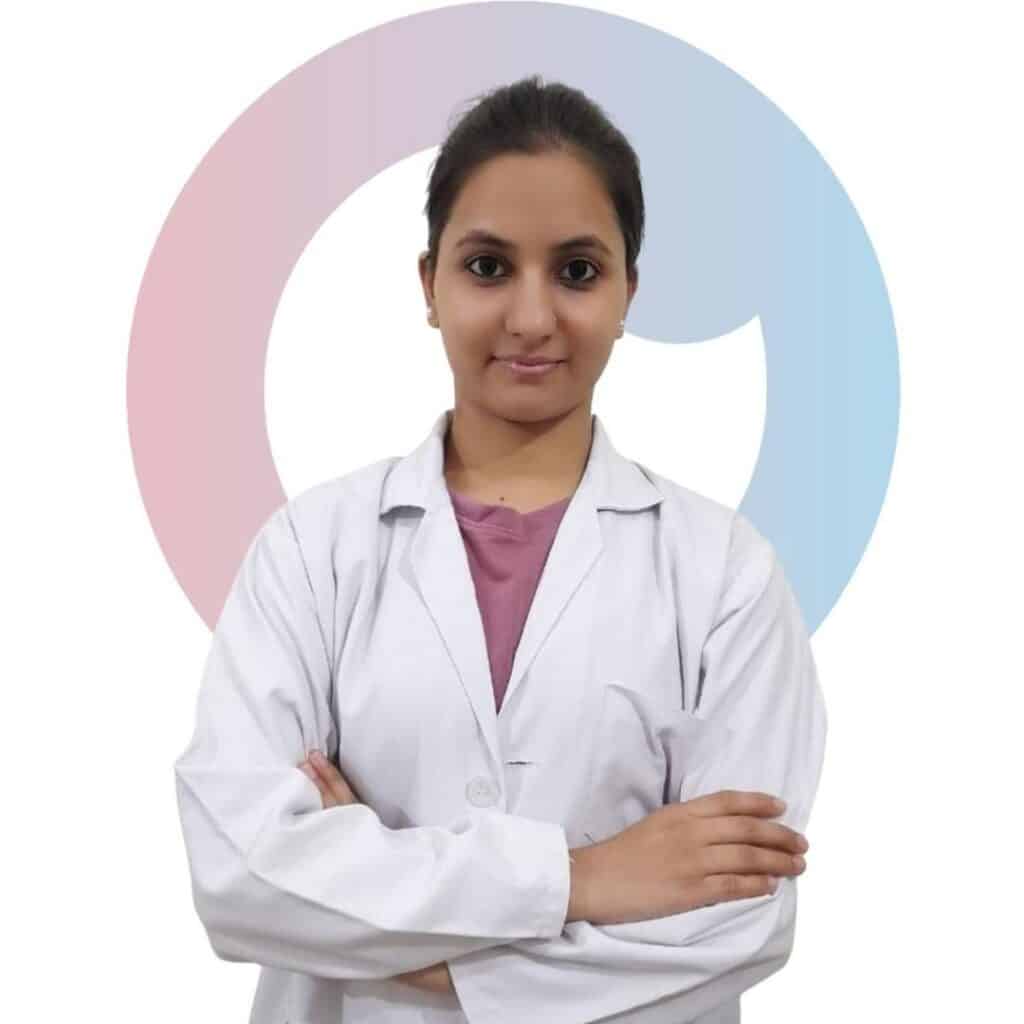
Dr. Nidhi Kumari
She has persuaded her bachelor’s from SGT University, Gurugram, she has done her internship at Dr. Ram Manohar Lohia Hospital, and persuade her Master in Physiotherapy from Chaudhary Charan Singh University, Meerut. She has previously worked with Orthocure clinic, Dr.Nasir physiotherapy rehabilitation, Quantum physiotherapy, and wellness center.
If you have more questions.
Dr. Nidhi
She has persuaded her bachelor’s from SGT University, Gurugram, she has done her internship at Dr. Ram Manohar Lohia Hospital, and persuade her Master in Physiotherapy from Chaudhary Charan Singh University, Meerut. She has previously worked with Orthocure clinic, Dr.Nasir physiotherapy rehabilitation, Quantum physiotherapy, and wellness center.
If you have more questions.


If you would like to know more about any of the health conditions, please fill up the form below and talk to Doctors on Resolve360 directly by asking a question.
We are your doctor’s first choice and trusted by 50,000+ patients.

We are your doctor’s first choice and trusted by 50,000+ patients.
We are your doctor’s first choice and trusted by 50,000+ patients.
We are your doctor’s first choice and trusted by 50,000+ patients.