



Physical therapy after hip replacement is an important part of recovery that helps improve mobility, reduce stiffness, and restore strength after surgery. Most patients begin rehabilitation within 24 hours through guided exercises, walking practice, and gradual movement training. A structured recovery plan can also help improve balance, flexibility, and confidence during healing. Today, many patients choose online physical therapy after hip replacement to continue safe and expert-guided rehabilitation from the comfort of home.
One of the biggest concerns after hip replacement surgery is returning to normal walking and daily activities comfortably. Simple movements like getting out of bed, climbing stairs, or walking around the house may feel difficult during the early recovery phase. But the real surprise is physical therapy after hip replacement often begins within hours of surgery not weeks later.
The gentle movements are not meant to strain you too hard. It helps your body heal safely, decrease risks, and build your confidence again slowly. If you have recently had a surgery, knowing what comes next can make the whole process feel less stressful.
A successful hip replacement recovery does not stop with the surgery. The actual progress happens during rehab through guided movements, consistent exercises, and gradual strength training.
A structured post-surgery rehab program helps restore mobility, improve your balance, and make everyday activities feel normal again.
In this guide, you will learn about the best time to start physical therapy after hip replacement, how long does the recovery take, whether walking after hip replacement helps you or not, home exercises after hip surgery, and online physical therapy after hip replacement.
Many hospitals now practice rapid recovery that is immediately after surgery, your doctor monitors your pain level, circulation, blood pressure, and oxygen. Within a few hours, you may be advised to sit upright or stand without any support. Even though it is still early, it has always been a part of modern post-surgery rehab.
Hip replacement surgery also known as Total Hip Arthroplasty replaces your damaged hip joint with an artificial implant. It’s one of the most successful orthopedic surgeries performed today in the U.S, especially for patients with arthritis, chronic pain, or severe joint degeneration.
More than 450,000 hip replacements are performed annually in the United states
Early movement plays a major role in recovery because it helps:
Usually physical therapy after hip replacement begins early within the same day or the morning after surgery.
As soon as your surgeon clears you medically, you can start your rehabilitation right away.
If surgery happens in the morning, a therapist helps you stand and take a few supported steps in the same afternoon. This first session is usually short and focused on safety since you are just starting out.
The focus is to avoid intense exercise right after the surgery and simply help your body begin moving again.
During the first few days of recovery (1 to 3 days), your therapy sessions focus mainly on:
Your therapist may also suggest starting with simple circulation exercises like ankle pumps and quad sets to decrease swelling and prevent blood clots.
This early stage of recovery is the foundation for long-term hip replacement recovery.
Most patients go home within 1 to 3 days. Every recovery is different and varies from person to person, following a structured rehabilitation plan will help you recover better.
The goal is to perform safety and healing. Keep the hip at the right angle and follow hip precautions.
Patients typically do:
It is common to experience swelling, stiffness, fatigue, and soreness during this stage. If you feel any discomfort, it is essential to seek your therapist.
This is when many patients will start doing the exercises on their own and gain their confidence back by week 4
Therapy begins with:
Consistent physical therapy after hip replacement becomes especially important here because this is the stage where poor movement mechanics can develop if you’re not doing your rehab continuously.
You tend to gradually return to normal household activities during this stage of recovery.
Therapy like:
Many patients can walk without support around Weeks 8-10 depending on their strength, flexibility, and balance.
At this point, patients experience a major improvement in strength, mobility, and confidence.
A complete hip replacement recovery timeline typically includes:
You may think that the surgery alone can fix the problem but in reality, the surgery creates an opportunity for recovery and rehabilitation is what normalises function.
Continuous physical therapy after hip replacement helps:
Without a proper rehabilitation plan, even a successful surgery can still leave you with poor movement patterns or lasting discomfort.
Research from the American Academy of Orthopaedic Surgeons (AAOS) shows that a structured post-surgery rehab program helps patients regain trust in their new joint, which is often one of the hardest psychological parts of recovery.
The safest exercises depend on your surgical approach and which recovery stage you are in, but common early phase exercises include:
These exercises tend to improve circulation while gently activating the muscles around the hips and glutes
As the recovery is progressing, therapies like:
These movements usually strengthen up the hip abductors, glutes, and core muscles that support walking with stability.
Later-stage rehab may include:
The key is slow and steady progression. Doing too much too soon can increase your pain eventually and delay healing.
Studies suggest strengthening the hip abductors can improve and gait stability after hip replacement surgery
Margaret, 68, underwent hip replacement surgery after years of severe arthritis pain that made walking exhausting. During the first week of recovery, even short walks around the house felt tiring and uncomfortable. With consistent physical therapy after hip replacement, daily exercises, her strength slowly improved week by week.
By the second month, she was walking with minimal support and felt far more confident moving independently. After a few months, she returned to her normal routine and was able to enjoy long walks again.
Her recovery wasn’t quick, but steady rehabilitation and consistency made a major difference.
It is common to worry most about whether you can walk normally and go back to your day-to-day activities again. But recovery is all about steady progress with consistent rehabilitation.
Typical progress includes:
Despite all of it, recovery speed varies depending on age, strength, overall health, and surgical methods.
Proper walking rehabilitation during physical therapy after hip replacement is important because correcting limping patterns early so that it does not become habitual.
Not every patient can travel easily to a clinic during the early recovery stage. That’s one reason online physical therapy after hip replacement has become increasingly popular as it is adaptable as well.
Virtual therapy allows you to:
For many people, combining virtual rehab sessions with well-structured home exercises after hip surgery creates an effective and flexible recovery plan.
Research also shows that telehealth-based rehabilitation can produce outcomes similar to in-person care when programs are well supervised.
A few mistakes that you consistently can delay your hip replacement recovery and it is important to not:
Stopping Therapy Too Early: Pain may improve before strength fully returns. Quitting rehab too soon as your symptoms improve often leads to lingering weakness and poor walking patterns.
Ignoring Hip Precautions: Skipping hip precautions too early can increase your chances of hip dislocation or instability. It’s important to follow your surgeon’s advice for 6-12 weeks.
Avoiding Movement Entirely: Rest matters, but being inactive for a longer period increases muscle stiffness and slows your recovery. Avoid sleeping on the operated side for the first 6 weeks.
Skipping Daily Exercises: Even short daily exercise sessions matter. Recovery is only possible through consistency, not irregular effort.
Comparing Recovery to Others: Every patient’s recovery pace is different. Comparing timelines often creates unnecessary frustration.
Sitting too low or without support: Better to use a raised toilet seat and avoid low couches for a while as you may stress the new joint early in recovery.
Hip replacement surgery can drastically improve your quality of life but following a strict rehabilitation is what helps you fully regain independence.
Starting physical therapy after hip replacement early increases your best chance to recover safely and efficiently. From building your strength to improving balance and restoring your confidence with movement, every stage of rehab matters.
Whether you’re beginning your first week of recovery or preparing for surgery ahead of time, staying consistent with your exercises and following a guided post-surgery rehab plan can make a huge difference in your long-term results.
Recovery is not about progressing too fast. It’s about improving steadily, safely, and confidently one step at a time.
Get a free consultation with a licensed physical therapist at Resolve360 — available within 15 minutes of booking, 7 days a week, across all conditions.
Book Free Consultation at Resolve360 →For most patients, physical therapy after hip replacement begins right after the surgery which is in 24 hours but sometimes may even start on the same day. Your therapist will usually help you sit up, stand safely with support, and take steps with a walker. While it may be early, gentle movements are extremely important for improving circulation, preventing blood clots and starting your hip replacement recovery safely.
Regular formal therapy can make you heal in 6-12 weeks, depending on your strength, balance, pain levels, and recovery progress. However, complete hip replacement recovery can take several months. Even after the therapist’s session ends, continuing your home exercises after hip surgery is important for rebuilding endurance.
Usually, you will begin walking after hip replacement with a walker during the first couple of weeks and slowly shift to a cane as strength improves. Many people walk on their own somewhere between Weeks 6 and 10, although everyone moves at a different speed. Your therapist will evaluate your balance, stability, and strength before suggesting walking without support.
Absolutely. Your progress doesn’t only happen due to therapy, it also happens through continuous daily movement. Regular home exercises after hip surgery help improve your flexibility, strengthen the hip muscles, reduce stiffness, and support better walking patterns.
During the early recovery phase, your surgeon or therapist may ask you to follow specific hip precautions to protect the new joint. Depending on your surgical approach, this includes avoiding deep bending, twisting all of a sudden, or crossing your legs. Following these guidelines strictly lowers the risk of issues during post-surgery rehab.
Yes, for many patients, online physical therapy after hip replacement can be a very wise option, especially during the first few weeks of recovery after surgery when travelling becomes uncomfortable. Virtual sessions allow you to work with a licensed physiotherapist from home while being consistent with a solid recovery plan, exercises, and accurate progress tracking.
Some swelling, stiffness, and soreness are completely normal during the first several weeks of your recovery. You may also notice gradual improvements each week as you continue physical therapy after hip replacement and stay active. Mild stiffness can rarely last for several months, especially after prolonged sitting.

Dr. Nidhi Kumari
She has persuaded her bachelor’s from SGT University, Gurugram, she has done her internship at Dr. Ram Manohar Lohia Hospital, and persuade her Master in Physiotherapy from Chaudhary Charan Singh University, Meerut. She has previously worked with Orthocure clinic, Dr.Nasir physiotherapy rehabilitation, Quantum physiotherapy, and wellness center.
If you have more questions.
Dr. Nidhi
She has persuaded her bachelor’s from SGT University, Gurugram, she has done her internship at Dr. Ram Manohar Lohia Hospital, and persuade her Master in Physiotherapy from Chaudhary Charan Singh University, Meerut. She has previously worked with Orthocure clinic, Dr.Nasir physiotherapy rehabilitation, Quantum physiotherapy, and wellness center.
If you have more questions.
If you would like to know more about any of the health conditions, please fill up the form below and talk to Doctors on Resolve360 directly by asking a question.
We are your doctor’s first choice and trusted by 50,000+ patients.
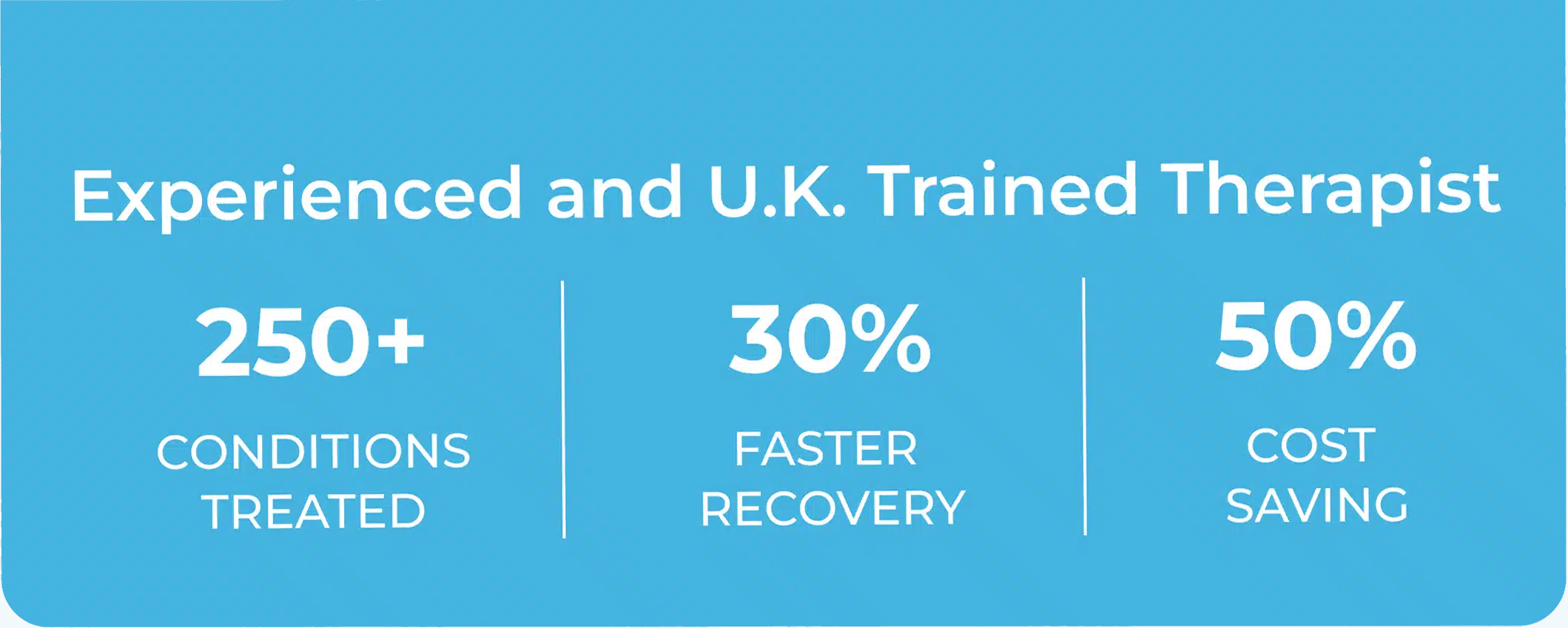

We are your doctor’s first choice and trusted by 50,000+ patients.
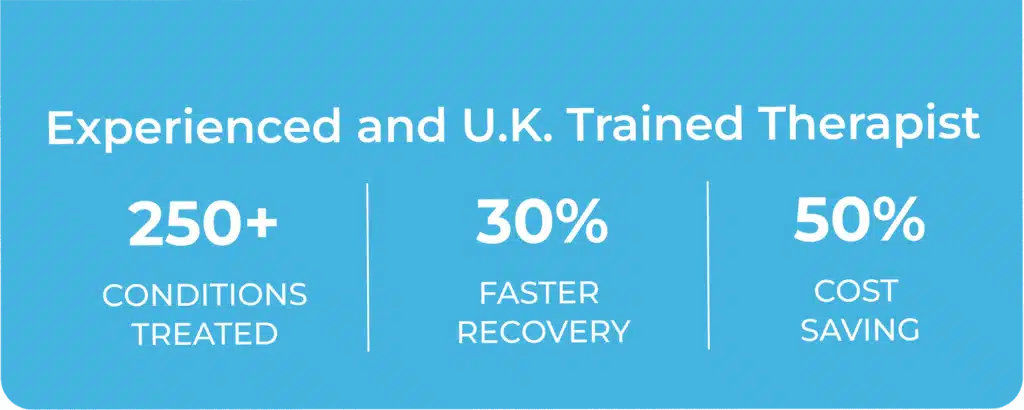
We are your doctor’s first choice and trusted by 50,000+ patients.
We are your doctor’s first choice and trusted by 50,000+ patients.


