Female doctor with stethoscope in white coat, Resolve360 logo visible.

Reviewed & Verified by

Dr. Apoorva

November 11, 2026
Medical illustration showing sciatic nerve pathways and piriformis muscle; therapy and stretch icons.

Quick Answer

Sciatica vs Piriformis Syndrome: Symptoms & Differences

Sciatica vs. Piriformis Syndrome

What is Sciatica?

Sciatica is a set of symptoms (pain, tingling, numbness or weakness running down the back of the leg) caused by irritation or compression of the sciatic nerve or its nerve roots. It usually starts in the lower spine, most often from a herniated disk.

What is Piriformis Syndrome?

Piriformis syndrome is a specific, less common condition in which the sciatic nerve is thought to be irritated in the deep buttock, near the piriformis muscle.

The Core Difference

Both can cause leg pain, but the source of irritation is different: spine vs. buttock.

The Catch

The symptoms overlap, so pain location or a home test can’t confirm which one you have. A clinical assessment can.

We are your doctor’s first choice and trusted by 50,000+ patients.

get a call in 15 minutes

On This Page

Free 15-minute assessment

Speak to a licensed physical therapist before you commit to anything.

“Is this sciatica, or is it my piriformis?” At Resolve360, our physical therapists hear this question from patients who have read both terms online and aren’t sure which one fits. This guide explains what each term means, how the symptoms tend to differ, how clinicians tell them apart, and how treatment changes depending on the likely cause. It also lists the warning signs that need emergency care, which matter more than either label.

What Is Sciatica?

The sciatic nerve is the largest nerve in the body. It forms from nerve roots in the lower spine, passes through the buttock and runs down the back of the thigh to the leg and foot. “Sciatica” is the name for symptoms along this nerve when something presses on or irritates it.


Common symptoms include:

  • burning, shooting or electric-shock-like pain down one leg
  • tingling (pins and needles) or numbness, sometimes in the foot or toes
  • weakness in the leg or foot
  • pain that gets worse with coughing, sneezing or bending


Back pain may be present, but leg pain is usually the worse of the two. The most common cause is a herniated (slipped) disk. Others include spinal stenosis (narrowing of the spaces where nerves pass), spondylolisthesis (a vertebra slipping out of place) and degenerative disk disease.


Sciatica describes what you feel. On its own, it doesn’t say what is causing it.

What Is Piriformis Syndrome?

The piriformis is a small, flat muscle deep in the buttock that helps rotate the hip outward. In most people, the sciatic nerve passes just beneath it. Piriformis syndrome is the term used when the nerve is thought to be irritated or compressed in this deep buttock area rather than in the spine.4,5 Because it mimics spine-related sciatica so closely, piriformis syndrome is also known as pseudo-sciatica (pseudosciatica), and sometimes as “wallet sciatica.


Commonly reported features:

  • deep buttock pain, sometimes spreading to the hip or back of the thigh
  • aching, burning, tingling or numbness in the same area
  • pain that worsens with prolonged sitting, climbing stairs, walking or running
  • tenderness when the deep buttock is pressed
  • pain with hip movements that stretch or tense the piriformis


Piriformis syndrome is considered uncommon: estimates suggest it accounts for roughly 0.3% to 6% of low back pain and/or sciatica cases. It is also a debated diagnosis. There’s no single validated test for it, and researchers have questioned whether the piriformis is always the true source when the label is used.

Piriformis Syndrome vs Sciatica: Key Differences

The following comparison table highlights the key differences between sciatica and piriformis syndrome symptoms, causes, diagnosis and first-line treatment. It shows typical patterns; many people don’t fit neatly into one column, and both can be present at the same time.

Sciatica vs Piriformis Syndrome: Key Differences
Feature Sciatica (Spinal Cause) Piriformis Syndrome
What the term means A pattern of nerve symptoms along the sciatic nerve One proposed source of those symptoms, in the deep buttock
Where it starts Lower spine: disk, stenosis, vertebral slip Around the piriformis muscle
Main pain area Buttock and back of one leg, often into the foot Deep buttock, hip or upper leg; may spread down the thigh
Back pain Can be present; leg pain usually worse Buttock pain is the main complaint
Common triggers Coughing, sneezing, bending Prolonged sitting, stairs, walking or running, hip rotation
Numbness / tingling Common, along the leg Can occur in the buttock and along the nerve
Weakness Can occur Not a core reported feature. Any new weakness needs assessment
Diagnosis History and physical exam; imaging not usually done right away Clinical, after other causes are ruled out
Typical first steps Staying active, exercise, pain relief, physical therapy Activity changes, stretching and strengthening, physical therapy

Pain Location: Spinal Root vs. Deep Buttock Source

Sciatic Nerve Irritation Sources
L4, L5, S1

Spinal root source

Nerve roots in the lower back: herniated disk, stenosis, vertebral slip

Deep buttock source

Piriformis region: the nerve passes beneath this muscle in most people

Where symptoms are felt

Buttock, back of thigh, calf, foot
Both sources can produce pain here

The same nerve can be irritated at different points. Where you feel symptoms is not always where the problem starts.

As a rough guide, symptoms centered in the deep buttock that flare after sitting a long time are more often linked with piriformis-related irritation. Leg pain that is worse than back pain, reaches below the knee into the foot and flares with coughing or sneezing more often points to a spinal nerve root.1,5

Why Pain Location Alone Can't Confirm the Cause

  • It’s the same nerve. Irritation at the spine or in the buttock can send symptoms down the same path.
  • Other conditions mimic both. Spinal stenosis, sacroiliac joint problems, hip problems and hamstring injuries can all cause buttock and leg pain.
  • Exam findings overlap. A limited straight leg raise, often linked with disk-related sciatica, is also reported in piriformis syndrome.
  • There’s no definitive test for piriformis syndrome. It’s usually diagnosed after other causes have been considered and ruled out.

A DPT, a BPT and an MPT each prepare clinicians to assess and treat movement problems. They are not interchangeable for US licensing, though: a state license is what authorizes practice in that state.

What Causes Sciatica and Piriformis Syndrome?

Spinal causes of sciatica

Most sciatica comes from the lower spine. A herniated disk is the most common cause and becomes more likely with age. Spinal stenosis, spondylolisthesis, degenerative disk disease and back injuries are others.1,2 Risk factors include past back injury, extra body weight, low activity, smoking and jobs with prolonged sitting.1 If a disk is the likely source, our guide to herniated disk symptoms and physical therapy explains what recovery usually involves.

Piriformis-related irritation

Possible contributors include spasm, inflammation or scar tissue around the piriformis, a fall onto the buttock, overuse, and long periods of sitting. In some people, the nerve’s path relative to the muscle differs from the usual pattern, though how much this matters is still debated.


Long commutes and hours of desk-bound work, common among tech professionals, don’t cause either condition by themselves. But if your pain changes with them, note it down. It’s one of the most useful clues you can bring to an assessment.

Sciatica vs Piriformis Syndrome: How to Tell the Difference

Resolve360 Clinical Insight Callout

What your physical therapist or doctor will ask

Expect questions about where the pain is and where it travels, what makes it better or worse, how it started, and whether you have numbness, tingling or weakness. Diagnosis of sciatica starts with this history and a physical exam.

Physical exam tests

Clinicians may watch you walk, test strength and flexibility, and use a straight leg raise to see how stretching the nerve affects your symptoms. If piriformis syndrome is suspected, they may press on the deep buttock and use hip positions that tense the piriformis, such as the FAIR (flexion, adduction, internal rotation), Freiberg, Pace or Beatty maneuvers. These build a picture; none of them confirms the diagnosis by itself.

Do you need an MRI?

Usually not right away. Imaging is generally reserved for severe or worsening symptoms, warning signs, or when the result would change treatment. In suspected piriformis syndrome, ultrasound, MRI, CT and EMG are mainly used to rule out other causes rather than to prove it.

Questions to prepare before your assessment

  • Where did the pain start, and where does it travel now? Above or below the knee?
  • Is it worse sitting, standing, walking, bending, or when you cough or sneeze?
  • Do you have numbness, tingling or weakness? Where exactly?
  • Did anything happen before it started: a fall, a new workout, a long flight or drive?
  • Have you had back problems before?
  • Any change in bladder or bowel control, or numbness around the groin? If yes, go to the emergency section below now.

Treatment for Sciatica vs Piriformis Syndrome

Because the source differs, so does the focus of treatment, though many first steps overlap.

Treatment Approaches Comparison
Approach Sciatica from a spinal cause Suspected piriformis syndrome
Self-care Stay as active as you comfortably can; ice then heat; gentle movement Short-term activity changes; break up long sitting
Exercise A program matched to your symptoms and preferences Stretching, range-of-motion and hip strengthening
Hands-on therapy Manual therapy only as part of a package that includes exercise Massage or soft-tissue work alongside exercise
Medicines As advised by a doctor; some medicines aren't recommended for sciatica Anti-inflammatories or muscle relaxants if prescribed
Injections Spinal (e.g. epidural) injections for short-term relief in some cases Steroid or botulinum toxin near the piriformis in some cases; evidence for botulinum toxin is limited
Surgery Usually a last resort (e.g. diskectomy, laminectomy) Last resort after conservative care fails; results less predictable

Clinical guidelines also advise against several treatments for low back pain with or without sciatica, including traction, acupuncture, ultrasound therapy, TENS, back braces and foot orthotics. Don’t start any medicine without advice from a doctor or pharmacist. If your symptoms point to a spinal source, learn more in our guide to physical therapy for sciatica relief.

How Physical Therapy Helps, and Its Limits

Physical therapy is a standard part of care for both conditions. A physical therapist can:


  • take a structured history and exam to judge whether a spinal or buttock source is more likely
  • spot warning signs that need a doctor first
  • build an exercise program around what aggravates and eases your symptoms, and progress it as you improve
  • advise on sitting, desk setup, driving and returning to activity


Through Resolve360’s online physical therapy sessions, a licensed physical therapist can guide you through specific movement checks on a live video session to help judge whether your pain looks more spine-related or piriformis-related, then adjust your program week by week. Readers in the UK and India will know this as online physiotherapy; the approach is the same.


What physical therapy can’t do: replace emergency care, confirm a diagnosis that needs imaging or nerve testing, or guarantee a recovery time. One stretch won’t diagnose or fix either condition, and a movement that eases piriformis-related pain may aggravate a disk problem. Online sessions also aren’t the right first step if you have any of the warning signs below.

Start With a ₹0 Free Consultation

Get a personalised 1-on-1 live video consultation with a physiotherapist. Live sessions are available for ₹1,499, with a recorded home-exercise plan for ₹499.

Your physiotherapist will assess your needs and guide you on the next appropriate step.

Frequently asked questions

No, piriformis syndrome is not the same as sciatica. Sciatica describes nerve pain along the sciatic nerve, usually from a spinal problem such as a herniated disk. Piriformis syndrome is one specific, less common cause of similar symptoms, where the nerve is irritated in the deep buttock. Both can cause leg pain; the source of irritation is different.

Yes, piriformis syndrome can cause pain down the back of the leg. The pain usually starts deep in the buttock and can spread down the thigh along the sciatic nerve. Because spinal sciatica does the same, leg pain alone doesn’t tell you which source is involved.

You can notice patterns, but you can’t confirm the source on your own. Buttock-centered pain that’s worse with sitting leans toward a piriformis source; leg pain worse than back pain, reaching the foot and flaring with coughing, leans toward a spinal source. A clinical assessment is needed to judge the likely cause.


Usually not at first. Imaging is generally reserved for severe or worsening symptoms, warning signs, or when the result would change treatment. For suspected piriformis syndrome, scans mainly help rule out other causes. Your doctor will advise.

Staying gently active is generally better than bed rest. For sciatica, keeping up normal activities as far as you comfortably can is advised. For suspected piriformis syndrome, short-term changes to aggravating activities and breaking up long sitting can help. Get advice if movement clearly worsens leg symptoms.

Many cases improve within weeks, but it varies. Cleveland Clinic notes many sciatica cases improve within four to six weeks, while more severe cases can take months. Piriformis syndrome symptoms often improve within days or weeks with simple treatment. Your timeline depends on the cause and severity.


Yes, it’s possible to have both. The sciatic nerve can be irritated at more than one point, for example at a spinal nerve root and in the buttock, and conditions like spinal stenosis can mimic piriformis syndrome. That overlap is why a professional assessment, such as one with a Resolve360 physical therapist, matters before choosing a treatment plan.

Yes, for many people with stable symptoms. At Resolve360, live one-on-one video sessions cover history-taking, guided movement checks and an exercise program that’s adjusted as you progress. Online care isn’t suitable if you have emergency warning signs, rapidly worsening weakness, or need an in-person exam or tests first.

meet your expert

Dr. Apoorva Shrivastava

Dr. Apoorva Shrivastava is a senior physical therapist, clinical rehabilitation leader and Founder & CEO of Resolve360 with 20+ years of experience in physiotherapy and rehabilitation. She has supported 50,000+ patients globally and has experience across 250+ conditions, including chronic pain, sciatica, disc bulge, frozen shoulder, cervical spondylosis, lumbar spondylosis, back pain, neck pain, shoulder pain and knee pain. She holds a Bachelor’s in Physiotherapy from Saveetha Medical College and a Master’s in Advancing Physiotherapy from Sheffield Hallam University, UK, with a major focus on Neuro Physiotherapy. Her experience includes St Helier’s Hospital, NHS, UK, PAN-India clinical training and leadership involving 500+ physical therapist across India.

Specialization

Neurological Physiotherapy, Spine Rehabilitation, Chronic Pain Rehabilitation and Musculoskeletal Rehabilitation

Clinical Experience​

17+ Years of Physiotherapy & Rehabilitation Experience

Qualification

BPT – Saveetha Medical College; Master’s in Advancing Physiotherapy – Sheffield Hallam University, UK

Professional Registration

Indian Association of Physiotherapists (IAP) Member – I.A.P. No. 69959

Clinical Expertise

Neurological Rehabilitation, Chronic Pain, Spine & Musculoskeletal Rehabilitation

Working Experience

St Helier’s Hospital, NHS, UK; PAN-India Clinical Training & Rehabilitation Leadership

Patent & Innovation

Named Inventor – Resolve360’s Indian Patented Rehabilitation Methodology | Patent No. 596041

Real stories. Real recovery.

Real Recovery Stories

Posted on Google Google
Indu G profile picture
Indu G
Google star 1Google star 2Google star 3Google star 4Google star 5Trustindex verifies that the original source of the review is Google.
I came across a Resolve360 ad and decided to give them a try for my knee pain. I contacted them, and their team got in touch with me and explained everything clearly. I had my online physiotherapy session with Dr. Sandeep, and I had a really good experience. He was patient, friendly, and took the time to understand my pain and daily routine before suggesting exercises. He explained each exercise properly and showed me how to do the movements correctly. I could also ask questions during the session, which made things much easier. I really liked the convenience of doing the sessions from home. I didn’t have to travel to a clinic, and the one-on-one sessions felt personal and comfortable. The follow-up sessions were also helpful and kept me motivated to stay consistent with the exercises. A special thanks to Dr. Sandeep for being so supportive and easy to talk to. He made the whole process feel simple and comfortable. Overall, I’m happy with my experience with Resolve360 and would recommend them to anyone looking for convenient online physiotherapy.
Posted on Google Google
Kashika Singh profile picture
Kashika Singh
Google star 1Google star 2Google star 3Google star 4Google star 5Trustindex verifies that the original source of the review is Google.
I am currently recovering from ACL reconstruction surgery, and choosing the Resolve360 video rehabilitation platform has been one of the best decisions for my recovery journey. When I joined the platform, I was not only recovering from surgery but was also suffering from severe back pain that significantly limited my mobility. Surprisingly, after just two sessions, I experienced noticeable relief in my back pain, which gave me the confidence to continue my rehabilitation. What I appreciate the most is that every exercise is carefully tailored to my specific condition, recovery stage, and individual needs. The structured rehabilitation plan has kept me consistent and motivated. Without this platform, I don't think I would have had such a well-organized approach to my recovery. A special thanks to Dr. Diksha for her exceptional expertise. She has an incredible ability to understand the root cause of pain and provide effective solutions, even through remote consultations. Beyond her clinical skills, she is incredibly empathetic, patient, and motivating. She genuinely listens, understands what you're going through, and encourages you throughout the recovery process, making even the most challenging phases feel manageable. Her guidance and positive attitude have been invaluable to my recovery. I would also like to appreciate my Care Manager, Ms. Aditi, for her outstanding support. She is extremely proactive and dedicated to ensuring everything runs smoothly. Whether it's reminding me to schedule my diet consultation or reassessment sessions, handling last-minute rescheduling, or assisting with payments, she manages every aspect effortlessly. She is always responsive and just a chat away whenever I need help. I highly recommend Resolve360 to anyone looking for a personalized, structured, and professionally managed rehabilitation program. The combination of expert physiotherapy and exceptional customer support has made my recovery journey much smoother and more reassuring.
Posted on Google Google
Sanjay Arya profile picture
Sanjay Arya
Google star 1Google star 2Google star 3Google star 4Google star 5Trustindex verifies that the original source of the review is Google.
I had a constant neck pain and stiffness also nerve compression causing a lot of issue doing day to day work ,now discomfort is significantly improves. Highly recommend resolve 360 for their services
Posted on Google Google
Gaurav Seth profile picture
Gaurav Seth
Google star 1Google star 2Google star 3Google star 4Google star 5Trustindex verifies that the original source of the review is Google.
The Only Solution That Found My Root Cause and Delivered Real Recovery ​For years, I was trapped in a frustrating cycle, suffering from debilitating back pain and a persistent knee injury. I had seen countless specialists—various physiotherapists and chiropractors—but none of them could provide lasting relief or truly get to the heart of my problems. I was ready to give up. ​Thankfully, Dr. Apoorva and Dr. Asish insisted I join Resolve 360 for a fresh start on my recovery journey, and it was the best decision I could have made. ​The true breakthrough came from Dr. David. His diagnostic skill is exceptional; during our dedicated one-on-one video call sessions, he was able to accurately find and address the root cause of both my back pain and knee instability. For the first time, I felt like I wasn't just treating symptoms, but actually correcting the underlying issues. ​The progress has been incredible. My initial back and knee pain are vastly improved, and Resolve 360 continues to help me, focusing now on making my muscles strong to ensure long-term stability and health. The one-on-one format is the key—it ensures I receive personalized attention, correct technique, and real-time adjustments tailored only to me. ​If you have tried multiple avenues without success, I highly recommend Resolve 360. Their expert team, especially Dr. David, Dr. Apoorva, and Dr. Asish, offers a level of insight and dedicated care that truly resolves problems. This service is a game-changer!
Posted on Google Google
Vishal Kortalwar profile picture
Vishal Kortalwar
Google star 1Google star 2Google star 3Google star 4Google star 5Trustindex verifies that the original source of the review is Google.
Resolve360 to restart your road to recovery and fitness. Services are satisfactory, Doctors & Physiotherapists are very professional, competant, understands the problem and presents a customized recovery plan.
Posted on Google Google
mrigank gupta profile picture
mrigank gupta
Google star 1Google star 2Google star 3Google star 4Google star 5Trustindex verifies that the original source of the review is Google.
Good theray with experience physio. Overall awesome experience
Posted on Google Google
Parveen Jain profile picture
Parveen Jain
Google star 1Google star 2Google star 3Google star 4Google star 5Trustindex verifies that the original source of the review is Google.
I am suffering from heel pain for the last few years and the physiotherapy sessions provided by resolve360 have helped me a lot. The best thing about resolve360 is the flexibility they offer. I had sessions both early in the morning and evening depending upon my schedule. All the doctors on their panel are excellent and are always willing to go extra mile and give more than 100%. They do not prescribe any short cuts and focus on resolving the problem from the root cause instead of promising you any magic pill. I will recommend everyone to give it a try if they are facing any issues related to pain or mobility and is in need of physiotherapy.
Posted on Google Google
chandra deep Singh profile picture
chandra deep Singh
Google star 1Google star 2Google star 3Google star 4Google star 5Trustindex verifies that the original source of the review is Google.
I was introduced to Resolve 360 by a close friend who have been your patients for some time now. I too am a Resolve patient for some time now for Back and Knee pain issues. I can confidently say that I am in safe n sure hands and my pain score has come down to 5 on a scale of 10 and that I may not have to go for TKR. I must mention that Dr. Mohit, Dr. Renuka and now Dr. Ankita are super powers for me by way of treatment and encouragement!! Great n effective sessions indeed.
Posted on Google Google
shailesh Patel profile picture
shailesh Patel
Google star 1Google star 2Google star 3Google star 4Google star 5Trustindex verifies that the original source of the review is Google.
I am Dr.Shailesh Patel (obstetrician and gynaecologist) from Maharashtra. I had rotator cuff muscle injury. I was not able to do my Surgeries and had severe pain during sleep also. I consulted many Ortho and Joint surgeons. I also tried physiotherapy treatment for 2 months in my local place. But no results. I stopped my regular surgeries and was very depressed, worried about my illness. I searched for online option. I came across Resolve 360. Right from my first consultation, assessment session whole team of doctors from Resolve 360 helped me very kindly and patiently. I started getting relief in my first week of physiotherapy sessions. Now after 10 weeks I am completely relieved from my pain. I started doing all my routine surgeries and also strength training. I am very satisfied and happy with whole team. I am very thankful to all team members of Resolve 360 for helping me to come out of my illness and rejoining my work which is my passion and only earning source for my family. Thank you all especially Dr.Ankita , I will be always greatful for your help.
Posted on Google Google
pratik bilgi profile picture
pratik bilgi
Google star 1Google star 2Google star 3Google star 4Google star 5Trustindex verifies that the original source of the review is Google.
Effective way of taking physiotherapy at home at your own convenience

Our Team

Meet our specialists

High-class E-Rehab specialists, ready to help you at any time.

Latest Events & Articles

Read top articles from 
health experts

Appointments

Book Your Appointment

Get personalized online physical therapy from the comfort of your home. Share your details and our care expert will call you to schedule your free assessment.

Call Us

+91 080-95659804

Serving

Patients across the India – Online Physiotherapy

Hours

Available 24/7

Recovery & rehab, in your pocket.

Book sessions, follow personalised exercise plans, and chat with your
care manager — everything for your Pain-to-Peace journey in one app.
Multiple smartphones displaying healthcare app interfaces.

We are your doctor’s first choice and trusted by 50,000+ patients.

Get a Call in 15 Minutes

We are your doctor’s first choice and trusted by 50,000+ patients.

Get a Call in 15 Minutes

Smiling male doctor with stethoscope and clipboard in white coat.
Happy Customers
0 +
Customers Rating
0 /5
Trusted Care
0 %

Get a call in 15 minutes

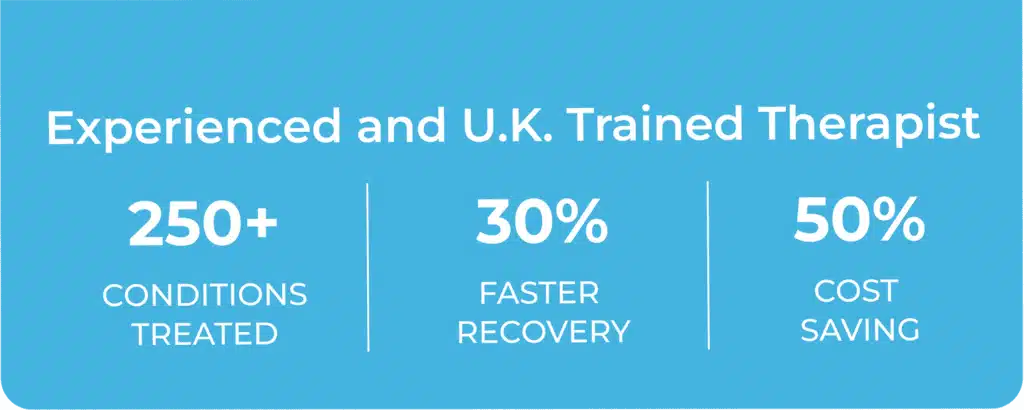
Experienced and U.K. Trained Therapist

Conditions Treated
0 +
Faster Recovery
0 %
Cost Saving
0 %

We are your doctor’s first choice and trusted by 50,000+ patients.

Get a Call in 15 Minutes