


Reviewed & Verified by
Dr. Apoorva
Surgery alone doesn’t necessarily restore your muscle strength or movement even though the hip replacement surgery replaces damaged joints. Many people reduce their daily activity before surgery due to excessive pain, which can gradually lead to muscle weakness.
Post-surgery, your muscles will eventually take some time to recover but a well-structured hip replacement rehab plan can help:
This is exactly why the hip replacement physical therapy is an important part of recovery.
It is generally advisable to do some gentle movements the day after surgery. The timeline
includes:
It’s best to follow your surgeon’s or physiotherapist recommendations before starting the
exercises.
Recovering takes time, but starting rehabilitation early can support better mobility and strength. It’s completely normal to feel stiff during the first few weeks. Some of the exercises (5-8) are best performed under proper guidance of a healthcare professional weeks after surgery.
These hip replacement exercises are commonly recommended as part of a structured rehab program under the supervision of a physiotherapist. While gentle movements can be done early, advanced exercises ahould only be performed after approval from your healthcare provider.
The following exercises are always included in the treatment plan:
After your hip replacement surgery, reduced movement can temporarily cause slow blood circulation in the leg. This might increase your risk of swelling, stiffness, and blood clots. Ankle pumps are usually one of the first exercises taught after the surgery because they are gentle, safe and easy to perform even while resting in bed. This activity improves circulation, reduce swelling, and supports calf muscle activation.
Here’s how to do it:
Do it for 10-15 repetitions daily; 2 to 3 sets; every 1-2 hours. Avoid moving quickly while doing these exercises. Always do this exercise when you have been lying down for longer periods. Consult a doctor if you experience severe pain or any discomfort.
The glute muscles tend to become weaker before your surgery due to limited movement caused by pain. It is important to rebuild these muscles because they support your walking, standing, balancing and hip stability. Glute sets are a simple early-stage strengthening exercise that you can do without moving the joints. It also helps activate your gluteal muscles and improves hip stability.
How to perform:
Do this 10 repetitions everyday; 2 to 3 sets; 3 times. Be careful not to arch your lower back
while tightening. Keep your breath normal while holding.
The quadriceps are essential muscles for climbing stairs, standing, and walking. Post surgery, these muscles may feel weak. In order to activate these muscles quad sets exercise will help us without putting on excessive stress on the hip while improving knee control.
How to do it:
Make sure you do this for 10-15 repetitions; 2-3 sets each day. Do not lift your leg while pressing your knee. Start moving slowly, steadily without much stress.
Stiffness in the hip and knee is usually common during first weeks of recovery after hip replacement surgery. Heel slides help improve hip and knee flexibility while reducing stiffness during early recovery. It is often introduced in early stages of rehabilitation to slowly bring back the range of motion, hip flexibility and joint mobility.
How to do it:
Do it for 3 times everyday; 10 repetitions; 2-3 sets. Avoid stressing too much and move slowly.
Avoid bending the knee forcefully.
This movement is introduced later in the recovery which helps strengthen the front thigh muscles and hips, which are essential for lifting the leg, walking, and standing. Since this movement requires muscle control, it is advised to perform after approval from your therapist. It predominantly focuses on hip flexors, leg control and quadriceps.
How to do it:
Do this 10 repetitions daily; 2-3 sets; 1-2 times. Do not bend your lower back while lifting.
Consult your doctor immediately if you feel any sharp pain in the hip.
The muscles on the outside of your hip play a vital role during walking. Patients usually limp due to the weakness of these muscles which can reduce balance and make walking difficulty after surgery. Standing hip abduction strengthens these muscles and supports a well balanced pattern. It helps stabilize hip abductors and reduce limping.
How to do it:
Repeat for 10-15 repetitions; 2 to 3 sets; 2 times everyday. Avoid leaning too much on the side.
Use support wherever needed.
As your recovery progresses, rebuilding the lower- body strength becomes important. Mini squats are usually introduced later which help prepare the body for day-to-day activities like sitting, climbing stairs. This exercise improves joint control while strengthening of lower body muscles. It mainly focuses on the glutes, quadriceps and improves functional movement.
How to do it:
Perform this everyday 10-15 reps; 2-3 sets. Be careful while bending your knee and keep it
aligned with the toes.
It is considered as a low-impact exercise introduced after therapist approval during the advanced stages of mobility recovery. Stationary cycling improves joint flexibility, circulation, endurance and overall lower body conditioning without stretching much on the hip. Many patients find stationary cycling helpful for gradually increasing activity tolerance.
How to perform:
Perform it 3 to 4 times weekly. Avoid high resistance workout during early stages of recovery phase. Change the seat if it feels uncomfortable. Do not rush; proceed carefully.
Recovery progress can vary from person to person. It’s best to follow a therapist’s guideline according to your surgical approach.
Week 1: During the first week after surgery, the primary goal is gentle movement, circulation, and preventing stiffness through ankle pumps, quad sets and glute sets.
Week 2-3: During this phase, rehabilitation progresses to more active exercises with a focus on improving movement and strength through exercises such as heel slides and straight leg raises to reduce swelling, begin early muscle strengthening, and increase flexibility.
Week 4-6: During the weeks 4-6, patients start feeling comfortable with basic activities. The main focus is longer walking sessions, balanced exercises, standing hip strengthening and hip abduction. It improves walking mechanics, and endurance.
6 weeks: Six weeks after the surgery, patients can move to strengthening exercises like mini squats, stationary cycling, and light resistance to improve overall functional strength and help with day-to day activities like climbing stairs, and walking to get back to normal life.
Week 8-12 (Advance Strengthening): Basically, Rehab focuses on endurance, balance and activating muscles around the hip. Exercises such as resistance bands, ankle weights and hip strengthening workouts are introduced at this phase. The goal is to improve lower-body strength and help you move
better.
3-6 Months: Full Functional Recovery: After three months of surgery, patients will get adapt to home-based rehabilitation treatment. Increase the duration of walking, performing mobility exercises several times a week which can help maintain flexibility, long term strength and support a smoother return to daily life.
Here’s what you should watch during rehab:
In case of any extreme discomfort, seeking your doctor is the top priority:
Joint pains or sharp pains could potentially indicate something serious and may need
immediate attention.
Is your shoulder pain troubling you a lot? Do you want to heal faster?
Always keep in mind that the exercise is not an option; it’s a necessity, and you have to do it consistently. If the right exercises are performed in the right way, they not only reduce the pain but also rebuild strength and restore the function completely.
Here is the proven physical therapy for a rotator cuff tear, especially if you have a significant tear.
1. Pendulum swings : Allow your arm to hang down and move slowly in small circles. This helps in relieving pressure, minimizing pain, and easing the stiffness of your shoulder.
2. Side-lying external rotation: Use a lightweight and try to rotate your arm upward while lying on your unaffected side. This helps strengthen the infraspinatus and teres minor and stabilize your shoulder.
3. Scaption (Safer Shoulder Raises): Lift your arm to 30° in front of the body’s midline with your thumb up. This results in activating the rotator cuff and reducing strain.
4. Resistance Band Pull-Apart: Use a band and hold it apart at chest level to engage your upper back and improve posture that affects the rotator cuff.
5. Doorway Chest Stretch: Stand in a doorway, keeping your arms at 90°. Now try to lean forward. This helps reduce the tightness of the chest muscles. Hence, the result is repositioning of your shoulder and decreased pinching.
6. Sleeper Stretch: To perform this exercise, you have to lie on your affected arm side and rotate it inward. This improves mobility and releases posterior capsule tightness.
With the rotator cuff pain treatment, you can recover faster. Contact Resolve360 to get safer, faster results from licensed physical therapists. We will provide you with personalized treatment plans based on your medical condition.
Surgery should never be the first line of treatment, but should be recommended in the right situation. Many people show recovery without surgery. On the other hand, in some cases, the rotator cuff doesn’t respond well to physical therapy for rotator cuff tear.
Surgery can be the best option if:
Surgery is not about healing yourself in a rush. It should be about selecting the right method to get the best long-term results.
If you think recovery happens overnight, then think again. It is important to follow the right plan that keeps you motivated and consistent to get back to your normal life.
Week 1-2: Pain Control and Protection
This is the first phase where you will focus on reducing your shoulder pain. Many of you shouldn’t know how to heal rotator cuff pain at this stage. For this, you have to use ice, perform gentle movements, and follow guided rotator cuff exercises.
Week 3-6: Restoring mobility
With the right passive and active exercises, it is possible to improve the shoulder’s mobility. It begins when the pain starts settling.
Week 6-12: Building Strength
From here, the real recovery starts. You can do targeted strengthening that helps in restoring stability and control. Most patients have noticed significant improvement in daily function.
Weeks 12+: Return to full activity.
It involves occupation and sports-targeted workouts. People often recover by 3-6 months if the exercises are done consistently.
Weeks 0–6: Protection phase
Initially, your shoulder remains in a sling while the tendon starts healing. Here, the passive movements are introduced to protect the repair.
Weeks 6–12: Active motion phase
In this time period, the sling comes off, and you can begin the active motion under the guidance of licensed physical therapists. Some patients can start their recovery gently.
Months 3–6: Strengthening phase
It includes gradual strengthening. Being a critical phase, if you push too fast, then there is a risk of re-injury. Therefore, the progression should be controlled.
Months 6–12+: Return to full function
You can start playing sports, doing heavy work, and engaging in full activity. The full recovery continues and takes up to 12-18 months.
The biggest difference starts when you start rotator cuff pain treatment immediately after noticing rotator cuff tear symptoms. This helps in recovering faster and regaining the function properly.
Bottom line: Recovery is a process—but with the right guidance and consistency, most people regain a strong, pain-free shoulder. The sooner you start, the better your outcome.
Healing your shoulder is possible by following simple and steady habits, but not overdoing it. Here are some easy tips given by experts to stay on track.
Don’t be late, start early: The earlier you start the rotator cuff pain treatment, the smoother your recovery will be. If you delay treating your problem, the injury becomes difficult to treat.
Strengthen your shoulder foundation: The shoulder blade is known to be a foundation of your shoulder functions. Strengthening the blade results in reducing pain and bringing stability.
Sleep smart: Never sleep on your affected side. Take support of a pillow under your forearm. This reduces your shoulder load and nighttime pain.
Stay constant with physical therapy: Healing occurs if you show a steady effort without pushing yourself too hard. Stick to your plan customized by your licensed physical therapist.
Rely on nutrition to support healing: Good nutrition always matters for different medical conditions. You should have proper protein intake (1.2-1.6 g/kg of body weight), collagen-supporting vitamin C, and anti-inflammatory omega – 3s.
Evade overuse of corticosteroid injections: Cortisone indeed helps in relieving pain, but it doesn’t fix your problem. Overuse can result in weakening of the tendon.
Following smart habits and following them daily heals you more quickly.
Get a free consultation with a licensed physical therapist at Resolve360 — available within 15 minutes of booking, 7 days a week, across all conditions.
Book Free Consultation at Resolve360 →The right approach is the only way to start your recovery journey. For this, you should contact a reliable physical therapist who provides you the structed rehab program in the first few weeks. The professional ensures that you are performing exercises in the right way and at the right time.
No, there are many tears, especially the partial ones that can heal without surgery. Around 80% of people recover with the right non-surgical shoulder treatment, regaining strength and experiencing reduced pain.
Full tears take time to heal, but people diagnosed with them can function well and avoid surgery. But it depends on how active you are.
During recovery time, you have to check which exercise is best for you. Exercises like heavy overhead press, behind-the-neck pulldowns, upright rows, and heavy lateral raises are strictly avoided. These cause stress on your affected part and irritate the tendon. Hence, it is advisable to stick to the plan given by the licensed physical therapist.
Of course! But you have to plan smartly. If you are active, it helps you in recovering. As long as you stop the exercises, you will feel pain and strain your muscles. You can practice lower-body movement, such as cardiovascular training, and light shoulder-friendly movements. With the guidance of your therapist, you can modify your workout routine.
Surgery is recommended only when non-surgical treatments are not effective. Usually, after 3-6 months of consistent physical therapy, if you don’t see any change, you can go for surgery. Apart from this, surgery is also recommended if there is a full-thickness tear caused by a sudden injury.
Yes, the shoulder pain can come back if you follow poor movement habits. To avoid this, you should continue right rotator cuff treatment and maintain good posture.
When you are recovering, there is a gradual improvement, such as reduced pain, especially at night, a better range of motion, and you can easily lift your arm. Daily routine, like reaching overhead and behind your back, becomes easier. These are some steady signs that show your rehab is working.
The condition of shoulder impingement occurs when tendons are compressed between the bones of the shoulder, which causes pain and inflammation. The reason behind the actual damage is a rotator cuff tear, and if it goes untreated, it will lead to other problems.
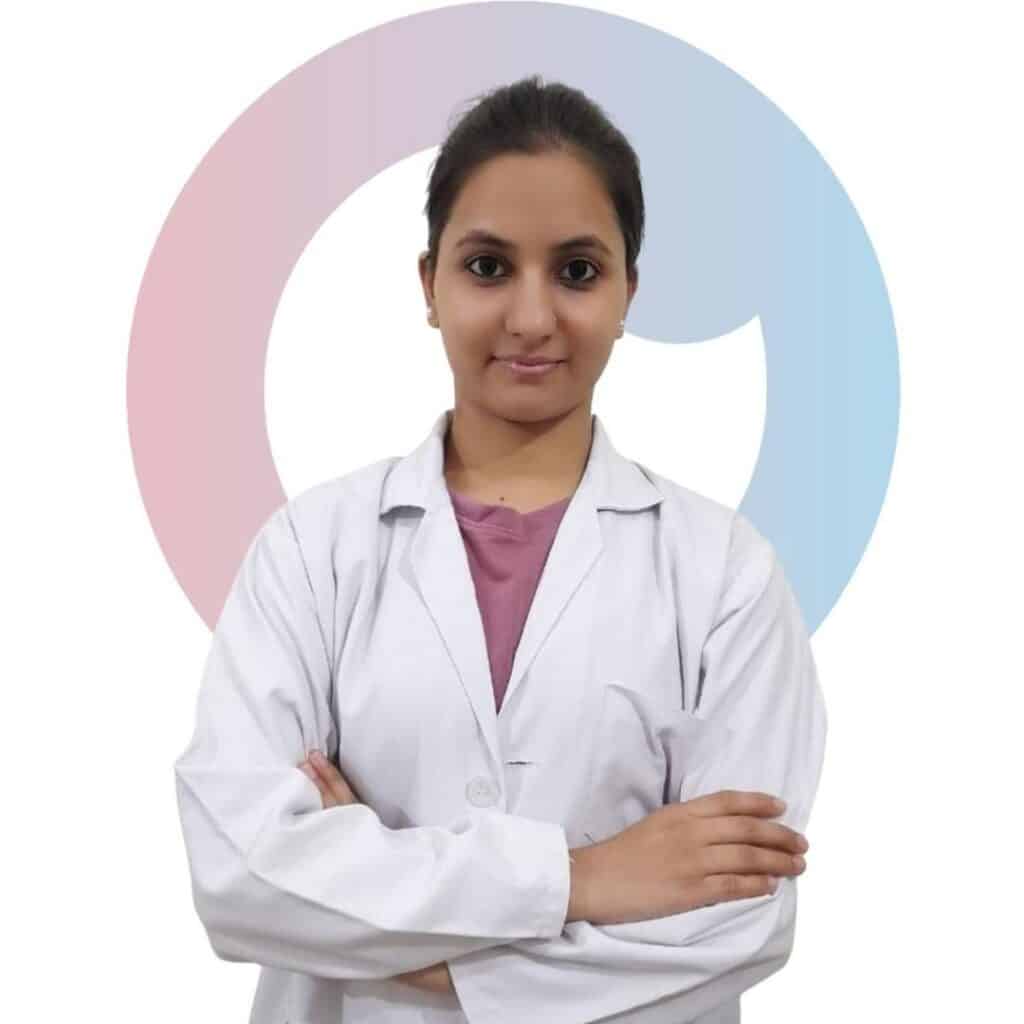
Dr. Nidhi Kumari
She has persuaded her bachelor’s from SGT University, Gurugram, she has done her internship at Dr. Ram Manohar Lohia Hospital, and persuade her Master in Physiotherapy from Chaudhary Charan Singh University, Meerut. She has previously worked with Orthocure clinic, Dr.Nasir physiotherapy rehabilitation, Quantum physiotherapy, and wellness center.
If you have more questions.
Dr. Nidhi
She has persuaded her bachelor’s from SGT University, Gurugram, she has done her internship at Dr. Ram Manohar Lohia Hospital, and persuade her Master in Physiotherapy from Chaudhary Charan Singh University, Meerut. She has previously worked with Orthocure clinic, Dr.Nasir physiotherapy rehabilitation, Quantum physiotherapy, and wellness center.
If you have more questions.
If you would like to know more about any of the health conditions, please fill up the form below and talk to Doctors on Resolve360 directly by asking a question.
We are your doctor’s first choice and trusted by 50,000+ patients.
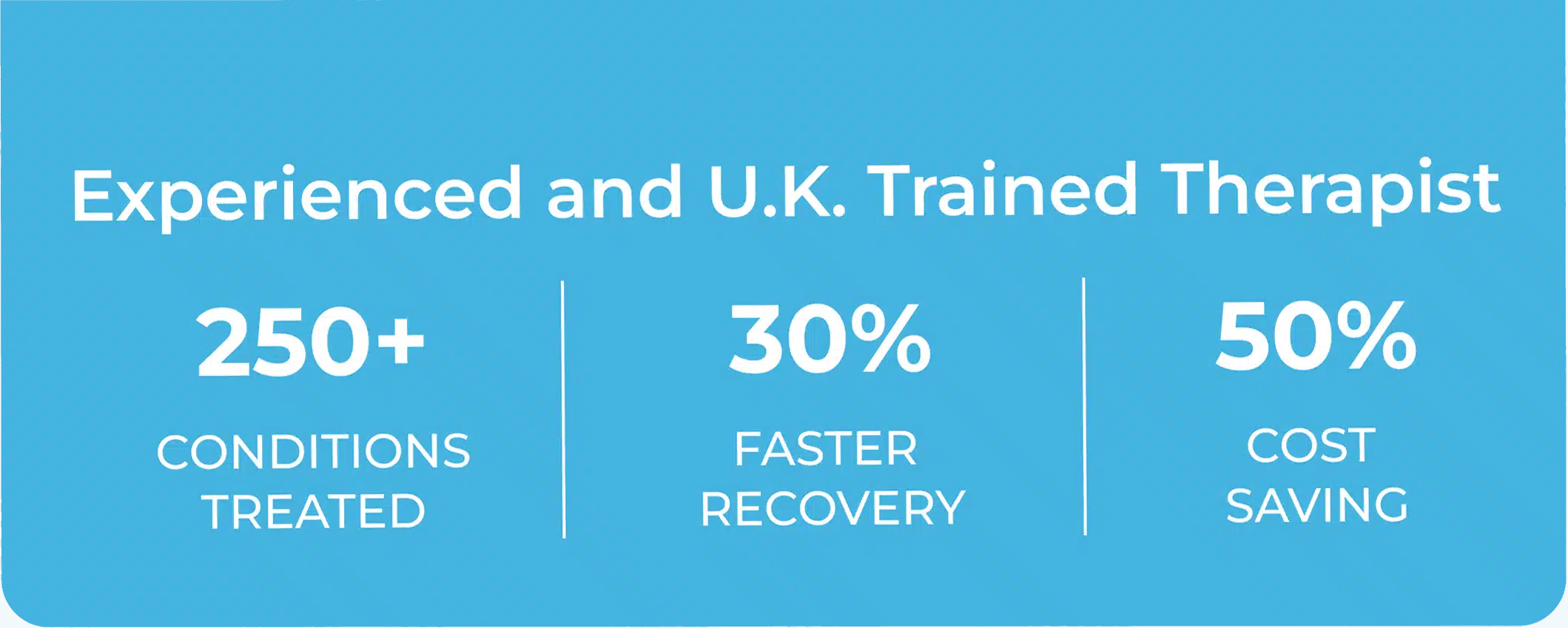

We are your doctor’s first choice and trusted by 50,000+ patients.
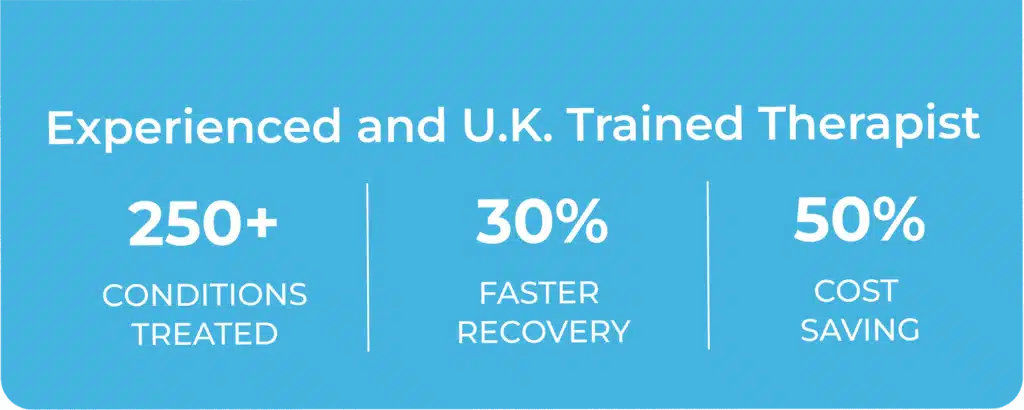
We are your doctor’s first choice and trusted by 50,000+ patients.
We are your doctor’s first choice and trusted by 50,000+ patients.
