


- Treatment
Pain Management
- Neck Pain
- Back Pain
- Shoulder Pain
- Knee Pain
- Ankle Pain
Physiotherapy
- Cervical
- Arthritis
- ACL
- Knee Pain
- Ankle Pain
Physiotherapy
- Neck Pain
- Back Pain
- Shoulder Pain
- Knee Pain
- Ankle Pain
- Physiotherapy
- Rehabilitation
Virtual physical therapy is professional physical therapy delivered through secure video calls, apps, and AI-powered tools — without leaving your home. A licensed physical therapist assesses your movement, builds a personalized treatment plan, guides you through exercises in real time, and tracks your progress digitally. It is clinically proven to achieve outcomes comparable to in-person care for most musculoskeletal conditions, and is now covered by Medicare and most major US insurance plans as of 2026.
Getting better shouldn't mean sitting in traffic, juggling childcare, or waiting weeks for a clinic slot. Virtual physical therapy changes that. Whether you're dealing with lower back pain, recovering from knee surgery, or trying to improve your balance, you can now get expert-level care from a licensed therapist — via your phone or laptop, right from your living room.
In this guide, we break down exactly how virtual physical therapy works — step by step, in plain English. We cover the technology involved, what conditions it treats, what the research says, and how it stacks up against traditional in-clinic therapy. We’ve also included a real patient case study and answers to the most common questions Americans are asking in 2026.
Virtual physical therapy (also called telehealth PT, online physical therapy, or telerehabilitation) is a licensed healthcare service where a Doctor of Physical Therapy (DPT) delivers evaluation, treatment, and recovery support through secure video technology — rather than face-to-face in a clinic. Think of it as your normal PT appointment, but conducted over a HIPAA-compliant video call.
Unlike generic fitness apps or YouTube exercise videos, virtual physical therapy involves a real, licensed therapist who watches you move, identifies the root cause of your pain or limitation, and creates a treatment plan built specifically for your body and your goals.
Digital physical therapy, a related term, sometimes refers to app-based exercise platforms that operate without real-time therapist involvement. These are not the same thing. True virtual PT — as offered through platforms like Resolve360 — keeps a licensed professional at the center of your care.
A physical therapy virtual visit follows the same clinical process as an in-clinic session — just delivered through your screen. Here’s exactly what happens:
Choose a time that fits your schedule — evenings, lunch breaks, weekends. No referral is needed in most US states. With platforms like Resolve360, you can book directly without an employer enrollment or waitlist. You’ll get a secure video link sent to your email or app.
All you need is a smartphone, tablet, or computer with a camera, a stable internet connection, and a clear area to move. Wear comfortable, fitted clothing so your therapist can see your posture and movements clearly. Good lighting facing you — not behind you — helps your therapist assess your form.
Your virtual physical therapist conducts a full clinical assessment — just like an in-clinic eval. They’ll review your health history, ask about your pain, watch how you walk, balance, and move, test your strength and range of motion, and identify the root cause of your problem. They may ask you to point to areas of tenderness or gently press on them.
Based on the evaluation, your therapist builds a customized plan delivered to your phone or patient portal. This includes guided exercise videos with detailed instructions, sets, reps, and rest periods — designed for your specific condition, fitness level, and the equipment you have at home. Soup cans substitute for dumbbells; a chair can replace gym equipment.
Follow-up physical therapy virtual visits happen weekly or bi-weekly. Your therapist watches you perform exercises in real time via video, corrects your form, answers questions, and adjusts your plan based on how you’re progressing. You get the same one-on-one attention as a clinic session — often more, since your therapist isn’t splitting focus between multiple patients.
You’ll follow your home exercise program (HEP) between live visits using your app or patient portal. Research shows that 80% of your recovery actually comes from these at-home exercises. Digital programs have a 35% higher adherence rate than paper-based plans, meaning you’re more likely to actually do them.
Your therapist monitors your progress remotely — sometimes with AI-powered tools or wearable data — and updates your plan as you improve. Between sessions, most platforms offer direct messaging so you can ask questions the moment they arise. No more waiting two weeks to say “that exercise made my knee worse.”
A virtual physical therapist is a state-licensed Doctor of Physical Therapy (DPT) — the same credentials required in a clinic. They don’t just recommend exercises. They:
Identify why you have pain or limited function — not just where.
Build treatment programs using clinical research proven to work.
Watch you exercise on video and fix your technique in real time.
Modify your program as you improve — so you always challenge yourself appropriately.
Answer questions and address concerns via secure messaging.
Collaborate with your doctor or surgeon when needed for continuity of care.
The key distinction from an app or algorithm: your therapist sees you as a whole person, not a set of symptoms. They use clinical judgment — not just data — to guide your recovery.
Modern virtual rehab programs use a combination of tools to replicate — and in some ways improve upon — the in-clinic experience:
Secure platforms (not Zoom or FaceTime) built specifically for healthcare, protecting your privacy on every call.
Your home exercise library with video demos, sets, reps, and progress logs — accessible 24/7 on your phone or tablet.
AI analyzes your movement via camera — measuring angles, tracking symmetry, and flagging compensations in real time.
Body sensors and smartwatches collect movement data between sessions to tailor your daily activity plan.
Interactive exercises and virtual reality boost motivation — especially for neuro and pediatric rehab.
Therapists remotely monitor your progress using approved systems — ensuring consistent care and tracking.
Online physical therapy isn’t just a convenient alternative — for many patients, it’s actually the superior option. Here’s why:
Skip the 45-minute drive and the hour in a waiting room. Your appointment starts when you sit down — from wherever you are.
Early mornings, lunch breaks, evenings, weekends. Book around your life — not around clinic hours.
Virtual PT is typically 30–50% more affordable at self-pay rates. Most major insurers now cover it, including Medicare (permanently, as of 2026).
In-clinic, therapists often manage 3–5 patients simultaneously. Online, your therapist’s full attention is on you for the entire session.
Rural patients, military families, people with disabilities, and frequent travelers can get consistent care without geography being a barrier.
Therapists see your actual home setup and can adapt exercises to the space and equipment you truly have — making your plan more realistic to stick to.
Digital exercise programs have 35% higher compliance rates than paper-based ones. Studies show virtual PT improves patient follow-through significantly.
Recovering in your own space — without a crowded waiting room — reduces anxiety and lets you focus on getting better.
Telehealth PT can treat a wide range of conditions across all ages. It works especially well for anything that doesn’t require hands-on manual therapy (like deep tissue massage or joint mobilization).
Good information means giving you the full picture. Telehealth PT has real limitations worth knowing:
Clinical Advice · Resolve360 PT Team
Position your device so your therapist can see your full body during all movements — prop your phone on books or a tripod. Wear fitted (not baggy) clothing. Have your resistance band, yoga mat, and a sturdy chair ready before the session starts. Test your internet connection 5 minutes early.
Clinical Advice · Licensed DPT
If the painful area is hard to show on camera (like your lower back or between shoulder blades), have someone mark the spot with a washable marker before your call. This simple trick saves time and helps your therapist assess the exact location more accurately.
Patient Adherence Strategy
Track your pain levels (0–10), which exercises felt too easy or too hard, and any new symptoms. Share this at the start of each physical therapy virtual visit. Therapists who have this data can make smarter plan adjustments and catch problems earlier.
Consumer Safety Tip
Before starting any virtual rehab program, confirm your provider is a licensed DPT (Doctor of Physical Therapy). Look for state licensure, APTA membership, and transparent credentials. Avoid platforms where “coaching” or “AI guidance” replaces a real licensed therapist — these are not physical therapy.
One of the biggest questions Americans ask about digital physical therapy is: will my insurance cover it? The answer in 2026 is largely yes:
Permanently covers telehealth PT as of 2026 — a major milestone for American seniors.
Updated PT policy in November 2025, now recognizing telehealth PT for 26M+ members.
All now cover virtual PT visits with the same billing codes used for in-person sessions.
$75–$150 per session. 30–50% less than in-clinic rates. FSA and HSA payments accepted on most platforms.
Pro tip: Always call your insurance provider before booking to confirm coverage and whether pre-authorization is required. Many platforms, including Resolve360, offer free insurance verification before your first session.
Online physical therapy is a great fit if you:
Over 80 million Americans have limited access to PT clinics. Virtual care removes geography as a barrier entirely.
Parents, shift workers, and professionals with packed schedules can fit sessions into their real lives.
Getting to a clinic is harder when movement is the very thing you're recovering. Virtual PT comes to you.
Military families, remote workers, and frequent flyers can keep their rehab consistent wherever they are.
Athletes use virtual sessions to address imbalances, prevent injury, and optimize movement — without disrupting training.
Seniors dealing with arthritis, balance issues, or post-surgery recovery benefit greatly from consistent virtual check-ins.
The field of virtual rehabilitation is evolving fast. Here’s what’s shaping PT in 2026 and coming in the years ahead:
Machine learning algorithms analyze movement via smartphone camera in real time, giving patients instant feedback on form, symmetry, and effort — between sessions, without the therapist needing to be present.
Telehealth PT is now permanently reimbursable under Medicare Part B, removing the single biggest barrier to widespread adoption among older Americans.
Smart watches and motion sensors collect continuous movement data between sessions. Therapists use this to adapt plans in near-real-time — reducing the need for check-in visits.
VR is gaining traction for neurological rehab, balance disorders, and pediatric PT — turning therapeutic exercises into immersive, gamified experiences that improve engagement and outcomes.
Machine learning tools will analyze patient data to predict recovery timelines, flag potential complications early, and suggest evidence-based protocol adjustments — making therapists faster and more precise.
Wearable haptic technology — devices that provide gentle vibrations to guide movement — is in development, offering a bridge between virtual guidance and the proprioceptive cues normally provided by hands-on therapy.
Get a free consultation with a licensed physical therapist at Resolve360 — available within 15 minutes of booking, 7 days a week, across all conditions.
Book Free Consultation at Resolve360 →Yes — for most musculoskeletal conditions. A 2025 study in Current Reviews in Musculoskeletal Medicine confirmed that virtual physical therapy guided by a licensed therapist produces pain and function outcomes comparable to in-person care. The American Physical Therapy Association (APTA) also supports telehealth PT as achieving clinical outcomes on par with clinic-based programs. For conditions requiring hands-on manual therapy, a hybrid approach may be more appropriate.
You need: (1) a smartphone, tablet, or computer with a working camera and microphone; (2) a stable internet connection; (3) a clear, well-lit space where your therapist can see your full body; (4) comfortable, fitted clothing; and (5) any simple equipment your therapist recommends — like a resistance band, yoga mat, or sturdy chair. No specialized gym equipment is required.
Yes. As of 2026, Medicare Part B permanently covers telehealth PT. Major US insurers — including BCBS, Cigna, UnitedHealthcare, Aetna, Humana, and Tricare — now cover virtual PT visits using the same billing codes as in-person sessions. Out-of-pocket costs vary by plan, so verify your specific benefits before your first session. Many platforms like Resolve360 offer free insurance verification.
In most US states, no. Physical therapists are direct-access providers — meaning you can book a physical therapy virtual visit without a physician’s referral. Some insurance plans may require a referral for reimbursement, so check your specific policy. Platforms like Resolve360 allow any US patient to book directly — no waitlist, no employer enrollment required.
Yes. Your virtual physical therapist is trained to assess movement via video — observing your posture, gait, strength, and range of motion in real time. Advanced platforms use AI-powered movement analysis to capture precise angles and motion metrics. You can help by positioning your camera at the right angle, using good lighting, and wearing fitted clothing so your movements are clear.
Self-pay rates for virtual physical therapy typically range from $75 to $150 per session — 30 to 50% less than traditional in-clinic PT rates. Many platforms offer package deals or sliding-scale fees. FSA and HSA funds are generally accepted. If you’re unsure about coverage, most reputable services offer free insurance verification upfront.
Virtual physical therapy involves live, real-time sessions with a licensed Doctor of Physical Therapy (DPT) via secure video. Digital physical therapy is a broader term that can include app-based programs with pre-recorded exercises and little to no live therapist involvement. For clinical outcomes — especially for pain, injury recovery, or post-surgical rehab — live virtual PT with a licensed therapist consistently outperforms algorithm-driven app-only platforms.
Most physical therapy virtual visits last 45 to 60 minutes for an initial evaluation and 30 to 45 minutes for follow-up sessions — the same as in-clinic appointments. Between sessions, you’ll spend 15–30 minutes on your daily home exercise program.
Yes, when provided by a licensed physical therapist through a HIPAA-compliant platform. Your therapist is trained to identify when virtual care is appropriate and when to refer you for in-person evaluation. The APTA states that patients using telehealth provided by licensed PTs and PTAs have good outcomes with little to no risk. Always verify your therapist’s licensure and your platform’s HIPAA compliance before starting.
Virtual PT may not be the best first step if you: have a suspected fracture or acute trauma needing imaging; require hands-on manual therapy (joint manipulation, dry needling, soft tissue work); are in severe acute pain that limits safe movement; have significant neurological emergencies; or lack reliable internet access. Your therapist can help determine whether virtual, in-clinic, or hybrid care is right for your situation.

Dr. Nidhi Kumari
She has persuaded her bachelor’s from SGT University, Gurugram, she has done her internship at Dr. Ram Manohar Lohia Hospital, and persuade her Master in Physiotherapy from Chaudhary Charan Singh University, Meerut. She has previously worked with Orthocure clinic, Dr.Nasir physiotherapy rehabilitation, Quantum physiotherapy, and wellness center.
If you have more questions.
Dr. Nidhi
She has persuaded her bachelor’s from SGT University, Gurugram, she has done her internship at Dr. Ram Manohar Lohia Hospital, and persuade her Master in Physiotherapy from Chaudhary Charan Singh University, Meerut. She has previously worked with Orthocure clinic, Dr.Nasir physiotherapy rehabilitation, Quantum physiotherapy, and wellness center.
If you have more questions.
If you would like to know more about any of the health conditions, please fill up the form below and talk to Doctors on Resolve360 directly by asking a question.
We are your doctor’s first choice and trusted by 50,000+ patients.
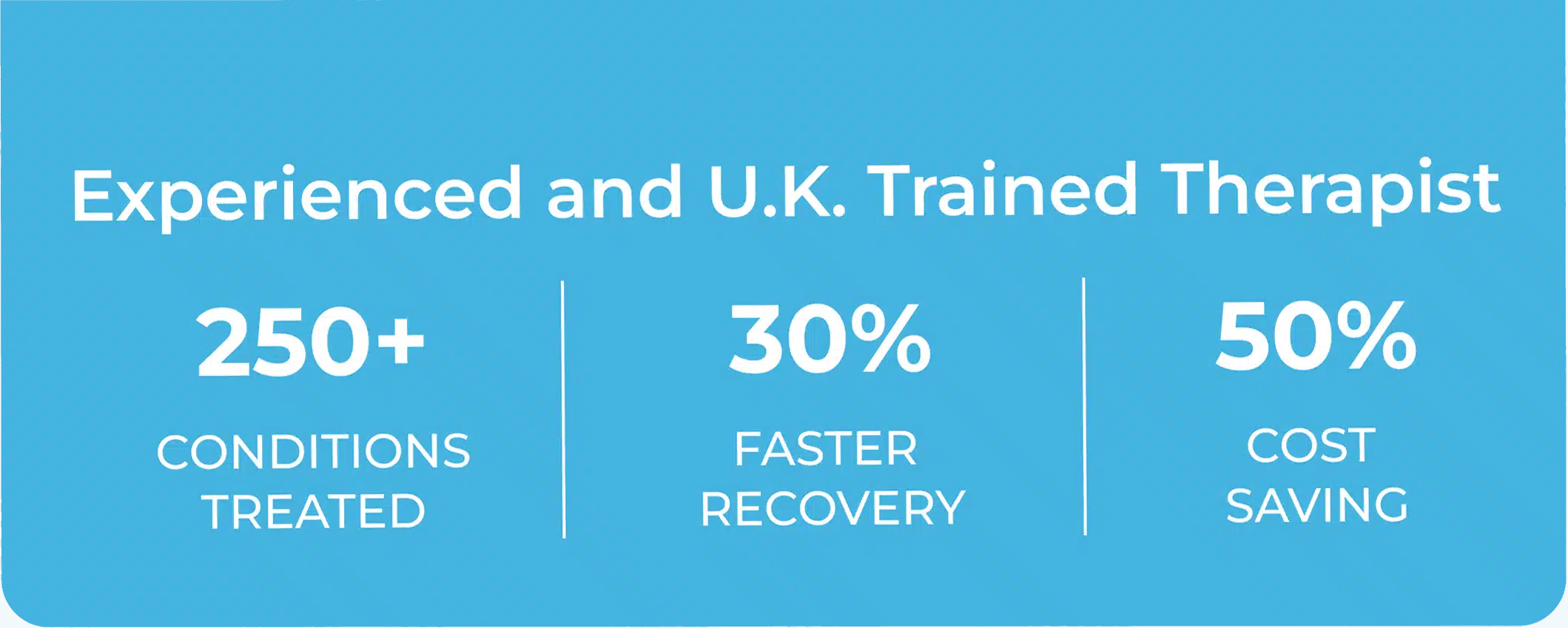

We are your doctor’s first choice and trusted by 50,000+ patients.
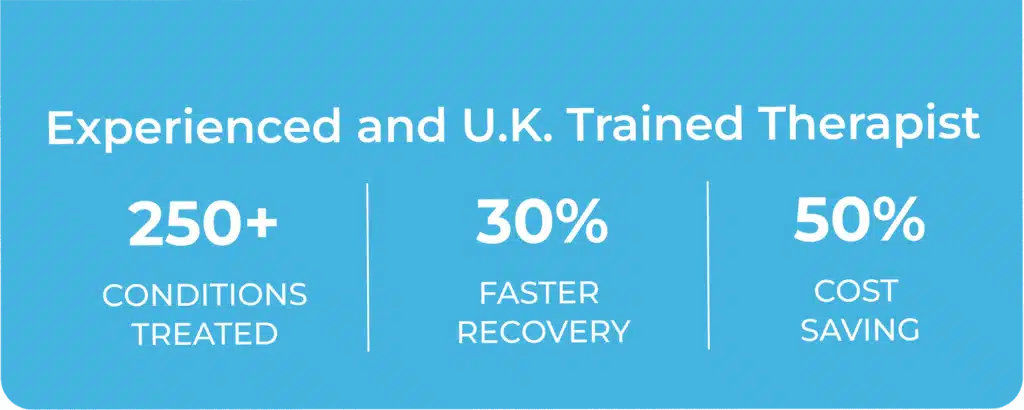
We are your doctor’s first choice and trusted by 50,000+ patients.
We are your doctor’s first choice and trusted by 50,000+ patients.


