


- Treatment
Pain Management
- Neck Pain
- Back Pain
- Shoulder Pain
- Knee Pain
- Ankle Pain
Physiotherapy
- Cervical
- Arthritis
- ACL
- Knee Pain
- Ankle Pain
Physiotherapy
- Neck Pain
- Back Pain
- Shoulder Pain
- Knee Pain
- Ankle Pain
- Physiotherapy
- Rehabilitation
Can cervical spondylosis be cured permanently? Not in the sense of fully reversing spinal changes — but with the right cervical spondylosis treatment (physiotherapy, specific exercises, posture correction, medication, and in rare cases surgery), most people become pain-free and stay that way for years. Think of it as long-term management, not a lifelong sentence. Early action makes the biggest difference.
Neck pain from long hours at a laptop. Morning stiffness that takes an hour to fade. A dull ache that shoots into your shoulders. If this sounds familiar, you may already be dealing with cervical spondylosis — and you are far from alone.
In India, cervical spondylosis has become one of the most common reasons people visit orthopaedic clinics, and it is no longer just an “old age” problem. Work-from-home culture, endless smartphone scrolling, sedentary routines, and poor desk posture are now pushing younger Indians — even those in their late 20s and 30s — into a physiotherapist’s chair.
The most frequent question doctors hear: “How to cure cervical spondylosis permanently?” This guide gives you the honest, medically accurate answer — along with everything you need to go from pain and worry to confident, lasting relief. You can also explore Resolve360, a platform built to guide Indians through exactly this kind of chronic health journey with personalised, expert-backed support
Your neck (the cervical spine) is made up of seven small bones called vertebrae, stacked one on top of the other. Between each pair of vertebrae sit intervertebral discs — soft, gel-like cushions that absorb shock and allow you to bend and turn your head freely.
Over time — and sometimes faster because of lifestyle choices — these discs lose moisture and become thinner. The bones can develop bone spurs (extra growths). Joints become stiffer. This gradual wear and tear is called cervical spine degeneration, and when it causes symptoms, doctors call it cervical spondylosis.
It is also known as cervical osteoarthritis, neck arthritis, or sometimes a slipped disc in the neck (when a disc bulges and presses on a nerve). These terms overlap but describe the same underlying process: the ageing — or premature ageing — of your neck’s moving parts.
The discs in your neck naturally start losing water content from around age 30–40. As they thin, the space between vertebrae shrinks, putting more pressure on the joints. This is the single biggest cause of cervical spine degeneration.
Forward head posture — looking down at a phone or hunching over a laptop — multiplies the effective weight on your cervical spine dramatically. At a 45-degree forward tilt, your neck bears the equivalent of nearly 22 kg instead of the normal 5–6 kg. Millions of Indians now spend 8–12 hours a day in this position.
Weak neck and shoulder muscles fail to support the spine properly. Lack of regular movement accelerates degeneration and stiffness.
Whiplash from a road accident, a sports injury, or even repeated minor shocks to the neck can damage disc structures and speed up degeneration years later.
If your parents or grandparents had severe neck arthritis early, your own discs may be structurally predisposed to faster wear.
Cervical spondylosis symptoms can range from a mild, occasional stiffness to severe nerve-related problems. Many people do not even know they have it until an X-ray or MRI reveals changes. Here are the most common signs:
If you feel difficulty walking, loss of bladder/bowel control, or sudden weakness in both arms or legs — these point to spinal cord compression (cervical myelopathy) and need urgent medical attention. Don’t wait.
This is the most important question — and it deserves a completely honest answer, not vague reassurances or false hope.
❌ MYTH
"Cervical spondylosis can be permanently cured with the right medicine or therapy."
✅ FACT
The structural changes (disc thinning, bone spurs) cannot be fully reversed. But symptoms can be controlled long-term — often completely.
❌ MYTH
"If it can't be cured, you'll be in pain forever."
✅ FACT
Most patients become pain-free with proper treatment. Many live active, symptom-free lives for decades.
❌ MYTH
"Surgery is the only real answer."
✅ FACT
Over 90% of cervical spondylosis cases are managed without surgery. Surgery is a last resort, not a first step.
❌ MYTH
"Rest is the best treatment. Avoid neck movement."
✅ FACT
Prolonged rest weakens supporting muscles. Guided exercise and movement are the foundation of recovery.
"How to cure cervical spondylosis permanently" is really asking: "How do I stop the pain and prevent it from coming back?" The answer to that question is yes — achievable, realistic, and within your reach.
Modern Cervical Spondylosis treatment is personalised — what works best depends on the severity of your condition, your age, and your lifestyle. Here’s a clear breakdown of all available approaches:
The most effective non-surgical approach. A trained physiotherapist designs exercises to strengthen neck muscles, improve posture, and reduce nerve compression. Typically 8–12 sessions with home practice.
NSAIDs (like ibuprofen or diclofenac) reduce inflammation and pain. Muscle relaxants ease spasm. Nerve pain medications (like gabapentin) help when nerve compression causes tingling or burning. Always under doctor supervision.
Cervical epidural or facet joint injections deliver anti-inflammatory medication directly to the problem area. Provides months of relief and is often a bridge to physiotherapy.
Mechanical or manual traction gently stretches the cervical spine, reducing disc pressure and nerve compression. Commonly used by physiotherapists in clinics.
Transcutaneous electrical nerve stimulation (TENS) and ultrasound therapy reduce pain and muscle spasm. Often part of an in-clinic physiotherapy for cervical spondylosis programme.
For severe nerve or spinal cord compression unresponsive to 6+ months of conservative care. Options include ACDF (disc replacement and fusion) or laminectomy. Outcomes are generally good when done at the right time.
For most Indians with mild to moderate cervical spondylosis, the optimal path is: physiotherapy + posture correction + targeted exercises + lifestyle changes. Medications handle acute flare-ups. Surgery is reserved for the small minority with severe neurological involvement.
An accurate diagnosis — ideally with X-ray and MRI, plus a clinical examination — is essential before starting any spondylosis treatment plan. Resolve360 can help you connect with the right specialists and track your progress consistently.
Ayurveda views cervical spondylosis through the lens of Sandhigata Vata — an imbalance of Vata dosha that depletes the fluid cushioning in spinal joints. Several traditional therapies show genuine benefit when combined with modern physiotherapy:
Warm medicated oil is held in a dough dam placed on the neck for 20–30 minutes. It deeply penetrates the cervical joints, reduces inflammation, and nourishes degenerated tissues. A particularly popular and well-tolerated treatment at Ayurvedic centres across India.
Mahanarayan oil or Dhanwantaram oil massage of the neck and shoulders improves blood circulation, reduces muscle stiffness, and calms Vata aggravation. Even simple self-massage with warm sesame oil at home provides meaningful relief.
Specially Swedana (heat therapy / steam treatment) and Nasya (nasal oil administration) can reduce cervical stiffness and support nerve function. Panchakarma should be done under supervision of a qualified Ayurvedic physician, not at a random spa.
Foods that reduce inflammation and support bone health: turmeric with warm milk (natural COX-2 inhibitor), garlic, omega-3 rich foods (flaxseeds, walnuts, fatty fish), calcium-rich foods (ragi, sesame seeds, dairy), and vitamin D (sunlight exposure + mushrooms).
Exercise is arguably the most powerful long-term treatment for cervical spondylosis — more effective than medications alone. These exercises strengthen the muscles that support your cervical spine, improve posture, and take pressure off compressed nerves. Start slowly; stop if you feel sudden sharp pain.
Important:
Always consult your doctor or physiotherapist before starting these exercises, especially if you have nerve symptoms (tingling, numbness, weakness). The following are general guidelines — your specific programme may differ.
Sit or stand tall. Gently pull your chin straight back (creating a mild "double chin"), hold 5 seconds, relax. Repeat 10 times. This is the single most effective exercise for correcting forward head posture and reducing cervical nerve tension. Do it 3–4 times per day.
Slowly turn your head to the right as far as comfortable, hold 5 seconds. Return to centre. Repeat to the left. Do 5 repetitions each side. No forcing, no cracking. If you feel dizziness, stop immediately.
Tilt your right ear toward your right shoulder until you feel a gentle stretch on the left side of your neck. Hold 20–30 seconds. Repeat on the other side. This stretches tight neck muscles caused by poor posture.
Sit upright. Pull your shoulder blades back and down as if trying to hold a pencil between them. Hold 5 seconds, release. Repeat 10 times. Helps correct rounded shoulders and reduces cervical spine pressure.
Place your palm on your forehead and gently press your head into your hand without movement. Hold 5 seconds. Repeat on sides and back. Strengthens deep neck muscles that support the spine.
Bhujangasana (cobra pose), Marjaryasana (cat–cow), Tadasana (mountain pose), and Balasana (child’s pose) are generally safe. Avoid headstands and positions that strain the neck. Done correctly, yoga reduces stiffness and improves strength over time.
Heat therapy: A warm towel or heating pad on the neck for 15–20 minutes loosens stiff muscles and improves blood flow. Best done before exercises. Cold pack: An ice pack wrapped in a cloth for 10–15 minutes reduces acute inflammation during a flare-up. Warm sesame oil massage: Self-massage before bed calms muscle spasm and improves sleep quality significantly.
Work-from-home in India has created a silent epidemic of neck problems. Kitchen tables, sofas, and beds are no substitute for a proper workstation — and your cervical spine pays the price. Here’s how to protect it:
📄 PATIENT CASE STUDY
Presentation: Priya came in with a 14-month history of neck pain radiating into her right arm, with tingling in her index and middle fingers. Her MRI showed C5–C6 disc bulge with mild foraminal narrowing. She had been working from home for three years on a kitchen table with her laptop on a low surface.
Treatment plan: Priya was started on a structured 10-week physiotherapy for cervical spondylosis programme — three sessions per week initially, then twice weekly. Her workstation was completely redesigned with a laptop stand, external keyboard, and ergonomic chair. She performed daily chin tucks, isometric exercises, and shoulder blade squeezes at home. A short course of an NSAID managed the acute inflammation in the first two weeks.
Outcome: By week 6, arm tingling had reduced by 70%. By week 10, Priya was pain-free with only occasional mild stiffness after long work sessions. At a 12-month follow-up, she remained symptom-free and had not required any medications. She now uses a Resolve360-style health tracking approach to stay consistent with her daily neck exercises and monitor posture habits.
Note: This is a representative case illustrating the typical recovery trajectory. Individual outcomes vary. Details are anonymised for privacy.
Most people with cervical spondylosis can start with self-care and physiotherapy. However, certain symptoms mean you need medical evaluation urgently — do not self-treat these:
A spine specialist, orthopaedic surgeon, or neurologist can assess whether imaging (MRI/CT) and advanced spondylosis treatments are needed. In India, government hospitals like AIIMS, PGI, and major private chains like Apollo, Fortis, and Manipal have dedicated spine units with experienced teams.
This is where most patients go wrong — they get relief, then stop. Cervical spondylosis is a lifelong condition that needs consistent, moderate attention. Think of it like diabetes or hypertension: managed, not cured. Here’s a realistic phase-by-phase roadmap:
See a doctor. Get appropriate imaging. Understand your specific disc levels involved and whether there is nerve compression. Start anti-inflammatory medication if prescribed.
Work with a qualified physiotherapist. Combine in-clinic sessions (TENS, traction, manual therapy) with home exercises (chin tucks, isometrics, stretches daily). Make workstation changes now — not later.
Reduce clinic visits but maintain daily home exercise programme. Track symptoms. Begin a strength training routine that includes neck and upper back strengthening — even basic bodyweight exercises count.
Daily neck exercises (10–15 minutes), regular movement breaks, ideal sleeping position, cervical pillow, anti-inflammatory diet. Annual check-in with your physiotherapist. Stay active — swimming, yoga, and walking are excellent for long-term cervical spine health.
Staying consistent is the hardest part. Resolve360 is designed to support Indians managing chronic conditions like cervical spondylosis — with personalised health plans, expert guidance, and progress tracking built in. Visit resolve360.app to learn more.
Get a free consultation with a licensed physical therapist at Resolve360 — available within 15 minutes of booking, 7 days a week, across all conditions.
Book Free Consultation at Resolve360 →
Dr. Nidhi Kumari
She has persuaded her bachelor’s from SGT University, Gurugram, she has done her internship at Dr. Ram Manohar Lohia Hospital, and persuade her Master in Physiotherapy from Chaudhary Charan Singh University, Meerut. She has previously worked with Orthocure clinic, Dr.Nasir physiotherapy rehabilitation, Quantum physiotherapy, and wellness center.
If you have more questions.
Dr. Nidhi
She has persuaded her bachelor’s from SGT University, Gurugram, she has done her internship at Dr. Ram Manohar Lohia Hospital, and persuade her Master in Physiotherapy from Chaudhary Charan Singh University, Meerut. She has previously worked with Orthocure clinic, Dr.Nasir physiotherapy rehabilitation, Quantum physiotherapy, and wellness center.
If you have more questions.
If you would like to know more about any of the health conditions, please fill up the form below and talk to Doctors on Resolve360 directly by asking a question.
We are your doctor’s first choice and trusted by 50,000+ patients.
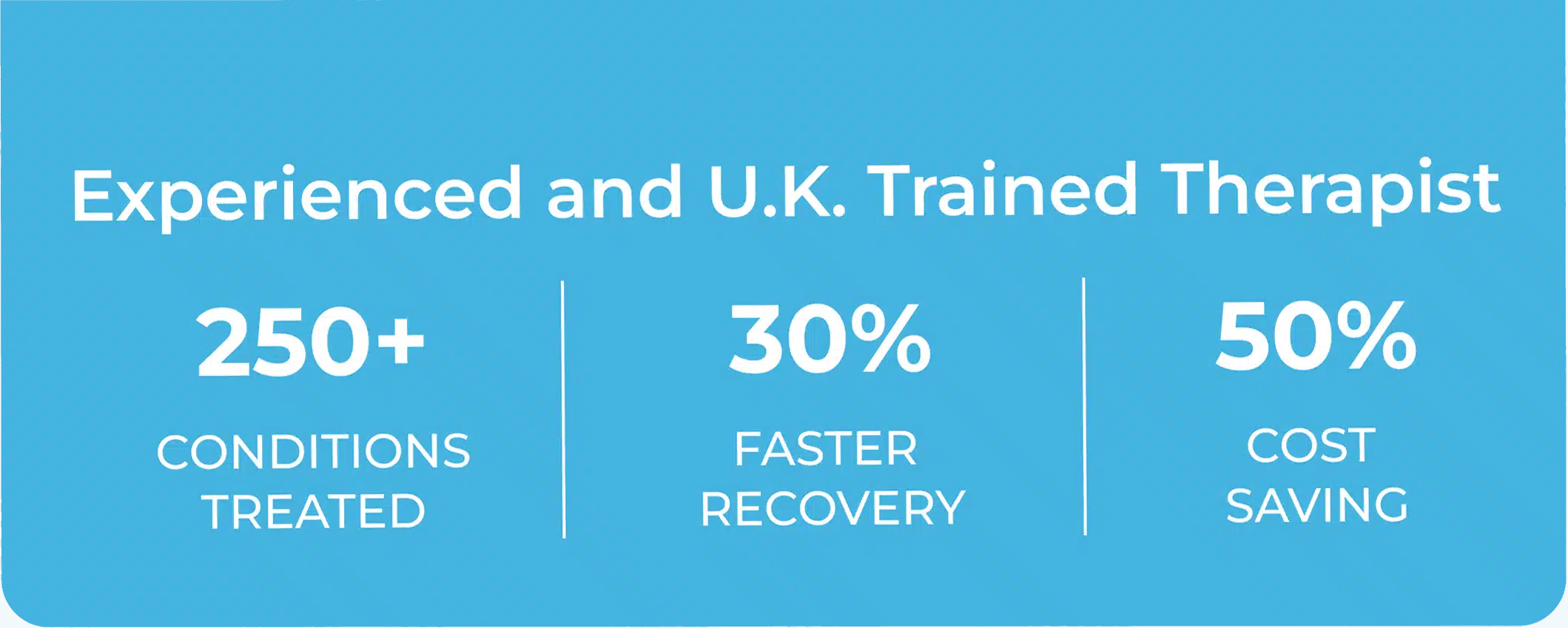

We are your doctor’s first choice and trusted by 50,000+ patients.
We are your doctor’s first choice and trusted by 50,000+ patients.
We are your doctor’s first choice and trusted by 50,000+ patients.


