



Reviewed & Verified by
Dr. Apoorva
Have you ever woken up and struggled so much to lift your arm to do something?
The reason is shoulder pain, which is becoming a common reason globally. It is affecting people of all age groups and lifestyles. The corporate people who are working for prolonged hours, homemakers who are managing the household activities, fitness enthusiasts facing gym-related strain, and older adults with frozen shoulders.
Among all, there is a reliable solution in the form of shoulder pain physiotherapy. It primarily focuses on treating the main problem rather than just looking into superficial things. With the targeted exercises, posture correction, manual therapy, muscle strengthening, and mobility training, it is possible to treat your pain.
At Resolve360, we highly believe in providing lasting recovery. Our licensed physiotherapists guide you throughout your journey to restore movement and improve strength. Start your healing now and experience professional online physiotherapy for shoulder pain for a fast recovery.
The shoulder is present as the most flexible joint in the human body. You can easily loft, rotate, pull, push, and perform various regular movements with ease. But this high level of mobility can increase the risk of strain, inflammation, and instability. Hence, the muscles, tendons, joint structures, and ligaments become damaged.
It is important to find the root cause to choose the right neck and shoulder pain treatment and prevent pain. Some of the causes are:
It is very common in adults over 40 years with diabetes shoulder pain, and also found in those who keep their shoulders immobile for a prolonged time. Hence, it results in severe stiffness and restricted movement.
This is a result of repetitive overhead movements, lifting heavy objects, gym workouts, or sports activities.
Sometimes the tendon in the shoulder joint gets compressed during arm movement, resulting in pain while lifting the arm.
If you have neck pain, it can radiate to the shoulder, and is found especially in IT professionals and desk workers.
It’s an inflammation that is caused by repetitive strain, overuse, or a swift increase in physical activity.
If you are sitting for long hours, improper work-from-home setup, or slouch while working, it causes continuous stress on the shoulder and upper back muscles.
It is present as an inflammation of fluid-filled sacs responsible for cushioning the shoulder joint. It results in swelling, tenderness, and discomfort.
This is one of the reasons that results in shoulder pain. If you are sleeping on the same shoulder, it may cause prolonged pressure on joints.
Nowadays, a modern lifestyle is a major contributor to shoulder pain. It may be caused by sudden injury or can be a result of continuous strain on the shoulder muscles.
Your lifestyle habits, work routines, underlying medical conditions, and physical activities are the prime causes of shoulder pain. The following groups are generally known to be at higher risk of developing shoulder pain.
Hence, it is important to understand the first signs of pain and opt for frozen shoulder physiotherapy that provides you with long-term results.
Physiotherapy for shoulder pain largely focuses on targeting the root cause rather than masking the symptoms to bring relief. No matter what the reason is behind the pain, the rehab aims to restore shoulder movement, minimize inflammation, improve overall function, and strengthen weak muscles.
All patients have different shoulder conditions. Therefore, a physiotherapist first does a detailed evaluation before designing a personalized treatment plan.
The experts carefully assess your shoulder movement, muscle strength, posture, flexibility, joint stability, and pain patterns. Apart from this, they will also evaluate your neck, upper back, and daily movement habits to find out the contributing factors.
The main goal in the initial stage is to decrease pain, muscle tightness, and inflammation. Physiotherapists rely on techniques such as:
All these treatments are useful for improving blood circulation, relaxing muscles, reducing stiffness, and offering quicker pain relief.
Once the pain starts diminishing, the therapists pay attention to improving shoulder flexibility. You can do gentle stretching exercises, controlled joint mobilisation and mobility drills.
Shoulder pain can occur due to weak shoulder and upper back muscles. In this condition, physical therapy for shoulder pain includes targeted exercises for the rotator cuff muscles, scapular stabilisers, upper back muscles, and shoulder support muscles.
Frozen shoulder physiotherapy is ideal for reducing pain and re-skilling the shoulders so that they function properly. The licensed physiotherapist gives you safer movement patterns to do activities like lifting, reaching overhead, or working on computers.
Till now, it is pretty clear that poor posture is amongst the leading causes of shoulder pain. Physiotherapists offer guidance on:
By adapting these changes, it is possible to avoid recurring shoulder pain.
According to the clinical studies, well-planned physiotherapy programs are effective in reducing shoulder pain and restoring function. Many patients recover without undergoing surgery or long-term medications when they do physiotherapy for shoulder pain. Early rehab prevents chronic damage, muscle weakness, and enduring joint damage.
Home physiotherapy for shoulder pain is a combination of advanced hands-on treatments, pain-relieving practices, and movement therapy. The right approach is designed based on the severity of pain, underlying condition, muscle weakness, movement restriction, and lifestyle factors.
Below are some of the effective physiotherapy techniques, which are ideal for shoulder stiffness treatment.
It is a specialized method where a physiotherapist give you exercises to move and mobilise the shoulder joint gently. With these controlled movements, you can restore the natural gliding motion, release the stress of tight tissues, and break down adhesions. The technique is ideal for:
When the joint mobilisation is achieved, it recovers blood circulation, lessens pain, and aids patients in regaining smoother shoulder movement over time.
Therapeutic ultrasound is an extensively used shoulder pain physiotherapy technique that works on sound waves to generate deep heat within muscles, tendons, and soft tissues. This method is best for reducing inflammation, improving tissue healing, and relieving pain in the affected shoulder structures.
Ultrasound therapy is normally suggested for:
Stretching and strengthening exercises, when combined, can help hasten recovery and improve shoulder mobility.
TENS (Transcutaneous Electrical Nerve Stimulation) and Interferential Therapy (IFT) are categorized under electrotherapy techniques. They are meant to reduce pain and muscle spasm. Both of them work by delivering mild electrical impulses to stimulate nerves, block pain signals, and relax tight muscles around the shoulder.
These are helpful during the early stages of recovery when you have:
You get temporary relief from electrotherapy, and patients can do their daily activities comfortably.
Most of the time, chronic shoulder pain gets confused with tight muscle knots known as trigger points. In such a situation, dry needling is present as a specialised physiotherapy technique. This method includes the use of very fine needles that are inserted into tight muscle bands to release tension, improve blood flow, and reduce pain.
This treatment may help patients who are experiencing:
Talking about the trigger point release technique, it is useful in improving muscle relaxation and restoring smoother shoulder movement.
This method includes the application of flexible therapeutic tape over the shoulder muscles and joints. It is done to offer required support without limiting movement. These tapes help decrease muscle stress, improve posture, enhance circulation, and support injured tissues during movement.
Kinesiology taping is generally used for:
You can see many athletes, fitness enthusiasts, and active individuals use kinesiology taping.
Online physiotherapy for shoulder pain is highly recommended for patients seeking solutions to restore movement, improve flexibility, and minimize shoulder pain. For the safest recovery, it is essential to begin the exercises slowly and avoid sudden movements. Hence, it is important to perform them under the supervision of licensed physiotherapists sitting at your home.
The following are the best exercises:
The pendulum stretch is the initial exercise that is recommended for shoulder pain. It is mild, simple, low-impact, and ideal for those experiencing stiffness, limited movement, or inflammation. It easily relaxes the shoulder joint and improves blood circulation while reducing stress.
It’s a simple stretching exercise that is considered effective for releasing tightness in the back of the shoulder. This is used mostly by people who use their phones or work on computers for long hours.
It is present as a gentle mobility exercise planned properly for you to improve the shoulder range of motion. People who are recovering from frozen shoulders, prolonged stiffness, and surgery often benefit from this exercise. With consistency, you can restore confidence and flexibility to perform daily activities.
Being a strengthening exercise, it primarily focuses on the rotator cuff muscles that support the shoulders. If these muscles become weak, people start experiencing shoulder pain, sports-related injuries, and instability. On the other hand, when you combine it with a resistance band, it improves shoulder strength, muscle control, and long-term recovery.
It is present as a posture-correction exercise trusted by patients to strengthen the muscles between the shoulder blades. Those who are doing desk jobs, neck tightness, rounded shoulders, or setups that cause work from home shoulder pain should do this exercise to reduce strain.
With proper guidance and regular practice of physiotherapy for shoulder pain, patients can regain their strength, minimize the stiffness, and get back to the comfort of doing their regular activities.
Shoulder pain is hampering the lives of people globally. To treat this pain, they are seeking different options like surgery, medications, or physiotherapy. Among all, many people get treated effectively with regular physiotherapy treatment. The reason is that it offers expert guidance and personalized care, as you can get in a clinic.
Resolve360 is a trusted platform where you connect with certified physiotherapists via video sessions. They give you a customized recovery plan, guided exercises, and ongoing support to speed up the recovery.
You don’t have to visit a clinic when dealing with shoulder pain and stiffness. With shoulder strengthening exercises, you can perform them while sitting at home.
Long working hours, traffic, and mobility issues are usually a hindrance to getting regular treatment. Rotator cuff rehabilitation not only saves time but also makes you consistent in performing these exercises.
Every patient has a different shoulder problem. Your physiotherapist designs a customized treatment plan based on your pain level, movement limitation, posture, and daily lifestyle needs.
Steady guidance plays a vast role in rotator cuff rehabilitation. Online follow-ups help track progress, correct exercise technique, and keep your recovery on the right path.
With frozen shoulder physiotherapy, you don’t have to remain limited to clinics. You directly connect with the qualified shoulder physiotherapists who guide you throughout the recovery journey.
Home physiotherapy is a cost-effective method compared to clinic visits. The factors that make online physiotherapy best are travel expenses, fuel costs, and time away from work.
Most patients with shoulder pain prefer to do exercises at home. This helps improve consistency and confidence and offers long-term results.
Physiotherapy for shoulder pain removes the barrier that makes people stop taking timely treatment. So, instead of delaying treatment, you can begin your recovery with regular exercise.
If you think that shoulder pain is just about sitting and waiting for it to disappear, then you are making a big mistake. Many times, people make mistakes unknowingly that increase inflammation, weak shoulder muscles, and slow down the healing process.
Here are some of the common mistakes
Taking short breaks is advisable as you may reduce irritation. On the other hand, excessive rest can weaken the muscles that support your shoulder joint. If there is a lack of movement, it causes stiffness, less mobility, and slower healing.
Poor posture is a prime reason for persistent shoulder pain. It happens when you spend long hours hunching over a laptop, and there is constant strain on the rotator cuff muscles. Over time, this stress results in worsening pain, shoulder impingement symptoms, and tightness.
Never sleep directly on the affected shoulder as it causes pressure on inflamed muscles, tendons, and nerves. This, in turn, results in increased pain and stiffness in the morning. Instead, you can sleep on your back or the opposite side while using a proper pillow.
Different shoulder conditions need different treatment approaches. Watching online videos without diagnosis can worsen frozen shoulder or rotator cuff injuries.
It is reported that many people discontinue physiotherapy when they feel that their pain decreases. Pain relief doesn’t mean that you have really recovered. You may still have poor mobility, weak muscles, and joint instability.
Painkillers and anti-inflammatory medicines can only relieve the pain temporarily without treating the root cause of shoulder pain. If you have problems like poor posture, tendon irritation, muscle weakness, or joint stiffness, you need rotator cuff rehabilitation.
The common reason behind the recurrence of shoulder injuries is trying to lift heavy weights and returning to gym workouts too soon. This can cause re-injuring healing tissues and affect healing time.
The secret to faster recovery from shoulder pain is consistency. If you start early physiotherapy for shoulder pain and follow a structured recovery plan, then you can heal safely.
Many people have a common question in their mind – ‘How long will my shoulder pain take to heal completely?’
The time duration usually varies according to shoulder pain, its severity, your activities, and how early you can start treatment. Some cases may improve within a few weeks, while others may take several months to fully recover.
With the right physiotherapy, you can speed up healing, minimize stiffness, and prevent future damage.
| Shoulder Condition | Mild Cases | Moderate Cases | Severe or Chronic Cases |
|---|---|---|---|
| Shoulder Impingement | 3–4 weeks | 6–8 weeks | 10–16 weeks |
| Frozen Shoulder | 3–6 months | 6–12 months | 12–18 months |
| Rotator Cuff Injury or Tear | 6–8 weeks | 3–6 months | 6–12 months+ |
| Shoulder Tendinitis | 2–3 weeks | 4–6 weeks | 8–12 weeks |
| Postural Shoulder Pain | 2–4 weeks | 4–8 weeks | 8–12 weeks |
Many people ignore their shoulder pain in the early stage, hoping it will disappear soon. Unfortunately, due to the delay in treatment, the conditions become worse, and the muscles get weak. Shoulder recovery happens in different stages. Some days you feel that pain is gone, and other days there is soreness.
Recovering from shoulder pain is halfway; the journey is considered complete if you prevent it from coming back. From daily habits to repetitive movements, all cause continuous strain on the shoulder joint. These practical tips are meant for people with common Indian lifestyles.
If you spend long hours sitting on laptops and phones, you surely get neck and shoulder pain. Here are some tips to follow.
Homemakers usually do the same thing every day that involves repetitive shoulder movements. This triggers inflammation and pain.
Older people and patients with diabetes are commonly diagnosed with shoulder stiffness and frozen shoulder.
Many shoulder injuries happen due to poor posture, weak muscles, or lifting heavy weights.
In our daily activities, our shoulders are completely involved. With small lifestyle changes, keeping better posture, consistent stretching, and early physiotherapy care can help in the shoulder pain recovery journey. All of them can keep your shoulders strong, flexible, and pain-free.
Get a free consultation with a licensed physical therapist at Resolve360 — available within 15 minutes of booking, 7 days a week, across all conditions.
Book Free Consultation at Resolve360 →The number of physiotherapy sessions is decided by licensed physiotherapists depending on the severity of the condition, the time till pain persists, and the underlying cause. If you have mild shoulder pain, it often improves within 4–6 sessions. In moderate cases, the time duration can be 6–10 sessions for noticeable recovery. In severe conditions, you may need 15-25 sessions that can last several months.
The physiotherapists generally recommend exercises like pendulum swings, wall crawls, cross-body stretches, scapular retractions, and resistance band rotations. All of them help improve mobility, decrease stiffness, and support the muscles around the shoulder joint. You can connect with physiotherapists for different conditions like frozen shoulder, shoulder impingement, and rotator cuff injuries. They will give you a personalized exercise program that is always safer and more effective.
Yes, physiotherapy is highly effective as a non-surgical treatment for frozen shoulders. You can do it by gently stretching the tight joint capsule and restoring shoulder movement. With consistent physiotherapy, most patients recover successfully, although healing may take several months. If you start physiotherapy early, then you can get better outcomes.
Undeniably. Online physiotherapy is highly recommended for posture-related neck pain, shoulder stiffness, muscle strain, and overuse injuries. For perfect guidance, you can connect with physiotherapists through video consultations. They will assess your posture, movement patterns, flexibility, and pain triggers to design your treatment plans.
Yes, home physiotherapy for shoulder pain shows the results you are looking for when done under professional guidance. With the help of a physiotherapist, you can have a structured home exercise programme and monitor your progress. Always remember that you have to be consistent with the exercises. It is enough if you do even 15–20 minutes of daily guided exercises.
Yes. Those who have diabetes are at higher risk of developing frozen shoulder and shoulder stiffness. It happens when high blood sugar levels make connective tissues around the shoulder joint thick and tight. Hence, it restricts your shoulder movement over time.
Talking about the shoulder pain, you feel it directly around the shoulder joint, and it becomes worse when lifting the arm or reaching overhead. On the other hand, neck-related pain radiates from the neck into the shoulder, arm, or even fingers. You can experience tingling or numbness. A physiotherapist can recognize the real source of the pain through a detailed assessment and design a treatment plan to target the pain.

Dr. Nidhi Kumari
She has persuaded her bachelor’s from SGT University, Gurugram, she has done her internship at Dr. Ram Manohar Lohia Hospital, and persuade her Master in Physiotherapy from Chaudhary Charan Singh University, Meerut. She has previously worked with Orthocure clinic, Dr.Nasir physiotherapy rehabilitation, Quantum physiotherapy, and wellness center.
If you have more questions.
Dr. Nidhi
She has persuaded her bachelor’s from SGT University, Gurugram, she has done her internship at Dr. Ram Manohar Lohia Hospital, and persuade her Master in Physiotherapy from Chaudhary Charan Singh University, Meerut. She has previously worked with Orthocure clinic, Dr.Nasir physiotherapy rehabilitation, Quantum physiotherapy, and wellness center.
If you have more questions.
If you would like to know more about any of the health conditions, please fill up the form below and talk to Doctors on Resolve360 directly by asking a question.
We are your doctor’s first choice and trusted by 50,000+ patients.
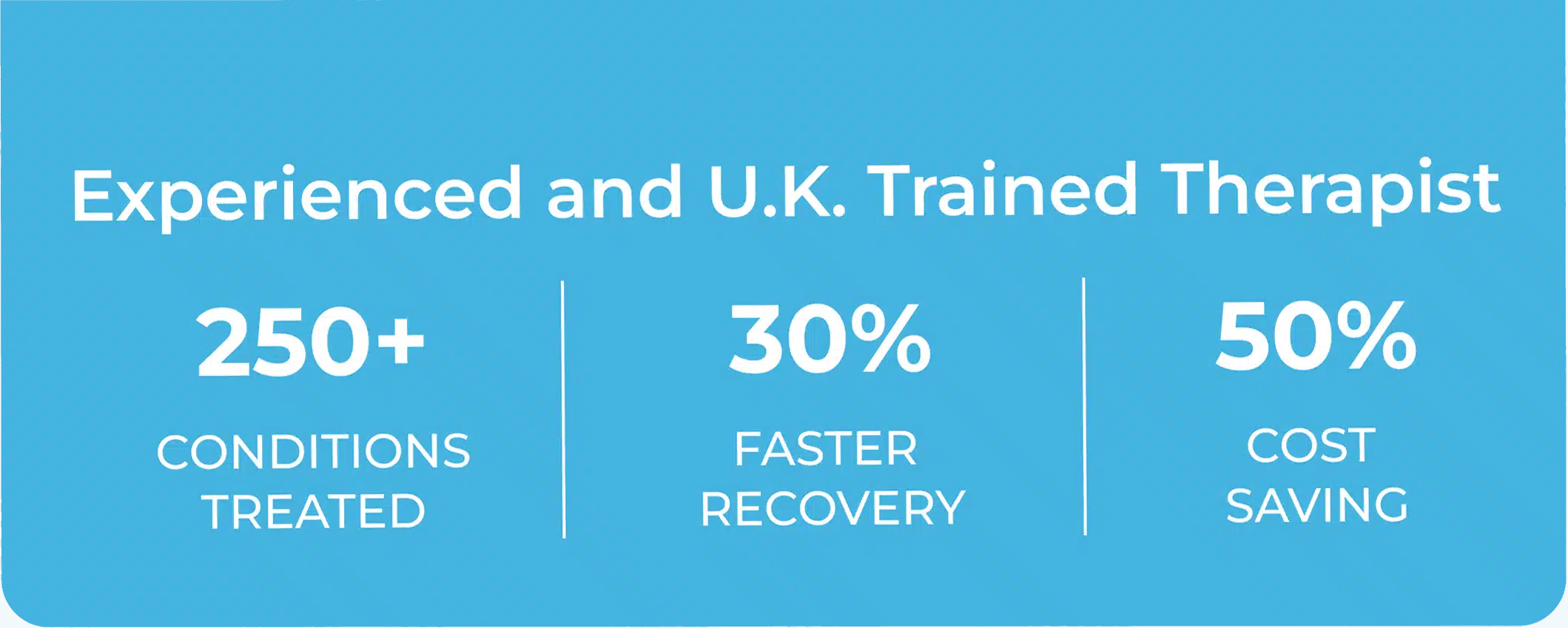

We are your doctor’s first choice and trusted by 50,000+ patients.
We are your doctor’s first choice and trusted by 50,000+ patients.
We are your doctor’s first choice and trusted by 50,000+ patients.


