


Reviewed & Verified by
Dr. Apoorva
The spine is made up of 33 vertebrae each separated by flexible, gel-filled discs that act as shock absorbers during movement. Each disc has a tougher outer layer and a softer center that helps absorb force during movement.
Each disc has:
• A stronger outer layer
• A softer gel-like center
A herniated disc usually happens when the outer layer weakens or tears, which allows part of the inner material to push outward. If the disc compresses against a nearby nerve, it can cause pain, numbness, tingling, or weakness.
The lower back is the area most commonly affected which gets affected, particularly the L4- L5 and L5-S1 levels, cervical spine affects the neck region and the thoracic spine are usually less common. People tend to confuse a herniated disc with a bulging disc often.
A bulging disc extends outward but remains intact, while a herniated disc involves an actual tear in the outer layer. Many patients ask, can physical therapy fix a bulging disc?. Therapy may not completely reverse the disc, it can reduce symptoms, improve movement, and help people return to normal life without pain.
Herniated disc injuries develop from repetitive stress over and over rather than from a single movement.
Other causes such as smoking, poor sleep, persistent stress, and lack of physical activity may also affect recovery because spinal discs depend largely on circulation, hydration, and tissue health.
Symptoms may vary depending on the severity of the disc injury and where it is located.
The common signs are:
If the symptoms are severe, it is essential to reach out to your healthcare professional before beginning physical therapy for herniated disc recovery.
Also Read: Physiotherapy for Disc Bulge in Usa
Yes. Research shows that non-surgical treatment, especially herniated disc physical therapy can be highly effective for reducing pain and improving body function. Many patients recover
without surgery at all.
Many people wonder whether physical therapy helps long term. Well, it depends on your longterm habits. Rehabilitation is all about reducing pain, movement correction, weakness, posture, and muscle imbalances that may irritate the spine continuously.
It is advised to follow healthy movement habits, mobility, and maintaining strength to see longlasting relief.
Many people wonder how physical therapy helps a herniated disc when the disc itself is already damaged. The goal of physiotherapy for herniated disc treatment is not to force the disc back into place. Instead, rehabilitation focuses on reducing nerve irritation, improving spinal function, relieving pain, and helping the body move safely without putting extra pressure on the lower back.
Many physiotherapy programs for herniated disc pain include extension-based exercises and spinal decompression techniques to reduce leg pain, numbness, tingling, and nerve-related symptoms. Specific movements and positioning strategies may help relieve pressure around inflamed spinal nerves while improving flexibility and mobility.
This is an important part of non-surgical treatment for lumbar disc problems and sciatica relief.
Weak abdominal, hip, and spinal muscles can place additional stress on the lower back. This is why core strengthening exercises for herniated disc recovery are considered one of the most important parts of lower back rehabilitation.
Strong core muscles help stabilize the spine during everyday activities such as:
Better core stability can also help reduce recurring lower back pain and improve posture support.
Incorrect movement habits may cause herniated disc symptoms to return repeatedly. A physiotherapist may carefully assess:
Correcting these daily movement patterns is one of the most overlooked parts of effective physiotherapy for lower back pain and long-term spinal health.
Tight hips, hamstrings, and surrounding muscles can increase strain on the lumbar spine. Stretching and mobility exercises are commonly included in herniated disc physiotherapy treatment plans to reduce stiffness, improve movement quality, and support faster recovery.
Improving flexibility may also help patients move more comfortably during daily activities while lowering stress on the injured spinal discs.
A complete program involving physical therapy treatments for herniated discs usually combines multiple rehabilitation techniques based on the patient’s symptoms, pain severity, mobility restrictions, and spinal condition. The main goal of non-surgical herniated disc treatment is to reduce pain, improve spinal function, relieve nerve irritation, and help patients return to daily activities safely.
Manual therapy is a hands-on physiotherapy technique commonly used in herniated disc treatment programs. These techniques may help improve spinal mobility, reduce joint stiffness, decrease muscle tension, and improve flexibility around the lower back and hips.
Manual therapy is often included in non-surgical treatment plans for disc bulge pain and sciatica symptoms.
A successful herniated disc physiotherapy program heavily depends on therapeutic exercises. Rehabilitation exercises are gradually progressed based on:
These exercises may include:
Exercise-based rehabilitation plays a major role in improving spinal stability and preventing recurring disc-related pain.
Many physiotherapy clinics use spinal decompression therapy or traction-based treatment methods to temporarily reduce pressure around irritated nerves and spinal discs.
This type of therapy may help:
Spinal decompression is commonly used as part of conservative treatment for herniated discs and chronic lower back pain.
Poor posture and prolonged sitting are among the biggest contributors to recurring lower back pain and disc-related discomfort.
Physiotherapists often provide postural correction and ergonomic guidance, including:
These changes are essential for long-term lower back pain relief and spinal health improvement.
Pain relief treatments may vary depending on the physiotherapy clinic and the patient’s condition. Common physiotherapy modalities for herniated disc pain include:
While these treatments may help reduce pain and muscle tightness temporarily, long-term recovery mainly depends on movement correction, spinal strengthening, posture improvement, and consistent rehabilitation exercises.
Exercises used during physical therapy for herniated disc recovery should always be tailored to the patient’s condition, pain levels, mobility, and stage of healing. A structured rehabilitation program helps improve spinal stability, reduce nerve irritation, strengthen supporting muscles, and support long-term lower back pain relief.
Below are some of the most commonly recommended exercises used during physical therapy treatments for herniated discs.
Prone press-ups are extension-based movements commonly included in physical therapy for herniated discs. These exercises may help reduce nerve irritation, improve spinal mobility, and relieve leg pain in patients experiencing sciatica symptoms.
Prone press-ups are often used during the early stages of lumbar disc rehabilitation and non-surgical lower back pain treatment.
Pelvic tilts are gentle lower back exercises that help improve spinal control, core activation, and early-stage lumbar stability.
How to Do Pelvic Tilts
Pelvic tilts are commonly included in physical therapy exercise programs for disc bulge recovery and chronic lower back pain.
The Bird Dog exercise is widely used in physical therapy treatments for herniated discs because it improves posture control, spinal stability, coordination, and balance.
This exercise also helps strengthen the core muscles without placing excessive stress on the lumbar spine.
How to Do the Bird Dog Exercise
Bird Dog exercises are commonly included in lower back rehabilitation and spinal stabilization programs.
The Dead Bug exercise is considered one of the best exercises for core strengthening during herniated disc recovery because it trains spinal stability while minimizing strain on the lower back.
How to Do the Dead Bug Exercise
This exercise is frequently used in physical therapy for lower back pain and lumbar disc rehabilitation programs.
Bridge exercises help strengthen the glutes, hips, and core muscles, which may reduce stress on the lumbar spine and improve lower back support.
How to Perform Bridges
Bridge exercises are often included in advanced physical therapy treatments for herniated discs and posture correction programs.
Walking is one of the safest and most effective non-surgical treatments for lower back pain and herniated disc recovery. It helps improve circulation, promote gentle spinal movement, and gradually increase physical activity without placing excessive impact on the spine.
Short walks throughout the day are often more beneficial than staying inactive for long periods.
Regular walking may also help:
Sleep posture plays an important role in herniated disc recovery and lower back pain management. Poor sleeping positions may increase spinal pressure and worsen symptoms.
Many people with lower back disc pain feel more comfortable when they:
These sleeping positions may help improve spinal alignment and reduce pressure on irritated nerves.
Sleeping on the stomach may increase stress on both the neck and lower back, especially in patients with lumbar disc problems.
Research suggests that mattress quality may also affect spinal health and lower back pain relief. Extremely soft mattresses may increase spinal strain for some individuals, while medium-firm mattresses often provide better support for patients recovering from herniated discs.
A supportive mattress combined with proper sleeping posture may help improve sleep quality, reduce stiffness, and support long-term disc rehabilitation.
Herniated disc recovery usually happens in different stages, although the healing timeline can vary from person to person depending on pain severity, nerve involvement, activity levels, and overall spinal health. A structured physical therapy for herniated disc recovery program focuses on reducing pain, improving mobility, strengthening the spine, and preventing future flare-ups.
During the early stage of herniated disc recovery, the primary goal is to reduce pain, calm nerve irritation, and improve movement tolerance without placing excessive stress on the spine.
Physical therapy treatments during this phase may include:
Most physical therapists recommend staying gently active instead of remaining on bed rest for long periods, as excessive inactivity may increase stiffness and delay recovery.
This phase mainly focuses on reducing lower back pain, relieving sciatica symptoms, and improving comfort during daily activities.
As symptoms begin improving, physical therapy for herniated discs typically progresses toward spinal stability, flexibility, posture improvement, and better movement control.
This stage of rehabilitation commonly includes:
Improving spinal stability during this stage is important for reducing pressure on the lumbar discs and preventing recurring lower back pain.
Patients may also begin noticing improvements in flexibility, posture, and overall mobility during this recovery phase.
During this stage, many patients are able to return to more normal daily activities with significantly less pain and stiffness. Physical therapy treatment now focuses on improving strength, endurance, balance, and long-term spinal support.
Rehabilitation programs during this phase may include:
Patients who remain consistent with their physical therapy exercises and movement habits often experience steady improvements in strength, mobility, and pain reduction.
This stage is essential for long-term recovery and reducing the risk of future disc injuries.
Some people recover within a few weeks, while others may continue improving for several months depending on the severity of the disc herniation, nerve compression, lifestyle habits, and physical activity levels.
Long-term herniated disc recovery mainly focuses on:
Physical therapists often explain that long-term lifestyle habits are just as important as rehabilitation exercises for preventing recurring lower back pain and supporting spinal health.
Consistent movement, proper posture, regular exercise, and safe lifting habits can all play a major role in long-term disc health and injury prevention.
Several common habits may slow down herniated disc recovery and delay the results of physical therapy for herniated discs.
Safe movement is usually an important part of herniated disc rehabilitation. Gentle activity, walking, stretching, and strengthening exercises are often more beneficial than complete inactivity during recovery.
Online physical therapy for herniated disc recovery has become one of the most convenient treatment options for improving flexibility, reducing lower back pain, and getting professional rehabilitation support from home.
Research suggests that online physical therapy for herniated disc rehabilitation can be effective for:
A quality virtual rehabilitation program often includes movement assessments, personalized exercise plans, core strengthening exercises, posture guidance, and ongoing therapist feedback.
Online physical therapy for herniated disc treatment allows many patients to continue their recovery safely and consistently from the comfort of their home.
Physical therapy for herniated disc recovery works well for many patients, but surgery may still be necessary in some cases, especially when nerve compression becomes severe.
Seek immediate medical attention if you experience:
Surgery may also be recommended if severe lower back pain, sciatica symptoms, or mobility problems continue even after several months of consistent physical therapy for herniated disc treatment and rehabilitation.
Even after your pain improves, protecting your spine should remain a long-term priority to reduce the risk of recurring lower back pain and future disc injuries.
Healthy long-term habits include:
Long-term herniated disc recovery usually depends more on consistent daily habits and spinal care rather than quick temporary fixes.
Get a free consultation with a licensed physical therapist at Resolve360 — available within 15 minutes of booking, 7 days a week, across all conditions.
Book Free Consultation at Resolve360 →Yes, physical therapy can help many people recover from a herniated disc without surgery. A customized herniated disc physical therapy treatment plan reduces pain, improves mobility, strengthens spinal muscles, and supports natural healing. Doctors often recommend non-surgical treatment first unless severe nerve compression or loss of bladder control is present.
Yes, physical therapy may reduce herniated disc pain within a few sessions by decreasing nerve irritation, improving posture, and restoring movement. Recovery speed depends on disc severity, activity level, and consistency with exercises. Structured physiotherapy treatment helps improve flexibility, muscle support, and long-term spine function naturally.
Physical therapy cannot completely reverse every bulging disc, but it can significantly reduce symptoms and prevent future flare-ups. Disc bulge physiotherapy treatment improves spinal alignment, strengthens core muscles, and corrects movement patterns. Many patients return to normal daily activities with proper rehabilitation and posture correction exercises.
Physical therapy supports long-term herniated disc recovery by improving spinal stability, flexibility, posture, and muscle strength. Regular physiotherapy exercises reduce pressure on spinal discs, lower the risk of recurring pain, and improve daily movement. Long-term rehabilitation also helps protect nerves and maintain better spine health naturally.
Yes, online physical therapy for herniated disc recovery can be effective when guided by licensed professionals. Virtual physiotherapy programs include posture correction, stretching, strengthening exercises, and movement training that support pain relief and mobility improvement. Many patients benefit from structured home-based rehabilitation and consistent expert guidance remotely.
People with a herniated disc should avoid heavy lifting, sudden twisting movements, poor posture, and prolonged sitting. These activities can increase pressure on spinal discs and worsen nerve pain. Physical therapy for herniated disc recovery focuses on safe movement patterns, posture correction, and spine-strengthening exercises to prevent further injury.
Most people need 6 to 12 physical therapy sessions for herniated disc pain, depending on severity and symptoms. A physiotherapist creates a personalized rehabilitation plan with stretching, strengthening, and mobility exercises. Consistent therapy and home exercises often improve pain, flexibility, and daily movement over time.
The best exercises for herniated disc recovery include core strengthening, pelvic tilts, hamstring stretches, McKenzie exercises, and gentle mobility training. These physical therapy exercises help reduce nerve pressure, improve posture, and support spinal stability. A physiotherapist should guide exercises based on the disc location and pain severity.

Dr. Nidhi Kumari
She has persuaded her bachelor’s from SGT University, Gurugram, she has done her internship at Dr. Ram Manohar Lohia Hospital, and persuade her Master in Physiotherapy from Chaudhary Charan Singh University, Meerut. She has previously worked with Orthocure clinic, Dr.Nasir physiotherapy rehabilitation, Quantum physiotherapy, and wellness center.
If you have more questions.
Dr. Nidhi
She has persuaded her bachelor’s from SGT University, Gurugram, she has done her internship at Dr. Ram Manohar Lohia Hospital, and persuade her Master in Physiotherapy from Chaudhary Charan Singh University, Meerut. She has previously worked with Orthocure clinic, Dr.Nasir physiotherapy rehabilitation, Quantum physiotherapy, and wellness center.
If you have more questions.
If you would like to know more about any of the health conditions, please fill up the form below and talk to Doctors on Resolve360 directly by asking a question.
We are your doctor’s first choice and trusted by 50,000+ patients.
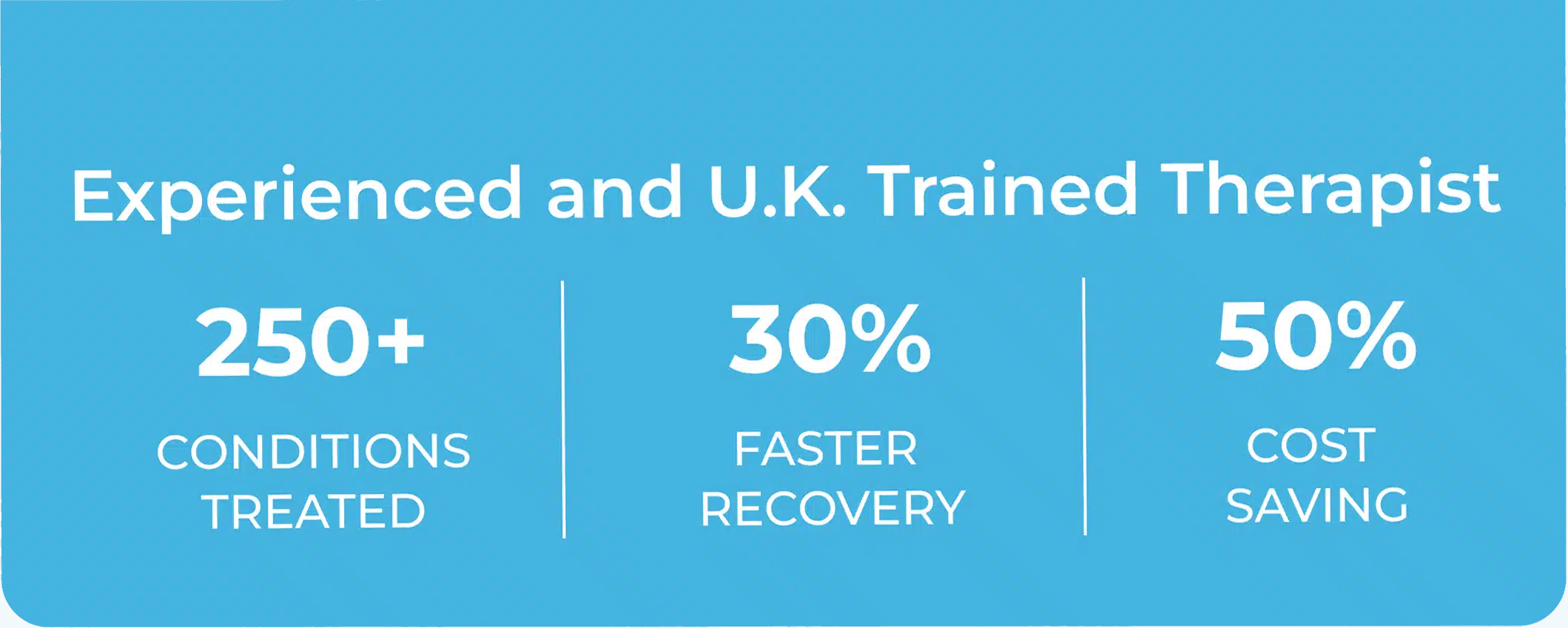

We are your doctor’s first choice and trusted by 50,000+ patients.
We are your doctor’s first choice and trusted by 50,000+ patients.
We are your doctor’s first choice and trusted by 50,000+ patients.
