Reviewed & Verified by
Dr. Apoorva
Physical therapy for knee arthritis is a structured, clinically supervised medical treatment. It is not a generic set of exercises. It is a personalized program built around your specific condition, pain levels, age, fitness, and daily goals — designed and progressed by a licensed physiotherapist every step of the way.
When knee cartilage wears down in osteoarthritis, the muscles around your knee become your most powerful line of defense. Strong quadriceps, hamstrings, calf muscles, and hip abductors act as natural shock absorbers — reducing the load passing through the damaged joint by up to 30–40%. That’s not a minor benefit. That’s the difference between walking comfortably and limping through the day.
Beyond muscle strength, knee osteoarthritis physical therapy addresses joint mobility, balance, movement mechanics, and pain neuroscience. It teaches your nervous system to move more efficiently, reduces inflammation-driven pain through graded activity, and gives you a long-term toolbox to manage your condition without relying on daily medication or rushing toward surgery.
Studies published in the New England Journal of Medicine, Annals of Internal Medicine, and the British Medical Journal consistently show that exercise-based physical therapy produces outcomes equal to — and often better than — surgery for knee osteoarthritis, with none of the surgical risks, recovery time, or cost.
Reduces Dependency on Painkillers: Targeted therapy addresses the cause, not just the symptom — many patients significantly reduce or eliminate NSAID use
From early-stage wear to post-surgical recovery — every stage and every type of knee condition is within scope for our certified physiotherapy team.
Knee osteoarthritis is not inevitable — but certain factors significantly increase your risk. Understanding yours helps you take action sooner, when treatment is most effective.
Many people dismiss knee pain as “just part of getting older.” But early, targeted physical therapy for knee osteoarthritis produces dramatically better outcomes than waiting. Don’t ignore these signs:
Every exercise below is grounded in clinical research and prescribed by Resolve360 physiotherapists as part of a structured knee osteoarthritis physical therapy program. Dosage is always individualized — never generic.
Every exercise in a knee arthritis PT program is chosen for a specific physiological reason. Quadriceps strengthening reduces tibiofemoral joint contact force. Hip abductor work corrects knee valgus collapse under load. Proprioceptive training restores the joint position sense lost with OA-related cartilage damage. Nothing is random.
The common mistake people make when exercising with knee arthritis is choosing exercises that feel easier — like resting, avoiding weight-bearing, or only doing lying-down movements. While those have a role in Phase 1, long-term recovery requires progressive loading. The joint needs controlled stress to stimulate bone remodeling, muscle growth, and joint fluid circulation. Your physiotherapist knows exactly how much stress — and when to progress.
Important: The exercises listed here are prescriptions for a starting program only. Your Resolve360 physiotherapist will build, modify, and progress your program based on weekly reassessment of your pain, strength, and function.
Build muscle armor around the knee. Targets quads, hamstrings, glutes, hip abductors, and calf complex. Progress from isometric to isotonic to loaded functional.
Reduce stiffness, restore full range of motion, prevent contracture. Includes joint mobilization, stretching, and soft tissue techniques performed by your therapist.
Low-impact cardio for systemic health and joint lubrication. Balance drills to restore neural feedback and protect the joint from unexpected loads and falls.
| Exercise | Target Muscles | Primary Benefit for Knee OA | Difficulty | Starting Dose | PT Phase |
|---|---|---|---|---|---|
| Quad Sets (Isometric) | Quadriceps | Reactivates quads with zero joint compression — safe even in acute pain | Beginner | 3×10, hold 5s | Phase 1–2 |
| Straight Leg Raises | Quad, Hip Flexor | Builds quad strength without knee bending or joint loading | Beginner | 3×12 each | Phase 1–2 |
| Heel Slides | Hamstrings, Knee Flexors | Improves knee flexion range in a pain-free manner | Beginner | 3×12 | Phase 1–2 |
| Clamshells | Hip Abductors (Glute Med) | Corrects knee valgus collapse — major OA load amplifier | Beginner | 3×15 each side | Phase 1–2 |
| Terminal Knee Extension | VMO (Inner Quad) | Strengthens last 30° of knee extension — often weakest arc | Intermediate | 3×15 | Phase 2 |
| Short Arc Quads | Quadriceps (Distal) | Controlled quad loading through limited range | Intermediate | 3×12 | Phase 2 |
| Mini Squats (0–45°) | Quads, Glutes, Hamstrings | Functional loading with minimal OA joint stress | Intermediate | 3×12–15 | Phase 2 |
| Step-Ups (Low Step) | Quads, Glutes, Balance | Trains stair-climbing movement pattern | Intermediate | 3×10 each | Phase 2–3 |
| Lateral Band Walks | Hip Abductors (Glute Med) | Develops lateral hip stability — reduces knee load | Intermediate | 3×15 steps | Phase 2–3 |
| Single-Leg Stance | Full Lower Limb, Vestibular | Retrains proprioceptive feedback lost in OA | Intermediate | 3×30s each | Phase 2–3 |
| Stationary Cycling | Quads, Hamstrings, Cardio | Low-impact aerobic conditioning — improves circulation | Beginner | 15–30 min/day | All Phases |
| Wall Sit (Partial) | Quads, Glutes | Builds endurance strength for walking & standing | Intermediate | 3×20–30s | Phase 2–3 |
| Romanian Deadlift (Bodyweight) | Hamstrings, Glutes, Back | Reduces anterior knee forces during movement | Advanced | 3×12 | Phase 3 |
| Aquatic Therapy (Pool) | Full Lower Limb | Water buoyancy reduces joint load by 50–75% | Beginner | 20–30 min sessions | Phase 1–2 |
Also Read: Physiotherapy For Joint Pain ; Physiotherapy For Disc Burge
The first phase is about calming the knee enough to begin real strengthening work. Acute inflammation makes meaningful loading impossible — so we reduce irritation first.
Your physiotherapist guides you through ice/heat strategies, activity modification, and begins gentle isometric quad activation exercises. Manual therapy reduces stiffness and restores confidence in movement.
This is where the biggest improvements happen. Once pain is controlled, exercises are progressively loaded — mini squats, step-ups, band resistance work, and balance drills.
Exercises are progressed every 1–2 weeks based on pain response and strength gains. Patients usually notice measurable improvement in stairs, walking, and daily tasks.
Phase 3 focuses on returning to the activities that make life meaningful — sport, travel, work, or recreation. This stage is personalized to your goals.
You receive a long-term maintenance plan to prevent relapse and protect joint health for years to come.
How does physical therapy for knee arthritis compare to other treatment options? See the evidence side by side.
| Factor | Resolve360 PT | Pain Medication | Cortisone | Surgery |
|---|---|---|---|---|
| Addresses Root Cause | ✔ Yes | ✘ No | ✘ No | ✔ Yes |
| Long-Term Relief | ✔ Lasting | ✘ Temporary | ⚠ 3–6 months | ✔ 15–20 yrs implant |
| Risks | Minimal | GI / kidney risks | Cartilage damage | Surgical risks |
| Recovery Time | 4–8 weeks | Immediate relief | Few days | 6–12 months |
| Strengthens Knee | ✔ Yes | ✘ No | ✘ No | PT needed after |
| Typical Cost (USA) | Insurance covered | $20–100/month | $100–300/injection | $30k–50k |
| Works From Home | ✔ 100% Online | ✔ Yes | ✘ Clinic visit | ✘ Hospital |
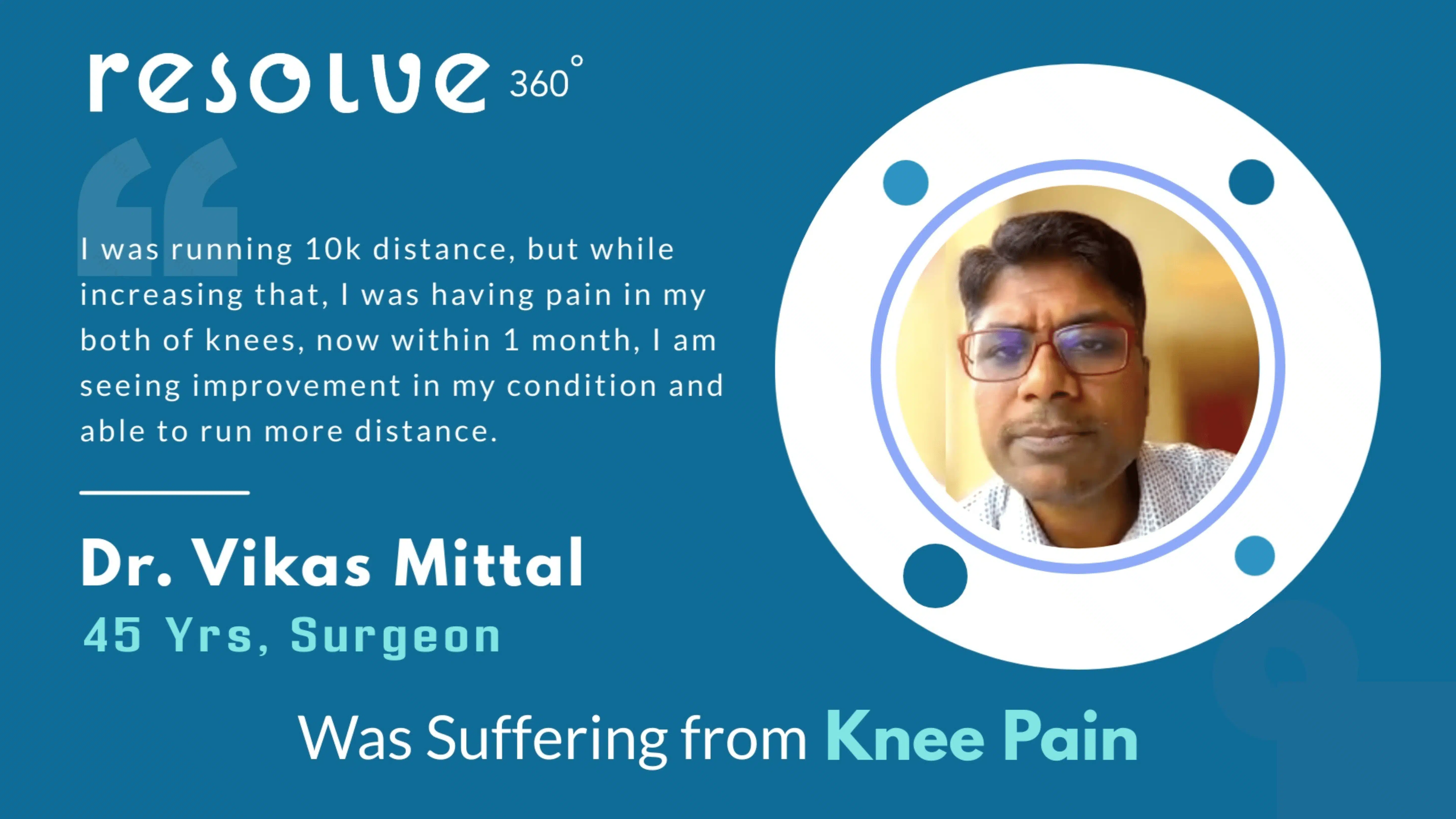
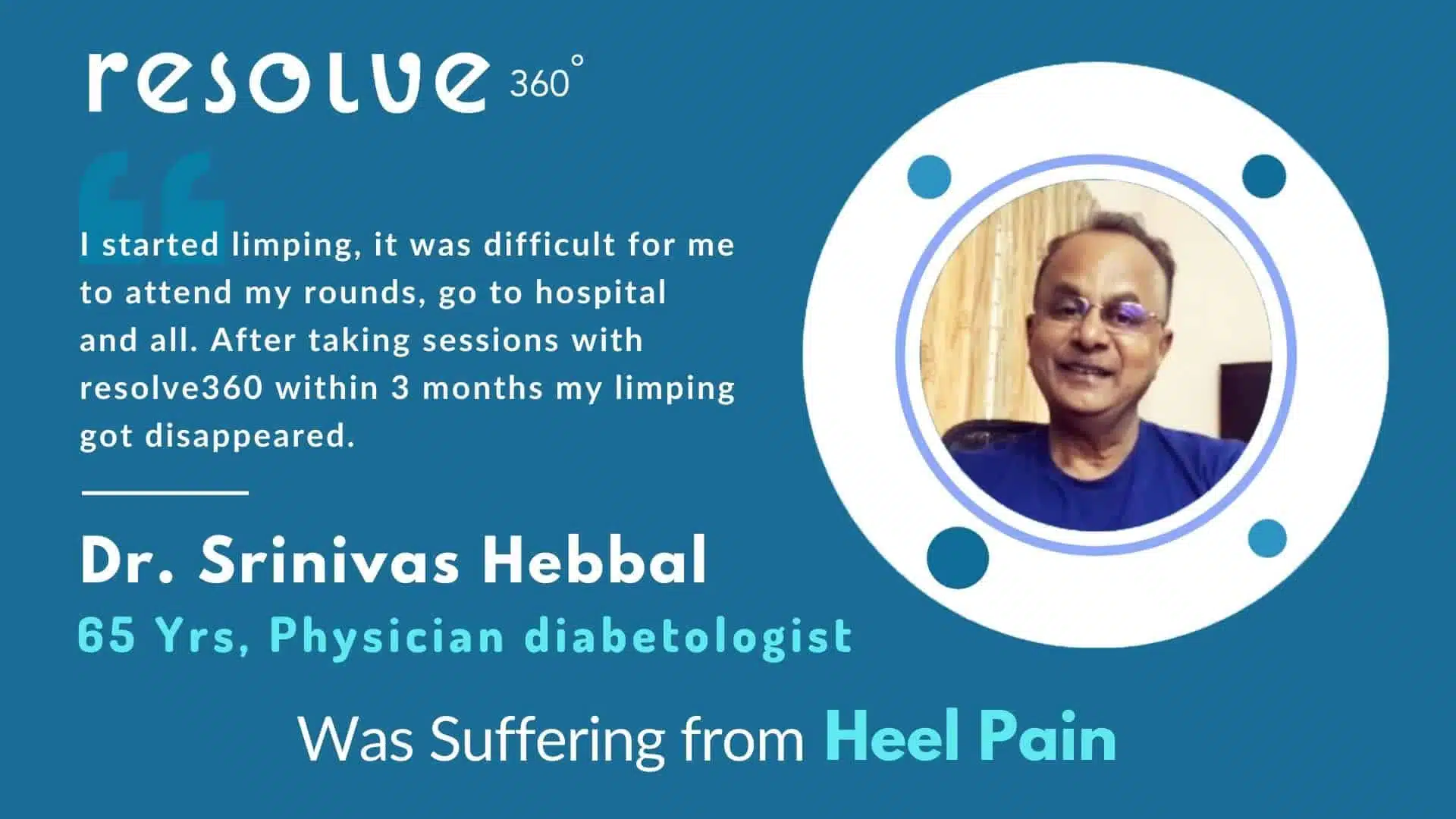
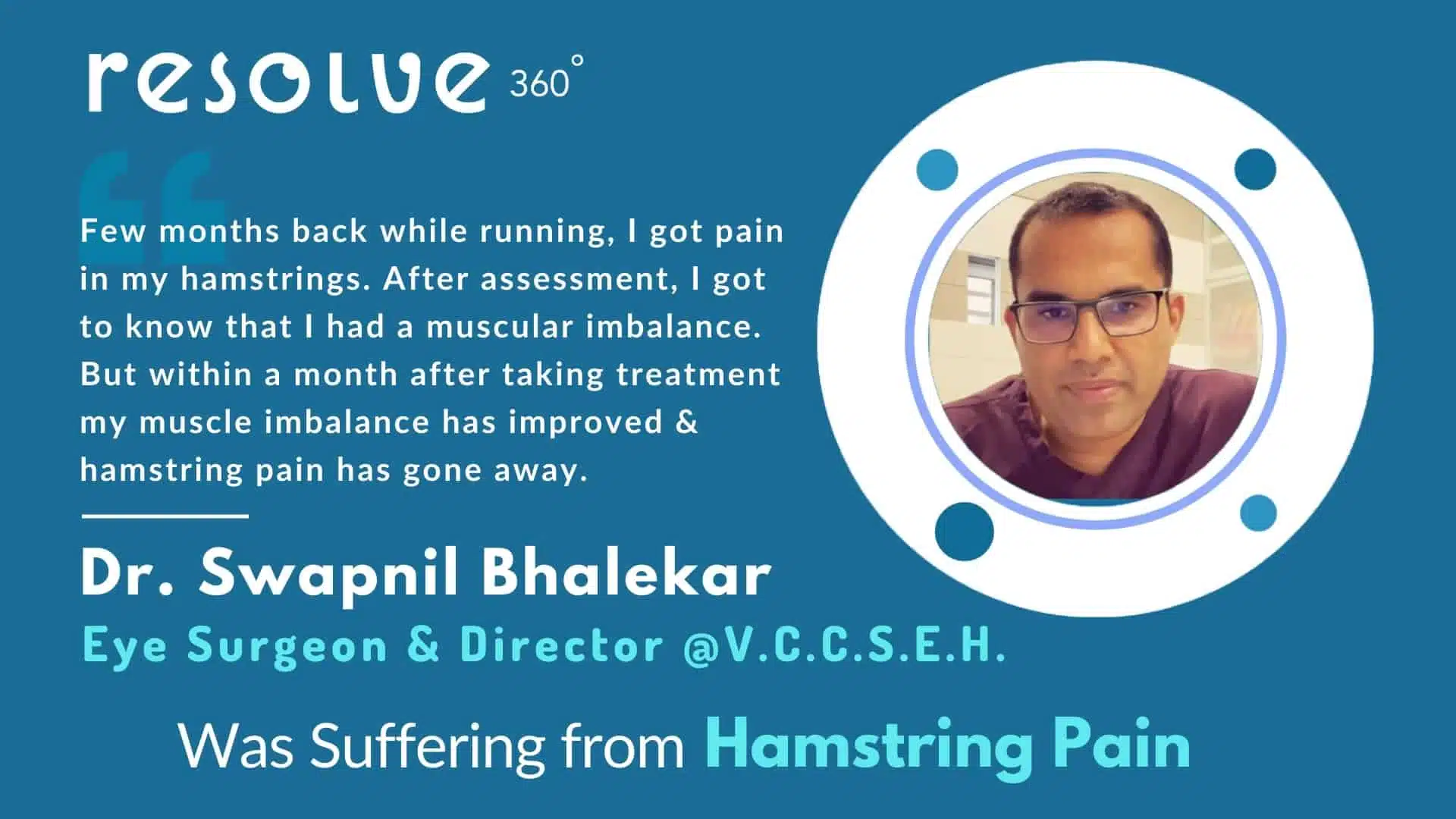
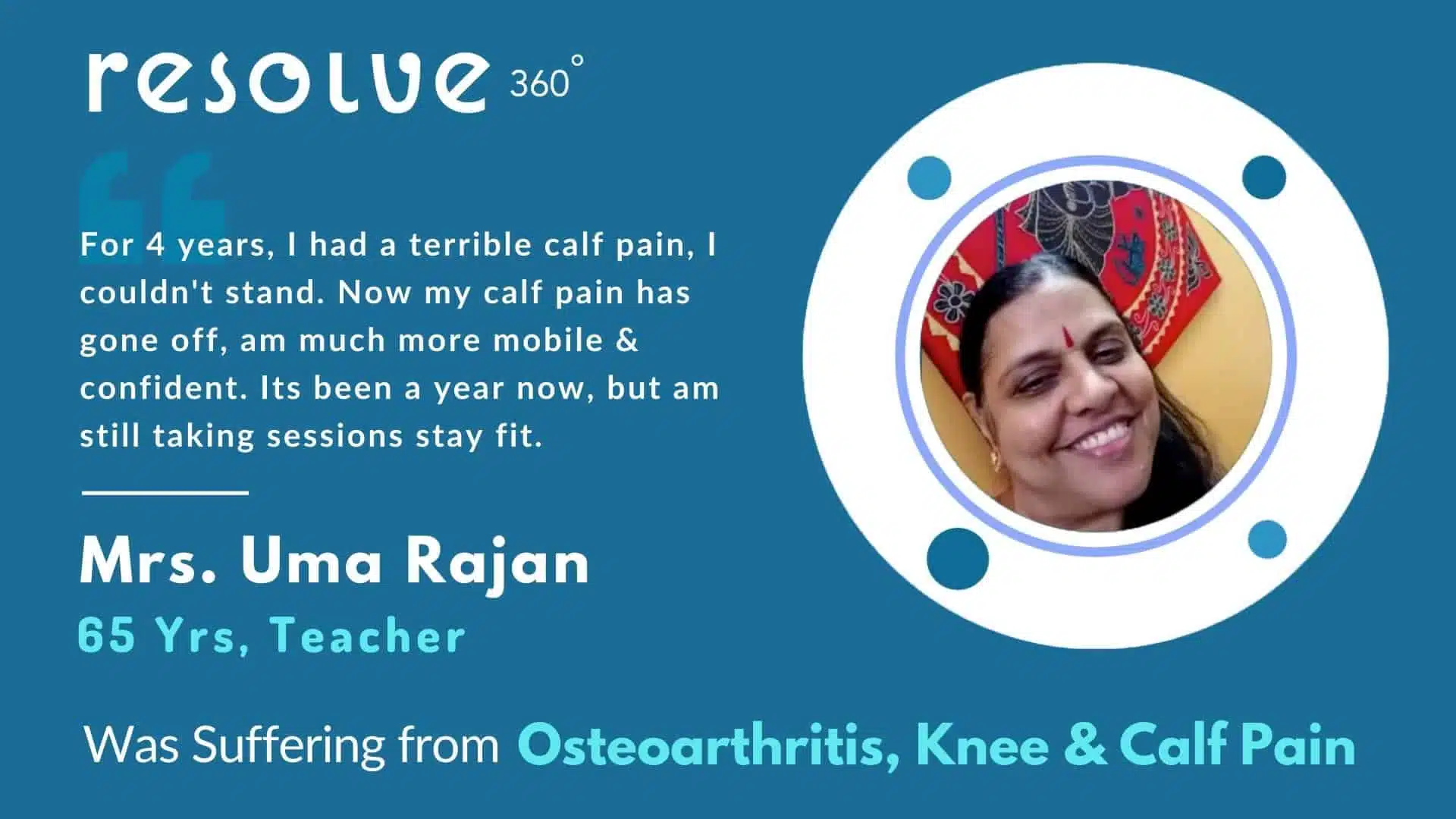
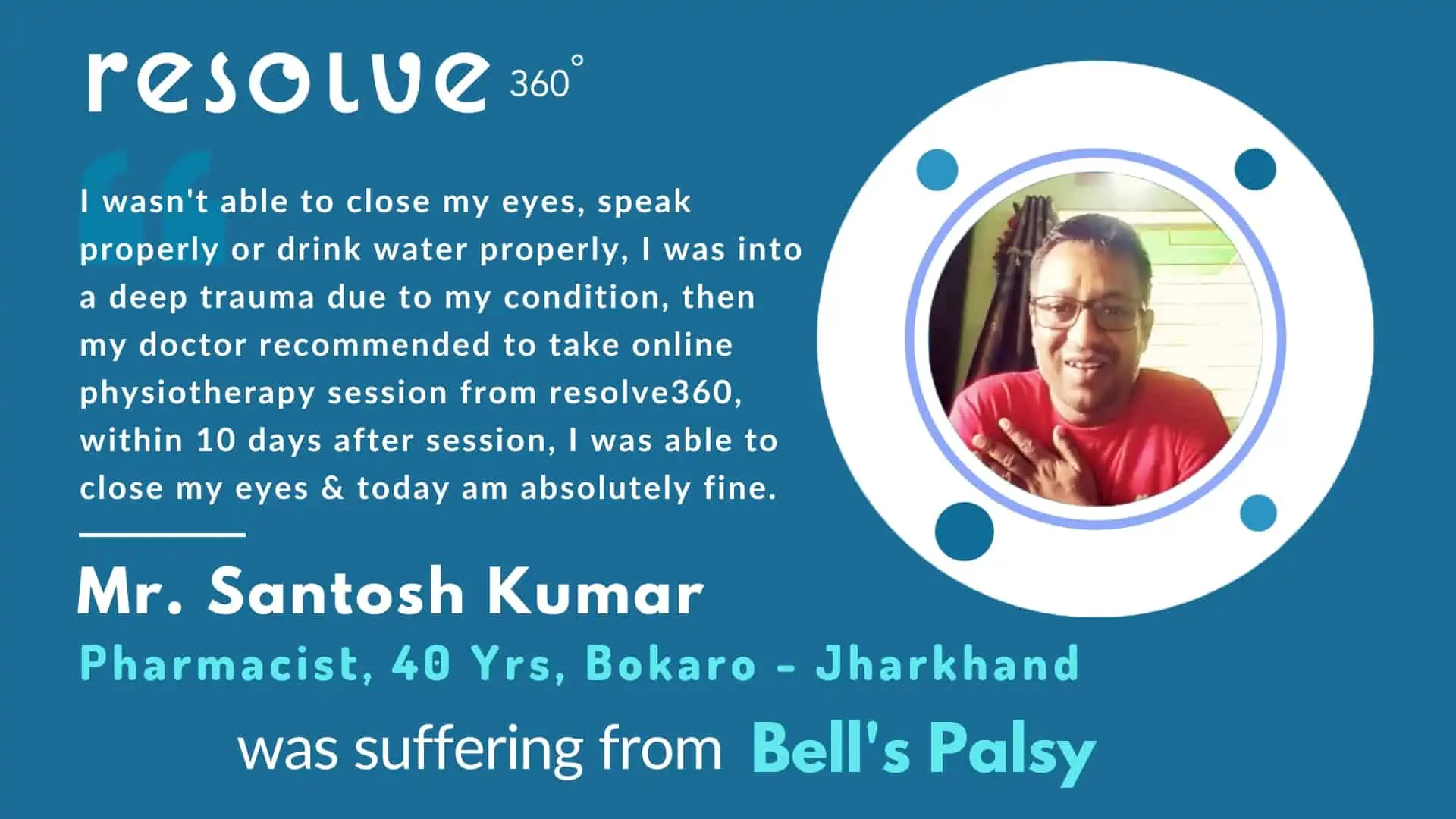
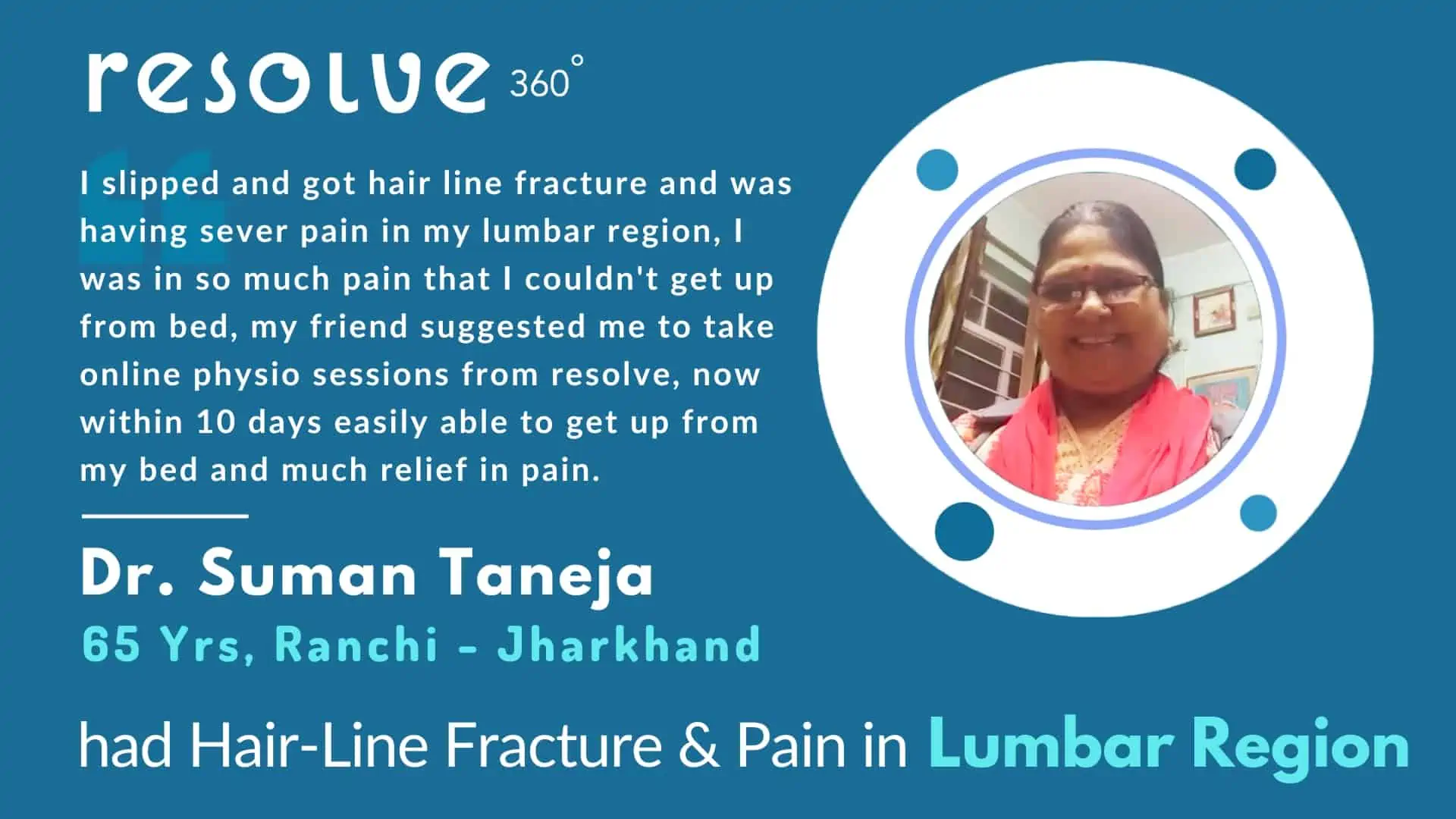
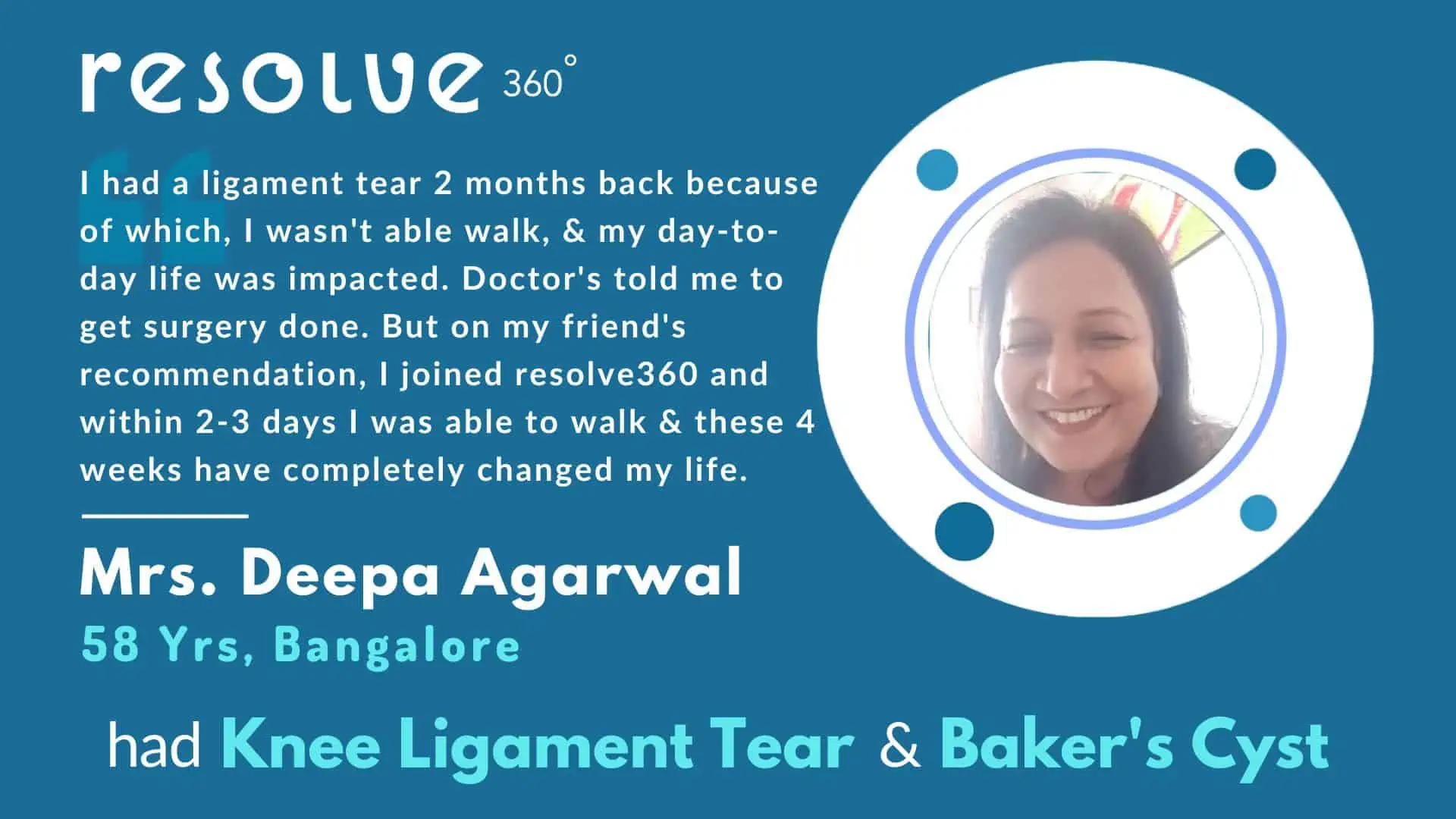
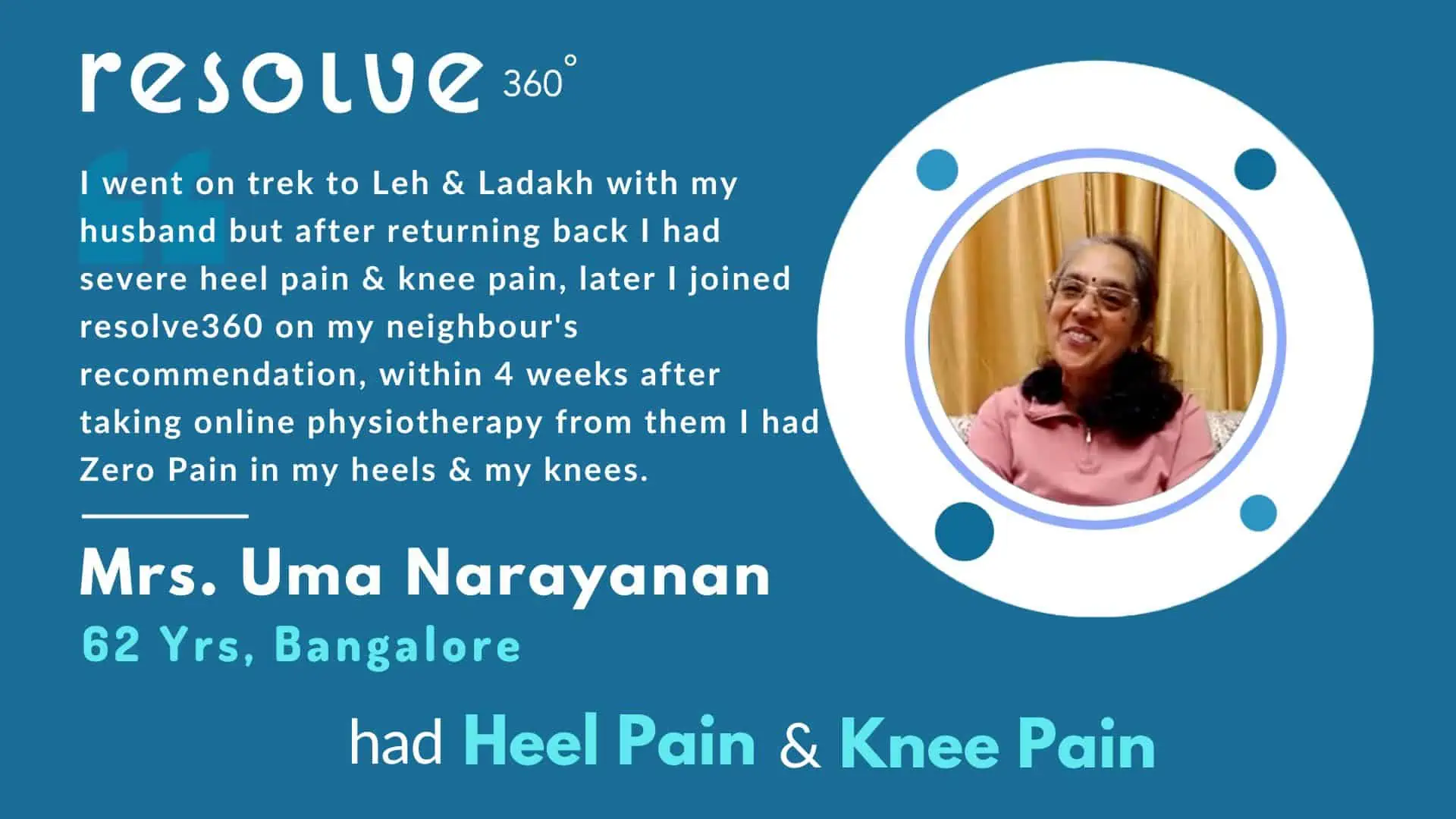
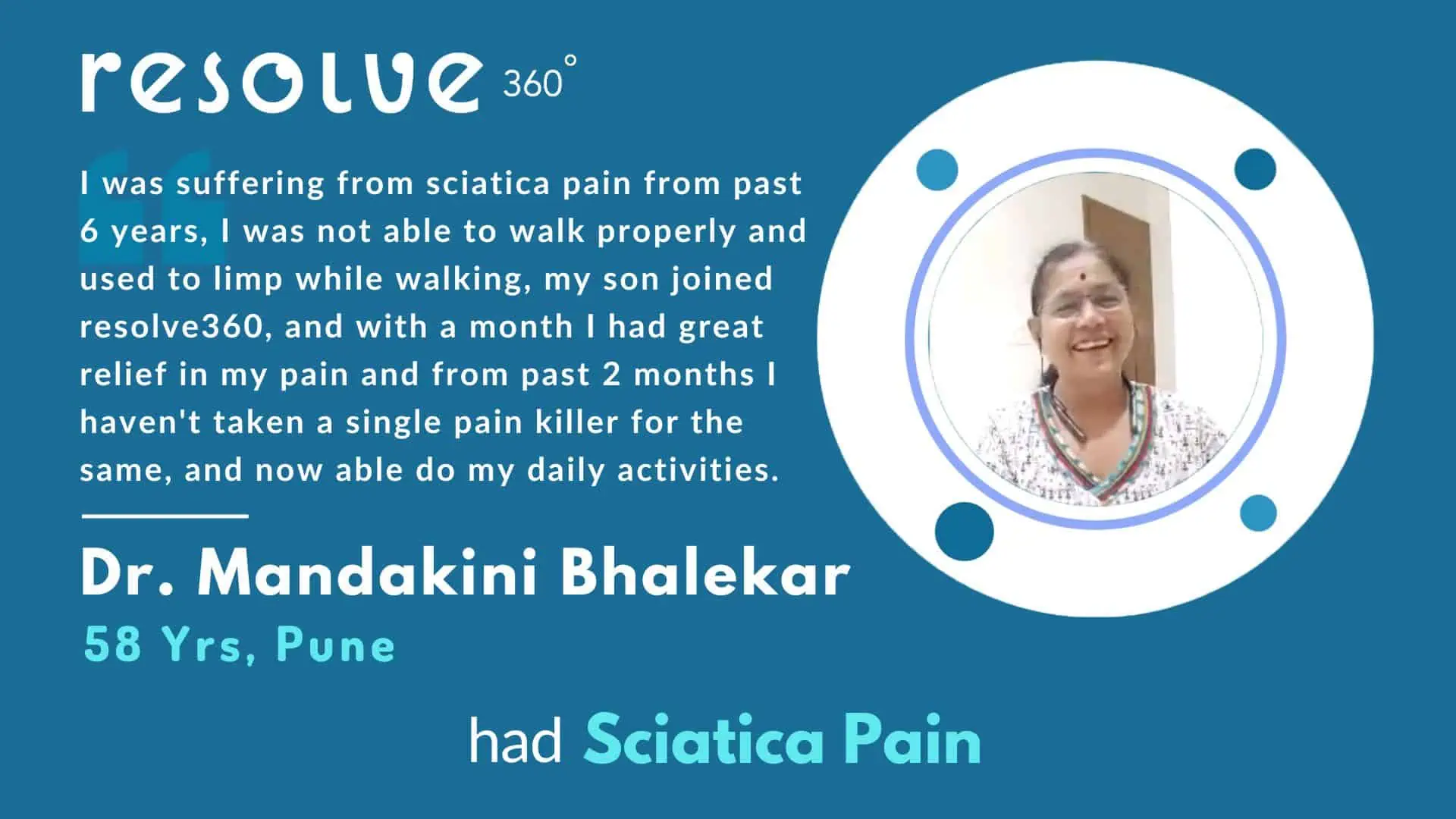
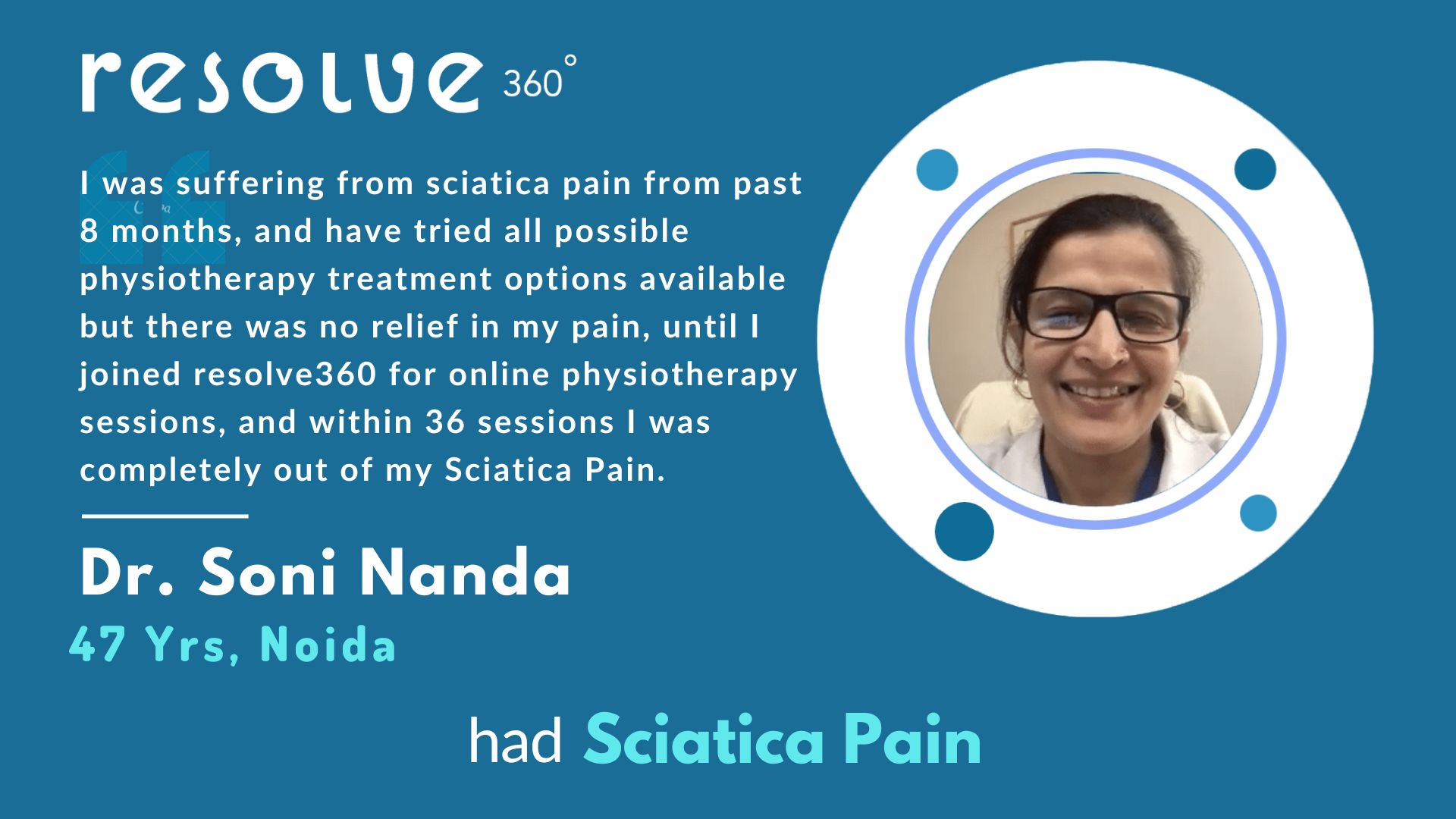
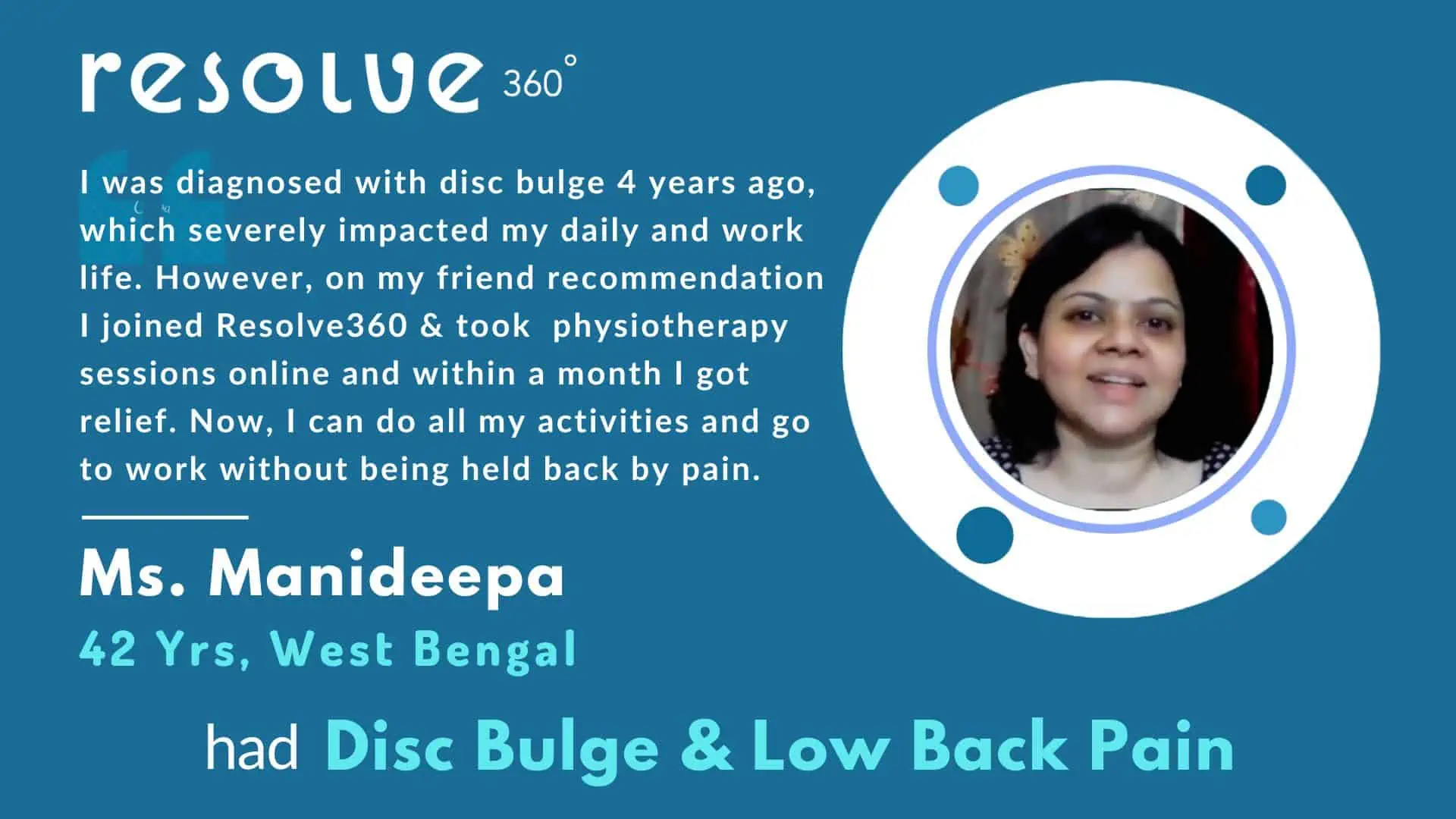
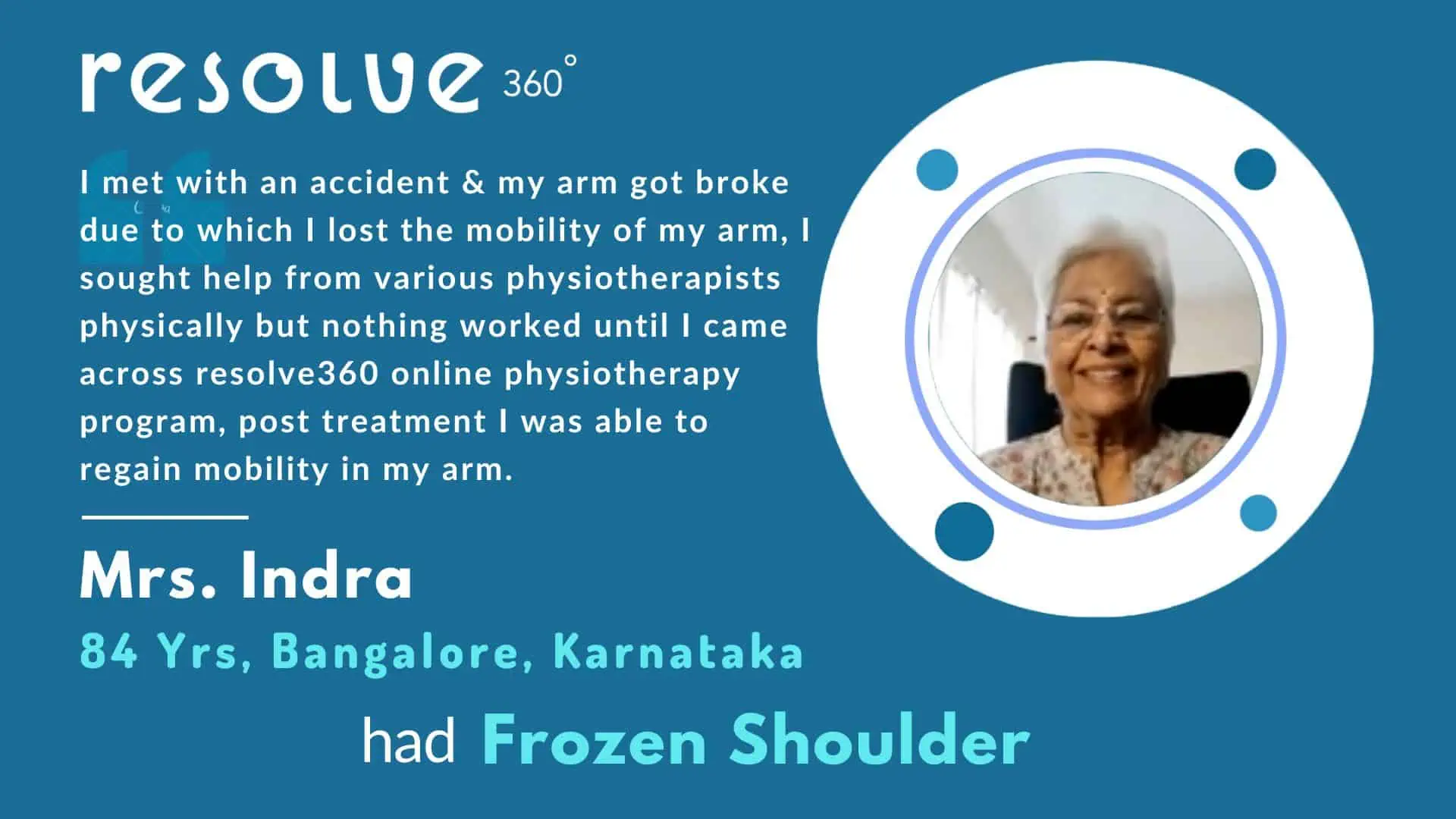
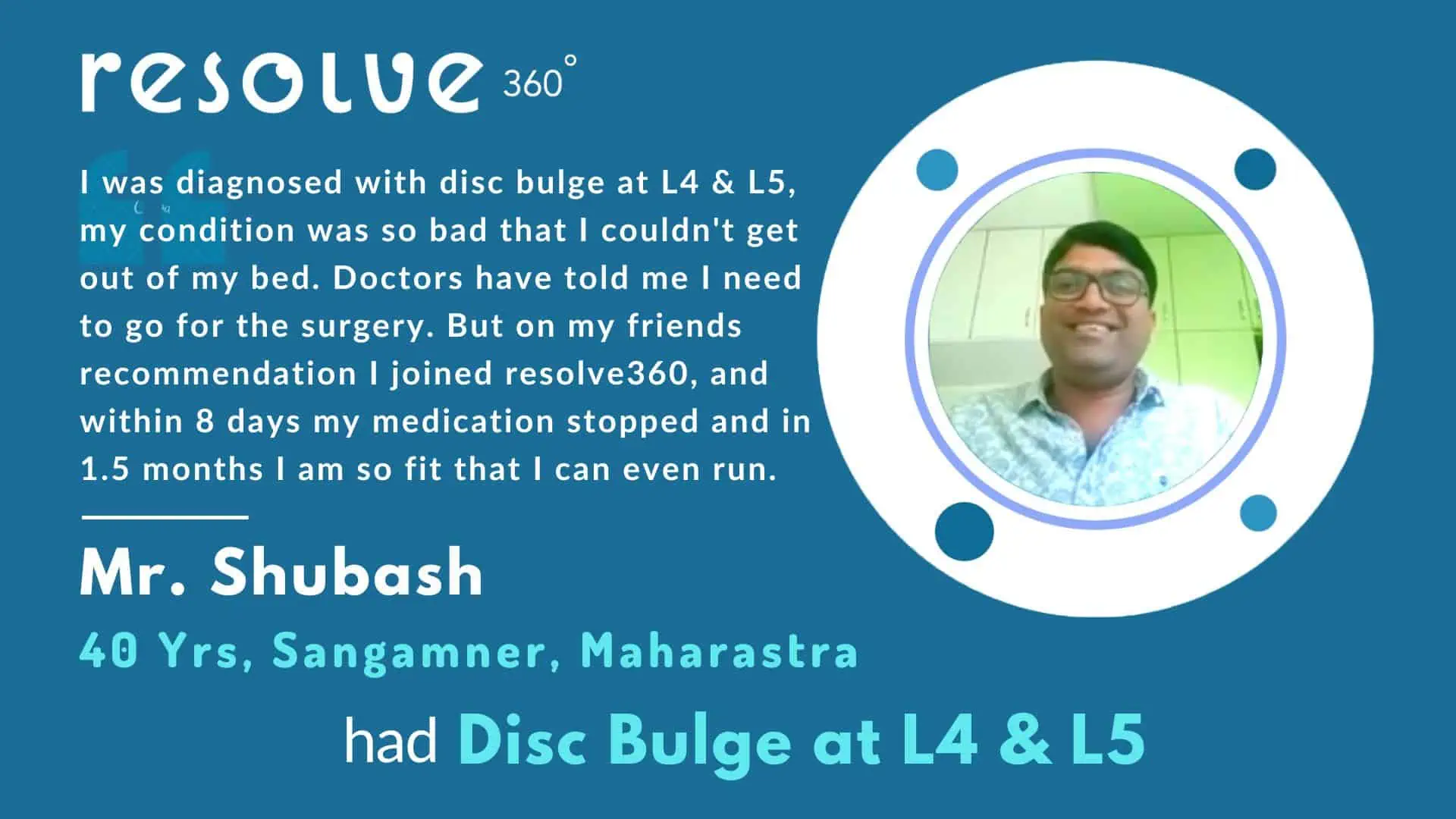
These are verified outcomes from real patients who underwent structured physiotherapy programs at Resolve360. Their experiences reflect what consistent, expert-guided physical therapy for knee osteoarthritis can accomplish.
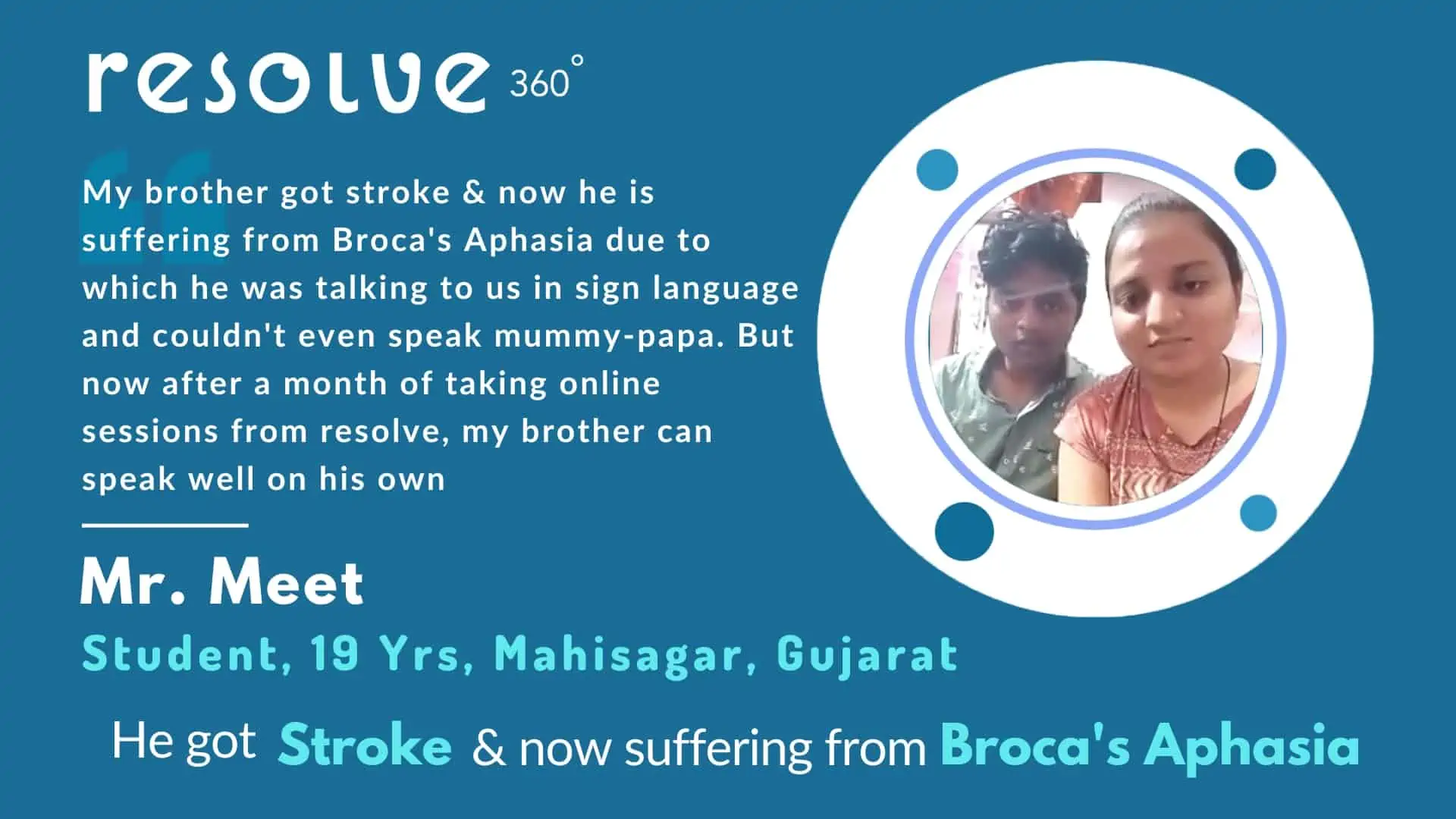
This patient had been suffering from chronic knee ligament issues that were preventing him from playing competitive tennis. Multiple previous treatments provided only temporary relief.
After starting a structured rehabilitation program, pain steadily reduced, strength returned, and full athletic performance was restored. No sessions were missed throughout treatment.
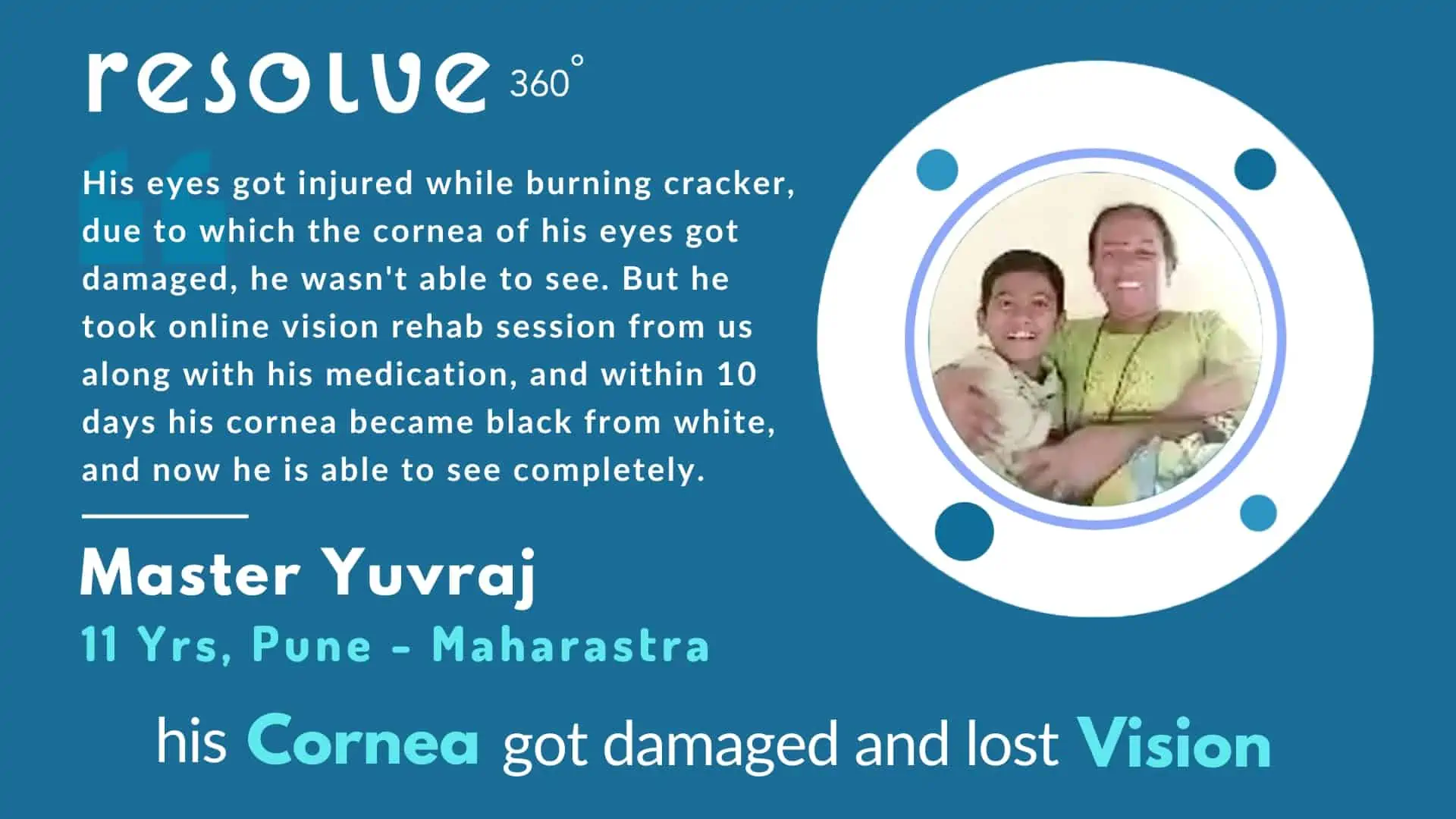
This patient experienced a significant ligament injury that disrupted daily life activities. Pain limited basic tasks and mobility.
Through a personalized physiotherapy program, strength was rebuilt progressively. By completion, the patient returned to normal function and began a preventive fitness routine.
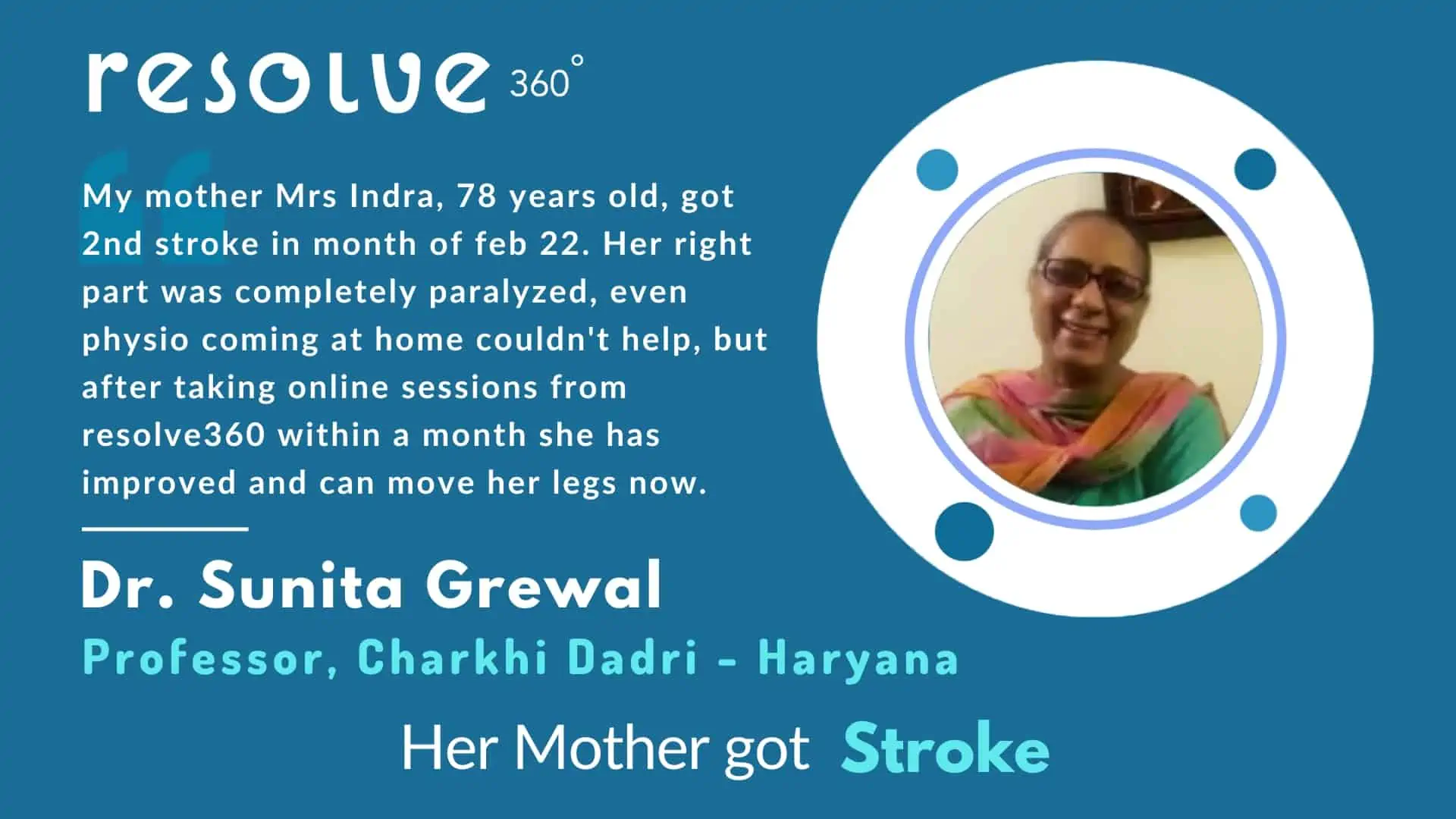
Both senior patients developed significant joint pain and mobility loss due to inactivity and age-related degeneration. They struggled with daily tasks and relied on assistance.
After beginning structured physiotherapy, both patients experienced steady improvements in balance, joint mobility, and muscular strength.
Within weeks, they regained independence in daily life activities and reported improved confidence and overall quality of life.
Joint decline is not inevitable with age. Structured physiotherapy delivers meaningful improvements when programs are individualized.
Resolve360’s approach to physical therapy for knee arthritis is not based on tradition or assumption — it is grounded in decades of published clinical research from leading journals and institutions.
A landmark study found that structured physical therapy produced outcomes equivalent to arthroscopic surgery for knee OA — with none of the surgical risks, recovery time, or cost. The therapy group showed equal pain relief and function improvement at 2-year follow-up.
Research from the Osteoarthritis Research Society consistently shows that quadriceps strength is the strongest modifiable predictor of knee OA pain and function. Every 10% increase in quad strength correlates with measurable pain reduction.
Multiple randomized controlled trials confirm that online physiotherapy (telerehabilitation) for knee OA produces outcomes statistically equivalent to clinic-based care — including equivalent pain reduction, range of motion improvement, and patient satisfaction scores.
Combined PT and weight loss programs produce 50% more pain relief than exercise alone in overweight knee OA patients. The IDEA Trial demonstrated that each pound lost removes 4 pounds of knee joint stress with every step.
Physical therapy works best as part of a comprehensive approach to osteoarthritis knee treatment. These evidence-backed lifestyle factors multiply your results dramatically when combined with your Resolve360 PT program.
This is the single most impactful non-exercise intervention for knee OA. Every pound of body weight equals approximately 4 pounds of force on your knee joint while walking. Losing just 10 lbs removes 40 lbs of force with every step — dramatically reducing pain and slowing cartilage breakdown.
→ Resolve360 can connect you with a certified nutritionist as part of your integrated care plan.
Swimming, water aerobics, and aqua walking are exceptional for knee OA — water buoyancy reduces joint load by 50–75% while still allowing meaningful muscle strengthening and cardiovascular work. Outside the pool: walking on flat surfaces, stationary cycling, and elliptical training are ideal.
→ Your PT will prescribe specific aerobic activity targets as part of your program.
Applied correctly, thermal therapy is a powerful pain management tool. Cold (ice pack 15–20 min) reduces acute inflammation and post-exercise pain. Heat (warm compress, warm bath) before activity loosens stiff joints. Your physiotherapist will prescribe specific protocols based on your stage and symptoms.
Poor sleep amplifies pain sensitivity and impairs muscle recovery — both critical issues in knee OA management. Research shows people with poor sleep experience 30–50% higher pain intensity from the same OA damage. Optimizing sleep hygiene directly improves therapy outcomes.
The wrong footwear can worsen knee OA by changing ground reaction forces up the kinetic chain. Properly fitted shoes with adequate cushioning and lateral support, combined with custom or over-the-counter orthotic insoles when appropriate, can reduce knee joint load by 5–10% with every step.
Chronic psychological stress increases inflammation through elevated cortisol and cytokine levels — directly worsening joint pain. Mindfulness-based stress reduction (MBSR) has demonstrated measurable pain reduction in OA patients independent of physical therapy. Resolve360 connects you with mental health support when needed.
Most Resolve360 patients report a noticeable reduction in pain and improvement in morning stiffness within the first 3–4 weeks of consistent treatment. Meaningful functional gains — better stair climbing, improved walking tolerance, reduced reliance on pain medication — typically develop within 4–8 weeks. Full functional recovery and strength normalization usually takes 8–12 weeks. The single most important factor in speed of recovery is consistency with both your live sessions and your prescribed home exercises.
Yes — physical therapy for knee osteoarthritis is a medically recognized treatment and is covered by most major US insurance plans including Medicare Part B, Medicaid, and most commercial plans (Aetna, Cigna, UnitedHealthcare, BlueCross BlueShield, Humana) when prescribed by a physician. Your exact coverage, copay, and number of covered sessions will depend on your specific plan. At Resolve360, our team can help you navigate insurance questions at the time of booking. Your first consultation is always free regardless of insurance status.
For many patients — particularly those with mild to moderate knee OA — yes. Multiple high-quality studies show that structured, progressive physical therapy produces equivalent pain relief and functional outcomes to surgery, including total knee arthroplasty, without any of the surgical risks, 6–12 month recovery, or $30,000–50,000 cost. The American Academy of Orthopaedic Surgeons recommends exhausting conservative treatments including PT before pursuing surgery. That said, in cases of severe end-stage OA with significant structural joint failure and failed conservative treatment, surgery remains appropriate. Your Resolve360 physiotherapist will give you an honest, evidence-based assessment of whether PT alone is sufficient for your specific case.

This is one of the most common fears — and one of the most persistent myths in knee arthritis management. The research is clear: appropriate, graded exercise does not accelerate cartilage loss in knee OA. In fact, movement stimulates synovial fluid production that nourishes cartilage, promotes anti-inflammatory cytokines, and improves bone density around the joint. What’s harmful is the wrong type of exercise (high-impact running on hard surfaces, heavy loaded squatting in Grade III–IV OA), or exercise progressed too aggressively. That’s exactly why a physiotherapist-guided program is so important — they know the difference, and they know how to progress you safely.
“Knee arthritis” is a broad umbrella term covering any type of joint inflammation in the knee — including osteoarthritis, rheumatoid arthritis, psoriatic arthritis, post-traumatic arthritis, and others. “Knee osteoarthritis” (OA) is the most common specific type, characterized by progressive wear-and-tear degeneration of articular cartilage. It accounts for approximately 90% of all knee arthritis cases in the USA. Physical therapy is highly effective for both — though the specific program approach differs based on type and stage. Rheumatoid arthritis programs, for example, need to be coordinated with your rheumatologist’s medication management plan.
No special equipment is required for your initial sessions — just a smartphone, tablet, or computer with a working camera and stable internet, and enough floor space to move comfortably (approximately a yoga mat-sized area). As you progress into Phase 2, your physiotherapist may recommend a simple resistance band (typically $8–15 on Amazon) to advance your strengthening exercises. No machines, no gym equipment, no clinic visits are required at any stage of your Resolve360 program.
Yes — and the research confirms it. Multiple randomized controlled trials published in peer-reviewed journals (BMJ Open, Journal of Telemedicine and Telecare, Physical Therapy) confirm that telerehabilitation for knee OA and other musculoskeletal conditions produces outcomes statistically equivalent to in-person care. Resolve360’s patented assessment technology and live 1-on-1 video sessions allow your physiotherapist to observe your movement quality in real time, correct your form instantly, monitor your pain response, and progress your program with the same clinical precision as face-to-face treatment. The added advantages: no travel time, flexible scheduling, no waiting rooms, and no exposure risk — making it easier to stay consistent, which is the #1 driver of outcomes.
Your first consultation is completely free — no cost, no credit card required, no obligation. If your physiotherapist determines you need a structured treatment program, the ongoing session fees will be explained to you clearly and transparently after your first session. Resolve360 is designed to be significantly more affordable than in-person clinic physiotherapy in the USA (where out-of-pocket costs can reach $75–200+ per session), while delivering equivalent or better clinical quality. Insurance coverage may apply — our team will guide you through this at the time of booking.
Dr. Nidhi Kumari
She has persuaded her bachelor’s from SGT University, Gurugram, she has done her internship at Dr. Ram Manohar Lohia Hospital, and persuade her Master in Physiotherapy from Chaudhary Charan Singh University, Meerut. She has previously worked with Orthocure clinic, Dr.Nasir physiotherapy rehabilitation, Quantum physiotherapy, and wellness center.
If you have more questions.
Dr. Nidhi
She has persuaded her bachelor’s from SGT University, Gurugram, she has done her internship at Dr. Ram Manohar Lohia Hospital, and persuade her Master in Physiotherapy from Chaudhary Charan Singh University, Meerut. She has previously worked with Orthocure clinic, Dr.Nasir physiotherapy rehabilitation, Quantum physiotherapy, and wellness center.
If you have more questions.
Also Read: Back Pain: Causes and Treatment
If you would like to know more about any of the health conditions, please fill up the form below and talk to Doctors on Resolve360 directly by asking a question.
We are your doctor’s first choice and trusted by 50,000+ patients.