


Reviewed & Verified by
Dr. Apoorva
If reaching your overhead, lifting your arm, or sleeping on your side hurts your shoulder, it’s an alarming situation. Shoulder pain builds up quietly and hampers your everyday life.
The good news is that Resolve360 provides the right shoulder impingement exercises to reduce pain and improve movement. Mostly, the pain is caused by tight muscles, leading to poor shoulder movement. Thus, these stretches can bring a real difference in your life.
Shoulder impingement happens when the rotator cuff tendons and the subacromial bursa are squeezed together in a narrow space at the top of your shoulder. This results in inflammation, pain, and restricted movement.
If you think your shoulder impingement has just started, you are wrong. It builds up over time, and the most common causes behind it are:
Weak rotator cuff muscles: When the rotator cuff muscles are weak, the arm bone shifts upward when doing any movement.
Poor posture: It happens when rounded shoulders tighten the chest, causing minimal space available at the top of the shoulder joint.
Repetitive overhead movements: Activities like throwing, swimming, painting, or lifting at work require continuous movement.
Muscle imbalances: If the chest muscles are overdeveloped, they pull the shoulders forward.
Bone spurs: Some anatomical variations result in a reduction of the subacromial space.
Age-related wear and tear: After the age of 40, tendons mostly become less flexible.
Increase in your activities: It is seen that starting a new workout aggressively causes shoulder impingement.
With the right exercises, this issue can be corrected, allowing the shoulder to move freely without pain.
Lorem ipsum dolor sit amet, consectetur adipiscing elit. Ut elit tellus, luctus nec ullamcorper mattis, pulvinar dapibus leo.
Also Read: Physical Therapy For Shoulder Impingement
The symptoms of shoulder impingement show with time and get worse. Note these warning signs, such as –
On noticing these signs, it is advisable to contact the licensed therapists. At Resolve360, you will contact the best team, which will guide you through every process and help you in recovering fast.
To start these exercises, you should follow gentle mobilization and then progress to strengthening. Do light walking or shoulder rolls as a warm-up 5 minutes before doing exercises.
The exercise is meant to lightly mobilize the shoulder joint, minimize the stiffness, and help with healing circulation.
Step-by-step guide
Reps/Sets: 2-3 sets once or twice daily.
By regularly performing this exercise, you will start living your life freely.
Simple yet powerful exercise, scapular squeeze is ideal to use in shoulder impingement. It improves the movement of your shoulder blades and provides support.
Step-by-step guide
Reps/Sets: 10-15 reps, 2-3 sets
Add this exercise to your daily routine to make your shoulders stable and achieve long-term recovery.
This exercise is a key to activating the serratus anterior to restore the smooth shoulder motion.
Step-by-step guide
Reps/Sets: 10-15 reps, 2-3 sets
Practice the exercise regularly to improve recovery.
The exercise is meant to target the muscles often neglected in the back of your shoulder. The role of these muscles is to keep your shoulder joint centered and stable when you are moving the shoulder.
Step-by-step guide
Reps/Sets: 10–15 reps, 2–3 sets.
Stay consistent with this exercise to strengthen your shoulders and live a pain-free life.
This exercise helps strengthen the deep stabilizing muscles present on the front of your shoulder. Thus, it helps your arm move smoothly while performing everyday activities.
Step-by-step guide
Reps/Sets: 10–15 reps, 2–3 sets.
Make this exercise a regular part of your regimen to restore strength and improve control.
The purpose of this exercise is to open the tight muscles of your front chest and shoulders. Hence, it is one of the best shoulder impingement exercises. The long hours sitting or poor posture make these muscles get tight and pull the shoulders forward. It decreases space in the joint and increases pressure on the subacromial bursa, causing discomfort.
Step-by-step guide
Reps/Sets: 2-3 times
This exercise works as a reset button for your posture, letting your shoulders open up.
W-to-Y angels is an influential exercise to train your shoulders and upper back to work together. Unlike other exercises, this one takes your arms through a full range, from W to Y position. It helps in letting your shoulder blades move upward and outward precisely.
Step-by-step guide
This exercise is meant to build better shoulder control and improve posture.
Scaption is amongst the most effective exercises as it makes your shoulder lifts in their natural movement path.
Step-by-step guide
Reps/Sets: 10–12 reps, 2–3 sets.
If you want strong shoulders, then you should do this exercise regularly.
In people suffering from shoulder impingement, the tight posterior shoulder capsule is a common finding. You will feel tightness in the back of your shoulder while pushing the arm bone forward and upward.
Step-by-step guide
Reps: 2-3 times per session
Make sure that the stretch is comfortable and gentle. This will help you improve the shoulder discomfort.
Thoracic extension over a foam roller is an important exercise to follow. It’s not just for your shoulder but also targets your upper back. When pressure in the shoulder joint increases, it reduces scapular stabilization.
Step-by-step guide
Reps: 8–10 reps, 1–2 sets. Perform daily.
Slowly, you will see a noticeable difference while freeing up your upper back.
Recovery from shoulder impingement doesn’t have the same experience every time. Sometimes you will feel everything is going right, but at another moment you will experience the pain. The progress in recovery happens steadily over time.
Here’s what you can expect:
You can start initially with gentle exercises such as pendulum swings and light scapular stabilization exercises. Your goal should be to bring ease to pain and reduce stiffness. In case there is inflammation, you can apply ice after exercise.
You will start to notice the relief in pain within the first 7-10 days.
Once the pain settles, you can go for shoulder impingement stretches such as the sleeper stretches. On performing the exercises, your range of motion improves, and there is less restriction in movement.
In this period, add rotator cuff impingement exercises using resistance bands. By this time, you can easily do the daily activities with less discomfort.
By this time, you start doing overhead movements, physical activities, or workouts. With constant effort, many patients return to their normal functions and progress in their healing.
After a stage, you have to maintain your routine, if you don’t want your problem to come back. Focus mainly on posture, scapular stabilization, and rotator cuff strength. Avoid repetitive strain or wrong sitting posture that might cause future problems.
In most cases, home exercises show effective results, but in some cases show a clear sign that you need professional evaluation. Visit an orthopaedic specialist or doctor if:
At Resolve360, you will connect with an expert team of therapists who help you track pain scores, log exercises, and maintain consistency throughout your journey.
Get a free consultation with a licensed physical therapist at Resolve360 — available within 15 minutes of booking, 7 days a week, across all conditions.
Book Free Consultation at Resolve360 →People suffering from shoulder impingement start noticing the improvement within 6-12 weeks of regular physical therapy exercises. Recovery of a patient depends on their consistency, correct technique, and addressing the root cause.
Basically, exercises like overhead presses (shoulder press, military press), upright rows, deep bench press, or any movement that causes pain are avoided. The reason is that they impose direct compressive load on the narrowed subacromial space and exacerbate the inflammation. Sports like swimming, throwing sports, and tennis are also not allowed until confirmed by a professional.
Well, shoulder impingement doesn’t fix itself. There can be some ease for a while, but it doesn’t correct the real problem, such as poor posture, tight surrounding tissues, or rotator cuff muscles. If these issues are not treated, the pain returns and affects your daily activities.
Hence, shoulder impingement exercises are considered to be the non-surgical and most effective approach.
Absolutely not! They are different, but related somehow. Shoulder impingement indicates compression and irritation of the rotator cuff tendons. On the other hand, the rotator cuff refers to the tendons that have been damaged (partial or full thickness). If impingement remains untreated, it increases the risk of having a rotator cuff tear.
If you have a shoulder impingement, there is a ‘painful arc’, where pain occurs while lifting the arm between 60° and 120°. At night, it gets worse when lying on the affected side. Certain conditions, like biceps tendinopathy, AC joint arthritis, adhesive capsulitis, and cervical radiculopathy, can mimic impingement. Licensed physical therapists or doctors perform a proper physical examination, including tests such as Neer’s sign and Hawkin-Kennedy, to diagnose impingement.
Typically, the fastest method is a combination of:
In severe cases, doctors give cortisone injections, but they work effectively when combined with a rehabilitation exercise program for long-term results.

Dr. Nidhi Kumari
She has persuaded her bachelor’s from SGT University, Gurugram, she has done her internship at Dr. Ram Manohar Lohia Hospital, and persuade her Master in Physiotherapy from Chaudhary Charan Singh University, Meerut. She has previously worked with Orthocure clinic, Dr.Nasir physiotherapy rehabilitation, Quantum physiotherapy, and wellness center.
If you have more questions.
Dr. Nidhi
She has persuaded her bachelor’s from SGT University, Gurugram, she has done her internship at Dr. Ram Manohar Lohia Hospital, and persuade her Master in Physiotherapy from Chaudhary Charan Singh University, Meerut. She has previously worked with Orthocure clinic, Dr.Nasir physiotherapy rehabilitation, Quantum physiotherapy, and wellness center.
If you have more questions.
If you would like to know more about any of the health conditions, please fill up the form below and talk to Doctors on Resolve360 directly by asking a question.
We are your doctor’s first choice and trusted by 50,000+ patients.
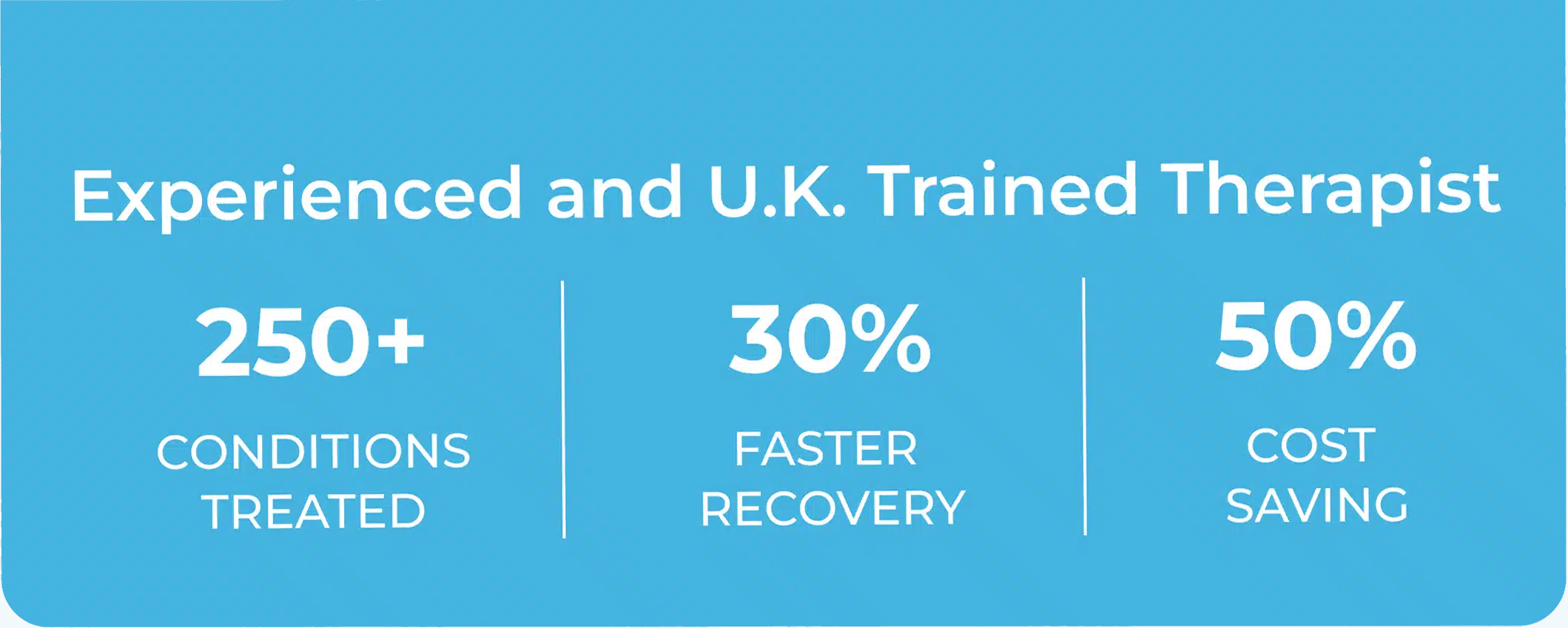

We are your doctor’s first choice and trusted by 50,000+ patients.
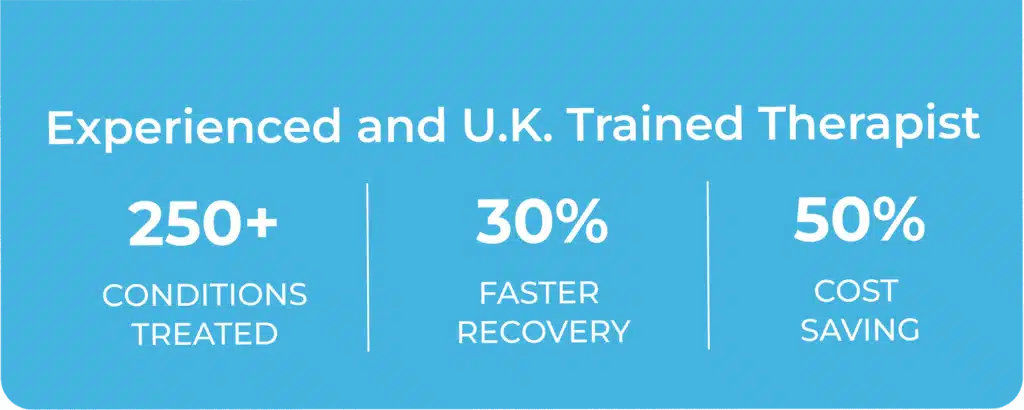
We are your doctor’s first choice and trusted by 50,000+ patients.
We are your doctor’s first choice and trusted by 50,000+ patients.
