



ACL injury physical therapy helps patients recover from ACL tears by improving knee strength, flexibility, balance, and stability. A structured ACL PT program reduces pain, restores movement, and supports safe recovery after surgery or non-surgical treatment. Early rehabilitation also helps prevent stiffness and improves overall knee function.
Online physical therapy for ACL injury includes knee strengthening exercises, balance training, and ligament recovery exercises that help patients return to daily activities and sports safely. With proper guidance and consistent ACL rehab exercises, patients can recover faster while reducing the risk of future ACL injuries.
Don’t worry if you are diagnosed with an ACL tear; this guide helps you understand how online physical therapy for an ACL injury changes your recovery journey. Here you will learn how to incorporate physiotherapy, which exercises are best, and how online therapy is making medical care accessible from home.
Our ACL PT programs at Resolve360 are designed specifically to restore your movement and gain.
At Resolve360, online ACL injury physical therapy is designed to restore not just the knee itself, but the overall strength, balance, coordination, and movement confidence required for daily life and sports performance.
ACL (Anterior Cruciate Ligament) is one of the key ligaments known for keeping the knee stable while doing movement. It connects the thigh bone (femur) to the shin bone (tibia). Also, it helps in controlling pivoting, jumping, twisting, and sudden changes in direction. If you don’t have a healthy ACL, it is difficult for you to do even simple movements.
You can easily find ACL injuries in sports like soccer, football, skiing, tennis, and basketball.
Here is a list of common symptoms that you can notice immediately after injury.
On the diagnosis of ACL tear, you should start ACL injury physical therapy as soon as possible. A well-planned program is ideal for reducing swelling and pain, restoring movement, rebuilding strength, and improving knee stability.
The biggest misconception about ACL injuries is that surgery is the only option you are left with. The reality is different from this because online ACL injury physical therapy helps replace damaged ligaments. With rehabilitation, many people are successful in treating weakness, instability, stiffness, fear of movement, or reduced athletic performance
ACL rehab exercises are designed to support your recovery in various stages to alleviate the pain. An effective physiotherapy helps in:
The knee stability training is important because it targets the weakened muscles around the knee. If you are not following the guided ACL PT properly, the risk of future injuries increases.
Whether you are choosing the surgical treatment or non-surgical, regular physical therapy for ACL injury is considered the foundation of successful recovery.
Whether treatment is surgical or non-surgical, consistent ACL injury physical therapy remains the foundation of successful ACL recovery.
A successful ACL physical therapy follows a milestone-based approach. A licensed physiotherapist makes changes in the plan according to the recovery progression. Hence, this personalized approach can minimize the risk of setbacks and support long-term healing. There are different phases, which are:
The priority of any treatment is reducing pain, and thus, this phase starts immediately after injury or surgery.
It aims to:
The physiotherapist asks you to perform quad sets, heel slides, straight-leg raises, ankle pumps, and gentle range-of-motion drills. This phase is very important to perform because it delays post-ACL surgery recovery.
The therapists often suggest prehab before ACL surgery to improve post-operative results
Once swelling reduces, the licensed therapists start your online physical therapy for ACL injury. This stage of online physical therapy for ACL injury emphasizes:
The important knee strengthening exercises to do in this phase are mini squats, step-ups, stationary bike training, resistance band exercises, leg press progression, and hip and core strengthening for ACL. If you have strong core muscles, it reduces additional stress on the knee joint.
At this stage, the sports injury rehabilitation starts, and you have to be performance-focused. Here, you generally focus on quadriceps strengthening after ACL reconstruction, hamstring exercises, single-leg movement control, improving the limb symmetry index, and neuromuscular retraining. A strong program includes:
Therapists closely monitor your movement and ensure your injured leg regains strength and control.
This is the final stage in which running is progressively introduced to athletes. Here, ACL tear physical therapy is planned individually depending on the athlete’s sport, goals, and injury history. It includes:
If you follow the exercises properly, you can significantly minimize the risk of future ACL tears.
If you think virtual physical therapy for ACL rehab only targets torn ligament healing, then it’s not. The successful recovery includes rebuilding stability, balance, knee strength, and movement control. The healing happens gradually and reduces the risk of future injury.
There is a step-by-step progression that you have to follow to get a quick recovery through ACL PT. Your recovery begins with mild exercises to target stiffness and knee movement. On noticing the improvement, therapists shift toward muscle strengthening around the knee, restore coordination, and improve balance. In the final phase, you have to perform advanced exercises like running, jumping, and cutting to meet return-to-play criteria.
After a few weeks of your ACL injury or surgery, the focus will be on controlling swelling, improving knee mobility, and reactivating muscles that become weak after injury. These exercises might look simple, but in real-time, they play a major role in your hamstring exercises ACL recovery journey. If you practice them regularly, you are contributing to faster recovery in later stages.
During rehabilitation, quad sets are one of the priorities introduced to the patients. They help in reactivating the quadriceps without putting stress on the healing knee joint. On regularly practicing these sets, you notice improved muscle engagement, knee stability, and stronger balance.
How to do it?
Regular practice of quad sets can restore early knee functioning.
Just like quad sets, heel slides are also early-stage exercises that help improve your knee flexibility and restore bending movement. Moreover, this reduces stiffness, improves mobility, and regains knee movement. The consistent performance avoids long-term motion limitations.
How to do it?
When the knee flexibility improves, it is possible to prevent scar tissue buildup.
Straight-leg raises are used for strengthening the quadriceps without affecting the healing pain. It’s so because this exercise is performed while keeping the knee straight, which causes minimal strain.
Hence, this exercise is designed for people who are still not ready for weight-bearing ligament recovery exercises.
How to do it?
This exercise targets recovering early leg strength while protecting the knee joint.
The exercise is used for strengthening the quadriceps and improving full knee straightening. Many patients struggle every day to extend the knee after going through an ACL injury or surgery. It targets the final phase of knee extension and restores knee control. With this exercise, patients can regain a natural walking pattern.
How to do it?
Without putting much strain, you can improve knee stability.
Best exercise for rebuilding knee flexibility and improving range of motion after ACL injury or surgery. It supports the knee movement when there is muscle tightness. If you do this exercise regularly, there is a possibility of limiting long-term motion and preparing the knee for further strengthening exercises.
How to do it?
With this steady improvement in knee bending, you can expect a quick recovery.
Once swelling improves and you regain the normal movement, the next step towards knee stability training is strengthening the lower body. In this stage, the focus is completely on training the knee to absorb force, maintain alignment, and respond.
This exercise aims at the single-leg control and prepares the body for climbing and running.
The leg press is useful in rebuilding glute and quadriceps strength by putting a controlled load on the knee joint. The exercise starts with both legs and then shifts to single-leg variations to bring stability.
How to do it?
Hip abduction includes the gluteus medius and strengthens it to control hip and knee alignment. With strong hip muscles, it is easy to prevent the collapse of the knee while running, walking, and performing landing activities.
How to Do It
Well, this exercise is ideal for improving single-leg strength, knee control, and balance while performing weight-bearing activities. It is highly efficient to rebuild functional movement patterns for daily activities.
How to do Step-ups?
How to Do Step-Downs?
Romanian deadlifts are one of the most reliable exercises to reinforce glutes, hip muscles, and hamstrings. Apart from this, it also supports balance, posture, and lower-body coordination.
How to Do It?
The advanced stage only starts when you regain good knee strength, stable movement patterns, and a full range of motion. It starts after 3-6 months of your injury or surgery, according to your recovery progress. In this phase, focus shifts to regaining athletic performance, power and confidence.
Single-leg squats work on lower-body strength, knee stability, and balance. Unlike other exercises, it makes each leg work independently. This aims at the glutes, quadriceps, core muscles, and hamstrings to improve neuromuscular control. The physiotherapists include this online ACL injury physical therapy in the rehabilitation plan because it can mimic the real-life athletic movement.
How to do it?
The exercise is designed to improve side-to-side stability, explosive power, and balance. It becomes important for patients with ACL injuries because of sudden pivoting, cutting, or lateral movement.
How to do it?
This exercise is meant to improve coordination, foot speed, movement control, and balance. After ACL injuries, many people lose confidence in fast movements and athletic footwork.
Moreover, this enables restoration of neuromuscular control by training the nervous system and muscles to work together.
How to do it?
Being an advanced ACL exercise, it prepares your knee for quick changes in direction while performing athletic and sports activities. These exercises usually mimic the real sports movements such as side-stepping, pivoting, acceleration, and quick movement.
How to do it?
For any sportsperson, the fear of ACL injury is very common when they are returning to sports. The success of recovery not only depends on ACL injury physical therapy but also on how much you are ready for this.
Not everyone has time to visit a physiotherapy clinic frequently. The reason could be work schedules, family responsibilities, academic commitments, and limited access to specialists. Hence, online ACL injury physical therapy has appeared as the best alternative.
Modern online ACL rehabilitation includes virtual consultations with licensed physiotherapists. They recommend personalized home exercise programs, progress tracking, and regular milestone reviews. Research also supports the benefits of ACL tear physical therapy. With this, patients can adhere to rehabilitation programs to get the higher rate of success.
What do you need to set up your home rehab space?
At Resolve360, we specifically designed structured programs for ACL injury under professional guidance. Our plans allow you to do all these exercises from the convenience of your home. Book your session now with us and see the change.
The physical physiotherapy for ACL injuries plays a crucial role in restoring knee function, reducing pain, and helping people to perform their daily activities like before. Whether you want to choose a surgical method or a non-surgical treatment, rehab is required for long-term recovery and injury prevention.
Here are some amazing benefits of online physical therapy.
ACL injury physical therapy plays a major role in patients’ recovery. Resolve360 has a team of qualified and licensed physiotherapists who guide patients to recover fast and live their lives without any pain.
Even if you are exercising with good intentions, there are certain habits you should stop to decrease the risk of complications. Recovery needs patience, consistency, and proper progression. So, if you avoid these common mistakes, it helps your knee to function properly and allows a safer return to sports.
On completion of full recovery rehabilitation, you get the chance to achieve your goal/
After ACL injury or surgery, people want to return to sports and consider it to be one of the important stages of rehabilitation.
Some of the athletes reported feeling better within a few months and made a common mistake of rushing. But they forget that their knee, muscles, and nervous system are still weak and need a longer time to recover. This results in worsening of ACL injuries and future relapse.
According to modern rehabilitation guidelines, patients are recommended to wait for at least 9 months before returning to sports.
Quad symmetry ≥ 90% via strength testing (dynamometry or hop ratio): The quadriceps muscles are very important for knee stability and absorbing shock. With the strength testing, the regained leg can regain at least 90% of the strength of the uninjured leg. Athletes are tested based on power, balance, landing control, and limb symmetry.
Single-leg hop test symmetry: It tests how a person performs a hopping task on the injured leg as compared to the opposite one. It is highly used in sports medicine and rehabilitation.
No swelling or pain with full intensity training: It is a positive way to return to sport. In this, your joint is tested against high loads without showing inflammatory signs.
Passing the Y-Balance test for dynamic stability: This test provides access to dynamic stability, balance, mobility, and neuromuscular control while standing on one leg.
Athlete-reported confidence in the knee (10/10 on psychological readiness scale): It refers to the psychological side of recovery to check how confident and mentally ready to play sports again.
These criteria show your readiness for a secure return to sport participation.
The successful recovery doesn’t mean you are ready to do your daily activities by skipping prevention training. The goal is simple: you should just stick to your rehabilitation program to prevent future relapse.
Neuromuscular warm-up programs: A well-planned warm-up program is best for improving balance, movement control, and landing mechanics. Programs like FIFA 11+ are trusted ones as per research and reduce the risk of injuries in athletes.
Ongoing hip and glute strengthening: Strong glute and hip muscles show that your pelvis is stable. Moreover, it has controlled knee alignment while jumping, running, and cutting movements.
Jump-landing mechanics training: This training is performed to optimize movement control and minimize the risk of reinjury at the time of playing sports. With proper landing mechanics, the excessive force on the knee joint automatically reduces.
Regular single-leg strength assessments: It is performed to track and monitor limb symmetry, finding residual problems and guiding recovery towards sports performance.
Adequate sleep and nutrition to support tissue health: Adequate sleep is very important for an athlete to maintain tissue healing and complete musculoskeletal health.
With consistency adherence to these can help the knee to function regularly and minimize the risk of injuries.
ACL injury recovery is a well-structured program that follows a proper timeline. It varies from person to person, injury severity, surgical approach, consistency, and individual recovery progress.
Therefore, you need to understand each stage to track progress and meet realistic goals. Every recovery is different, but the recovery phase is the same.
Instead of just focusing on timelines, you must follow guided exercises properly to reach milestones.
If you think that once you recover, you will not get future injuries, you are absolutely wrong. On returning to regular activities or sports without maintaining stability or control, there is a chance of increased pressure on the knee and raise the risk of re-injury.
The future relapse can be prevented by keeping the joints, nervous system, and muscles strong.
If you are doing regular exercises under the expert guidance, the risk of ACL injury automatically reduces.
Get a free consultation with a licensed physical therapist at Resolve360 — available within 15 minutes of booking, 7 days a week, across all conditions.
Book Free Consultation at Resolve360 →Yes, people who have an ACL tear with initial pain and decreased pain can walk. However, your knee can feel unstable, weak, and prone to twisting or pivoting. If you are walking normally, it’s not necessary that the ligament has healed properly. Therefore, a proper evaluation is needed for rehabilitation.
Many times, people leave an ACL tear untreated, thinking that it is just a normal pain. If you also do so, then you may experience chronic knee instability, meniscus injuries, and early joint degeneration. Some patients who don’t need high activity can manage without surgery.
You can start online physical therapy for ACL injury within a few days after ACL injury or surgery. If you start early, it completely focuses on decreasing swelling, restoring knee extension, activating quadriceps, and improving mobility. Hence, you can expect long-term results and help in preventing stiffness.
You can experience some discomfort at the time of ACL rehab, especially when you are targeting strength rebuilding and mobility. However, you cannot experience severe pain or excessive swelling while exercising. A licensed physiotherapist at Resolve360 customizes your exercise intensity to recover fast.
No! ACL is known to have a limited natural healing capacity due to its poor blood supply. However, there are some people who can regain knee function by doing exercises and following a personalized rehabilitation, even without surgery.
The quadriceps muscles are useful in stabilizing the knee and absorbing stress during movement. Weak muscles are related to poor movement mechanics, increased re-injury risk, and decreased athletic performance. For successful physical therapy for ACL, it is important to regain quadriceps strength.
Yes, it is seen that many patients return to running after their physiotherapy. It is possible only when you can regain strength, balance, and impact control. Running progression starts steadily and takes walking-jogging intervals for further running and agility drills.
The most common mistake people make while returning to sports is doing high-impact activities before completely regaining strength. Incomplete rehab meaningfully increases the hazard of re-injury and long-term knee issues.

Dr. Nidhi Kumari
She has persuaded her bachelor’s from SGT University, Gurugram, she has done her internship at Dr. Ram Manohar Lohia Hospital, and persuade her Master in Physiotherapy from Chaudhary Charan Singh University, Meerut. She has previously worked with Orthocure clinic, Dr.Nasir physiotherapy rehabilitation, Quantum physiotherapy, and wellness center.
If you have more questions.
Dr. Nidhi
She has persuaded her bachelor’s from SGT University, Gurugram, she has done her internship at Dr. Ram Manohar Lohia Hospital, and persuade her Master in Physiotherapy from Chaudhary Charan Singh University, Meerut. She has previously worked with Orthocure clinic, Dr.Nasir physiotherapy rehabilitation, Quantum physiotherapy, and wellness center.
If you have more questions.
If you would like to know more about any of the health conditions, please fill up the form below and talk to Doctors on Resolve360 directly by asking a question.
We are your doctor’s first choice and trusted by 50,000+ patients.
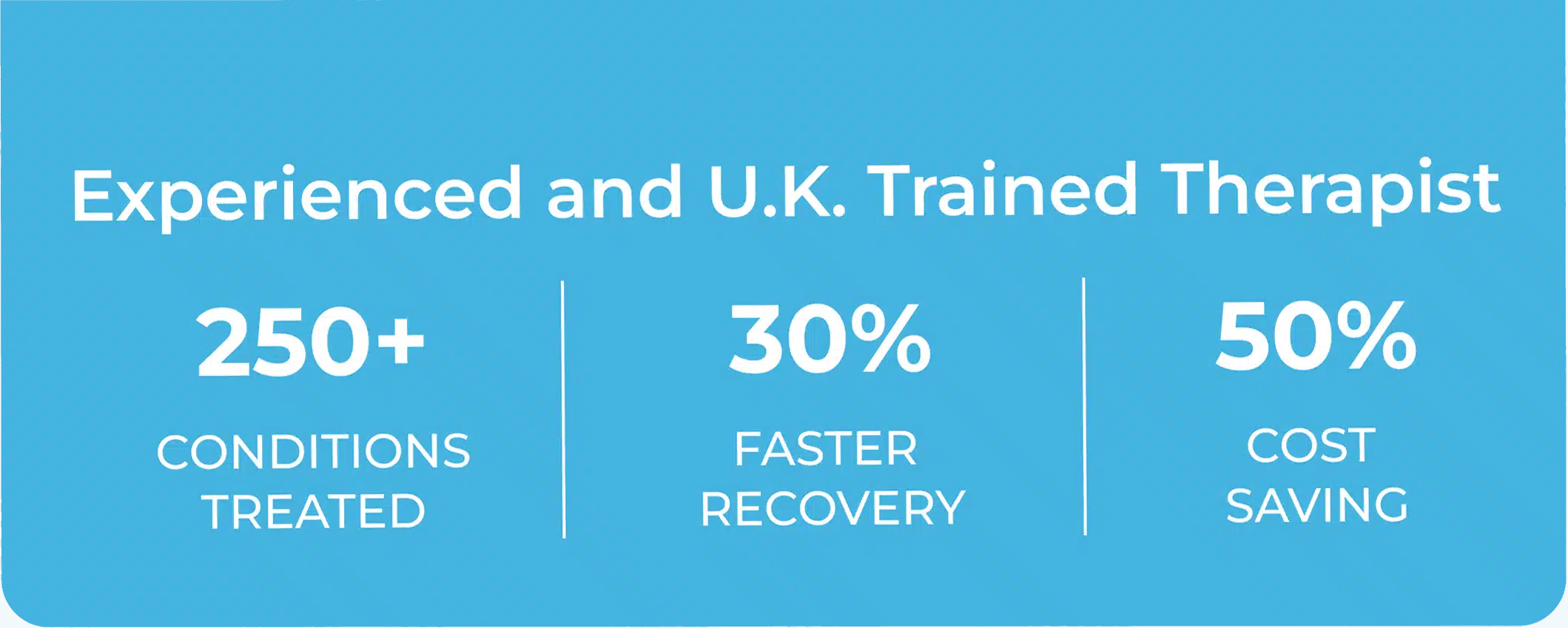

We are your doctor’s first choice and trusted by 50,000+ patients.
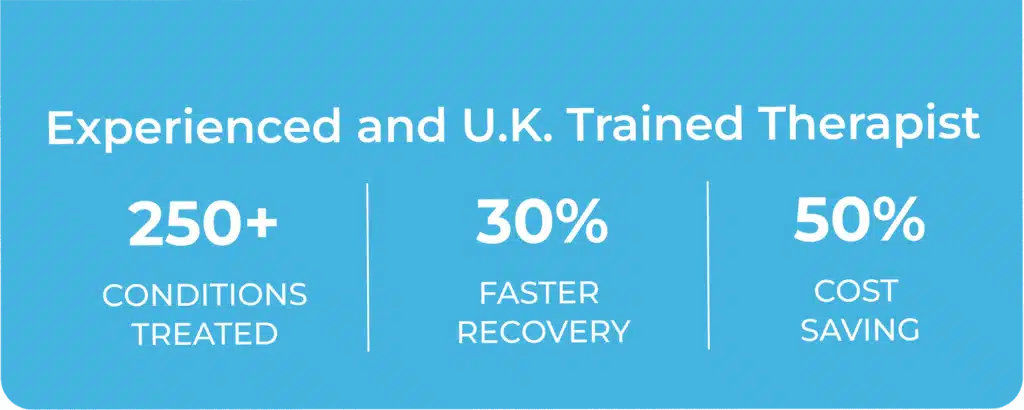
We are your doctor’s first choice and trusted by 50,000+ patients.
We are your doctor’s first choice and trusted by 50,000+ patients.


