


Do you feel a shooting pain outside of your elbow while lifting something?
You are not alone. If you think tennis elbow is limited only to athletes, think again. Nowadays, office workers, plumbers, mechanics, or even busy parents experience this condition. That’s why people want to know – how to treat elderly tendinitis at home?
The pain usually starts small but gradually becomes more severe. The good news is that you can find tennis elbow treatment at home, proven to be highly successful. There is no need to use complicated machines, follow complicated routines, or frequently visit clinics.
In this guide, you will discover proper instructions to perform 7 of the most effective exercises that are preferred for physical therapy for tennis elbow.
Tennis elbow becomes chronic if left untreated. Resolve360 connects you with the licensed physiotherapists who create a personalized rehab plan for you. With us, you will be able to regain your strength without visiting a clinic.
Tennis elbow, also called lateral epicondylitis, is defined as an overuse injury that affects the tendons on the outside of the elbow. The role of tendons is to connect your forearm to the bony bump on your elbow. By repetitive lifting, gripping, typing, or twisting motions, there is overloading of these tissues, resulting in pain, stiffness, and weakness.
Therefore, physical therapy for tennis elbow not only works on inactivity, but also looks into targeted rehab.
If you do not do proper rehab, then symptoms can return, and it becomes difficult to regain strength.
Many people consider complete rest as the best solution for tennis elbow. Well, the rest only calms irritation temporarily rather than repairing the damaged tendon. That’s the reason your pain often comes back and troubles you more.
Effective online physical therapy for tennis elbow mainly focuses on rebuilding tendon strength. A well-planned rehab program is excellent in improving tendon resilience, decreasing strain on the elbow, restoring healthy movement patterns, and strengthening the muscles.
Presently, many patients select online physical therapy over other approaches among busy professionals. There are so many reasons behind, and the main one is meeting the licensed therapists directly. They provide customized exercise plans that you can practice at home.
Also Read: How Can Physical Therapy Help Tennis Elbow
The exercises for tennis elbow are a modern approach for minimizing tennis elbow pain, rebuilding forearm strength, and improving tendon healing. Many people push themselves hard to progress, but they forget that it’s consistency that works, not intensity.
It is one of the early exercises designed for people coping with tennis elbow pain. If the forearm is tight, it can result in putting extra stress on the irritated tendon attached to the outside of the elbow.
With the gentle stretch, it is possible to improve flexibility, diminish the tension, and decrease stiffness.
How to do it?
Always keep your elbow straight; otherwise, you will lose most of the stretch.
This exercise is known to be the most evidence-based tennis elbow treatment at home for recovery. According to the research, the slow eccentric loading can improve tendon healing and progressively restore strength.
Online physical therapy for tennis elbow helps target the injured tendon tissue without excessive tension.
How to Do It?
If you are looking for the best result, it’s better to start with light resistance and increase weight slowly over weeks.
Activities like swinging a racket, opening jars, or turning knobs need rotational control of the forearm. The muscles involved here, when they become weak, put stress on the tendon. This exercise is useful in rebuilding strength and coordination while regaining stability.
How to Do It
By adding this exercise to your tennis elbow treatment at home, you can prevent future tissue damage.
In many people with tennis elbow pain, weak grip strength is commonly reported. It becomes difficult to do daily activities as grip muscles are weakened. Grip-strengthening exercises are useful in restoring function and improving tendon support around your elbow.
How to Do It
Various online therapy programs are designed while focusing on progressive grip training to improve function and achieve long-term recovery.
When you experience severe or irritated pain, it is advisable not to perform rigorous exercises, as this worsens symptoms. Isometric exercises are recommended by licensed physiotherapists to strengthen the tendons. Hence, it is considered to be the safest option for tennis elbow treatment at home.
How to Do It
This exercise is considered to be the best as it reduces pain sensitivity without affecting muscle activation. It is always recommended that patients perform low-irritation exercises at home.
Resistance band exercises are used when your pain begins to improve. It helps reinforce the tendon through a wide range of motion. With the help of a resistance band, it is possible to attain smooth motion.
This exercise is important for people who are willing to return to gym workouts, lifting tasks, and other sports.
How to Do It
With this exercise, you can expect improved muscular stamina and help tendons tolerate the stress.
It is a combination of forearm rotation, grip strength, and tendon loading to perform a single functional movement. This exercise works exactly like forearm activity during lifting, sports, and repetitive movement. The towel twist exercise is best as it targets different muscle groups.
How to Do It
If you are looking to strengthen the wrist extensors, rotational forearm muscles, and grip muscles, then you can trust this exercise.
Stop relying on the temporary options for your tennis elbow. With Resolve360, you will get the perfect guidance from licensed physiotherapists. We identify the root cause and plan your rehab accordingly.
The home remedies for tennis elbow are considered effective when combined with a customized exercise program. It works as a supportive strategy used for reducing strain, calming irritation, and creating the right environment for healing.
After doing the activity, apply ice that reduces the inflammation and soreness around the outer elbow. For this, wrap the ice in a thin towel and apply it for 15-20 minutes.
Wrap an ice pack in a thin towel and apply it for 15–20 minutes after activity. Don’t apply ice before exercise, as it increases stiffness and makes tendons more vulnerable to damage.
The tennis elbow strap or counterforce brace is worn about 1-2 inches below the elbow. It is used for decreasing stress on the irritated tendon. This can be done by redistributing force during lifting, gripping, or repetitive arm use.
As one of the most practical home remedies for tennis elbow, it is best for people who can’t avoid arm activity, such as office workers, teachers, warehouse employees, or mechanics.
It is reported that a poor setup can worsen lateral epicondylitis gradually. With small ergonomic adjustments, it can significantly reduce daily stress on the tendon. The changes that you could make:
Tennis elbow treatment at home becomes more effective if you limit the repetitive gripping and wrist extension.
To diminish the pain, many people take over-the-counter anti-inflammatory medications and perform rehab exercises. But these medicines don’t treat the root cause and can be used as a short-term support tool. Rely on these medications for not more than 1-2 weeks.
If you are looking for an answer to how to treat elbow tendonitis at home, then you can combine these home remedies with the right exercises.
Are you assured that you are doing tennis elbow exercises correctly?
Even if you are doing physical therapy for tennis elbow correctly, certain habits or mistakes can delay healing. By avoiding these mistakes, you can recover quickly from the tennis elbow pain.
Trusting only in stretching: Stretching is ideal for reducing stiffness and improving flexibility. Though the damaged tendon cannot be rebuilt on its own. If you are aiming for progressive online physical therapy, then you should use a combination of stretching and strengthening exercises.
Resting completely: There is a misconception that complete rest during exercises can delay recovery. The healing is best when you perform controlled and low-load movement. If there is inactivity, it causes stiffness, muscle weakness, and reduced tendon capacity. Rather, you should opt for gentle exercises.
Progressing too fast: Doing exercises too aggressively can overload the healing tendon and trigger a future relapse. Many licensed physiotherapists suggest increasing the load only to 10% per week.
Ignoring the shoulder and wrist: Tennis elbow is not only an elbow issue, but it also includes weak shoulder muscles, reduced grip control, and poor wrist mechanics. With well-designed exercises for tennis elbow, the shoulder, wrist, and forearm can be strengthened.
Treating with ice alone: Ice can indeed diminish soreness and calm irritation after exercise. But it does not repair damaged tendons. The lasting effect can only be achieved when there is proper load management, strengthening exercises, and a slow return to activity.
Using a tight grip during activities: Unknowingly, many people overload the tendon by using unnecessary grip force. Therefore, physiotherapists recommend using the lightest grip pressure when holding tools, carrying bags, driving, or writing.
Sometimes, the healing gets delayed not because you are doing less, but because you are doing it in the wrong way.
Wondering how much time tennis elbow takes to heal?
Recovery is completed in different stages, and you must understand what you can expect each week.
The first phase of recovery emphasized soothing irritation and reducing stress on the tendon. By doing gentle stretching and the right exercises, you can manage the pain without putting a load on the elbow.
During this phase:
Your aim should not be complete rest but rather controlled movement that supports healing.
When the pain settles, there should be gradual loading to regain strength and tolerance. The physiotherapists include eccentric wrist exercises, resistance band work, and light grip strengthening in your plan.
During this stage:
This phase is designed to stimulate the tendon and prepare the elbow to perform future activities.
At this point, many patients have noted a noteworthy improvement in daily pain. Here, you have to focus on building endurance, functional movement patterns, and grip strength.
During this stage:
Certain daily actions, such as typing, lifting light objects, or carrying bags, start feeling comfortable over time.
It is the final phase that makes you return to your daily activities like gym training, manual work, or continuous office tasks.
During this phase:
Even when the symptoms come under control, you should follow forearm and shoulder strength exercises to minimize the risk.
Many patients have recovered successfully with home remedies for tennis elbow and exercises. In case your symptoms still persist or worsen with time, then it is an indication that you should visit a doctor or a physical therapist. Signs you should notice are:
A licensed physiotherapist can monitor these factors and plan a customized recovery plan depending on your daily activities, pain levels, and work demands.
Are you looking for expert guidance without visiting an in-person clinic? At Resolve360, you will connect with licensed physical therapists through secure online video sessions. You can expect movement assessment, exercise guidance, and recovery support while sitting at home.
Recovering from tennis elbow pain is quite important. At the same time, it is also essential to avoid flare-ups for attaining a long recovery. For healthy tendons, you have to follow regular strengthening exercises, proper movement mechanics, and management of stress.
| Area | What to do? |
|---|---|
| Warm up | Spend at least 5 minutes warming up before doing sports, workouts, or repetitive arm activity. You can do light wrist circles, arm swings, and resistance band pull-apart to prepare your tendons for taking a load. |
| Equipment | Select tools and sports equipment used for reducing stress on the forearm. Focusing on larger grip handles, lighter tools, and vibration-dampening tennis strings is useful in decreasing stress on the tendon. |
| Technique | Poor movement mechanics can contribute to frequent elbow pain. Go for a lifting technique that is monitored by an experienced physical therapist. |
| Strength maintenance | Do forearm, grip, and shoulder strengthening exercises at least 1–2 times per week. Don’t discontinue them even if the pain is gone. |
| Load management | Avoid abrupt increases in training intensity, repetitive tasks, or gripping activities. Increase the workload gradually to give the tendon time to adapt safely. |
| Ergonomics | Reconsider your workstation setup, sports gear, and frequently used tools. With small improvements, you can reduce long-term tendon stress. |
Get a free consultation with a licensed physical therapist at Resolve360 — available within 15 minutes of booking, 7 days a week, across all conditions.
Book Free Consultation at Resolve360 →You should contact the physical therapist when your pain lasts more than a few weeks. Moreover, you should also hamper your daily activities, and weaken grip strength even if you are doing home therapy. The expert will detect your movement issues and suggest a progressive rehab plan.
Online physical therapy for tennis elbow has proven to be very effective when guided by a qualified professional. Usually, rehab programs consist of personalized exercises, movement tracking, pain management strategies, and ergonomic advice. Many patients choose tennis elbow treatment at home because of its convenience and consistency.
The best exercises for tennis elbow are wrist extension strengthening, forearm stretches, eccentric loading, grip strengthening, and isometric holds. These are recommended to rebuild the tendon strength, reduce strain, and improve blood flow in the affected tissue.
In some cases where tennis elbow is mild, there is a chance of improvement with minimal activity and basic care. Though if you are waiting for the pain to vanish on its own, then you are worsening the symptoms, and the healing time also gets delayed. To avoid this, you should do active rehabilitation, gradual loading, and stretching for faster recovery.
Yes! Massage can reduce muscle tightness and improve circulation around the forearm muscles that are connected to the injured tendon. Go for treatment methods such as cross-friction massage, soft tissue release, and gentle forearm massage, which may temporarily relieve. By combining massage with strengthening exercises and activity modification, you can get better results.
If you are looking for a way to reduce stress on the affected strain, you can trust counterforce braces and wrist supports. Physiotherapists recommend them because they offer temporary symptom relief and improve comfort during sports or work tasks. But, you should know that it cannot replace the strengthening exercises and only offers temporary results.
Yes. If you have rounded shoulders, weak upper back muscles, and poor arm positioning, it can cause stress on forearm tendons. Therefore, it becomes important to pay attention to your posture, shoulder stability, and overall arm mechanics.
Yes. The repetitive actions like typing, prolonged mouse use, poor wrist positioning, and inadequate desk ergonomics can gradually increase stress on the tendons. With time, this results in lateral epicondylitis, especially in people who are already diagnosed with weak forearm muscles or poor posture.

Dr. Nidhi Kumari
She has persuaded her bachelor’s from SGT University, Gurugram, she has done her internship at Dr. Ram Manohar Lohia Hospital, and persuade her Master in Physiotherapy from Chaudhary Charan Singh University, Meerut. She has previously worked with Orthocure clinic, Dr.Nasir physiotherapy rehabilitation, Quantum physiotherapy, and wellness center.
If you have more questions.
Dr. Nidhi
She has persuaded her bachelor’s from SGT University, Gurugram, she has done her internship at Dr. Ram Manohar Lohia Hospital, and persuade her Master in Physiotherapy from Chaudhary Charan Singh University, Meerut. She has previously worked with Orthocure clinic, Dr.Nasir physiotherapy rehabilitation, Quantum physiotherapy, and wellness center.
If you have more questions.
If you would like to know more about any of the health conditions, please fill up the form below and talk to Doctors on Resolve360 directly by asking a question.
We are your doctor’s first choice and trusted by 50,000+ patients.
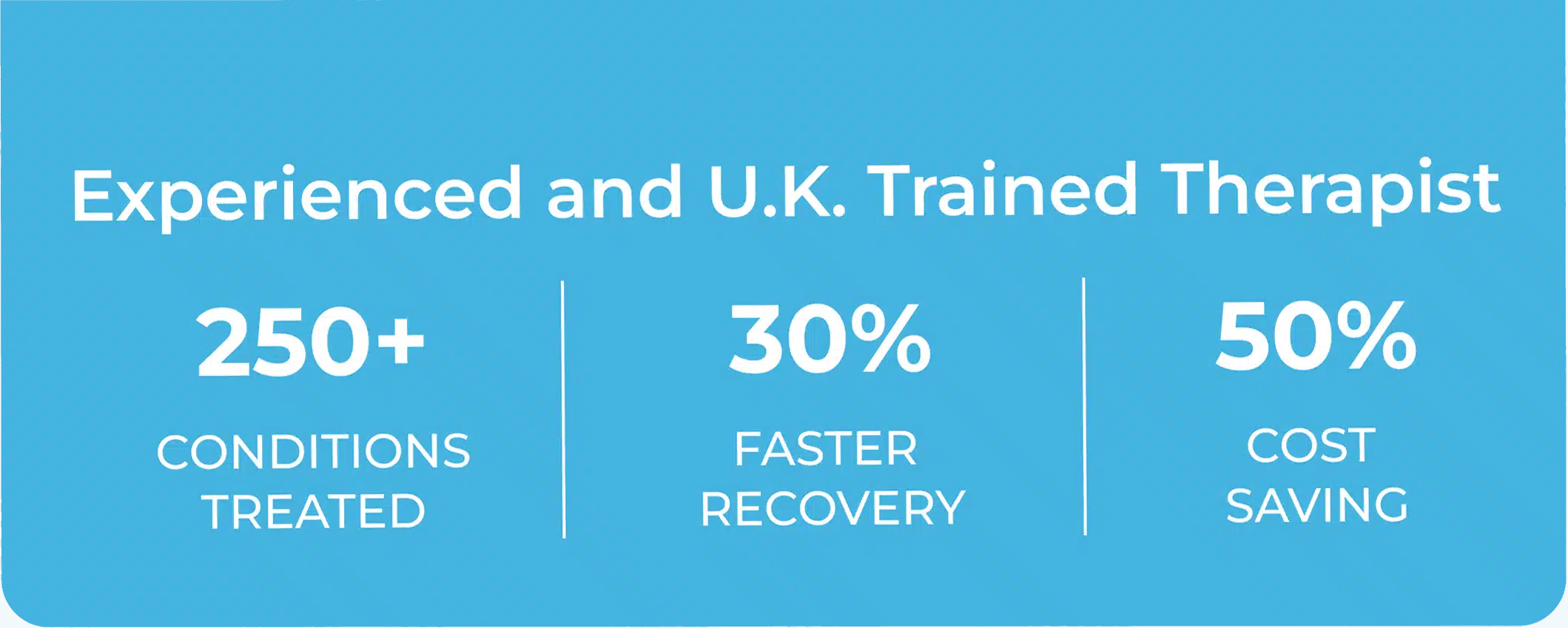

We are your doctor’s first choice and trusted by 50,000+ patients.
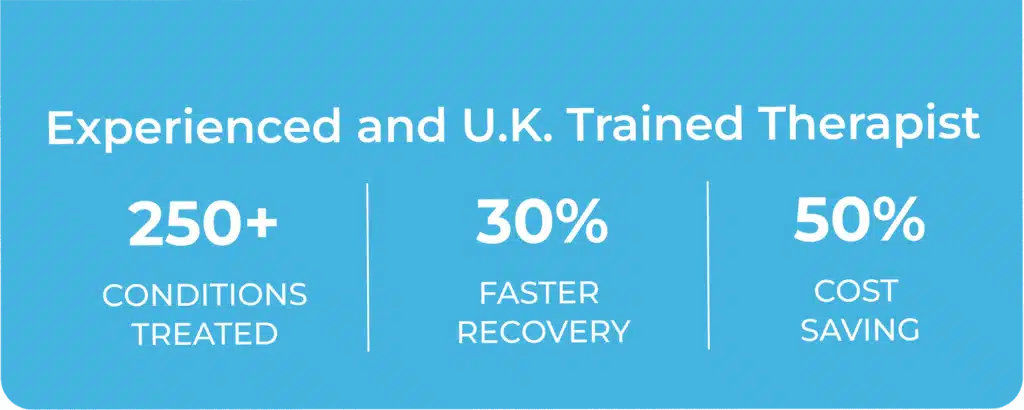
We are your doctor’s first choice and trusted by 50,000+ patients.
We are your doctor’s first choice and trusted by 50,000+ patients.


