


Reviewed & Verified by
Dr. Apoorva
The lower back (lumbar spine) supports the weight of your upper body. It allows your body to bend, sit, twist, and move in a controlled manner. The lower back is made up of five vertebrae (L1-L5), cushioned by discs, ligaments, nerves, and muscles.
Understanding the root cause is important, as the treatment changes according to the patient’s conditions. A licensed therapist helps you identify the real causes behind your lower back pain.
Lower back pain is divided into two categories:
Here are some common symptoms to watch out for.
Always pay attention to your symptoms, as it helps in customizing your back pain physio regimen by experts.
Whenever your back hurts, the first instinct that comes to mind is to rest in bed. However, studies have always shown that prolonged inactivity can worsen the situation and weaken muscles. This is where a structured back pain physio targets the root cause.
A licensed physiotherapist works with a comprehensive approach by:
Most people notice significant improvement within 4-8 weeks of consistent exercises.
By choosing the right approach, you can achieve the maximum benefits.
With the right approach, you not only reduce pain but also return to performing daily activities.
If you are dealing with constant stiffness or ongoing lower back pain, these top 5 physiotherapy exercises for lower back pain can help you get better results.
Counted amongst the most effective lumbar pain exercises, this one is best for reducing stiffness.
Step-by-step guide
Do it for 10-15 reps, twice daily. Move slowly to avoid the pain.
Progression:
It is a fundamental physio for back pain that focuses on deep stability.
Step-by-step guide
Complete 3 sets of this exercise of 8 repetitions on each side. If your lower back is arching during hip rotation, it is suggested to minimize the movement.
Progression:
This exercise is considered best for office workers and beginners as it supports posture correction. It relieves pressure on the lower back, flattens the excessive lumbar core, and activates the core.
Step-by-step guide
Always keep the movement subtle and don’t lift the hips from the ground.
Progression:
If you want to treat your sciatica and get muscle relaxation, then perform this exercise regularly.
Step-by-step guide
Don’t try to pull hard and consult the licensed physiotherapist on experiencing sharp pain or nerve discomfort.
Progression:
The major cause of lower back pain can be your weak glutes. By performing this exercise, you can fix the present imbalances.
Step-by-step guide
Progression:
These exercises are safe for most people. However, you must perform it under the guidance of experts.
Are you worried about the result? Not anymore, consistency is the key to success. 10-15 minutes is enough to do exercise and make a huge difference. Here is a simple routine to follow.
Following this routine regularly can ensure a quick recovery.
Do your workday demands include long sitting hours at the desk?
The real reason behind it could be your posture, which affects your lower back. With a simple adjustment, you can notice a significant change to prevent flare-ups. Here are some tips to look out for:
Your daily habits are the real reasons behind your health. If you stay consistent with hip flexor stretch exercises, you can ignore the symptoms of pain and achieve sciatica relief.
Many people noticed that even after doing the right exercises, they are unable to get the result they are looking for. If your back pain is not improving, then there are some mistakes that you are making unknowingly.
Physiotherapists recommend that you stop the movement when you experience sharp pain and seek medical help.
Have a look at them.
By fixing these small mistakes, you will recover in a better way, and exercises will start showing the result.
Recovery doesn’t happen overnight, as it is a steady process. The recovery depends on the causes, severity, and how you are doing physio exercises. Here’s what you can expect:
| Timeline | Changes you will notice | Focus on |
|---|---|---|
| Week 1-2 | Slight pain relief and improved comfort | Cat-Cow and Pelvic Tilt (for gentle mobility) |
| Week 3-4 | Substantial reduction in pain, smooth movement | Bird-Dog, Glute Bridge (to add strength) |
| Week 5-8 | Reduced pain, regained strength, and confidence | Moving to a harder variant, doing activities again |
| Month 3+ | Regain full function, minimal pain | Maintain routine 3 times per week, posture habits |
You will not achieve the recovery if you are not doing the right exercises with the right consistency. Recovery timeline may vary as per the severity of pain, lifestyle, and how consistently you do exercises as per the plan.
Indeed, exercises are powerful enough to relieve your pain. But the long-term result only comes when you build these simple habits to prevent relapse.
For long-term results, it is important to build these simple habits and live a pain-free life ahead.
The physiotherapy exercises are proven to be effective in most cases. There are certain situations where it is advisable to avoid exercises and seek professional help. These situations are –
These symptoms are a warning about serious underlying conditions that need medical evaluation. In such cases, you should immediately contact the licensed physiotherapists or healthcare professionals.
Get a free consultation with a licensed physical therapist at Resolve360 — available within 15 minutes of booking, 7 days a week, across all conditions.
Book Free Consultation at Resolve360 →Start these exercises for 5 days per week for the first 3-4 weeks. This helps in improving spinal motion and also decreases muscle stiffness. With the consistent performance, it is possible to get long-lasting results.
Yes, the physiotherapy exercises are quite effective in treating sciatica. If you do movements like Bird-Dog and Knee-to-Chest, they help in maintaining nerve pressure and support core endurance. With a well-designed plan, it is possible to improve flexibility and reduce inflammation.
Yes, the gentle physio exercises can easily prevent relapse. You can do Cat-Cow and Pelvic Tilts to recover blood circulation and avoid stiffness. Don’t focus on intense movements and emphasize mainly on physio exercises. If pain worsens, you should consult a licensed physiotherapist to understand your condition well.
If you want to heal fast, then it’s important to do regular physiotherapy exercises such as Cat-Cow and Knee-to-Chest. They are used for improving spine mobility. You can also add a hip flexor stretch to your regimen and take a short walk. A perfect combination of exercises brings quick relief.
You should consult a specialist on experiencing constant back pain that lasts beyond two weeks. This pain can radiate to the legs and can also cause numbness. By contacting a well-trained physiotherapist, you will get a tailored plan of physiotherapy exercises to correct your posture and address core strength.
Beginners should start with exercises like Cat-Cow, Pelvic Tilts, and Knee-to-Chest. These targets to improve flexibility and reduce stiffness without strain. A simple home physio exercises routine builds confidence, while gradually introducing core strengthening movements as pain improves.
Yes, there are exercises designed to be done without any use of equipment. Bird-Dog, Glute Bridge, and hip flexor stretch are among them as they progress your strength and flexibility. With the right guidance from a licensed physiotherapist, you can get a faster recovery.
You don’t have to be confused about it, as both work for your recovery. Just choose your time that suits your lifestyle. Most people prefer mornings, as it is ideal for minimizing stiffness and improving spine mobility. On the other hand, in the evenings, you can easily release work tension while performing these exercises.

Dr. Nidhi Kumari
She has persuaded her bachelor’s from SGT University, Gurugram, she has done her internship at Dr. Ram Manohar Lohia Hospital, and persuade her Master in Physiotherapy from Chaudhary Charan Singh University, Meerut. She has previously worked with Orthocure clinic, Dr.Nasir physiotherapy rehabilitation, Quantum physiotherapy, and wellness center.
If you have more questions.
Dr. Nidhi
She has persuaded her bachelor’s from SGT University, Gurugram, she has done her internship at Dr. Ram Manohar Lohia Hospital, and persuade her Master in Physiotherapy from Chaudhary Charan Singh University, Meerut. She has previously worked with Orthocure clinic, Dr.Nasir physiotherapy rehabilitation, Quantum physiotherapy, and wellness center.
If you have more questions.
If you would like to know more about any of the health conditions, please fill up the form below and talk to Doctors on Resolve360 directly by asking a question.
We are your doctor’s first choice and trusted by 50,000+ patients.
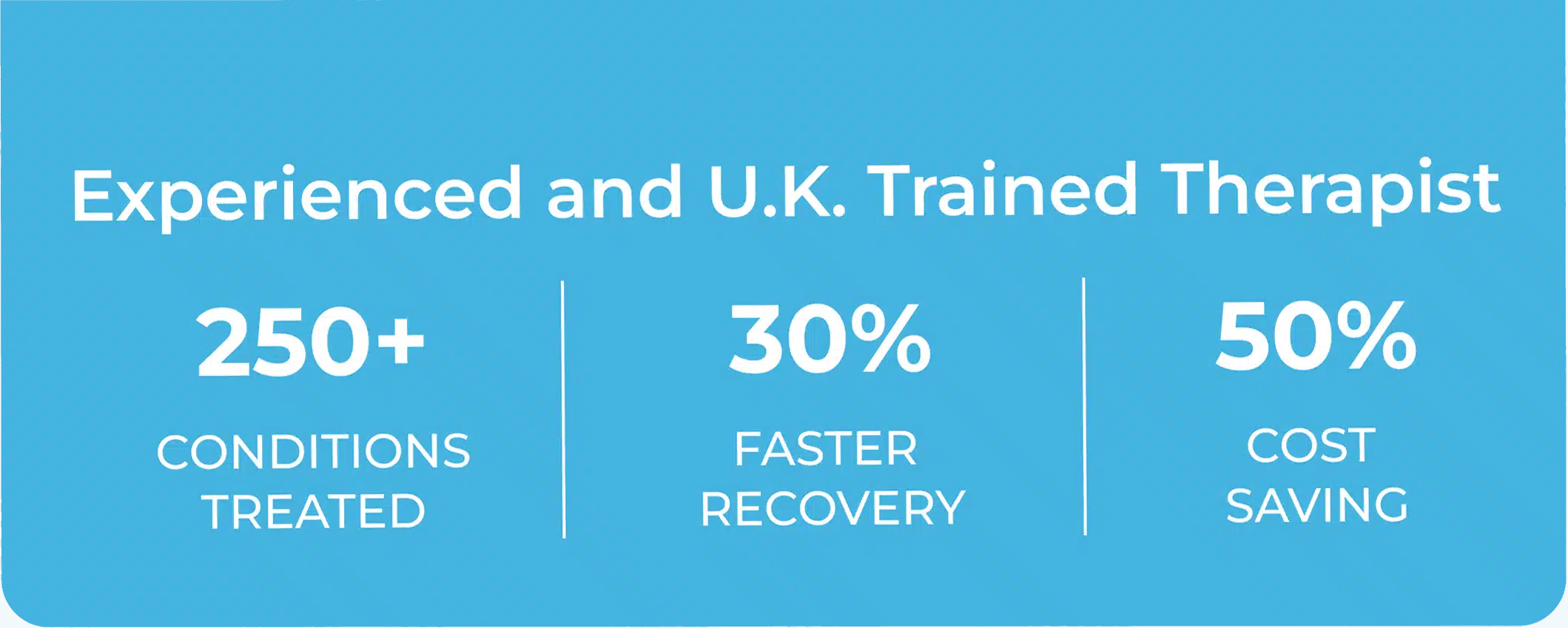

We are your doctor’s first choice and trusted by 50,000+ patients.
We are your doctor’s first choice and trusted by 50,000+ patients.
We are your doctor’s first choice and trusted by 50,000+ patients.
