1. Lower Back Pain
Lower back pain is one of the most successfully treated things through online physiotherapy, and honestly it seems like most people get better when it’s done right, with guided exercise therapy. You see results with posture correction, movement education, and gradual strengthening instead of just staying laid up for too long.
Lower back pain can impact people of all ages, and it’s usually linked to prolonged sitting, not so great posture, muscle weakness, lifting injuries, or age-related spinal changes.
Common Symptoms
- Pain in the lower back
- Morning stiffness
- Difficulty bending
- Pain while sitting for long periods
- Muscle tightness
- Occasional pain radiating into the leg
How Online Physiotherapy Helps
A physiotherapist checks spinal movement, posture, suppleness, and the actual limitations in daily tasks by doing a guided video assessment, while watching the person move.
Treatment may include:
- Core strengthening exercises
- Mobility exercises
- Hip flexibility training
- Posture correction
- Ergonomic advice
- Walking progression
- Activity modification
Patients are also given guidance on secure lifting methods and a few practical approaches to lower the chances of pain coming back again.
Expert Tip: For most non specific lower back pain cases, staying active and doing the exercises you were prescribed usually helps recovery more than hanging around in bed for too long.
2. Neck Pain
Online physiotherapy can be quite effective for neck pain that shows up with posture stuff , because it helps with cervical mobility, boosts the neck muscles, and tweaks workplace ergonomics in a kind of gradual way.
In today’s modern life, neck discomfort seems to appear much more often than before, largely because we spend too long in front of computers, we keep checking phones, and we don’t always sit well.
Common Symptoms
- Neck stiffness
- Pain while turning the head
- Headaches
- Shoulder tightness
- Pain extending into the upper back
Virtual Assessment Includes
- Neck range of motion
- Sitting posture evaluation
- Desk ergonomics assessment
- Shoulder mobility testing
- Muscle imbalance screening
Treatment May Include
- Deep neck strengthening
- Stretching exercises
- Scapular stabilization
- Ergonomic corrections
- Postural retraining
- Activity modifications
3. Knee Pain
Quite a lot of times knee pain can be handled online pretty effectively through progressive strengthening, mobility work, gait adjustments, and changing daily activity patterns.
Also, knee pain can show up because of overuse injuries, arthritis issues, ligament problems, muscle weakness or just improper movement mechanics, which is often the real culprit.
Common Symptoms
- Pain while climbing stairs
- Swelling
- Stiffness
- Difficulty squatting
- Reduced walking tolerance
- Clicking sounds
Online Physiotherapy Treatment
Virtual sessions focus on strengthening muscles that support the knee rather than only treating the painful area.
Programs often include:
- Quadriceps strengthening
- Hamstring strengthening
- Hip strengthening
- Balance exercises
- Walking retraining
- Functional movement correction
Patients also receive advice on safe return to exercise and daily activities.
4. Sports Injuries
A lot of mild to moderate sports injuries can be made better again pretty effectively with online physiotherapy, but only if the plan is structured. This usually includes strengthening in a very steady way, more flexibility training , and a proper return-to-sport program so the body can adapt. Overall the approach helps, kind of like guided rehab, even if it sounds simple at first, because it tracks progress and keeps it moving forward.
Athletes frequently experience:
- Muscle strains
- Ligament sprains
- Tendon injuries
- Running-related injuries
- Shoulder overuse injuries
Online Assessment
The physiotherapist evaluates:
- Movement quality
- Functional strength
- Balance
- Joint mobility
- Sport-specific movements
Rehabilitation Focus
Treatment commonly includes:
- Progressive strengthening
- Flexibility training
- Balance exercises
- Plyometric progression
- Injury prevention strategies
- Sport-specific rehabilitation
5. Stroke Rehabilitation
Online physiotherapy can be really important for stroke rehabilitation once the person is medically stable. These virtual sessions tend to zero in on building strength, balance , coordination, walking ability, and day to day independence, usually via customized exercise plans and ongoing progress tracking so things don’t drift.
A stroke may mess with movement, muscle control, steadiness, coordination, speech and ordinary activities. Recovery is never the same for everyone, but steady rehab, more or less, is one of the biggest factors behind better long term outcomes.
Common Symptoms
- Weakness on one side of the body
- Difficulty walking
- Poor balance
- Muscle stiffness or spasticity
- Reduced coordination
- Difficulty performing everyday activities
How Online Physiotherapy Helps
Treatment may include:
- Balance training
- Walking (gait) retraining
- Strengthening exercises
- Functional movement practice
- Transfer training (bed to chair)
- Coordination exercises
- Caregiver education
During sessions, family members or caregivers are usually around , to help with exercises and to make things safer. Sometimes it’s that hands on support that keeps it smoother.
Expert Insight: Stroke recovery isn’t quick, it’s a slow and steady journey. Little improvements made again and again, over weeks ,then months, can add up. In the end it often brings real gains in independence and daily living.
6. Frozen Shoulder
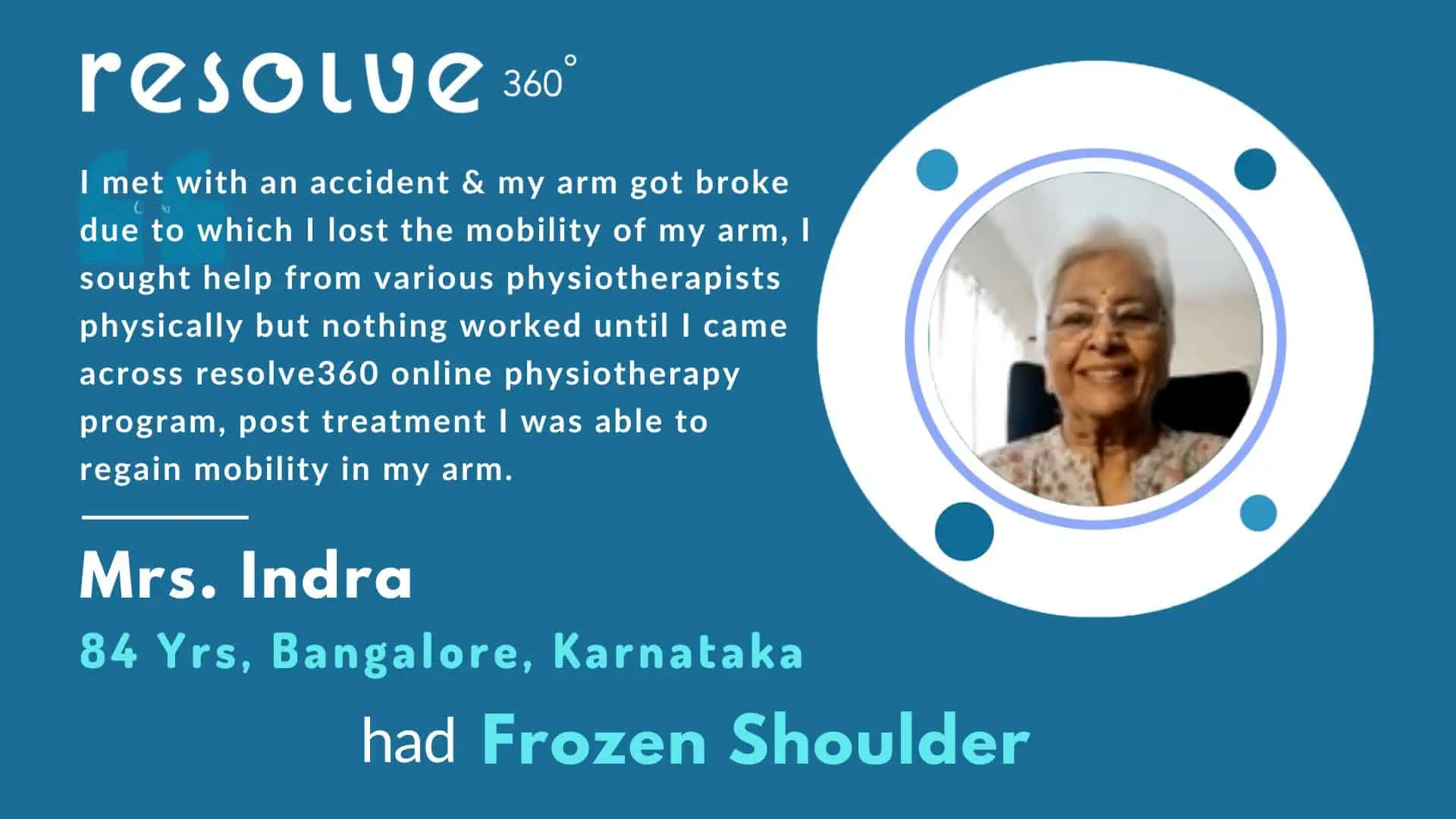
Frozen shoulder tends to do pretty well with online physiotherapy, because the turnaround mostly hangs on steady stretching, shoulder mobility workouts, and patient guidance, not only on manual therapy alone.
Frozen shoulder, or adhesive capsulitis, brings along gradual stiffness and nagging pain that clamps down the range of motion in the shoulder.
Common Symptoms
- Shoulder pain
- Difficulty lifting the arm
- Reduced overhead movement
- Pain while dressing
- Difficulty sleeping on the affected side
Virtual Assessment
The physiotherapist evaluates:
- Active shoulder movement
- Functional limitations
- Pain patterns
- Daily activity restrictions
Treatment Includes
- Gentle mobility exercises
- Stretching program
- Shoulder strengthening
- Posture correction
- Home activity modification
Recovery can take several months, yet when you keep a consistent routine the shoulder mobility usually improves and the whole stiffness eases up a lot.
Expert Tip: Doing gentle shoulder mobility movements every day is often more effective than trying aggressive stretching only every once in a while.
7. Sciatica
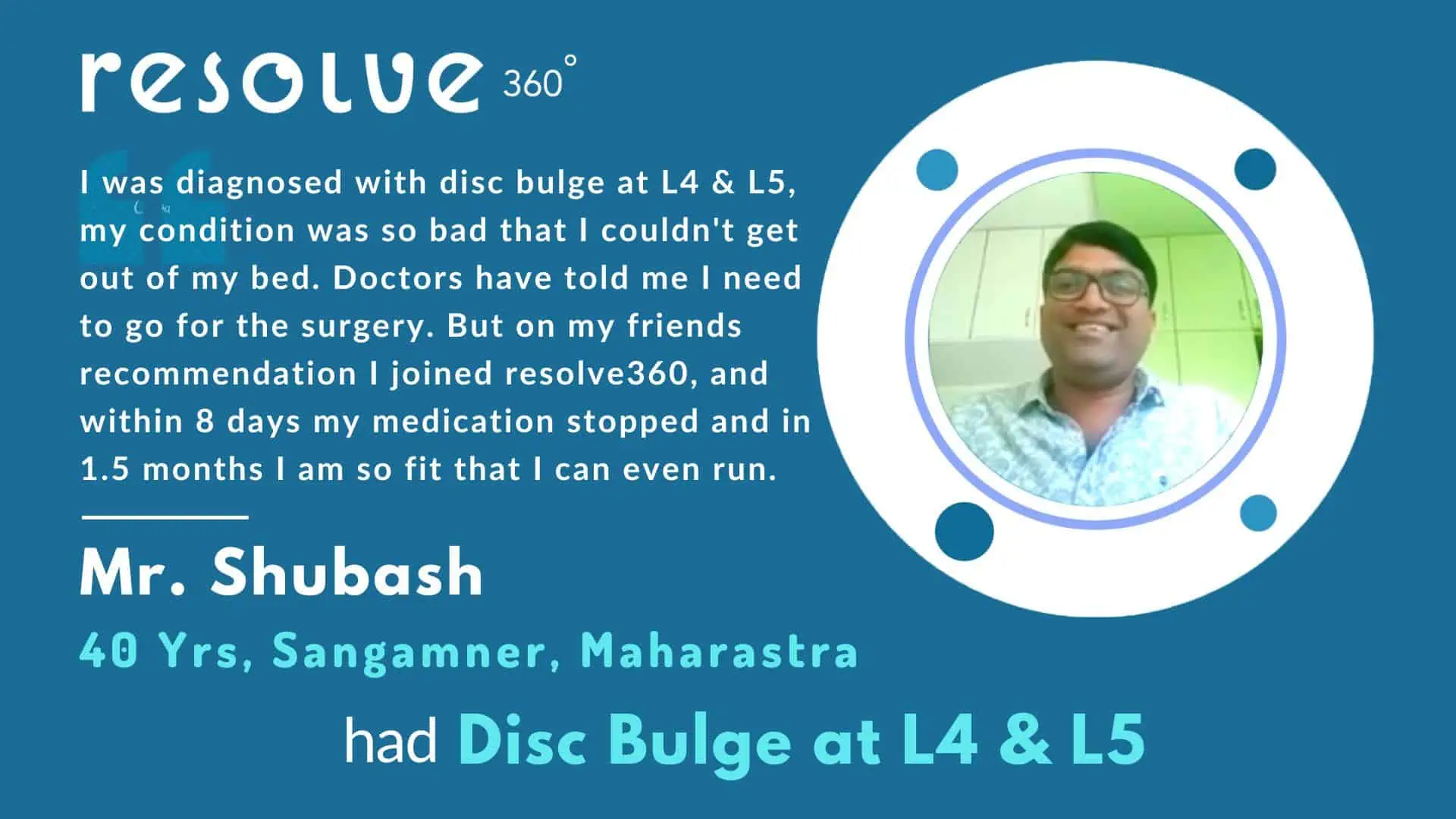
A lot of sciatica cases tend to get better with online physiotherapy, especially when there are guided nerve mobility drills, spinal stabilization, posture correction, and a bit of activity adjustment.
Sciatica, it happens when the sciatic nerve is irritated, pinched, or just overly sensitized often linked with a lumbar disc issue, or irritation from nearby tissue.
Common Symptoms
- Pain radiating from the lower back into the leg
- Tingling
- Numbness
- Burning sensation
- Leg weakness
- Pain while sitting
Online Physiotherapy Assessment
A physiotherapist may evaluate:
- Pain location
- Walking pattern
- Lumbar spine movement
- Nerve tension tests
- Functional activities
Treatment May Include
- Sciatic nerve glides
- Core strengthening
- McKenzie-based exercises (when appropriate)
- Hip mobility exercises
- Posture correction
- Walking progression
Patients are also taught how to sit, stand, and lift correctly to reduce nerve irritation.
Seek Immediate Medical Care If You Experience
- Loss of bladder or bowel control
- Progressive leg weakness
- Numbness around the groin area
- Severe trauma with sudden symptoms.
8. Arthritis
Online physiotherapy can help people living with arthritis, decrease pain, make joints move better, build strength, and keep a sense of independence, mostly through routine exercise and also movement education.
A lot of folks wrongly think that exercise will just make arthritis worse. But actually, when it is planned correctly, the right kind of movement program is often viewed as one of the best long-term approaches for dealing with arthritis symptoms.
Common Symptoms
- Joint pain
- Morning stiffness
- Swelling
- Reduced mobility
- Difficulty climbing stairs
- Pain after prolonged inactivity
Online Treatment Focus
Physiotherapists develop individualized programs that may include:
- Gentle strengthening
- Range-of-motion exercises
- Low-impact aerobic activity
- Balance training
- Functional movement practice
Patients also learn pacing strategies so they can stay active without constantly overloading painful joints.
Expert Insight: Movement really does nourish healthy joint function, and when people stay inactive for long stretches it often ends up increasing stiffness and weakness, then arthritis symptoms become harder to manage overall.
9. Post-Surgical Rehabilitation
After getting the surgeon’s clearance online physiotherapy can still effectively guide patients through lots of phases in post-operative rehab, by monitoring motion, strength, and functional recovery.
Recovery after surgery depends heavily on a well structured rehabilitation plan not just the surgery itself.
Online physiotherapy is commonly used after:
- Knee replacement
- Hip replacement
- ACL reconstruction
- Rotator cuff repair
- Shoulder surgery
- Spine surgery
- Meniscus surgery
Rehabilitation Goals
Treatment progresses through several stages:
Recovery Phase | Rehabilitation Goal |
Early Recovery | Reduce stiffness and restore movement |
Intermediate Phase | Improve muscle strength |
Advanced Phase | Restore balance and function |
Final Phase | Return to work, sports, or normal activities |
Virtual Rehabilitation May Include
- Range-of-motion exercises
- Progressive strengthening
- Walking progression
- Balance training
- Functional exercises
- Scar mobility education (where appropriate)
Regular follow-up allows physiotherapists to modify exercises according to each patient’s stage of healing.
10. Balance and Mobility Disorders
Online physiotherapy can really help with balance, walking confidence, and general mobility for older adults and people who have neurological or vestibular issues, thanks to planned balance practice and fall-prevention programs.
As people get older, balance disorders show up more often, especially with neurological conditions, inner ear problems , and also because physical activity tends to drop off.
Common Symptoms
- Frequent falls
- Unsteady walking
- Dizziness during movement
- Fear of falling
- Difficulty walking on uneven surfaces
- Reduced confidence during daily activities
Online Assessment
Virtual assessment may include:
- Walking observation
- Functional balance testing
- Sit-to-stand assessment
- Turning movements
- Single-leg balance (when safe)
Treatment Includes
- Balance exercises
- Walking practice
- Strength training
- Coordination exercises
- Fall prevention education
- Home safety recommendations
Lots of older adults like to get rehabilitation right inside their own homes, because therapists can suggest practical safety improvements based on what’s actually going on in the patient’s living situation .
Expert Tip: Working on balance isn’t only about avoiding falls either— it’s also tied to keeping confidence, independence, and the bigger day to day quality of life.