Alzheimer's disease is a brain disorder that gets worse over time. It's characterized by changes in the brain that lead to deposits of certain proteins. Alzheimer's disease causes the brain to shrink and brain cells to eventually die. Alzheimer's disease is the most common cause of dementia — a gradual decline in memory, thinking, behavior, and social skills.
Symptoms
Memory loss is the key symptom of Alzheimer’s disease. Early signs include difficulty remembering recent events or conversations. But memory gets worse and other symptoms develop as the disease progresses.
At first, someone with the disease may be aware of having trouble remembering things and thinking clearly. As symptoms get worse, a family member or friend may be more likely to notice the issues.
Brain changes associated with Alzheimer’s disease lead to growing trouble with: Memory
Everyone has memory lapses at times, but the memory loss associated with Alzheimer’s disease persists and gets worse. Over time, memory loss affects the ability to function at work or at home.
People with Alzheimer's disease may:
Repeat statements and questions over and over.
Forget conversations, appointments, or events.
Misplace items, often putting them in places that don’t make sense.
Get lost in places they used to know well.
Eventually, forget the names of family members and everyday objects.
Have trouble finding the right words for objects, expressing thoughts, or taking part in conversations.
Alzheimer’s disease causes difficulty concentrating and thinking, especially about abstract concepts such as numbers.
Doing more than one task at once is especially difficult. It may be challenging to manage finances, balance checkbooks and pay bills on time. Eventually, a person with Alzheimer’s disease may be unable to recognize and deal with numbers.
Alzheimer’s disease
Making judgments and decisions
Alzheimer’s disease causes a decline in the ability to make sensible decisions and judgments in everyday situations. For example, a person may make poor choices in social settings or wear clothes for the wrong type of weather. It may become harder for someone to respond to everyday problems. For example, the person may not know how to handle food burning on the stove or decisions when driving.
Planning and performing familiar tasks
Routine activities that require completing steps in order become a struggle. This may include planning and cooking a meal or playing a favorite game. Eventually, people with advanced Alzheimer’s disease forget how to do basic tasks such as dressing and bathing.
Changes in personality and behavior
Brain changes that occur in Alzheimer’s disease can affect moods and behaviors. Problems may include the following:
Depression.
Loss of interest in activities.
Social withdrawal.
Mood swings.
Distrust in others.
Anger or aggression.
Changes in sleeping habits.
Wandering.
Loss of inhibitions.
Delusions, such as believing something has been stolen.
Preserved skills
Despite major changes to memory and skills, people with Alzheimer’s disease are able to hold on to some skills even as symptoms get worse. Preserved skills may include reading or listening to books, telling stories, sharing memories, singing, listening to music, dancing, drawing, or doing crafts.
These skills may be preserved longer because they’re controlled by parts of the brain affected later in the course of the disease.
When to see a doctor?
A number of conditions can result in memory loss or other dementia symptoms. Some of those conditions can be treated. If you are concerned about your memory or other thinking skills, talk to your healthcare provider.
If you are concerned about thinking skills you observe in a family member or friend, talk about your concerns and ask about going together to talk to a provider.
How can Resolve360 help you deal with pain?
Resolve360 is a promising online platform where one can receive treatment at the comfort of their own home.
Sick patients don’t need to worry about traveling long distances to get diagnosed.
The patients can save time and utilize that time to take care of themselves.
Live sessions are conducted so that the patients can have a face to face interaction with their assigned doctors.
Building trust is really important. So, we always try our best to provide the maximum support to the patients to make them feel comfortable.
We always schedule the timings of the meetings based on the patient’s preference. Rescheduling can also be done if there are any problems.
When a patient comes to our doctor, it becomes the responsibility of our doctor to give them a healthy life.
We guarantee that the doctors will never leave their patients.
The patients can openly talk about their problems, and we assure them that the information will be between them and the doctors.
Our doctors plan every step necessary for their patients, from planning exercises to drafting their diet charts.
The doctors on the platform are highly reliable and are certified professionals with experience.
It is a platform that provides solutions to every problem, starting with home remedies to prescribed medications.
The patient’s trust is our confidence!
There is free access to knowledge and consultation. For further details, don’t forget to contact us! We will take extreme pride in serving you! Happy recovery!
Disclaimer:The above-mentioned remedies and medicines; are over the counter medicines and are effective in most cases. It is advisable to contact your doctor before taking any medications.
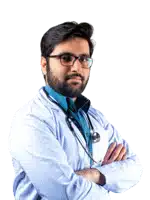
Dr. Ashish
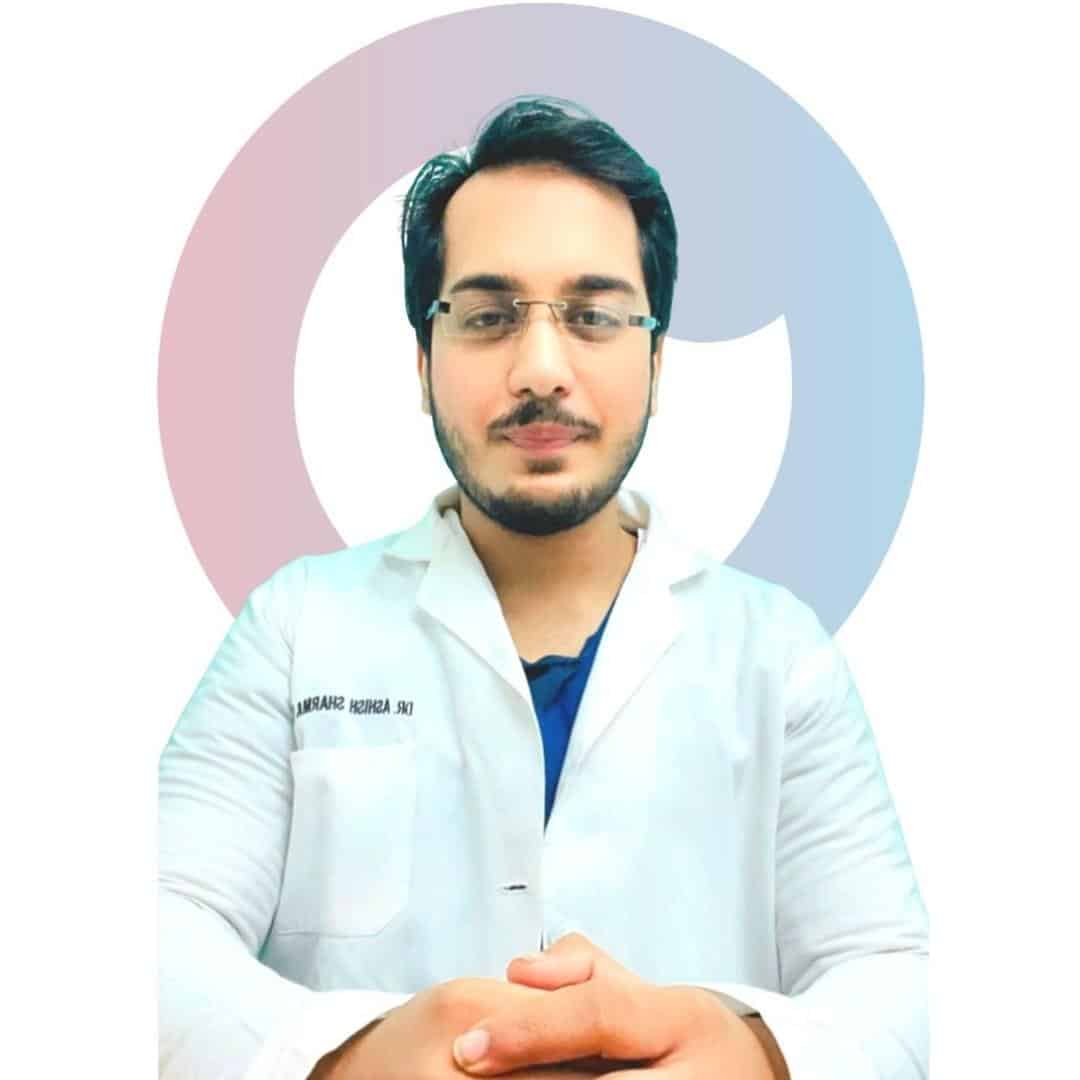
Dr. Ashish Sharma has done BPT, PGDM Sports, and exercise from New Zealand. He is also a Certified international dry needling practitioner (club physio Capetown). He holds a Diploma in Sports medicine -FIFA & he is also Certified in Kinesio taping and manual therapy. He has worked for Physiotherapist Global welfare foundation – Advance physio and sports medicine center ( senior citizen center) in Delhi. He has also served as a physiotherapist for the Indian Railways wrestling team for senior nationals 2018 and also Served as a physio for Super fight league (international MMA) super boxing league 2017-18. He has also treated Celebs like Sushant Singh Rajput, Tiger shroff.
Dr. Ashish Sharma has done BPT, PGDM Sports, and exercise from New Zealand. He is also a Certified international dry needling practitioner (club physio Capetown). He holds a Diploma in Sports medicine -FIFA & he is also Certified in Kinesio taping and manual therapy. He has worked for Physiotherapist Global welfare foundation – Advance physio and sports medicine center ( senior citizen center) in Delhi. He has also served as a physiotherapist for the Indian Railways wrestling team for senior nationals 2018 and also Served as a physio for Super fight league (international MMA) super boxing league 2017-18. He has also treated Celebs like Sushant Singh Rajput, Tiger shroff.
I have been taking sessions from March without a break. It has been a boon for my physical fitness. My issues with my fitness especially knee ligaments have been effectively taken care of and I am able to continue with active tennis daily thanks to resolve360 and Dr. David
Mr Keyur Dalwadi
Speech Therapy for his Kid
We contacted resolve360 for our child speech issue and I must say Resolve 360 team and Apoorva doing a wonderful job.
Our speech therapist Jaslia from Resolve360 is having a excellent knowledge.... Read More
Mr Ram Kumar
Physical Fitness
From being a couch potato with poor cardio respiratory system to reaching pre-athlete levels of fitness in a span of 3 months, my journey with Resolve360 and Dr.David (Physiotherapist) has been anything but magical!..... Read More
Dr Shrinivas H
Rehab for Heel Pain
I had online Physiotherapy sessions by Prerana for my heel pain. ( Tendo Achilis Sprain).
Though virtual, it was more interactive.
She was very observant throughout the sessions, correcting me while doing the exercises..... Read More
Mr Narayan Vyas
COVID19 Rehab
One of the best app available for therapy sessions online. I was covid positive, and one more my friend recommended this app, trust me, it was the best decision I have ever taken..... Read More
Ms Shilpi B
Rehab for Ligament Injury
A friend introduced me to Resolve 360 so that I could treat a ligament injury that was hindering my day to day activities. It was a bad phase! This platform is not only a.... Read More
Ms Uma Narayanan
Rehab for Back Pain
Let the year 2021 bring laughter, joy and happiness and good health. It already has, in mine and my husband Narayans life. Yes we are now freely moving around doing..... Read More
Mr Nikhil Shrivastava
COVID19 Rehab
My father’s case was worse case of covid he had severe lung damage and was in hospital for almost 40 days, My mentor here provided really great guidance and help; sessions helped so much in recovery...Read More
Ms Srishti Gupta
Rehab for Back Pain
Hello everyone
I have been regularly taking sessions from Resolve360 (from Dr Apoorva) since January 2020. I have been suffering from upper and lower back pain from last 10 years....Read More
Ms Christy J
Post Natal Care
By the advice of my gynaecologist, I found this place. I thank doctor Dr Aporva for supported me and encouraged me well even before my sessions begin. Doctor Prerna who dealt me...Read More
Ms Garima Gupta
Rehab for Neck & Back Pain
Best therapy sessions that too at home and timings are very flexible. I had a issue in my neck and lower back since almost 4 to 5 years, taken so many treatments...Read More
Ms Shubhra Jain
Prenatal Care
I took prenatal care program from Resolve 360. Dr. Preyrna was assigned to me and she has done commendable job. I did prenatal exercises under her supervision, she designed...Read More
Ms Shruti Gupta
Rehab for Scapula Dyskinesia
Resolve360 is great platform for online physiotherapy.
I was suffering from scapula dyskinesia and had lot of pain in right shoulder movement.
I was introduced...Read More
R HARISHANKAR
COVID19 Rehab
The therapy sessions were very helpful in regaining heart and lung fitness after recovering from covid. The trainers were friendly, knowledgeable and they provided a customised program depending on my fitness level and health condition.
Mr Rohit Musaddi
Rehab for Knee Pain
I have been taking sessions from March without a break. It has been a boon for my physical fitness. My issues with my fitness especially knee ligaments have been effectively taken care of and I am able to continue with active tennis daily thanks to resolve360 and Dr. David
Mr Keyur Dalwadi
Speech Therapy for his Kid
We contacted resolve360 for our child speech issue and I must say Resolve 360 team and Apoorva doing a wonderful job.
Our speech therapist Jaslia from Resolve360 is having a excellent knowledge.... Read More
Mr Ram Kumar
Physical Fitness
From being a couch potato with poor cardio respiratory system to reaching pre-athlete levels of fitness in a span of 3 months, my journey with Resolve360 and Dr.David (Physiotherapist) has been anything but magical!..... Read More
Dr Shrinivas H
Rehab for Heel Pain
I had online Physiotherapy sessions by Prerana for my heel pain. ( Tendo Achilis Sprain).
Though virtual, it was more interactive.
She was very observant throughout the sessions, correcting me while doing the exercises..... Read More
Mr Narayan Vyas
COVID19 Rehab
One of the best app available for therapy sessions online. I was covid positive, and one more my friend recommended this app, trust me, it was the best decision I have ever taken..... Read More
Ms Shilpi B
Rehab for Ligament Injury
A friend introduced me to Resolve 360 so that I could treat a ligament injury that was hindering my day to day activities. It was a bad phase! This platform is not only a.... Read More
Ms Uma Narayanan
Rehab for Back Pain
Let the year 2021 bring laughter, joy and happiness and good health. It already has, in mine and my husband Narayans life. Yes we are now freely moving around doing..... Read More
Mr Nikhil Shrivastava
COVID19 Rehab
My father’s case was worse case of covid he had severe lung damage and was in hospital for almost 40 days, My mentor here provided really great guidance and help; sessions helped so much in recovery...Read More
Ms Srishti Gupta
Rehab for Back Pain
Hello everyone
I have been regularly taking sessions from Resolve360 (from Dr Apoorva) since January 2020. I have been suffering from upper and lower back pain from last 10 years....Read More
Ms Christy J
Post Natal Care
By the advice of my gynaecologist, I found this place. I thank doctor Dr Aporva for supported me and encouraged me well even before my sessions begin. Doctor Prerna who dealt me...Read More
Ms Garima Gupta
Rehab for Neck & Back Pain
Best therapy sessions that too at home and timings are very flexible. I had a issue in my neck and lower back since almost 4 to 5 years, taken so many treatments...Read More
Ms Shubhra Jain
Prenatal Care
I took prenatal care program from Resolve 360. Dr. Preyrna was assigned to me and she has done commendable job. I did prenatal exercises under her supervision, she designed...Read More
Ms Shruti Gupta
Rehab for Scapula Dyskinesia
Resolve360 is great platform for online physiotherapy.
I was suffering from scapula dyskinesia and had lot of pain in right shoulder movement.
I was introduced...Read More
R HARISHANKAR
COVID19 Rehab
The therapy sessions were very helpful in regaining heart and lung fitness after recovering from covid. The trainers were friendly, knowledgeable and they provided a customised program depending on my fitness level and health condition.
If you would like to know more about any of the health conditions, please fill up the form below and talk to Doctors on Resolve360 directly by asking a question.
We are your doctor’s first choice and trusted by 50,000+ patients.
get a call in 15 minutes
We are your doctor’s first choice and trusted by 50,000+ patients.
Get a Call in 15 Minutes
We are your doctor’s first choice and trusted by 50,000+ patients.
Get a Call in 15 Minutes
We are your doctor’s first choice and trusted by 50,000+ patients.