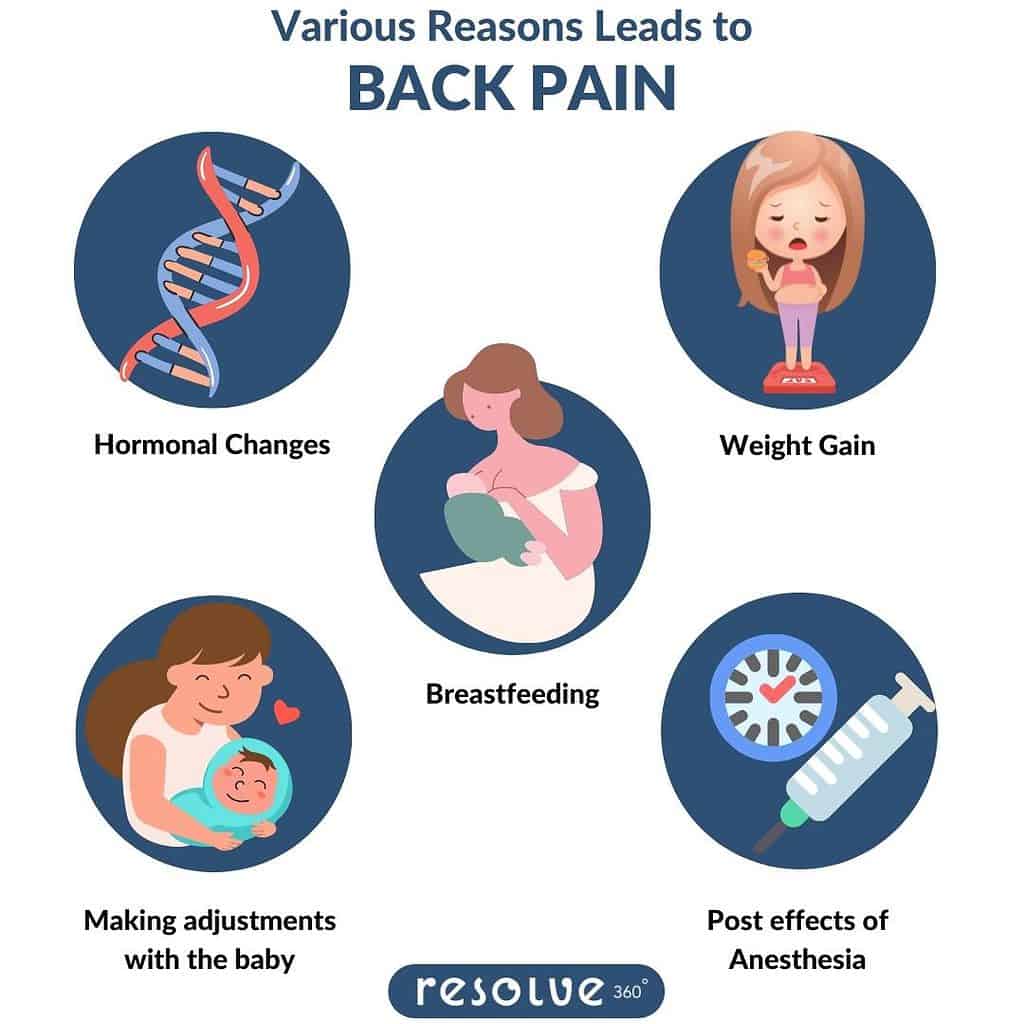
Back pain after C-section is quite common among women and is usually a result of the body’s natural response to pregnancy and childbirth. During pregnancy, the body releases hormones that help relax and loosen the joints and ligaments, making it easier to deliver the baby—even in cesarean births. However, these changes can also make the spine and surrounding muscles more vulnerable to strain. In addition to hormonal shifts, there are several other factors that can contribute to ongoing discomfort in the back after a cesarean delivery.
Here are the most common causes:
Pregnancy hormones, especially relaxin, continue to affect the body even after delivery. These hormonal shifts are a major reason for postpartum back pain, even in C-section cases.
Apart from the visible changes like an increase in the stomach size, there are plenty of invisible changes that the body undergoes during pregnancy. Some of these changes contribute to the causes of back pain after the delivery of the baby.
During pregnancy, the body releases pregnancy hormones and one of them is relaxin. Relaxin helps in the smoother delivery of the baby by loosening the joints and ligaments.
The pregnancy hormones are released regardless of the type of delivery.
After the delivery, as the back joints and ligaments stay in a loose condition, the slightest hint of a heavy task can lead to strain in the back muscles and the patient may face back pain due to it.
The good thing about it is that, with time the back muscles, joints and ligaments gradually gain strength and go back to their normal compact condition.
Daily movements like bending, lifting, and holding the baby can cause posture strain. These small adjustments often lead to persistent back pain after cesarean delivery.
The baby might weigh between six to seven pounds. At first, the weight might not seem a lot. But the new activities and adjustments that the mother needs to make like carrying the baby in her arm, bending over to get the baby from the crib or from a car seat, breastfeeding, etc. all these new changes can affect the posture of the woman. Due to the change in the regular posture, the body can put stress on the back muscles which can contribute to back pain. The back pain can sometimes be faced along the spine.
The mother should be more aware of her posture and must do some regular light exercises to keep the back muscles stretched.
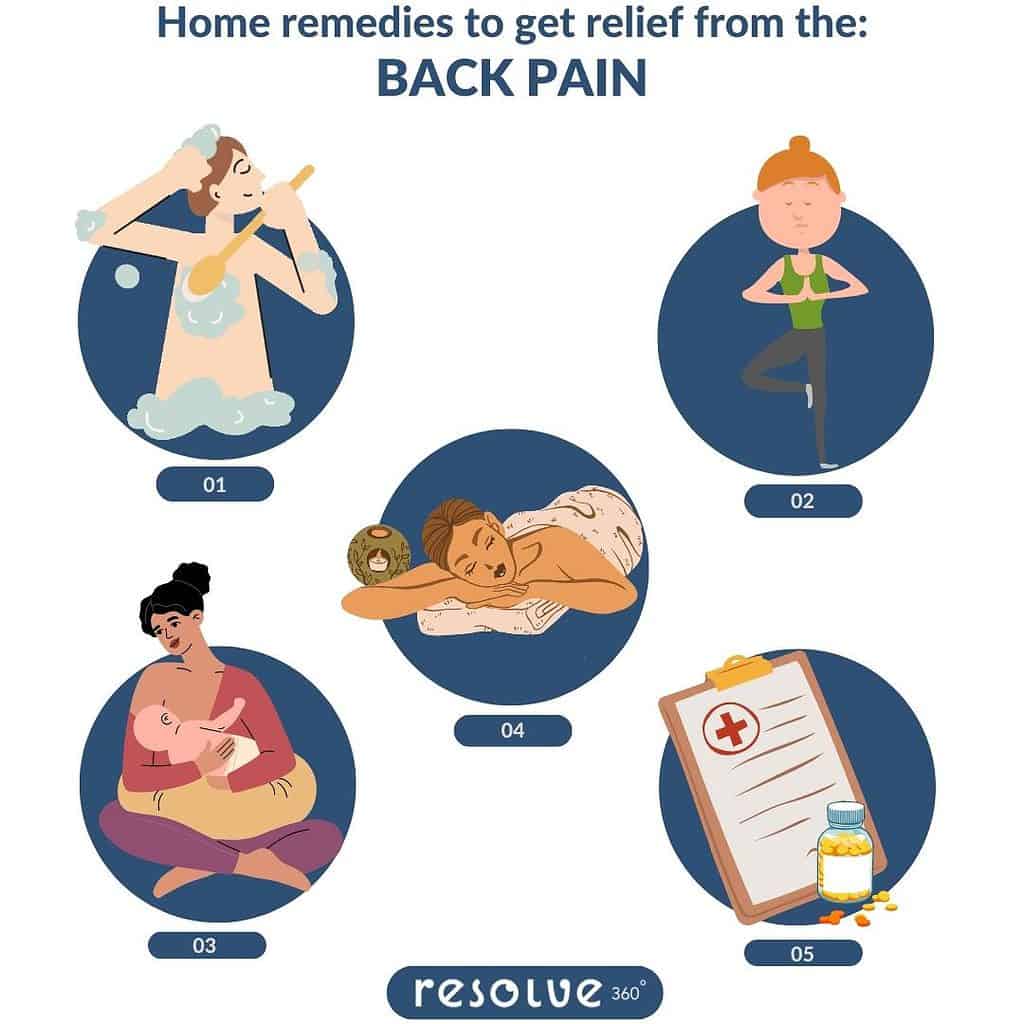
The patient can perform the following home remedies to get relief from the back pain:
1. Take Warm Showers or Hot Baths: Warm water helps relax stiff back muscles and improves blood circulation, which can naturally reduce inflammation and soreness.
2. Do Gentle Stretching Exercises: Incorporate light postpartum exercises that focus on stretching the lower back, hips, and legs. These movements can improve flexibility and relieve muscle tension. Always consult your doctor before starting any new routine.
3. Maintain Good Posture While Breastfeeding: Poor posture can worsen postpartum back pain. Use a nursing pillow or place a small cushion under your elbow for better arm support while feeding. Keep your spine straight and shoulders relaxed.
4. Get Massage Therapy: A light back massage from a trained professional or a caregiver can help reduce muscle stiffness and tension. Prenatal and postnatal massage therapies are specifically designed to address common postpartum issues like back pain.
5. Take Medications as Prescribed: Over-the-counter pain relievers or prescribed medications can be taken under medical supervision for severe or persistent pain. Avoid self-medication, especially if you’re breastfeeding.
6. Try Physiotherapy for Back Pain Relief: If your pain persists beyond a few weeks, it’s best to consult a professional. Physiotherapy for back pain after a C-section focuses on core strengthening, posture correction, and safe recovery exercises that can accelerate healing. A trained physiotherapist can create a customized plan that supports your lower back and overall postpartum recovery.
While home remedies offer short-term relief, managing C-section back pain in the long run requires consistent care and mindful lifestyle choices. Here are some additional tips that can make your postpartum recovery smoother and more comfortable:
Follow a Gentle Recovery Routine
Avoid heavy lifting or sudden movements that strain your core or back. Give your body enough time to heal by listening to pain signals and not rushing your recovery.
Wear a Postpartum Support Belt
A well-fitted maternity or postpartum belt can help support your abdomen and lower back, especially when standing or walking for long periods. It helps redistribute weight and reduces pressure on your spine.
Sleep in a Supportive Position
Sleeping on your side with a pillow between your knees can keep your spine aligned and reduce tension in your lower back. Make sure your mattress offers adequate support.
Include Physiotherapy in Your Recovery Plan
If your pain continues beyond 6–8 weeks, physiotherapy for back pain after a C-section can be highly effective. A trained physiotherapist can guide you through safe core-strengthening and posture-correcting exercises that promote healing without adding strain.
Stay Hydrated and Eat Nutritious Meals
Healing tissues require proper hydration and nutrients. Focus on foods rich in calcium, magnesium, and anti-inflammatory properties to naturally support muscle and joint recovery.
Take Breaks and Practice Good Posture
New moms often forget to care for their own bodies. Whether you’re nursing, changing diapers, or rocking the baby to sleep — maintaining good posture is key. Take short breaks, stretch gently, and avoid slouching.
Know When to Seek Medical Help
If your back pain is severe, radiates down your legs, or worsens with time, consult your doctor. It could be a sign of underlying issues that need professional intervention.