What causes back pain that radiates into your legs
Many people accept that their lower back discomfort is limited to the spine. However, the nerves in the lower back travel through the hips into the legs. The inflammation or compression of these nerves makes pain radiate below the back.
Consequently, back pain that radiates to the legs can cause numbness, tingling, a burning sensation, or weakness. The symptoms vary according to the severity of irritation.
Choose Resolve360 if you want to experience expert care right from your home. We are a trusted online platform who follow the best approach to improve function, support long-term recovery, and help you begin an active and confident life.
Common causes of back pain that goes down leg
Pain that travels to the leg often indicates something deeper is affecting the body’s movement and nerve pathways. Certain factors increase the pain.
1. Sciatica
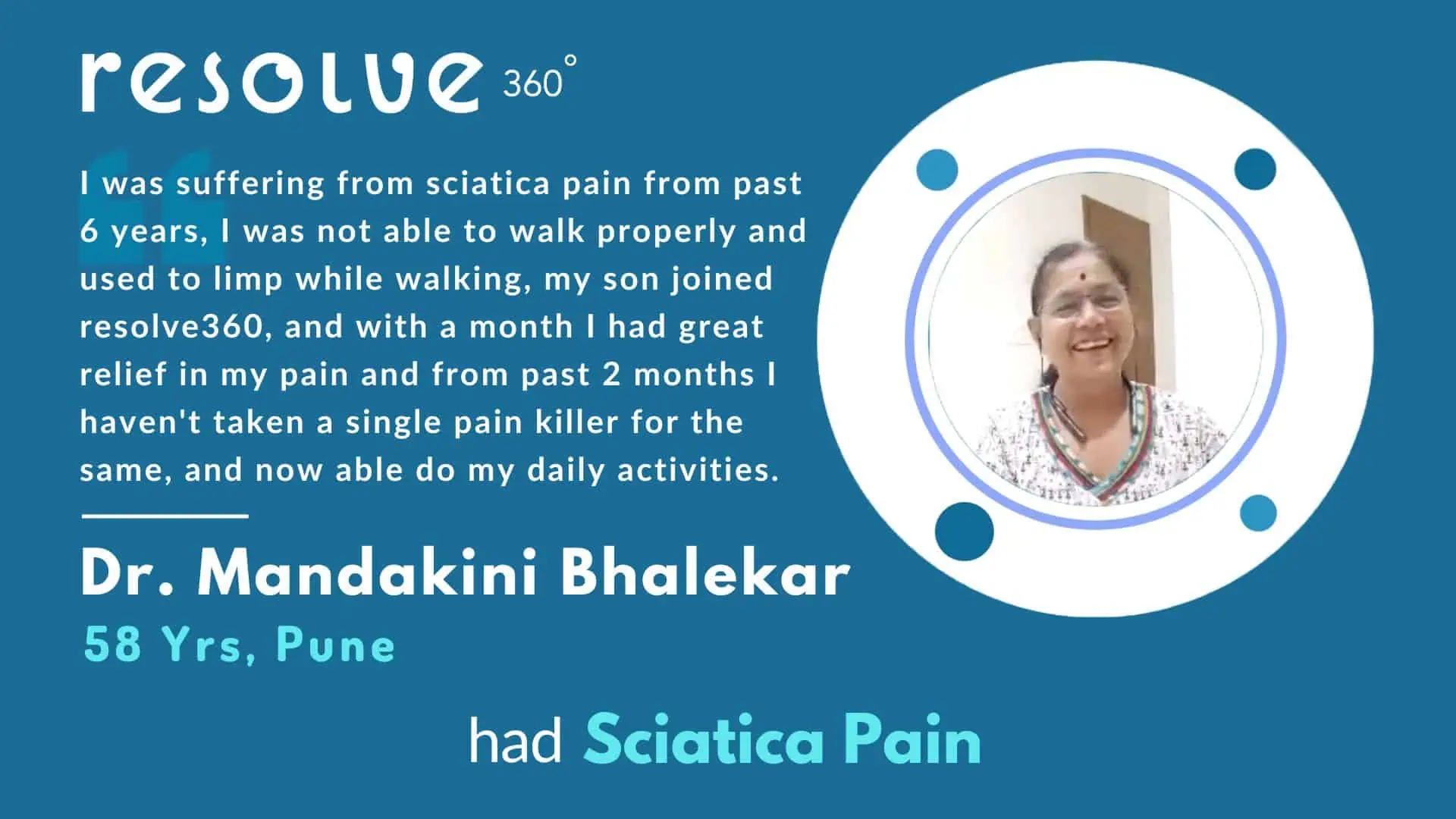
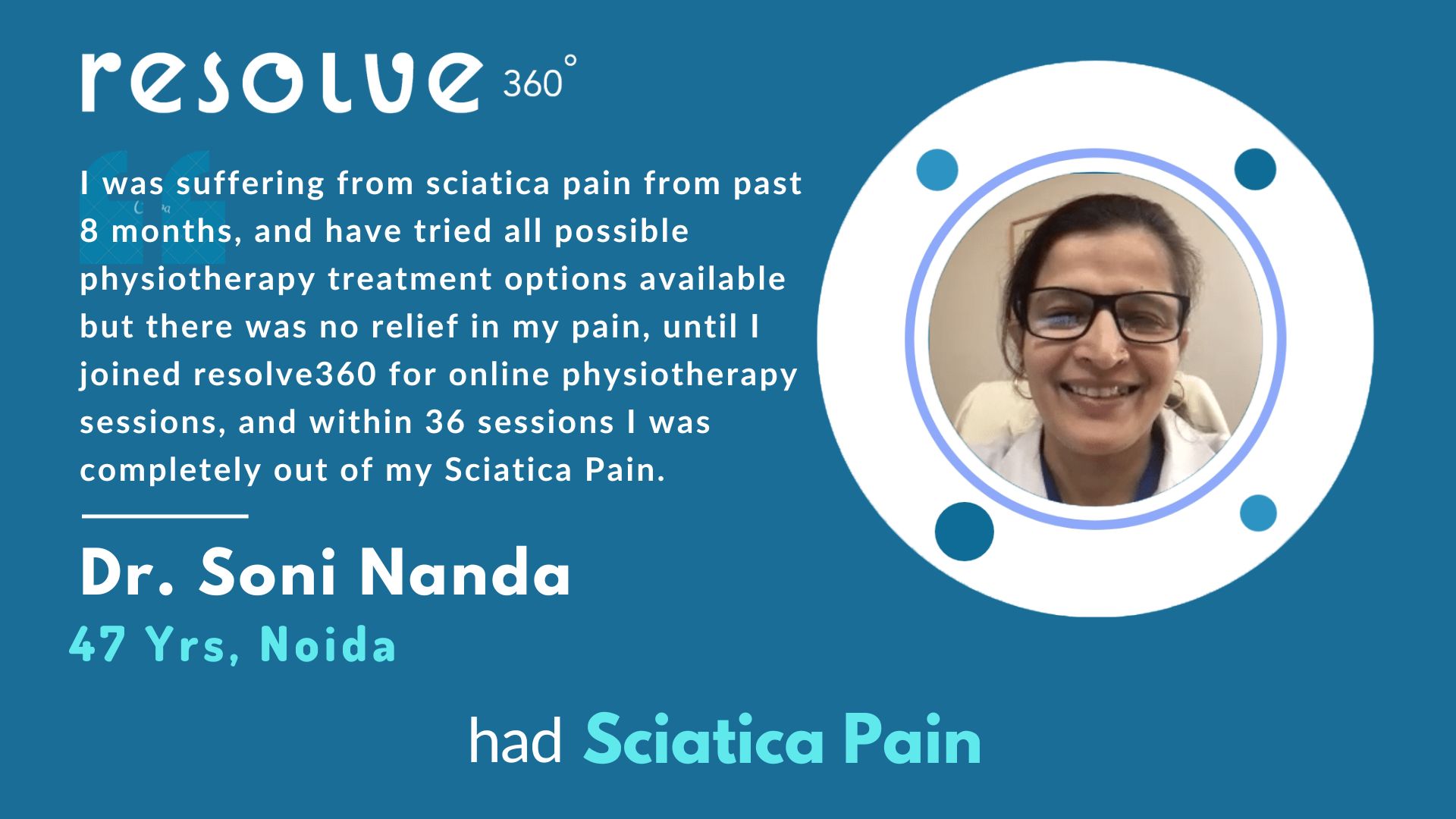
Sciatica is the most common cause of back pain that goes down leg. It occurs when the sciatic nerve becomes compressed or irritated. Its symptoms include:
- Sharp pain
- Numbness or tingling sensation in the calf, thigh, or foot
- Burning sensation following the nerve route
- Severe pain due to prolonged sitting
Sciatic nerve pain affects one side of the body and ranges from mild to intense pain.
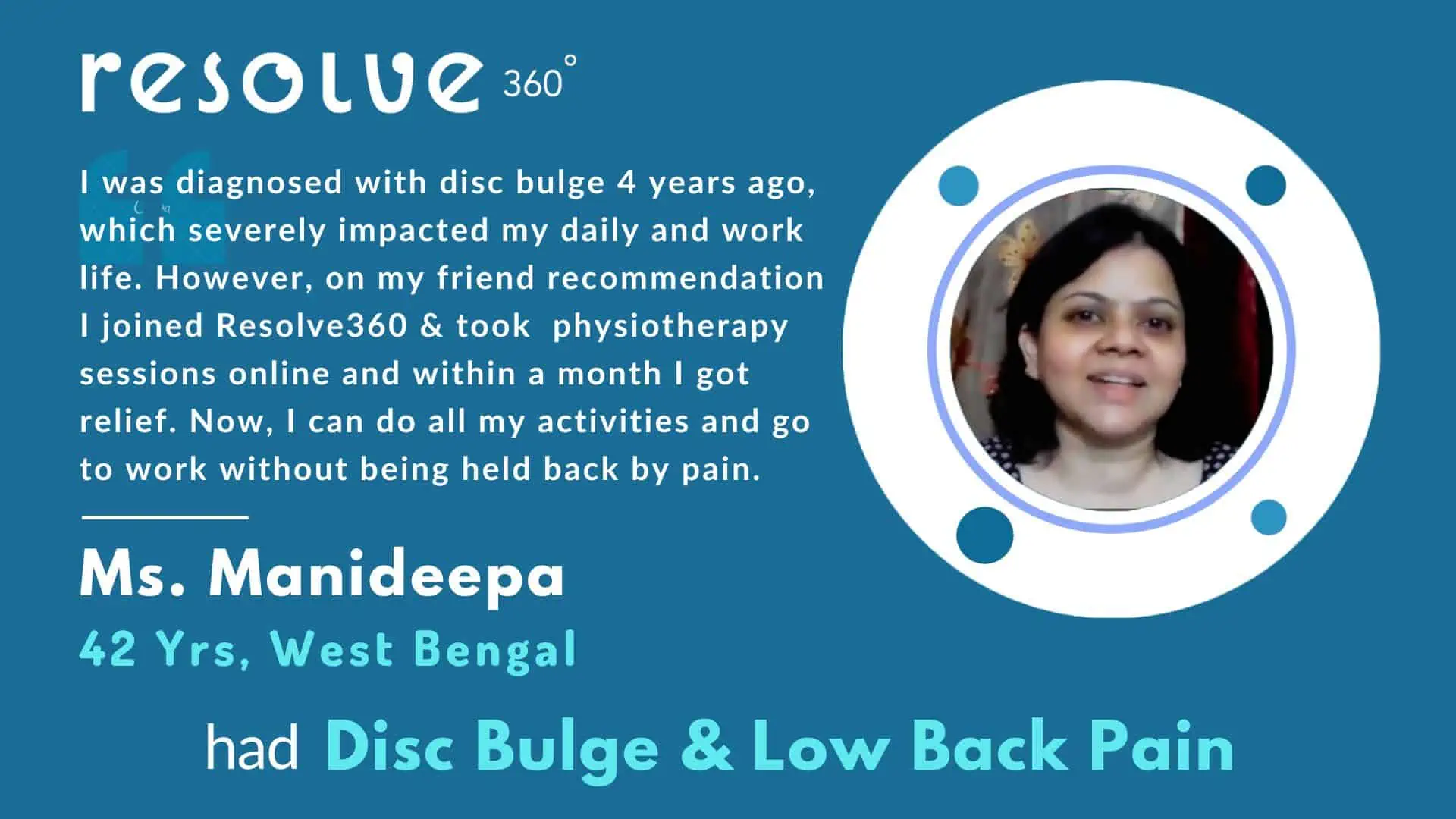
2. Herniated or bulging disc
Discs present between vertebrae function as shock absorbers. If a disc bulges or herniates, it can compress nearby nerves. Common signs include:
- Lower back pain radiating to legs
- Leg weakness
- Numbness or tingling sensations
- Chronic pain during bending or lifting
Disc-associated nerve compression is a frequent source of leg pain from lower back conditions.
3. Pinched nerve
A pinched nerve in the lower back occurs when surrounding tissues put additional pressure on a spinal nerve. Potential causes include:
- Disc degeneration
- Bone growths
- Joint inflammation
- Spinal injuries
This condition often leads to back pain radiating to leg, especially when you move or stand for a longer time.
4. Spinal stenosis
Spinal stenosis is a medical condition denoted to narrowing of spaces present within the spinal canal. Thus, it results in putting more pressure on nerves that spread into the legs.
Common symptoms include:
- Pain while walking
- Leg fatigue
- Numbness and weakness
- Relief when sitting or bending forward
It becomes more common with increasing age and contributes to constant back pain radiating to leg.
5. Sacroiliac joint dysfunction
The sacroiliac (SI) joints act as a link between the spine and pelvis. If they become dysfunctional, they can mimic nerve-related symptoms. People usually experience:
- Pain in the lower back
- Buttock discomfort
- Pain extending into the thigh
- Difficulty standing for long periods
That’s why some people, particularly with lower back and thigh pain female symptoms confuse SI joint dysfunction with sciatica.
6. Degenerative disc disease
Spinal discs start losing flexibility and hydration due to natural ageing. Due to this, it can reduce spinal stability and irritate surrounding nerves.
Symptoms often include:
- Lasting lower back strain
- Rigidity
- Radiating leg pain
- Reduced mobility
With time, deterioration of symptoms contributes to frequent back pain that radiates to legs.
Common risk factors for radiating back pain
Different occupational demands increase the risk of nerve-associated back pain due to continuous pressure on the lower spine. By understanding these common risk factors, it is possible to identify the underlying cause. For this, physiotherapy is best, as it helps in reducing pain and supports better spine health.
Some of the common risk factors are:
- Prolonged sitting
- Bad posture
- Repetitive lifting
- Lack of physical activity
- Excess body weight
- Physically demanding jobs
- Long-distance driving
Early attention to these risk factors can support spine health, improve movement quality, and support an active lifestyle.
At Resolve360, our licensed physiotherapists’ focus is always on your recovery. Our structured physiotherapy is designed based on a complete evaluation of your body movement and patterns. Connect with us now to book your personalized recovery plan and begin recovery.
Symptoms you should not ignore.
If you are experiencing back pain radiating to leg, then it is more than a muscle strain. Certain signs show increased pressure on spinal nerves and need professional evaluation. Therefore, you shouldn’t ignore the signs and should improve your chances of recovery.
Do contact the medical professionals or physiotherapists if you experience:
- Chronic lower back pain radiating to legs
- Increasing numbness or weakness
- Difficulty walking
- Loss of balance
- Symptoms lasting several weeks
- Recurring episodes of sciatica pain
Seeking professional guidance in the early stage can help manage symptoms and improve outcomes.
How does physiotherapy help back pain radiating to leg?
Physiotherapy is a reliable approach in managing back pain that radiates to legs, and this can be done by identifying the root cause. A licensed physiotherapist performs a detailed evaluation for nerve irritation, muscle imbalances, poor posture, movement dysfunctions, and joint stiffness.
Depending on the results, a customized rehabilitation program is created to decrease discomfort, improve mobility, and restore normal function.
Physiotherapy treatment usually includes:
- Detailed physical assessment
- Posture correction
- Mobility exercises
- Core strengthening programs
- Nerve gliding techniques
- Manual therapy
- Ergonomic education
These approaches, when performed regularly, can reduce pressure on affected nerves, recover spinal function, and manage sciatic nerve pain more effectively.
Benefits of Physiotherapy
Physiotherapy nowadays is a comprehensive method to recover from body pain. It helps by improving movement, reinstating function, and supporting long-lasting spinal health. It not only focuses on superficial symptoms, but it also addresses the physical factors that contribute to pain.
The major benefits of physiotherapy involve:
- Decreases pain and discomfort naturally
- Recovers flexibility and range of motion
- Improves spinal stability and muscle strength
- Supports healthy postures
- Promotes safer movement patterns
- Improves overall physical function
- Returns to regular activities
- Reduces the risk of recurrent pain
- Encourages long-term mobility
Customized treatment strategies are usually associated with lasting recovery in mobility and function.
What prevention tips should you follow?
Back pain radiating to the leg primarily depends on the way you take care of your spine. With simple habit changes, you can make a noteworthy difference to maintain strength, flexibility, and overall back health. Your focus should be on posture alignment while doing daily activities.
The following are certain habits that can bring real difference.
- Maintain correct sitting posture
- Stay physically active
- Work on your core and hip muscles
- Avoid long hours of sitting
- Choose safe lifting methods
- Stretch regularly
- Maintain a healthy body weight
Simple adjustments in everyday life can help in minimizing spinal pressure and improve overall back function.
When should you visit a physiotherapist?
People with leg pain from lower back should always be advised to visit a physiotherapist when their symptoms start hampering their daily activities, comfort, or body function.
- Pain continues for more than two weeks
- Symptoms radiating into the legs
- Daily activities become difficult
- Recurring episodes of leg pain
- Home exercises and rest not showing results
Timely physiotherapy is ideal for enhancing recovery and decreasing the risk of chronic spinal complications.
Frequently Asked Questions
What Our Patients Say
Share:
Related Articles: