


Reviewed & Verified by
Dr. Apoorva
We are your doctor’s first choice and trusted by 50,000+ patients.
Lower back pain affects many people today, often caused by long hours of sitting, poor posture, or physical strain. This pain can cause muscle stiffness, reduce mobility, and even impact mental well-being due to ongoing discomfort. It can make daily tasks difficult and frustrating. The good news is that specific exercises for lower back pain can help relieve this discomfort by strengthening muscles, improving flexibility, and promoting better blood flow — all of which support healing and reduce inflammation.
These lower back pain exercises are simple, safe, and can be done at home without special equipment. They are commonly recommended as part of physiotherapy exercises for lower back pain because they target important muscles that support your spine, like the core, glutes, and hips. In this guide, we’ll walk you through the 10 best exercises that can reduce pain, improve posture, and help keep your back healthy for the long term.
| S.No | Exercise Name | Main Benefit | Recommended Repetitions |
|---|---|---|---|
| 1 | Knee-to-Chest Stretch | Loosens lower back muscles and improves flexibility | 2-3 times, twice daily |
| 2 | Cat-Cow Stretch | Increases spinal mobility and reduces tension | 10 times, once or twice daily |
| 3 | Bridge Exercise | Strengthens glutes, hamstrings, and core | 10-15 times daily |
| 4 | Bird-Dog Stretch | Builds stability and strengthens core | 10 times each side daily |
| 5 | Child’s Pose | Stretches spine, hips, and thighs; reduces tension | Hold 30 seconds, 2-3 times daily |
| 6 | Lower Back Rotational Stretch | Loosens tight muscles and improves spinal motion | 2-3 times each side daily |
| 7 | Cobra Stretch (Back Extensions) | Promotes spine extension and eases disc pain | 5-10 times daily |
| 8 | Abdominal Bracing | Strengthens deep core muscles | 10-15 times daily |
| 9 | Piriformis Stretch | Relieves tension in piriformis muscle | 2-3 times each side daily |
| 10 | Hamstring Stretch | Improves leg flexibility | Hold 20-30 seconds, 2-3 times daily |

The Knee-to-Chest Stretch helps gently loosen tight muscles in your lower back and improves your spine’s flexibility. It reduces stiffness caused by long sitting or standing and can relieve lower back pain. Doing this stretch regularly also increases blood flow, helping your muscles relax and recover faster.
How to do it:
A. Lie on your back with knees bent and feet flat on the floor.
B. Use both hands to pull one knee toward your chest, tightening your belly muscles and pressing your lower back into the floor.
C. Hold for 5 seconds, breathing slowly.
D. Slowly lower the leg and repeat with the other leg. Then, try pulling both knees to your chest together.
Repeat each stretch 2-3 times. Do this routine once in the morning and once in the evening if possible.
Tip: Move slowly and stop if you feel sharp pain.

The Cat-Cow Stretch helps increase the movement of your spine and reduces tightness caused by sitting for long hours. It gently moves your back up and down, keeping your spine flexible and easing lower back pain.
How to do it:
A. Get on your hands and knees with your back straight.
B. Arch your back up like a cat, pulling your belly in (Cat pose).
C. Lower your back down while lifting your head and tailbone up (Cow pose).
D. Repeat this slow motion 10 times.
Repeat this movement 10 times, once or twice daily for best results.
Tip: Move slowly and breathe deeply. Stop if you feel sharp pain.

The Bridge Exercise strengthens your glutes, hamstrings, and core muscles that support your lower back. Strong muscles help reduce pain and improve posture, making your back more stable.
How to do it:
A. Lie on your back with knees bent and feet flat on the floor.
B. Slowly lift your hips up to form a straight line from shoulders to knees.
C. Hold for 5 seconds.
D. Slowly lower your hips back down.
Do this exercise 10 to 15 times every day for better support and strength.
Tip: Keep your core tight and avoid arching your lower back too much.

Bird-Dog Stretch improves balance and strengthens your core and lower back muscles. It helps stabilize your spine and reduces pain.
How to do it:
A. Start on your hands and knees.
B. Extend your right arm forward and left leg backward, keeping both straight.
C. Hold for 5 seconds.
D. Return to start and repeat with opposite arm and leg.
Repeat this stretch 10 times on each side for improved stability.
Tip: Keep your back flat and avoid twisting your hips.

Child’s Pose gently stretches your spine, hips, and thighs, easing tension and pain in the lower back. It also promotes relaxation and helps relieve stress.
How to do it:
A. Kneel on the floor and sit back on your heels.
B. Stretch your arms forward and lower your chest toward the floor.
C. Hold for 30 seconds while breathing deeply.
Hold this position for 30 seconds and repeat 2-3 times.
Tip: Don’t push yourself too hard. Stop if you feel discomfort.

This stretch loosens tight muscles in your lower back and improves your spine’s range of motion, which helps reduce pain and stiffness.
How to do it:
A. Lie on your back with knees bent.
B. Slowly drop both knees to one side while keeping your shoulders flat on the floor.
C. Hold for 20 seconds.
D. Repeat on the other side.
Repeat this stretch 2-3 times on each side daily.
Tip: Move slowly and avoid forcing your knees down.

The Cobra Stretch helps extend your spine and can relieve pain from disc problems by gently opening up the front of your body and improving spinal flexibility.
How to do it:
A. Lie on your stomach with hands under your shoulders.
B. Slowly push your chest up by straightening your arms.
C. Hold for 10-15 seconds.
D. Slowly lower back down.
Repeat this stretch 5-10 times every day.
Tip: Don’t push too hard if you feel pain in your lower back.

Abdominal Bracing strengthens your deep core muscles that support your spine and reduce stress on your lower back, improving overall stability.
How to do it:
A. Lie on your back with knees bent.
B. Tighten your stomach muscles like you are pulling your belly button toward your spine.
C. Hold for 5-10 seconds while breathing normally.
Repeat this exercise 10-15 times daily.
Tip: Keep breathing normally and don’t hold your breath.

Piriformis Stretch relieves tension in the piriformis muscle, which can irritate the sciatic nerve and cause pain in the lower back and legs.
How to do it:
A. Lie on your back.
B. Cross one leg over the opposite knee.
C. Use your hands to gently pull the uncrossed leg toward your chest.
D. Hold for 20 seconds, then switch legs.
Repeat this stretch 2-3 times on each side daily.
Tip: Stretch gently and stop if you feel sharp pain.

Your hamstrings are the muscles at the back of your thighs. When they get tight, they can pull on your lower back and cause pain. Doing hamstring stretches helps make these muscles more flexible. This takes pressure off your lower back and helps you move more comfortably.
How to do it:
A. Sit on the floor with one leg straight and the other bent.
B. Reach toward the toes of the straight leg.
C. Hold the stretch for 20-30 seconds.
D. Switch legs and repeat.
Repeat this stretch 2-3 times on each leg daily.
Tip: Don’t bounce while stretching; move slowly and gently.
While these exercises for lower back pain can help relieve discomfort, it’s equally important to understand why the pain happens in the first place.
A physiotherapist can identify the root cause of your pain and create a personalized exercise program tailored to your needs, ensuring the best possible results.
Many people assume lower back pain is just part of getting older. Although aging can contribute to stiffness, it doesn’t have to control your life. In fact, we’ve seen many people in their 50s with healthier spines than some 20-year-olds — all thanks to consistent care and exercise.
As we age, the fluid that lubricates our joints decreases, cartilage thins, and muscles can tighten. But other factors can also cause back pain and stiffness:
At Resolve360, we offer expert online consultation physiotherapy services designed to provide personalized care wherever you are. Our skilled physiotherapists assess your condition remotely and guide you through tailored exercises and treatment plans that fit your lifestyle.
If you’re tired of living with lower back pain, don’t wait any longer. Start your personalized treatment with Resolve360 Online Consultation Physiotherapy today. Our expert physiotherapists will guide you step-by-step from the comfort of your home. Contact us or visit our website now to book your first session and take the first step toward a stronger, pain-free back.
At Resolve360, our physiotherapy treatment is designed for real, lasting recovery — all done online from the comfort of your home. We don’t use machines or medicines. Instead, we focus on expert-guided movement and hands-on manual therapy delivered through live online sessions that truly help your body heal.
Also Read: Physiotherapy For Joint Pain ; Physiotherapy For Disc Burge
When it comes to treating back pain, choosing the right physiotherapy provider is crucial for lasting results. Resolve360 stands out because we combine expertise, convenience, and a natural approach to healing.
At Resolve360, we are dedicated to helping you achieve long-term relief and improved quality of life through safe, natural physiotherapy care.
Also Read: Back Pain: Causes and Treatment
The best exercises for lower back pain are pelvic tilts, knee-to-chest stretches, cat-cow, bird-dog, bridges, and gentle walking. These movements improve mobility, activate your core stabilizers, and reduce pressure on your lumbar spine without aggravating symptoms.
Start with 5-10 repetitions of each exercise, 1-2 times daily. Hold stretches for 10-30 seconds and move slowly through each range of motion. If any exercise increases your pain significantly or causes numbness/tingling down your legs, stop and consult a physiotherapist.
Quick starter routine (5 minutes):
Pelvic tilts – 10 reps
Knee hugs – 5 reps each leg
Cat-cow – 10 reps
Gentle walking around your home – 2 minutes
Most people notice improvement within 2-4 weeks of consistent daily practice.
Do lower back pain exercises 2-3 times per day, with each session lasting 10-15 minutes. Consistency matters more than duration—gentle movement multiple times daily is more effective than one long session.
Recommended frequency:
Pelvic tilts, knee hugs, cat-cow: 10 repetitions, 2-3 times daily
Stretching (knee-to-chest, hip flexor): Hold 10-30 seconds, 3-5 repetitions per side, twice daily
Walking: 20-40 minutes total per day (can be split into shorter sessions)
Important: It takes 6-8 weeks of consistent exercise to notice significant improvement in back symptoms. Don’t expect immediate results, but you should feel some relief within the first 2 weeks if exercises are appropriate for your condition.
Too busy for 15 minutes? Even 2-3 minutes of gentle movement every hour (standing up, walking to the bathroom, doing 5 pelvic tilts at your desk) provides benefit.
Most people notice some improvement in lower back pain within 2-4 weeks of consistent daily exercises, with significant improvement by 6-8 weeks. However, full recovery can take 3-6 months depending on how long you’ve had pain and its underlying cause.
Realistic timeline:
Week 1-2: Pain may fluctuate; focus on gentle movement and avoiding aggravating activities
Week 3-4: Noticeable reduction in pain intensity and improved mobility
Week 6-8: Significant functional improvement; can resume most normal activities
Week 12+: Continued strengthening and prevention of recurrence
If your pain hasn’t improved after 6 weeks of consistent exercises, or if it’s getting worse, see a physiotherapist or doctor.
Stay active and avoid bed rest—movement is better than rest for back pain recovery. Bed rest beyond 1-2 days actually delays recovery and can make back pain worse by causing muscle weakness and stiffness.
What to do:
First 24-48 hours: Relative rest—avoid activities that significantly aggravate pain, but keep walking and doing gentle movements
After 48 hours: Gradually increase activity level; don’t wait until you’re completely pain-free
Ongoing: Continue normal daily activities as much as possible; modify but don’t stop work, exercise, or hobbies
What NOT to do:
Don’t stay in bed for more than 1-2 days
Don’t avoid all movement due to fear of pain
Don’t wait for pain to completely disappear before resuming activities
Don’t do heavy lifting, high-impact exercise, or repetitive bending during acute phase
Evidence: Clinical guidelines consistently recommend staying active over bed rest for acute and chronic back pain. Patients who remain active recover faster and have lower recurrence rates than those who rest extensively.
Yes, the type of back pain determines which exercises will help vs. harm. Most people don’t know their pain type, which is why generic “top 10 exercises” lists can be hit-or-miss.
Common types and exercise implications:
1. Mechanical/Muscular Pain (most common):
Characteristics: Worse with certain movements (bending, lifting), better with rest, localized to back
Best exercises: Gentle stretching, core activation, walking, pelvic tilts, cat-cow
Avoid: Heavy lifting, high-impact activities during acute phase
2. Disc-Related Pain (disc bulge/herniation):
Characteristics: Pain may radiate down leg (sciatica), worse with sitting/bending forward, better with standing/walking
Best exercises: Extension-based (prone press-ups, standing back extensions), nerve glides, walking
Avoid: Forward bending, sit-ups, prolonged sitting
3. Spinal Stenosis:
Characteristics: Worse with standing/walking, better with sitting/bending forward, common in older adults
Best exercises: Flexion-based (knee-to-chest, cycling, seated exercises)
Avoid: Prolonged standing, back extension exercises
4. Inflammatory Pain (ankylosing spondylitis, etc.):
Characteristics: Worse in morning, improves with movement, often associated with other inflammatory conditions
Best exercises: Gentle mobility, swimming, posture exercises
Avoid: High-impact during flare-ups
If you’re unsure which type you have, start with gentle, pain-free movements and consult a physiotherapist for personalized exercise prescription.
This phenomenon is called “centralization” vs. “peripheralization” and is a critical indicator of whether an exercise is appropriate for your condition.
Centralization (GOOD sign):
Pain moves from the leg toward the back (e.g., calf pain → thigh pain → buttock pain → back only)
Indicates the exercise is reducing nerve irritation
Continue the exercise even if back pain temporarily increases slightly
Peripheralization (BAD sign):
Pain moves from the back down into the leg (e.g., back pain → buttock → thigh → calf)
Indicates the exercise is increasing nerve irritation
Stop the exercise immediately and try a different movement
Why this matters:
Exercises that centralize pain are likely helping your underlying disc or nerve issue
Exercises that peripheralize pain may be worsening nerve compression
This is more important than whether the exercise feels “good” in the moment
Example: For disc-related sciatica, prone press-ups (lying on stomach, pushing up with arms) often centralize leg pain toward the back, while knee-to-chest stretches may peripheralize it further down the leg. The press-ups should be continued; the knee-to-chest should be avoided.
If you notice peripheralization, stop that exercise and consult a physiotherapist for proper exercise selection.
Yes, but exercise selection must be tailored to your specific diagnosis—some exercises that help general back pain can worsen disc or stenosis symptoms.
Herniated Disc / Sciatica:
Safe exercises: Prone press-ups (lying on stomach, pushing up), standing back extensions, walking, nerve glides, bird-dog
Avoid: Forward bending (toe touches, sit-ups), prolonged sitting, knee-to-chest stretches (may peripheralize symptoms)
Key sign: Continue exercises that centralize leg pain toward the back; stop exercises that push pain further down the leg
Spinal Stenosis:
Safe exercises: Knee-to-chest stretches, cycling (stationary bike), seated exercises, flexion-based movements
Avoid: Prolonged standing, back extension exercises, walking downhill
Key sign: Symptoms improve with sitting/bending forward, worsen with standing/walking
Post-Surgical (discectomy, laminectomy, fusion):
Wait for surgeon/physiotherapist clearance before starting exercises (typically 4-6 weeks post-op)
Start with: Gentle walking, pelvic tilts, breathing exercises
Avoid: Heavy lifting, twisting, high-impact for 3-6 months
Important: If you have imaging-confirmed pathology, consult a physiotherapist for a personalized exercise program. Generic “top 10” lists may not be appropriate for your specific condition.
Yes, but modifications are essential for safety in older adults and those with osteoporosis. Age alone is not a contraindication for exercise, but certain movements carry higher fracture risk.
Safe exercises for older adults/osteoporosis:
Walking (with assistive device if needed)
Seated exercises (seated marching, seated trunk rotations)
Supine exercises (pelvic tilts, knee hugs, bridges)
Gentle stretching (avoid end-range positions)
Water-based exercises (pool walking, water aerobics)
Exercises to AVOID with osteoporosis:
Forward bending (toe touches, sit-ups) – increases vertebral fracture risk
Twisting under load (Russian twists, golf swings)
High-impact activities (jumping, running on hard surfaces)
Heavy lifting or resistance training without proper form
Modifications for age-related limitations:
Knee/hip arthritis: Do exercises in chair or bed instead of floor
Balance issues: Hold onto counter/chair during standing exercises
Limited mobility: Reduce range of motion; focus on pain-free movement
Multiple health conditions: Start with 5-minute sessions, 2-3 times daily
Evidence: Exercise is safe and beneficial for older adults with back pain, with improvements in pain, function, and fall prevention. The key is appropriate modification and progression.
Exercise can temporarily increase back pain if you do the wrong exercises, progress too quickly, or exercise during an acute flare-up—but appropriate exercise is the most effective long-term treatment for back pain.
When exercise may worsen pain:
Wrong exercise selection: High-impact, heavy lifting, or spinal flexion exercises during acute pain
Too much too soon: Doing 30+ minutes when you should start with 5-10 minutes
Poor form: Incorrect technique increases spinal stress
Ignoring pain signals: Pushing through sharp, escalating, or radiating pain
Normal vs. concerning pain during exercise:
Acceptable (green/yellow light): Mild discomfort (0-4/10 pain scale), muscle fatigue, temporary increase that settles within 24 hours
Stop immediately (red light): Sharp or stabbing pain, pain >5/10, pain that spreads further down the leg, numbness/tingling, pain that persists >24 hours after exercise
Evidence: Systematic reviews show that exercise therapy reduces pain and improves function in both acute and chronic back pain, with no increased risk of adverse events when performed appropriately. The key is matching exercise type and intensity to your current pain level and condition.

Dr. Apoorva Shrivastava is the founder & C.E.O. of Resolve360 and a physiotherapist with 17+ years of experience in physiotherapy and rehabilitation. She holds a Bachelor’s in Physiotherapy from Saveetha Medical College and a Master’s in Advancing Physiotherapy from Sheffield Hallam University, UK, specializing in Neuro Physiotherapy. She has supported 50,000+ patients globally and has led clinical teams across India. She is also the named inventor of Resolve360’s patented online physiotherapy clinical process methodology.
Posted on Google
 Indu G
Trustindex verifies that the original source of the review is Google.
I came across a Resolve360 ad and decided to give them a try for my knee pain. I contacted them, and their team got in touch with me and explained everything clearly. I had my online physiotherapy session with Dr. Sandeep, and I had a really good experience. He was patient, friendly, and took the time to understand my pain and daily routine before suggesting exercises. He explained each exercise properly and showed me how to do the movements correctly. I could also ask questions during the session, which made things much easier. I really liked the convenience of doing the sessions from home. I didn’t have to travel to a clinic, and the one-on-one sessions felt personal and comfortable. The follow-up sessions were also helpful and kept me motivated to stay consistent with the exercises. A special thanks to Dr. Sandeep for being so supportive and easy to talk to. He made the whole process feel simple and comfortable. Overall, I’m happy with my experience with Resolve360 and would recommend them to anyone looking for convenient online physiotherapy.Posted on Google Kashika SinghI am currently recovering from ACL reconstruction surgery, and choosing the Resolve360 video rehabilitation platform has been one of the best decisions for my recovery journey. When I joined the platform, I was not only recovering from surgery but was also suffering from severe back pain that significantly limited my mobility. Surprisingly, after just two sessions, I experienced noticeable relief in my back pain, which gave me the confidence to continue my rehabilitation. What I appreciate the most is that every exercise is carefully tailored to my specific condition, recovery stage, and individual needs. The structured rehabilitation plan has kept me consistent and motivated. Without this platform, I don't think I would have had such a well-organized approach to my recovery. A special thanks to Dr. Diksha for her exceptional expertise. She has an incredible ability to understand the root cause of pain and provide effective solutions, even through remote consultations. Beyond her clinical skills, she is incredibly empathetic, patient, and motivating. She genuinely listens, understands what you're going through, and encourages you throughout the recovery process, making even the most challenging phases feel manageable. Her guidance and positive attitude have been invaluable to my recovery. I would also like to appreciate my Care Manager, Ms. Aditi, for her outstanding support. She is extremely proactive and dedicated to ensuring everything runs smoothly. Whether it's reminding me to schedule my diet consultation or reassessment sessions, handling last-minute rescheduling, or assisting with payments, she manages every aspect effortlessly. She is always responsive and just a chat away whenever I need help. I highly recommend Resolve360 to anyone looking for a personalized, structured, and professionally managed rehabilitation program. The combination of expert physiotherapy and exceptional customer support has made my recovery journey much smoother and more reassuring.Posted on Google
 Sanjay AryaI had a constant neck pain and stiffness also nerve compression causing a lot of issue doing day to day work ,now discomfort is significantly improves. Highly recommend resolve 360 for their servicesPosted on Google
 Gaurav SethThe Only Solution That Found My Root Cause and Delivered Real Recovery For years, I was trapped in a frustrating cycle, suffering from debilitating back pain and a persistent knee injury. I had seen countless specialists—various physiotherapists and chiropractors—but none of them could provide lasting relief or truly get to the heart of my problems. I was ready to give up. Thankfully, Dr. Apoorva and Dr. Asish insisted I join Resolve 360 for a fresh start on my recovery journey, and it was the best decision I could have made. The true breakthrough came from Dr. David. His diagnostic skill is exceptional; during our dedicated one-on-one video call sessions, he was able to accurately find and address the root cause of both my back pain and knee instability. For the first time, I felt like I wasn't just treating symptoms, but actually correcting the underlying issues. The progress has been incredible. My initial back and knee pain are vastly improved, and Resolve 360 continues to help me, focusing now on making my muscles strong to ensure long-term stability and health. The one-on-one format is the key—it ensures I receive personalized attention, correct technique, and real-time adjustments tailored only to me. If you have tried multiple avenues without success, I highly recommend Resolve 360. Their expert team, especially Dr. David, Dr. Apoorva, and Dr. Asish, offers a level of insight and dedicated care that truly resolves problems. This service is a game-changer!Posted on Google
 Vishal KortalwarResolve360 to restart your road to recovery and fitness. Services are satisfactory, Doctors & Physiotherapists are very professional, competant, understands the problem and presents a customized recovery plan.Posted on Google
 mrigank guptaGood theray with experience physio. Overall awesome experiencePosted on Google
 Parveen JainI am suffering from heel pain for the last few years and the physiotherapy sessions provided by resolve360 have helped me a lot. The best thing about resolve360 is the flexibility they offer. I had sessions both early in the morning and evening depending upon my schedule. All the doctors on their panel are excellent and are always willing to go extra mile and give more than 100%. They do not prescribe any short cuts and focus on resolving the problem from the root cause instead of promising you any magic pill. I will recommend everyone to give it a try if they are facing any issues related to pain or mobility and is in need of physiotherapy.Posted on Google
 chandra deep SinghI was introduced to Resolve 360 by a close friend who have been your patients for some time now. I too am a Resolve patient for some time now for Back and Knee pain issues. I can confidently say that I am in safe n sure hands and my pain score has come down to 5 on a scale of 10 and that I may not have to go for TKR. I must mention that Dr. Mohit, Dr. Renuka and now Dr. Ankita are super powers for me by way of treatment and encouragement!! Great n effective sessions indeed.Posted on Google
 shailesh PatelI am Dr.Shailesh Patel (obstetrician and gynaecologist) from Maharashtra. I had rotator cuff muscle injury. I was not able to do my Surgeries and had severe pain during sleep also. I consulted many Ortho and Joint surgeons. I also tried physiotherapy treatment for 2 months in my local place. But no results. I stopped my regular surgeries and was very depressed, worried about my illness. I searched for online option. I came across Resolve 360. Right from my first consultation, assessment session whole team of doctors from Resolve 360 helped me very kindly and patiently. I started getting relief in my first week of physiotherapy sessions. Now after 10 weeks I am completely relieved from my pain. I started doing all my routine surgeries and also strength training. I am very satisfied and happy with whole team. I am very thankful to all team members of Resolve 360 for helping me to come out of my illness and rejoining my work which is my passion and only earning source for my family. Thank you all especially Dr.Ankita , I will be always greatful for your help.Posted on Google
 pratik bilgi
Trustindex verifies that the original source of the review is Google.
Effective way of taking physiotherapy at home at your own convenience
If you would like to know more about any of the health conditions, please fill up the form below and talk to Doctors on Resolve360 directly by asking a question.
We are your doctor’s first choice and trusted by 50,000+ patients.
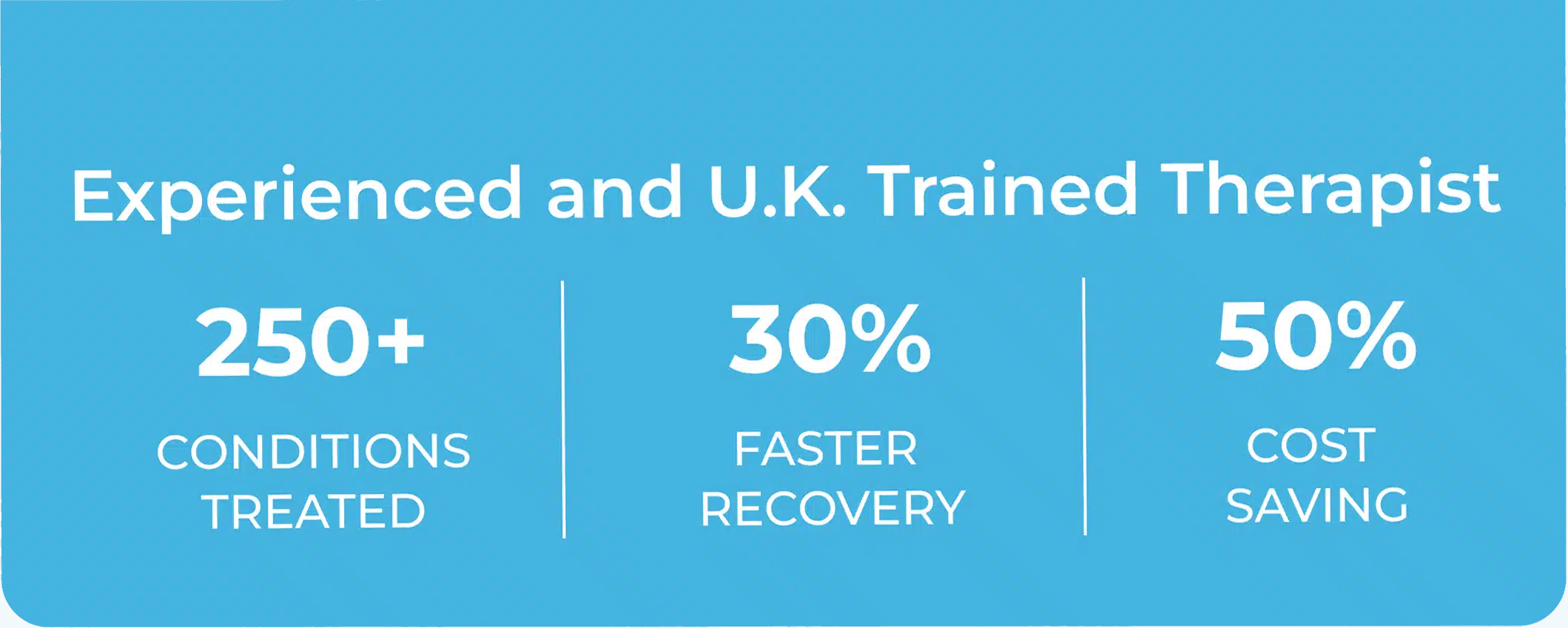

We are your doctor’s first choice and trusted by 50,000+ patients.
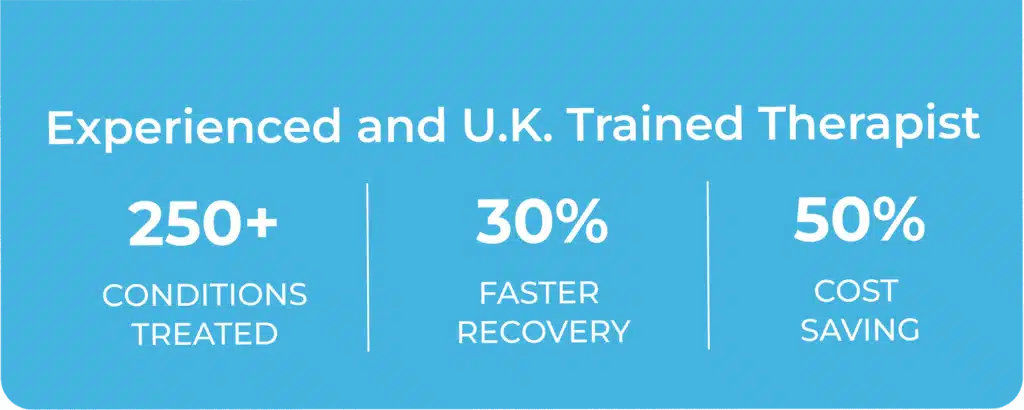
We are your doctor’s first choice and trusted by 50,000+ patients.

We are your doctor’s first choice and trusted by 50,000+ patients.


